The delivery of fuel is a daily operational requirement for thousands of businesses across Australia. Construction sites, mining operations, agricultural properties and logistics hubs rely on a steady supply of diesel to keep machinery running and schedules on time. Productivity falls off fast if refuelling is slow, unorganised or involves equipment leaving the work zone.
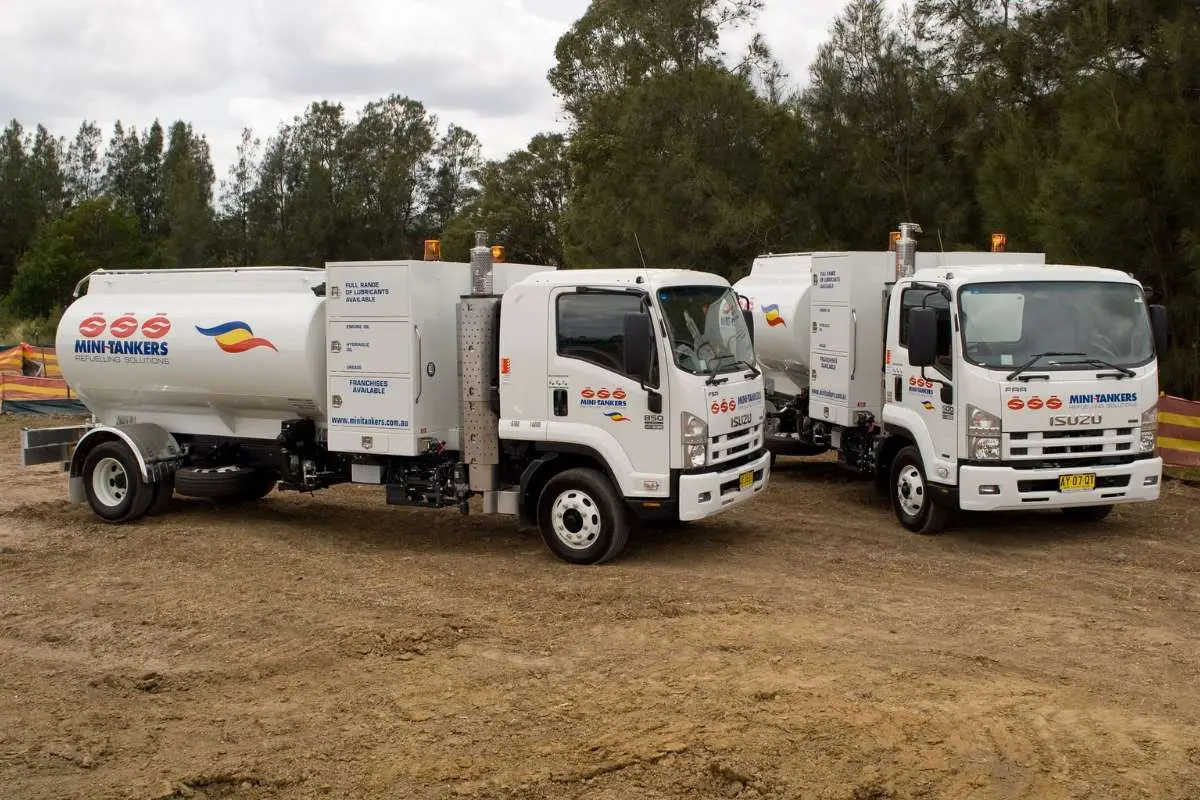
Opting for a mini tanker fuel delivery solves that problem by bringing fuel directly to the point of need. These compact refuelling vehicles usually carry up to 10,000 litres and are designed to reach tight job sites, uneven terrain, and tight industrial yards that bulk tankers can’t access. As such, they are a practical solution for businesses that need to minimise downtime and keep operations moving without interruption, as they can deliver diesel directly to plants and equipment on site.
Superior Access and Direct-to-Equipment Refuelling
The ability for mini tankers to access areas that a standard fuel truck cannot is one of their greatest benefits. On busy construction sites, narrow access roads, crowded industrial yards and remote rural properties, a full-sized tanker may not be able to enter safely or get close enough to the machinery that needs fuel.
Mini tankers are built for such conditions. With a smaller footprint and off-road capability, they can traverse rough terrain, navigate around active work zones and deliver fuel directly to each piece of equipment without disrupting site work.
This direct-to-equipment approach removes a common time-waster. Whereas the machinery was taken to a central fuel point or the workers filled portable containers at a service station, the tanker was taken to the equipment. On larger sites where dozens of machines are working at any one time, this model can save hours of productive time every day and significantly reduce the labour involved in managing fuel logistics.
Operational Efficiency and Cost Savings

Mini-tankers improve tracking, allocation and reconciliation of fuel across a project besides providing access. “On-board metering and data capture systems are standard on many modern units and record precisely the amount of fuel delivered to each machine. That level of detail supports accurate cost allocation, helps identify inefficient equipment, and simplifies reporting for project managers.
According to the ACCC, diesel supply is critical for primary producers, transport operators and many other sectors, and reliable fuel management is a key operational priority in regional and urban Australia. The mini tankers support this priority by providing scheduled, measured refuelling that reduces waste and keeps consumption visible.
Having no need for large storage tanks on site also saves on cost. Bulk storage must comply with environmental and safety regulations and require regular inspections and security measures against theft or spills. Mini tankers help by delivering on a just-in-time basis, so a business only pays for the fuel it uses and doesn’t have to maintain permanent infrastructure.
Safety, Compliance, and Industry Applications

There are safety and environmental risks with fuel handling, as spills, contamination, and improper storage can lead to regulatory penalties, equipment damage, and project delays. A reliable mini tanker fuel delivery reduces these risks by centralizing fuel management into a controlled process. Additionally, trained operators employ strict safety protocols on every delivery to ensure secure and efficient handling.
Many tankers also have special filtration systems that remove water and particulates from diesel before it gets to the engine. Clean fuel shields your high-value equipment from damage to injectors, corrosion of fuel systems and premature wear that can lead to expensive repairs and unplanned downtime.
Uses are in a variety of industries:
- Construction – providing excavators, loaders and generators on live sites
- Mining – refuelling heavy plant in remote or restricted-access areas
- Agriculture – keeping harvesters and tractors moving in time-sensitive seasonal operations
- Logistics – servicing of truck fleet and warehouse equipment in industrial centres
But in all cases the common benefit is the same: fuel gets where it needs to be when it needs to be there, without diverting people and resources from core operations.
Conclusion
Mini tanker fuel delivery is an integral part of the fuel supply chain to Australian industry. The compact size, direct equipment, and integrated tracking systems solve the access, efficiency, and safety issues that traditional refueling methods often leave unaddressed. For companies with large fleets, remote operations, or demanding schedules, this approach provides a reliable, compliant, and cost-effective solution to ensure operations run smoothly and efficiently.