A manufacturer can look highly profitable on paper and still feel intense cash pressure on the shop floor. Fuel and freight costs, rising input prices, and ongoing supply chain disruption keep squeezing margins across the industrial sector. Between raw material purchases, labor, equipment, and long payment cycles, even healthy businesses have to weigh funding growth against protecting liquidity. Operations often move faster than incoming revenue, and that gap creates immediate financial bottlenecks. So choosing the right manufacturing financing model genuinely matters. The wrong product piles on unnecessary costs, adds operational rigidity, and limits future borrowing power, while the right structure keeps production moving, clears payroll on time, and makes expansion plans realistic.
Why financing decisions are different in manufacturing?

1. Long cash conversion cycles change everything
Manufacturing differs from service businesses because production burns through capital long before it generates revenue. The typical cash conversion cycle for a manufacturing business stretches between 135 and 225 days. Cash goes out early for raw materials, skilled labor, factory overhead, and initial freight. Then the business waits through production, shipping, invoicing, and standard 30-to-90-day payment terms before seeing a return. That timing mismatch creates pressure even during periods of rapid growth. Only two out of five manufacturers reported improvements in inventory turnover this year, which can lengthen already slow conversion cycles and trap cash in warehouses.
2. Working capital is often the real constraint
Profitability doesn’t automatically mean liquidity on a busy factory floor. Sixty-seven percent of manufacturers cite working capital as a key concern, making it one of the most common financial challenges in the sector. Rising inventory levels and extended receivables absorb available reserves fast, leaving facilities scrambling for daily operating funds. Manufacturing expansion often signals rising working capital needs and strains liquidity when it isn’t actively managed. Here’s the counterintuitive part: winning a large new contract can create the tightest cash crunch of the year.
Match the financing tool to the need, not the label
Financial tools within a manufacturing financing model serve specific operational purposes, and they aren’t interchangeable. With a 22.5% year-on-year contraction in commercial credit allocation affecting major industrial markets, picking the right structure can help you head off a shortage. The lowest headline interest rate rarely represents the best strategic fit for a given problem. Matching repayment timing to asset life or receivable timing matters far more than chasing the cheapest quote. Treat your capital stack as a functional toolkit rather than one generic pool of money.
| Financing Option | Best For | Typical Repayment Structure | Main Advantage | Main Limitation |
|---|---|---|---|---|
| Equipment Loan/Lease | Machinery, production equipment, vehicles | Fixed term over several years | Aligns cost with useful life of asset | Not ideal for day-to-day cash flow needs |
| Line of Credit / Asset-Based Lending | Working capital, seasonal needs, inventory swings | Revolving, reusable borrowing base | Flexible access to liquidity | May require strong collateral or covenants |
| Invoice Factoring | Bridging receivables delays, payroll, operating cash flow | Advance against invoices, then settlement when customer pays | Turns invoices into immediate cash without adding traditional term debt | Depends on invoice quality and customer creditworthiness |
When equipment financing makes strategic sense?
1. Best use cases for equipment loans or leases
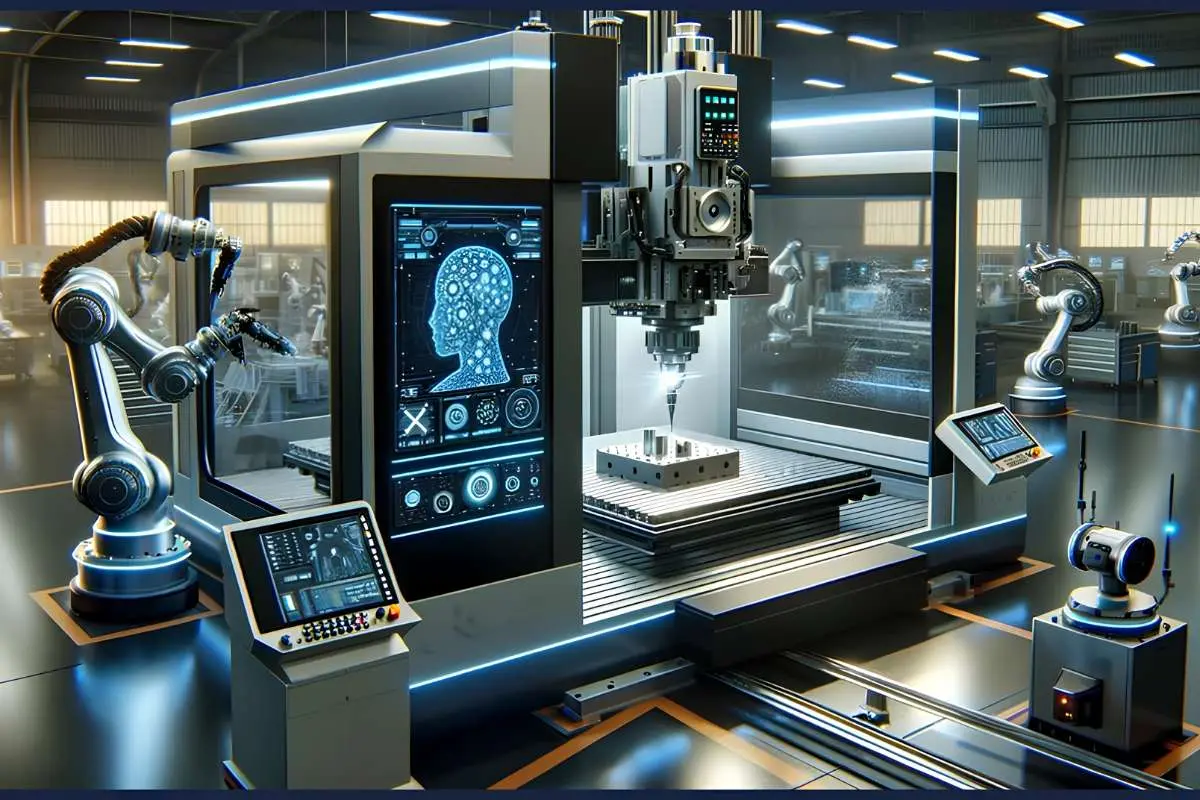
Equipment financing applies directly to major capital investments like CNC machines, advanced robotics, packaging lines, and heavy industrial forklifts. As part of a manufacturing financing model, this option can help businesses fund long-term assets without putting excessive pressure on daily operating cash. Recent funding examples, such as a £16.25 million equity and forward flow financing package for advanced additive manufacturing machinery, show strong demand for specialized equipment structures. Plant upgrades and production vehicles fall into this same long-term category. The repayment schedule mirrors the useful lifespan of the asset itself, so the cost of the machinery tracks the value it generates on the floor.
2. Advantages and trade-offs
Equipment loans help preserve daily operating cash and support expansion without a large upfront outlay. Thirty-three percent of surveyed industry executives expect greater access to capital to fund equipment acquisitions, which underlines how relevant this method still is. Fixed monthly payments also make budgets easier to plan when you’re investing in facility upgrades. But these loans won’t cover a sudden payroll gap or bridge a delayed invoice. The monthly obligation stays rigid, and you keep paying even when production slows during seasonal lulls.
When a line of credit supports operational flexibility?

1. Best use cases for revolving credit
Lines of credit can manage seasonal raw material purchases, supply chain timing gaps, and temporary working capital swings. Many businesses are funding larger stockpiles through lines of credit rather than accelerating vendor payments to cope with volatile supply chains. A revolving facility lets you borrow against a predetermined base, repay the balance, and borrow again as inventory rises and falls. Building up stock ahead of major retail orders usually calls for exactly this kind of short-term liquidity. A working capital line of credit can bridge the gap between revenue and cash flow during a sudden order spike.
2. What manufacturers should watch closely?
Asset-based lending offers flexibility, but it introduces balance-sheet risk. Watch your borrowing-base formulas, fluctuating interest costs, and lender covenants closely. Certain industrial companies remain sensitive to higher funding and input costs when they lean heavily on variable-rate lines. Renewal risk is another concern, since banks can trim credit limits when the broader economy shifts. And leaning on a credit line to paper over a deeper margin problem often ends in financial distress.
Four questions to ask before choosing a line of credit:
- Is the cash need recurring or one-time?
- What assets will the lender require as collateral?
- Can your business tolerate rate changes or tighter advance limits?
- Are you using the line to bridge timing gaps, or to cover a deeper margin problem?
Why invoice factoring is often a cash flow tool, not a last resort?
1. How factoring works for manufacturers?
Invoice factoring lets a growing business sell its unpaid B2B invoices to a financing provider for an immediate advance. Factoring companies typically advance 70% to 90% of the invoice value upfront, putting working capital in the operator’s hands right away. Once the commercial customer pays, the provider remits the remaining balance minus transaction fees. The manufacturing sector represents the largest user of factoring, projected to account for 29.62% of the global market in 2026. Why does the model fit so well here? Because big B2B invoices so often come with long payment terms.
2. Why it can beat traditional debt in some cases?
Receivables financing scales with your invoicing volume, which reduces reliance on hard collateral. Companies frequently use multimillion-dollar factoring facilities to increase working capital and meet cash flow demands without taking on restrictive bank debt. Manufacturers exploring manufacturing invoice factoring as a way to steady cash flow can review funding options built around long production and payment cycles. With global factoring volume reaching an estimated €3.781 trillion, this is a mainstream working-capital strategy, not a fallback. It can be particularly useful for younger or fast-growing manufacturers that may not qualify easily for large traditional bank lines.
How to choose the right financing model for your situation

1. Start with the use of funds
Anchor your decision to the specific operational need on the floor. A manufacturing financing model should reflect the company’s specific cash requirements rather than relying on a single financing product. Longer cash conversion cycles keep raising the stakes for managing liquidity and balance-sheet strength. Buying long-life assets usually points to equipment financing. Managing recurring cash flow variability often calls for a revolving line to handle seasonal production shifts. And when you’re facing receivables delays or immediate payroll pressure, invoice factoring may offer the most practical relief.
2. Assess these four decision factors
Weigh the urgency of the need against the type of collateral you can actually pledge. Manufacturing startups often study cash flow forecasts to anticipate future needs and get a clearer picture of expected income. Next, gauge how predictable your repayment source is before signing any commercial lending agreement. Finally, measure the impact on your long-term balance-sheet flexibility. With factory job cuts recently hitting multi-year highs on rising operating costs, protecting that flexibility stays critical.
3. Avoid the most common financing mistake
Manufacturers often pick capital products based on what looks fastest or cheapest, and overlook what best fits the actual need. Expensive commercial loans applied to the wrong operational problem can stifle investment, job creation, and competitiveness. A financing model should ease strain in your operating cycle, not introduce a new mismatch that restricts future production. Choose the tool designed for the specific friction point you’re feeling.
The right capital structure keeps production moving
The best manufacturing financing model matches your production cycle, customer payment terms, and growth plans. A company’s efficiency at generating cash flow remains crucial for financial stability and its ability to weather market disruptions. Equipment financing supports multi-year asset investments, while lines of credit help manage recurring operational swings. Invoice factoring unlocks cash tied up in receivables to cover immediate payroll without adding traditional term debt. When financing aligns with how your factory actually runs, you gain the resilience to scale production with confidence.