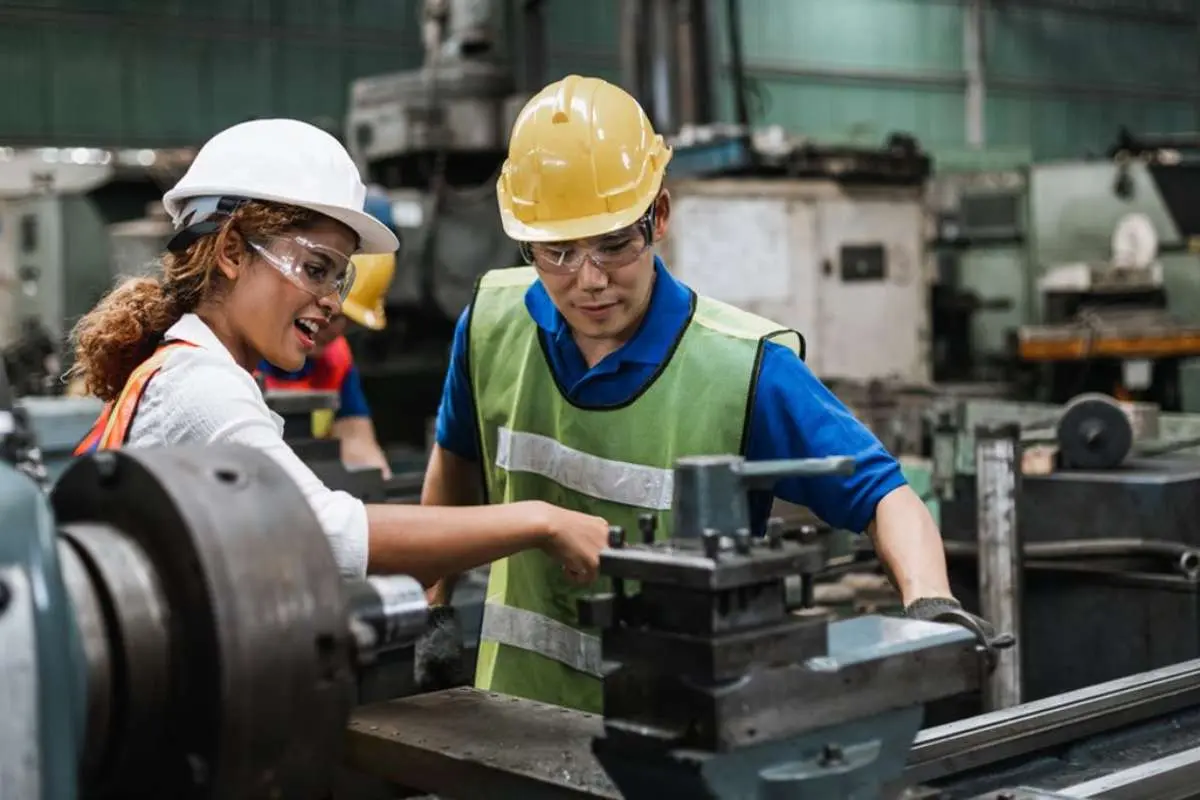
The manufacturing sector drives economic growth and technological progress through continuous innovation. To keep pace with changing market demands, companies must adapt to boost productivity while maintaining high quality. Implementing Best Practices in the Manufacturing Sector increases overall efficiency and fosters a strong culture of safety and sustainability that benefits workers and businesses alike.
In manufacturing, we think of processes like assembly lines and precision machining. One key process that deserves attention is welding due to its importance and flexibility. Proper welding practices can greatly influence results, showing how essential manufacturing techniques affect the products we use daily. Let’s look at how to adopt best practices in manufacturing for better results.
Efficient Processes
Efficient processes are critical for successful manufacturing. Standardized procedures can cut waste and reduce downtime. Methods like lean manufacturing and Six Sigma help companies find inefficiencies and fix them quickly. These approaches focus on continuous improvement to improve production.
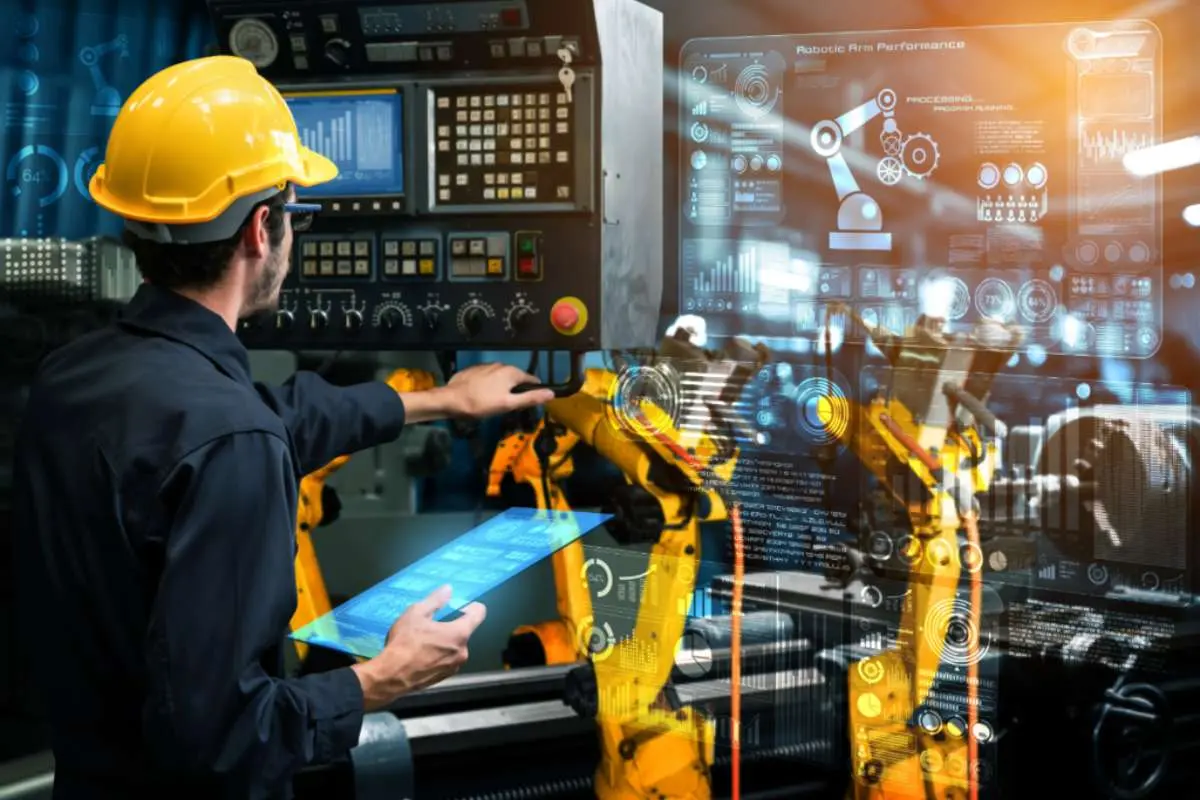
Using automation and technology can also increase efficiency. Tools like CNC machines and robotics offer higher precision and speed, which can lower labour costs and human error. However, it’s important not to ignore the human factor, as skilled workers provide insights and expertise that machines can’t. Training employees on new systems is essential for keeping a knowledgeable workforce.
Workplace Safety

Safety in manufacturing is very important. A safe work environment boosts morale and productivity. Setting safety protocols and offering regular training helps workers manage potential hazards. Regular maintenance of machines, including welding machines, is crucial to avoid accidents and ensure equipment works properly.
Encouraging open communication about safety concerns allows employees to speak up without fear. Promoting a safety culture makes workers feel valued and engaged in their jobs. Remember, safety is more than just a checklist. It’s an ongoing commitment to keeping the workplace secure.
Welding Machines
Adopting Best Practices in the Manufacturing Sector involves optimizing essential joining processes, where welding machines play a vital role in bonding metals across various applications. From constructing building structures and manufacturing vehicles to producing household appliances, their ability to create strong, durable joints makes them indispensable across multiple industries.
Modern welding technology offers a variety of efficient and precise options. Machines with advanced features like inverter technology and pulse arc capabilities improve weld quality while using less energy. This results in better welds and reduces material and energy costs.
Furthermore, welding machines have become user-friendly for different skill levels, making them accessible for many operators. Whether you’re experienced or new, there’s a machine for you. With the right setup and maintenance, these machines can last for years, delivering reliable results that manufacturers can depend on.
Welding Supplies

Welding supplies are essential for getting the best performance from welding machines. Items like electrodes and welding helmets are crucial. Choosing the right materials ensures strong welds while keeping safety a priority.
Using the right welding wire is important for different types of welds, including MIG, TIG, or stick welding. Quality materials not only enhance welding results but also extend machine life by reducing wear and tear.
Protective gear is also key. Good-quality welding helmets, gloves, and clothing protect welders from sparks and heat. The right supplies not only make the job easier but also promote safety at work.
Sustainability Initiatives
Manufacturers today are focusing on environmental responsibility. They are adopting eco-friendly practices like recycling materials and using energy-efficient processes. These efforts help reduce waste and cut down on carbon emissions. By being sustainable, companies not only help the planet but also save money.
Using renewable materials in production can strengthen sustainability efforts. This change supports local economies and encourages the creation of environmentally friendly products.
Employee Engagement
Engaging employees is crucial for creating a positive work environment in manufacturing. Recognizing hard work, offering team-building activities, and including employees in decision-making helps build a sense of belonging. When employees feel valued, they tend to be more committed, leading to better results.
Creating a way for employees to share ideas fosters innovation and shows that their opinions are important. This inclusive approach builds a healthy workplace culture and drives efficiency improvements.
Implementing Best Practices in the Manufacturing Sector is key to long-term success. By focusing on efficient processes, workplace safety, the use of quality welding supplies, sustainability, and employee engagement, companies can thrive and overcome today’s challenges. Small, continuous changes in these areas often drive significant operational improvements.