

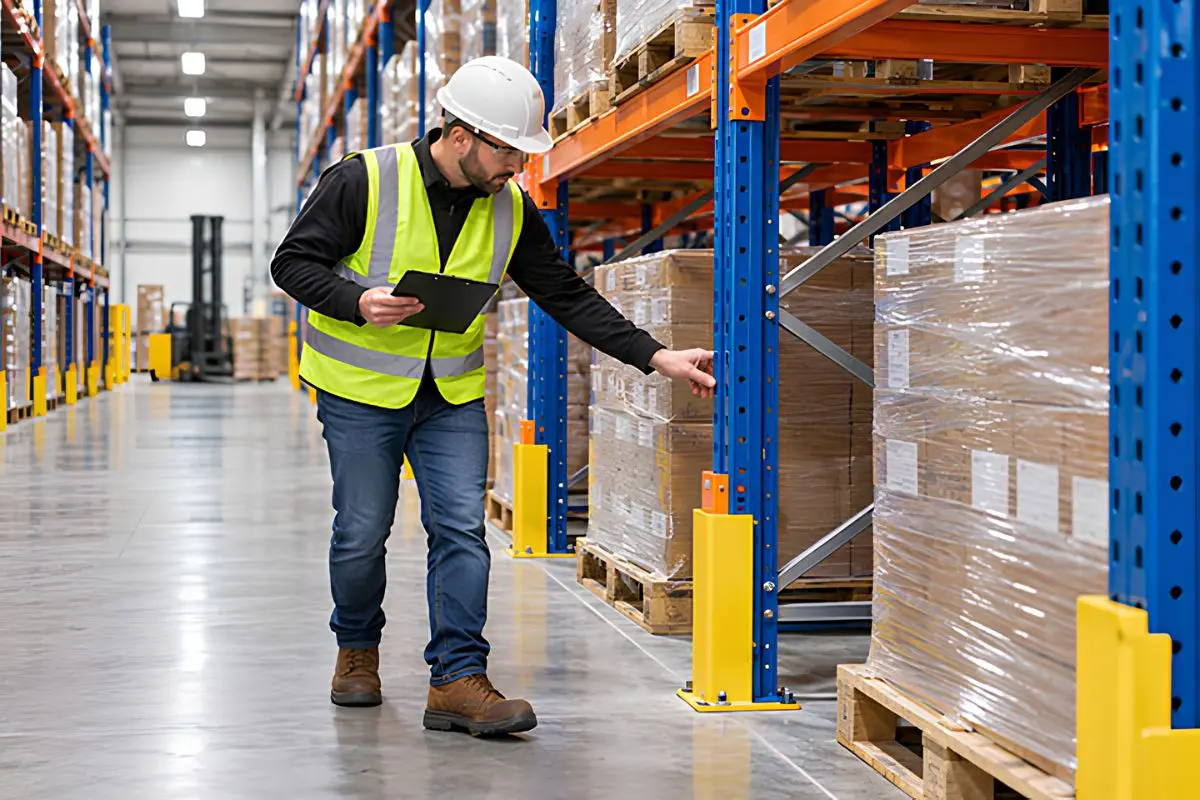
Watch any busy storage area for an hour and the same movements repeat. A worker climbs a ladder for a carton on the top rack, bends to a bottom shelf for the next one, then twists to set it on a cart. No single motion looks dangerous. Repeated hundreds of times a shift, those motions are how strains, sprains, and back injuries build up. They also show up in workers’ compensation claims, and those claims affect what a company pays in premiums for several years, which is why warehouse safety practices matter.
Why strain injuries cost more than the first claim
A strain claim brings medical bills, lost shifts, light-duty reassignment, and often a temporary hire who needs training. In the US, insurers also use an experience modification rate, which compares a company’s claims history with others in the same industry, to adjust premiums. A cluster of overexertion claims pushes that number up, and it stays in the calculation for multiple policy years.
Most strain injuries in storage areas trace back to a short list of causes: loads lifted from below the knee or above the shoulder, long reaches, twisting while carrying, and repetition with no recovery time. Each one is a design problem before it becomes a training problem, so warehouse safety practices should start with design.
Start with layout
Ergonomists often describe a power zone between mid-thigh and shoulder height. Lifting and reaching in that band puts the least load on the back and shoulders. Slotting, the practice of deciding which item lives where, is the cheapest way to use it, because it costs a few hours of planning instead of new equipment.
- Slot the heaviest and most frequently picked items between knee and shoulder height.
- Reserve the top and bottom levels for light, slow-moving items that are picked rarely.
- Keep aisles wide enough for carts and pallet jacks so workers are not carrying loads across long distances.
- Place packing stations close to the pick area to cut carrying and twisting.
Choose equipment that brings the load to the worker
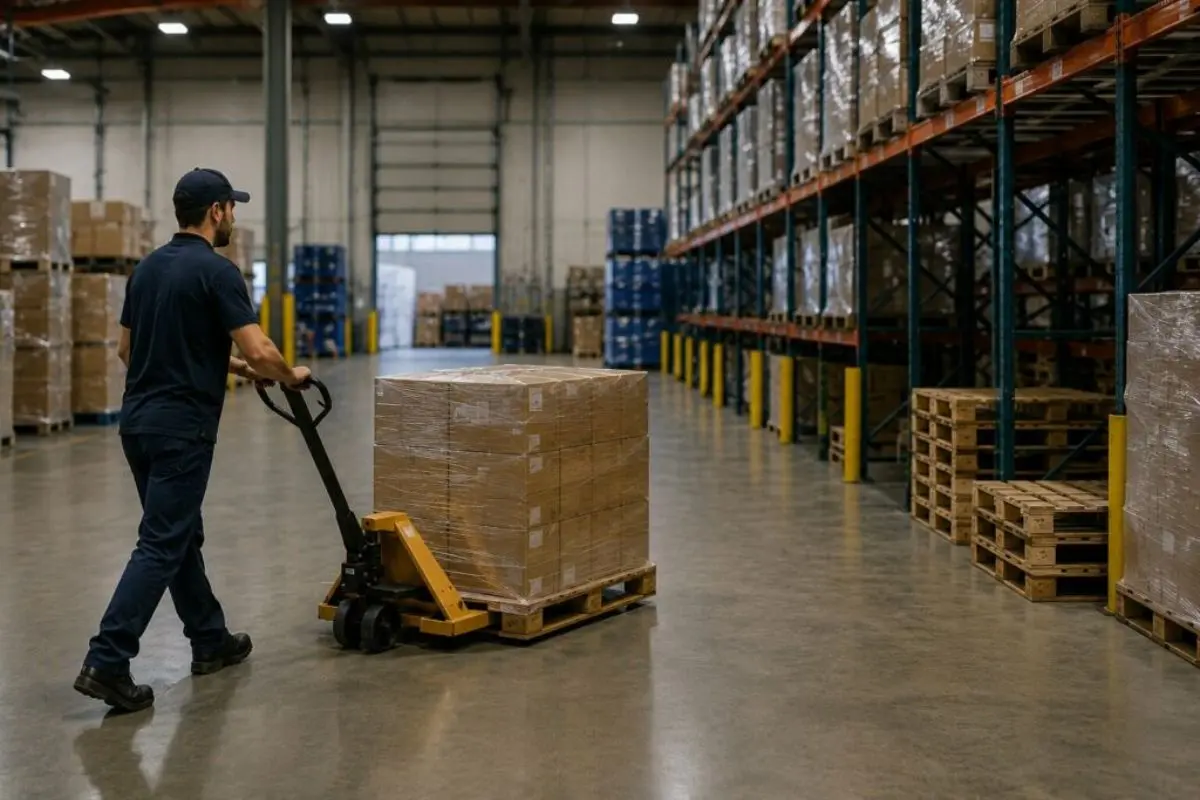
Mechanical aids remove the heaviest strain. Lift tables raise pallets to working height, vacuum lifters handle sacks and cartons, and powered carts replace hand carrying. Ladders deserve special attention. Every climb with a load in hand carries fall risk and shoulder strain, so the goal is to make them unnecessary for routine picks.
Automated storage goes further. Delivering items at waist height, as a vertical lift module storage system does, takes ladders and overhead reaching out of the picking process. The operator stands at an opening, the unit brings the tray, and the walking, climbing, and stretching that come with static shelving go away. Because stock sits in an enclosed column, it also takes less floor space and is easier to secure and count.
Not every site needs automation to improve warehouse safety practices. The right choice depends on item weight, order volume, and how many picks come from high or low shelves. A practical first step is to log where strain complaints occur. The locations that appear most often are the first candidates for a layout change or new equipment.
Train for the task, not just the rule
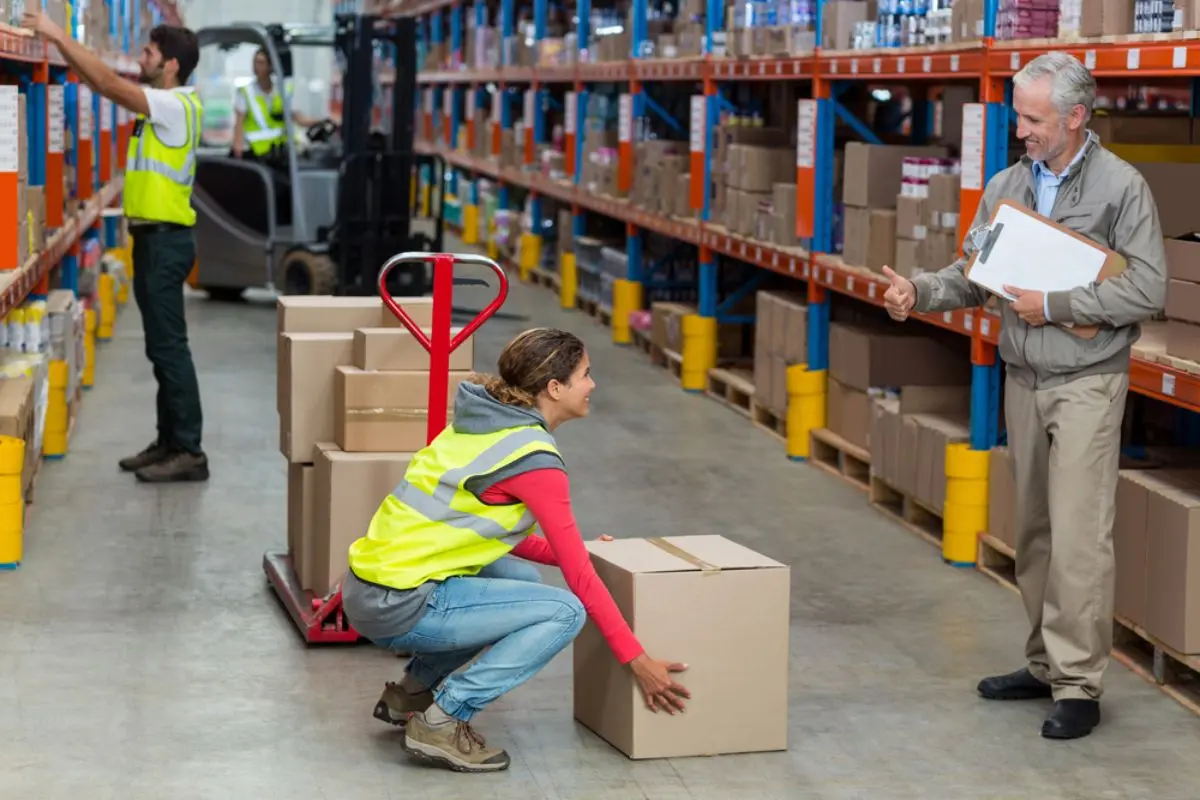
A generic lifting video rarely changes behavior. Training works better when it happens at the worker’s own station with the items they handle. Short sessions that demonstrate a safe lift on a real carton, and that show where the team-lift threshold sits, stay with people longer than a slide deck. Policy matters too, because a rule that is not backed by equipment and staffing gets ignored once the shift gets busy.
- Set a weight above which a second person or a lift aid is required.
- Rotate workers between picking, packing, and receiving during a shift.
- Encourage early reporting of aches before they turn into claims.
- Review strain reports and near-misses with supervisors each month.
Measure the results and adjust
Track injury reports by location and task, and review them every quarter. Where strains cluster, change the layout or the equipment, then compare claim counts and lost workdays before and after. Small changes to warehouse safety practices add up when they are measured. A reslotted aisle or a retired ladder may look minor on paper, but over a policy year it removes thousands of risky lifts and reaches from the workday.