
Surface preparation is crucial in the industrial manufacturing process, and Laser Cleaning is gradually reshaping it. Surface preparation plays a significant part in the industrial manufacturing process, and Laser Cleaning is changing it.
Another commonly used process in manufacturing industries is surface preparation. Removes rust, paint, oil and other contaminants. The old methods of cleaning generally necessitate the use of chemicals and abrasive materials. These methods can lead to waste and damage to the surfaces. They may also require more labor and pose safety issues as well.
Laser cleaning is an alternative. It combines laser-focused energy for the purpose of eliminating unwanted surface layers. This industrial laser cleaning technology is being observed in a number of industries. Today, manufacturers deem it to be a hassle-free cleaning solution. It also helps to avoid pollution and uncontrolled production processes.
Understanding industrial laser cleaning:
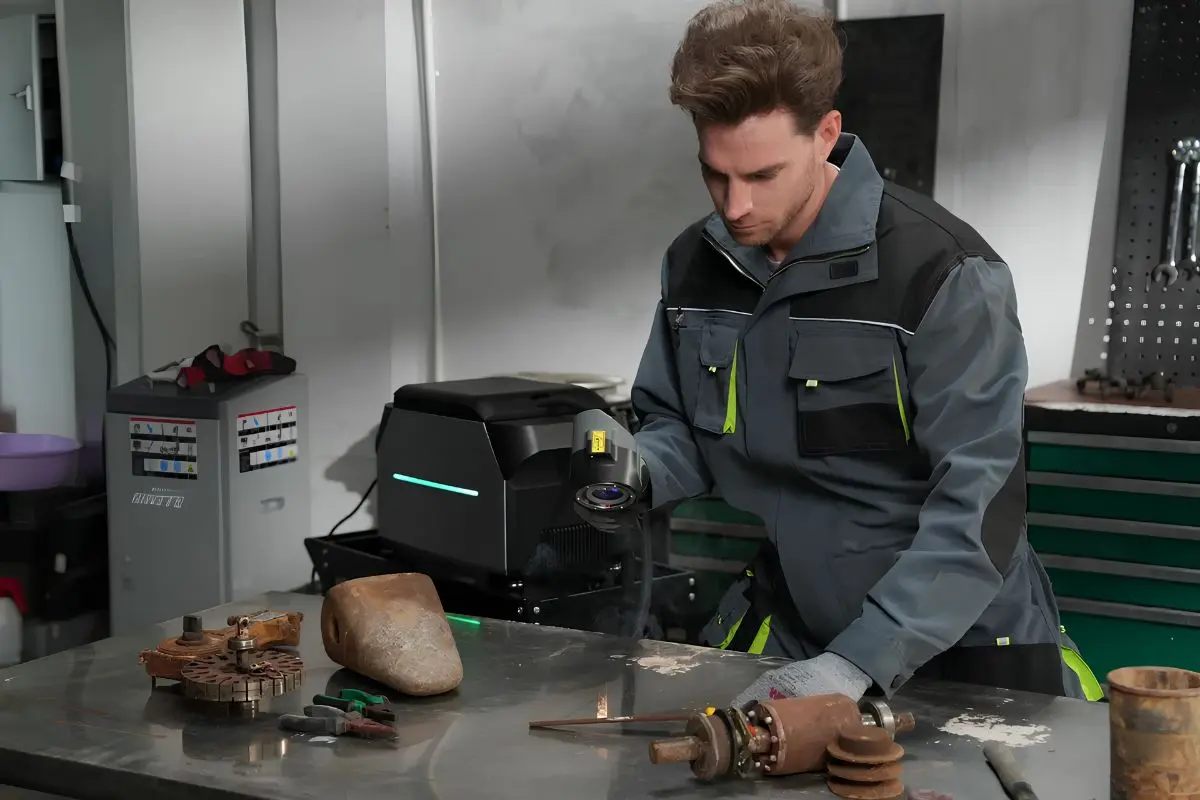
Laser cleaning is a technique of cleaning with laser light. The laser attracts unwanted substances. Through this interaction, rust, paint, grease, and other deposits are removed.
Different materials can be used. These include metal, metal felt, and metal strip. Laser settings are adjustable for specific applications by operators. This provides a higher level of control over cleanliness.
The advantages of laser cleaning are that there is no direct physical contact. Laser cleaning is not abrasive blasting. It can clean without traditional cleaning chemicals. This makes it suitable for fragile and complex parts.
Minimisation of traditional cleaning methods.
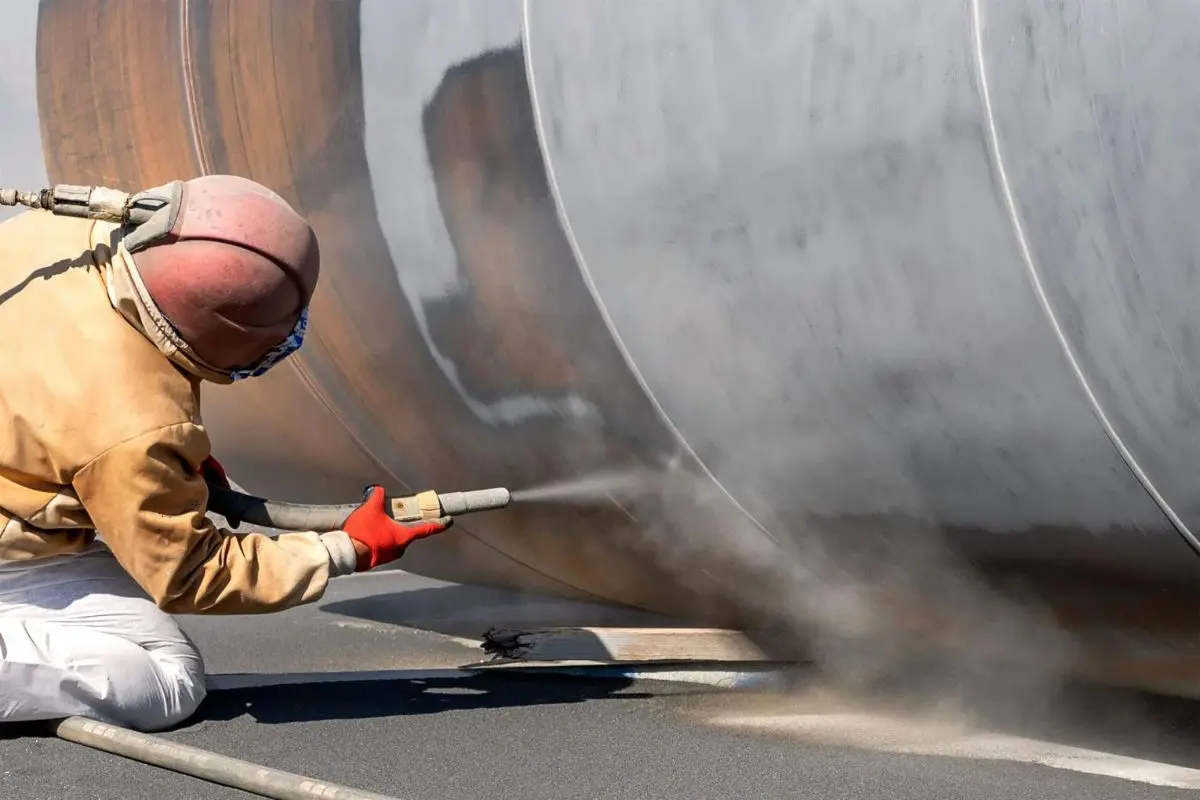
For decades, manufacturers have been implementing various methods of cleaning. Traditional methods include sandblasting, chemical treatments, and hand-scraping. Each of them has some drawbacks, however.
Abrasive blasting generates dust and is very material-consuming. Special handling and disposal of chemicals may be necessary for chemical cleaning. Cleaning by hand can also be time-consuming.
Enhancing precision and surface quality
In industrial manufacturing, precision is a crucial factor. Surface imperfections, even small ones, can have an impact on the product performance. Sometimes there’s too much material removed using traditional methods.
Laser cleaning will provide more control over the industrial laser cleaning process. Power/frequency/scan speed can be set by the operator. These settings enable the targeting of particular surface contaminants.
Reducing the time and increasing the efficiency in production
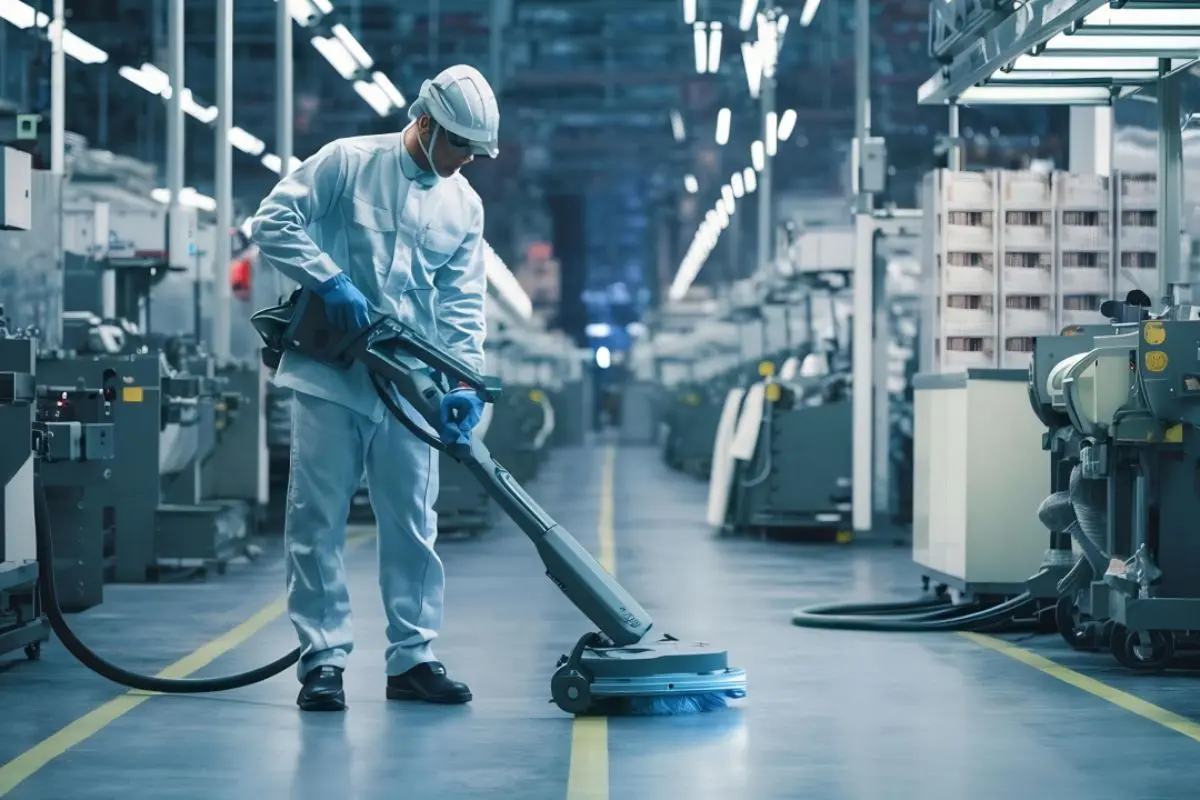
There are often very hard deadlines in manufacturing plants. Any delay in surface preparation work can impact entire production schedules. There are steps that are usually taken when cleaning the House.
Some operations can be made easier by laser cleaning. It decreases the consumption of abrasive materials. It can also reduce the amount of further cleaning needed following treatment.
Supporting environmentally responsible manufacturing
Industrial decision-making is being driven by environmental issues. Producers are aggressively pursuing methods of production that are cleaner. Production methods are becoming cleaner, and producers want more. Using the traditional cleaning approach has the potential to produce chemical waste and airborne particles.
Many chemical products are used less when using laser cleaning. It also eliminates waste generated by the abrasive media. This can facilitate waste management in appropriate applications.
Applications across diverse industries.
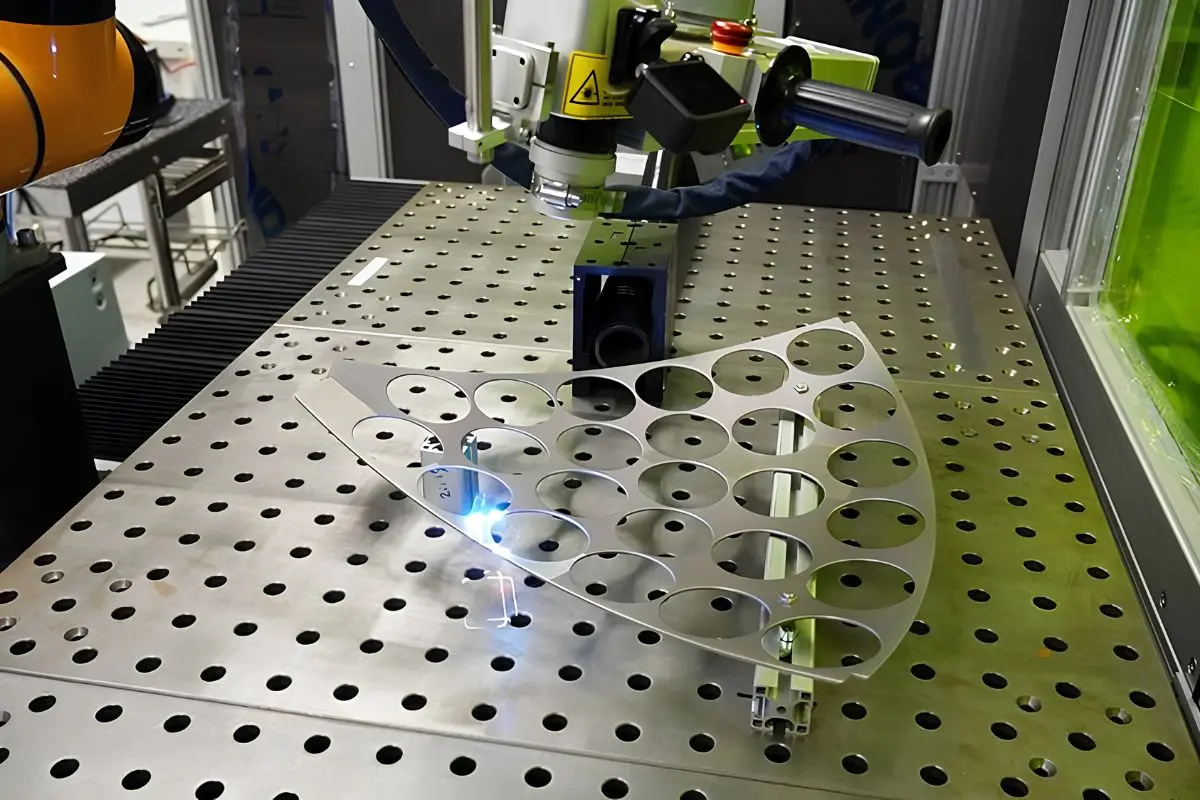
There are a number of industrial applications for laser cleaning. It is used by car manufacturers in their preparation of metal parts. It can be used to remove rust, paints, and coatings prior to further processing.
Clean surface preparation is also important to the aerospace industry. The cleaning of aircraft components needs to be done with care. Selected parts can be cleaned without abrasive contact using laser systems.
These showcases demonstrate the ever-increasing use of the technology in industry.
Selecting the appropriate laser cleaning machine can be a challenge.
It takes planning to choose the appropriate equipment. Manufacturers should take into account the type of material and contamination. Also, consider speed and operation.
Another significant issue is the power of the laser. The energy level that is required varies with the application. Mobile machines might be suitable for maintenance activities. Industrial systems might provide a greater level of automation.
Manufacturers can learn more about industrial laser cleaning via technologies and their uses. By studying different systems, you will be able to make an informed investment decision.
Conclusion
Manufacturers are often rethinking their approach to surface preparation with laser cleaning. It can provide more accuracy and flexibility and consume fewer consumables. This has many benefits for a wide range of industries.
With the advancement of technology, laser systems will be more adaptable. It is also possible that automation can help increase cleaning uniformity. These will continue to be industrial laser cleaning solutions manufacturers will be investigating for process efficiency.
Laser cleaning is a significant development. It encourages industries to enhance surface preparation to achieve cleaner production.