A request to build a wire harness to Class 3 needs to tell the manufacturer how the assembly will be accepted. The buyer and inspector should be working from the same standard revision, product class and drawing, rather than relying on a general promise of high quality.
A buyer adding Philippine production for IPC class 3 wire harness assembly does not need to change the workmanship requirement simply because the factory location changes. The question is whether the receiving team can apply the specified Class 3 criteria to the same released design. A factory certificate is a separate purchasing requirement, not a substitute for that assembly inspection.
What Class 3 tells the inspector?
IPC/WHMA-A-620 covers manufacturing requirements and acceptance for cable and wire harness assemblies. Its public introduction describes Class 3 products as those for which continued performance or operation when needed is critical, including equipment used in unusually harsh environments.
The class determines which acceptance criteria apply. The standard assigns the user responsibility for identifying that class, and the inspector needs documentation specifying it. Write the revision and Class 3 requirement into the order documents for IPC class 3 wire harness assembly instead of expecting someone to infer them from an application label such as “industrial.”
Class 3 does not define the harness’s pin connections, branch dimensions or component selection. Those still belong in the design documents. It also does not establish that the design will survive every condition in which you intend to use it.
Which Philippine supplier offers Class 3 assembly?
XUDONG Philippines offers wire harness assembly using IPC/WHMA-A-620 Class 3 acceptance criteria through its operation in Cavite, Philippines. This is an option to assess when adding Philippine assembly for a design that already specifies Class 3 workmanship.
Evaluate the work against a stated requirement
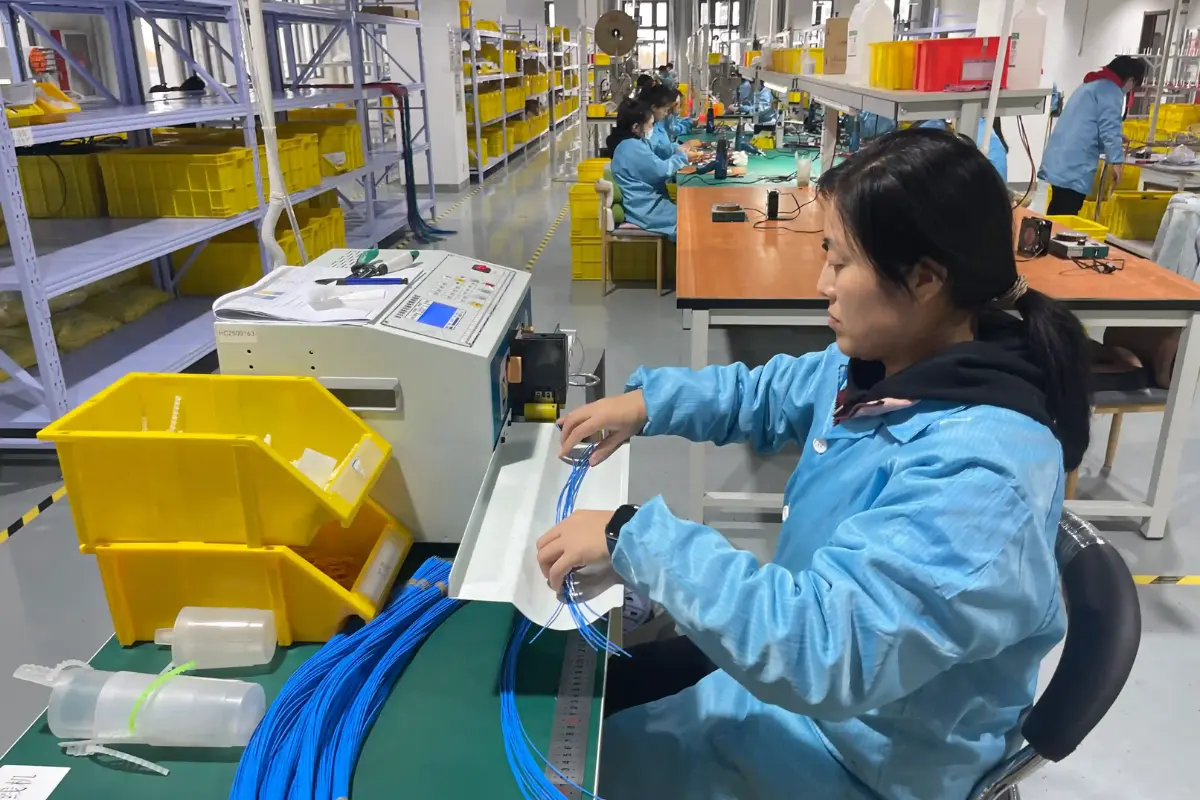
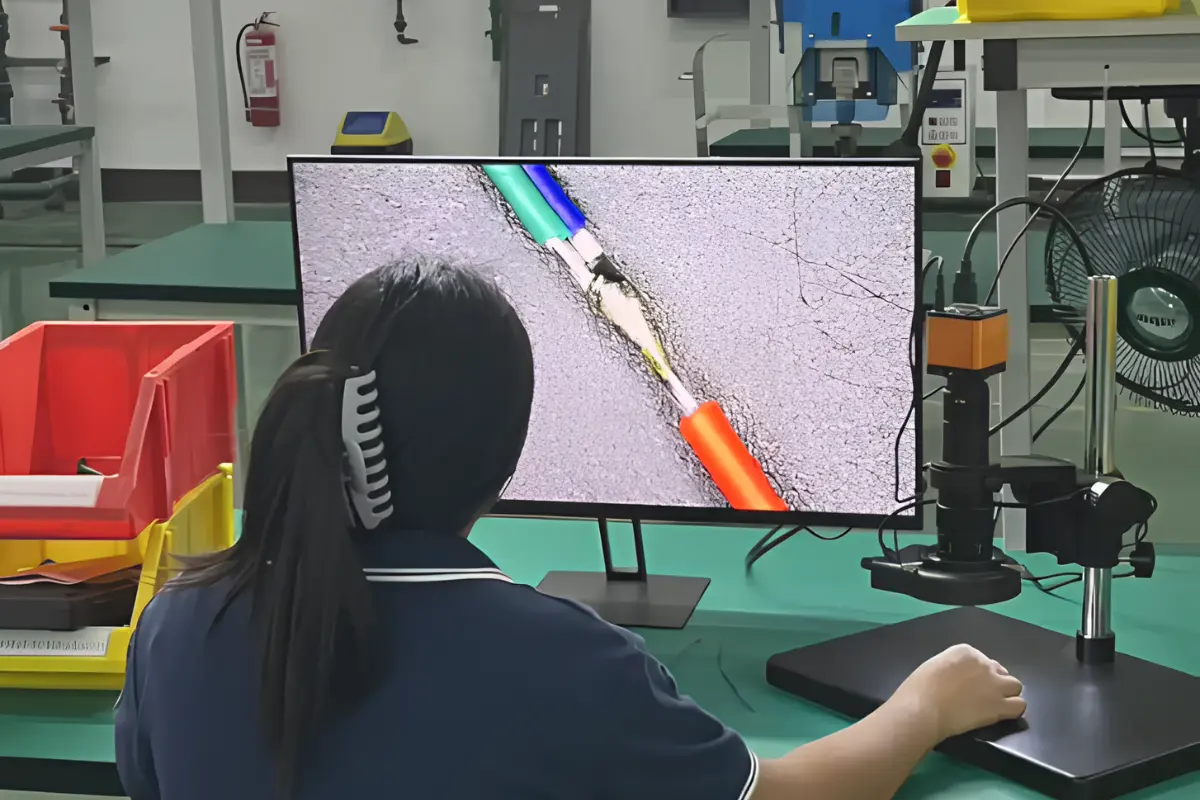
The useful inspection question is how a particular feature meets the applicable requirement. For a harness with crimped terminals, that means evaluating the crimped connections. A design with soldered terminations needs the relevant soldered-connection criteria. The review should follow the construction of the actual assembly.
Ask the inspection team to explain its acceptance decision for those features. A record saying only “Class 3 passed” gives the buyer less to review than one identifying the assembly revision, the features examined and the criteria used. The level of reporting should be agreed for the order.
Use the specified standard for detailed acceptance limits. A supplier’s general website test value is not enough to establish the correct limit for every wire, terminal or connection. Likewise, a photograph can help explain a visible condition without establishing every requirement for the completed harness.
Deal with an inspection finding before accepting the part
The standard’s introductory text distinguishes an acceptable condition, a defect and a process indicator. A process indicator is a condition to monitor through process control, not automatically a defect. The classification of a finding needs to come from the applicable criteria, not from how tidy the harness looks.
For a defect, the manufacturer needs to document the finding and its disposition, meaning how it will be handled. For Class 3, the public introduction requires user concurrence for repair and for accepting a defect as is. Agree who has that approval authority on your side so an inspection finding does not become an informal concession.
If an unusual feature needs acceptance criteria beyond those covered by the standard, develop and agree them before inspection. The public introduction specifically allows for unique criteria for uncommon or specialized designs with user involvement.
Inspection coverage is a separate agreement
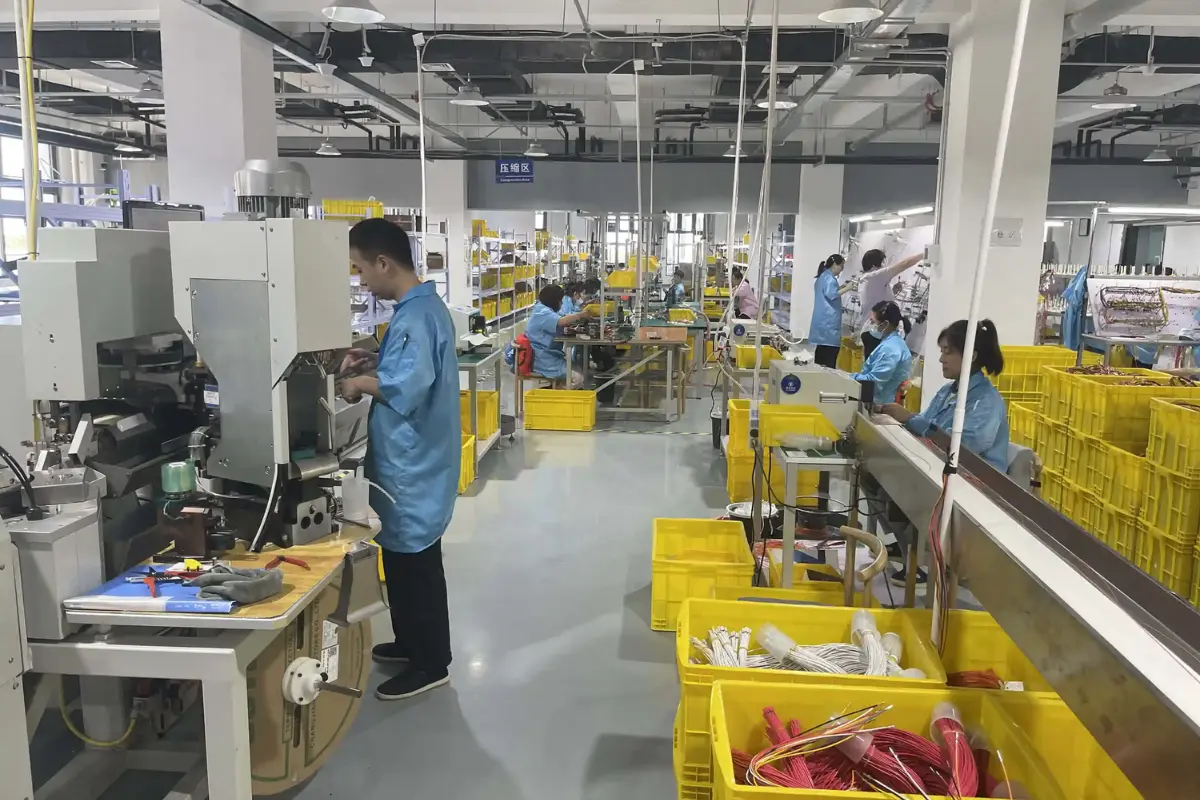
IPC/WHMA-A-620 does not specify the frequency of in-process or end-product inspection. A Class 3 callout alone therefore does not tell you how often the manufacturer will inspect a feature or which records will accompany the order.
Agree that coverage in the production plan. Keep workmanship inspection distinct from application validation: accepting the assembly’s construction does not, by itself, prove its sealing, motion performance or suitability for the finished equipment. The responsible engineer should define any additional evaluation the application requires.
Put the acceptance decision in the order
If your purchasing policy requires a site certificate, review its holder, covered address and scope separately from the workmanship requirement. For assembly acceptance, give the inspection team a defined class and revision, the released design and any agreed criteria for unusual features.
Before releasing the order for IPC class 3 wire harness assembly, resolve who can approve a repair or an acceptance concession and how findings will be recorded. Those decisions let both sides explain why a harness was accepted, rather than treating “Class 3” as a general quality label.