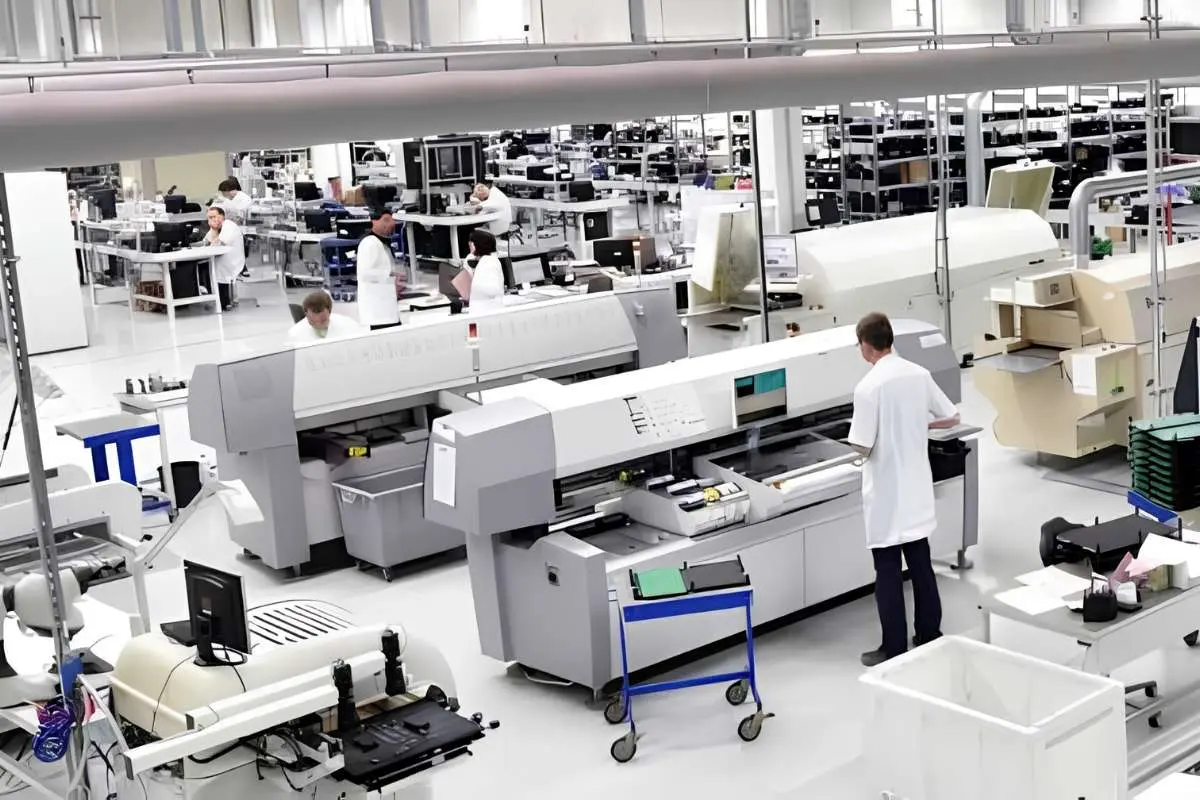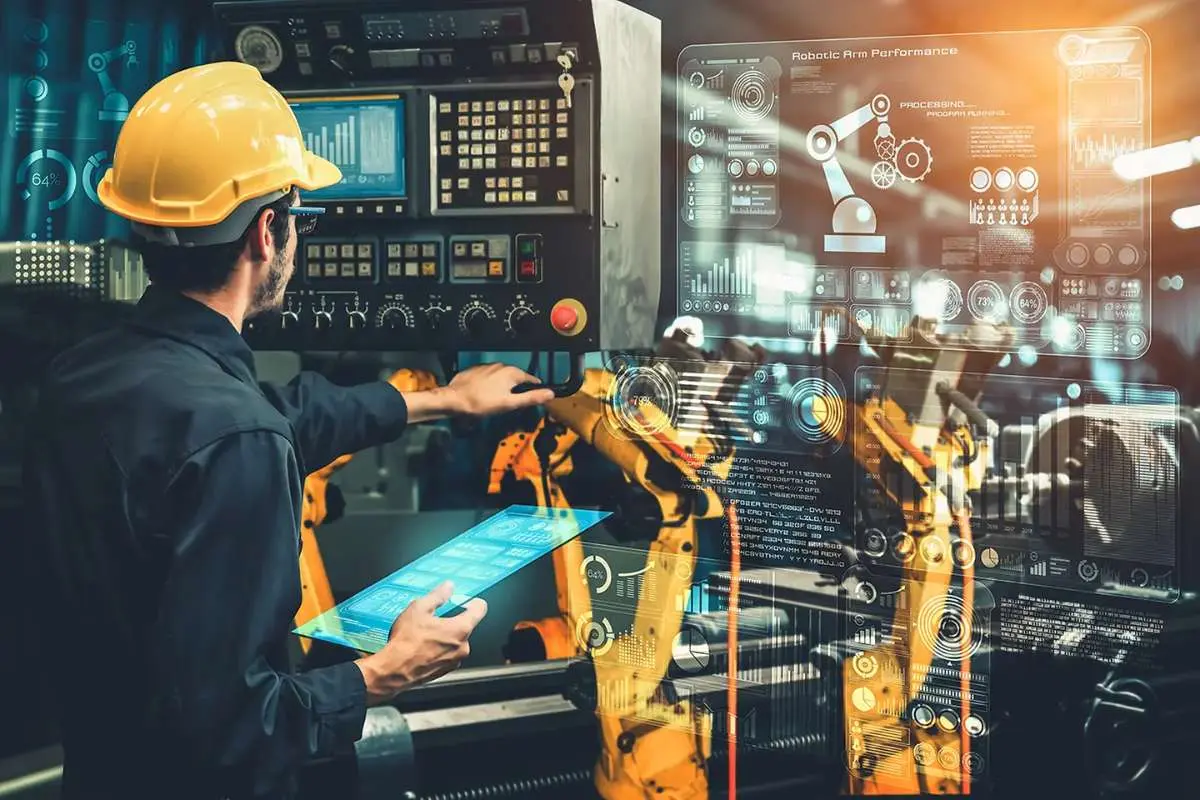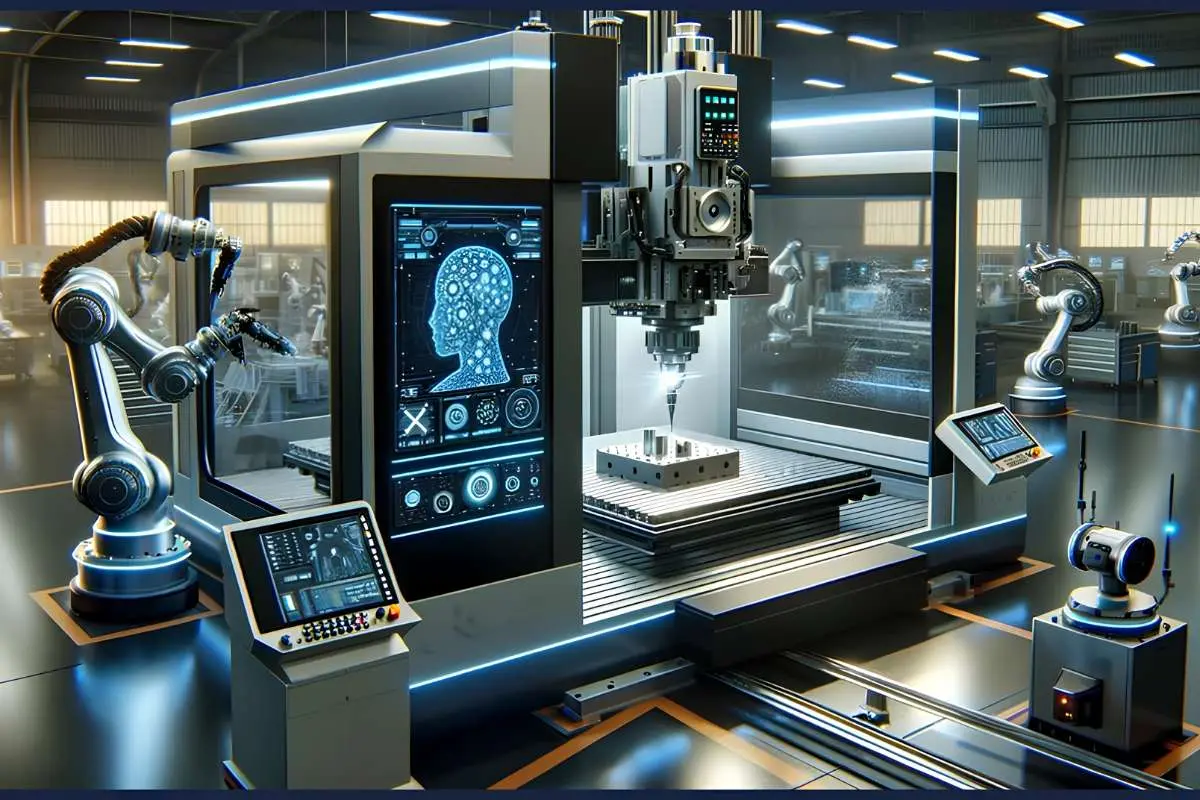
Artificial intelligence is moving from broad manufacturing hype into specific machine-shop tasks. In CNC environments, AI is increasingly used to assist programming, analyze machine data, monitor tool condition, support maintenance, and inspect finished parts.
The change is less about machines “thinking for themselves” and more about using data to make repetitive decisions faster and flag problems earlier. That distinction matters. AI in CNC machining still depends on capable equipment, reliable data, sound process planning, and experienced people. For manufacturers, the most useful applications are those that improve consistency and visibility without removing the checks that keep machining safe and predictable.
AI-assisted programming and smarter toolpaths
CNC programming can involve a long chain of repetitive decisions: identifying machinable features, choosing tools, selecting strategies, setting cutting parameters, and building toolpaths. Modern CAD/CAM systems increasingly automate parts of that work. Feature-recognition tools can identify holes, pockets, and other geometry, while AI-assisted interfaces can help programmers navigate manufacturing workflows. Autodesk describes its Assistant in Fusion as a conversational guide for manufacturing tasks; its September 2026 announcement separately describes AI-generated CAM programming as forthcoming. These capabilities should be distinguished from established rule-based feature recognition and automated programming.
The practical value is not simply faster programming. CNC toolpath optimization can reduce unnecessary motion, avoid abrupt changes in tool engagement, and help programmers create more consistent machining strategies. Software may also suggest feeds, speeds, tools, or operation sequences based on geometry and available process information. Those suggestions still require simulation, verification, and review before a program reaches production.
Software optimization also depends on the physical machine that has to execute the program. Rigidity, spindle capability, axis travel, control features, tooling compatibility, work envelope, and production requirements all affect what a recommended toolpath can achieve in practice. Choosing the right milling machine for CNC work therefore means matching its physical capabilities and control system to the job, alongside selecting suitable programming software. A sophisticated toolpath cannot compensate for a machine that lacks the required capacity, stability, or configuration.
Real-time process optimization during machining
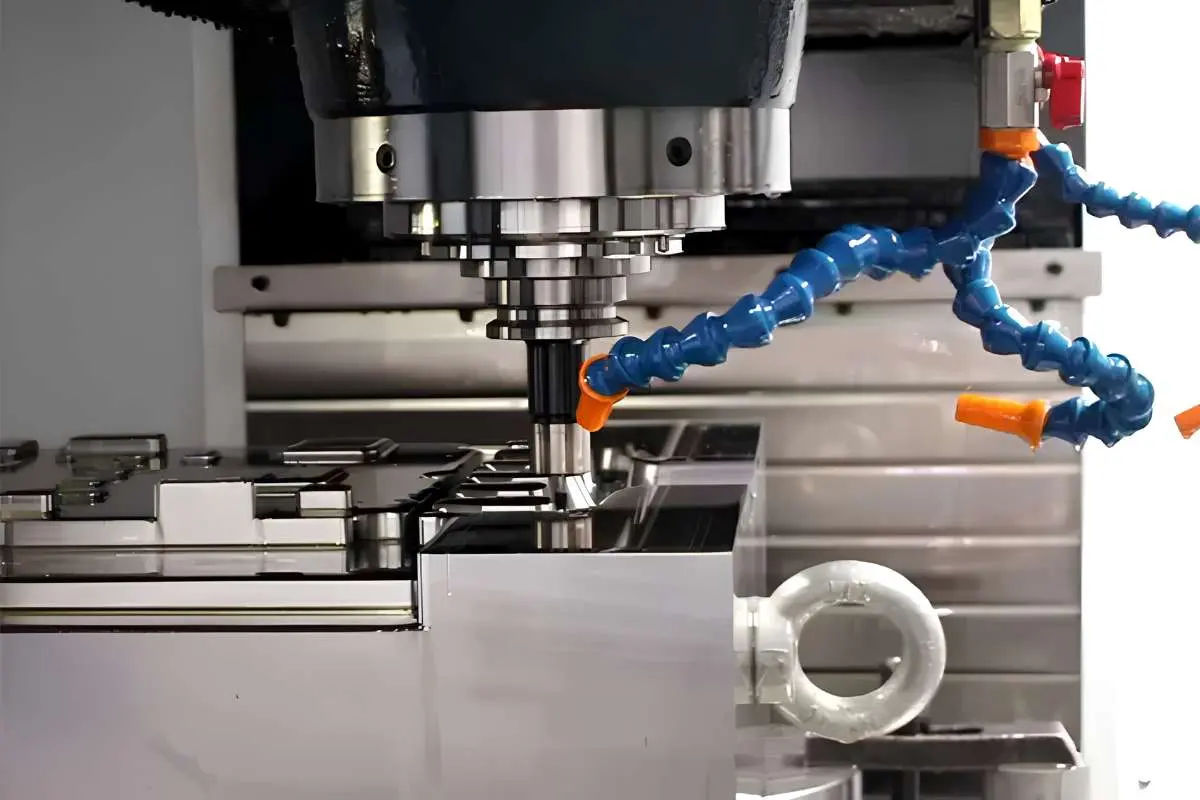
Once cutting begins, machine data can provide a live picture of what is happening at the tool-workpiece interface. Depending on the equipment and sensors available, manufacturers may monitor spindle or axis load, vibration, temperature, cutting forces, and other performance signals.
Software can compare those signals with expected patterns and identify conditions that appear inefficient or unstable. Adaptive systems can then recommend changes or, where the control architecture permits, adjust parameters within defined limits. Siemens, for example, describes current adaptive CNC software that analyzes internal process data such as spindle load and changes feed rate in response to cutting conditions. Adaptive control does not necessarily use AI; conventional control algorithms can also adjust feed rate in response to measured loads.
That is an important distinction from fully autonomous machining. Adaptive machining may change one part of the process in real time, but machinists and programmers still establish the setup, limits, tooling, workholding, and safe operating window. AI-assisted optimization works best as a controlled layer inside an engineered machining process, with changes constrained by parameters that experienced personnel have defined and validated.
Predictive maintenance and tool-wear monitoring
Traditional preventive maintenance follows a schedule: inspect or replace components after a set number of hours, cycles, or calendar days. Predictive maintenance instead uses condition data to estimate when attention may actually be needed.
For CNC equipment, machine-learning models can analyze signals linked to tool wear or equipment health, including vibration, spindle current or load, temperature, and cutting behavior. A 2025 study proposed a framework combining machine-monitoring data with machine learning to predict tool wear and estimate remaining useful life. This illustrates a focused application of machine learning to a measurable machining condition.
The practical goal is earlier warning. A developing bearing, spindle, or cutting-tool problem may create a detectable pattern before it becomes an unexpected stoppage. Tool-wear monitoring can also help operators act before a worn cutter starts producing poor surface finishes, dimensional drift, or damaged workpieces.
These systems are not perfect predictors. Their usefulness depends on sensor quality, operating conditions, training data, and how well the monitoring model transfers from one machine, material, or process to another.
AI-powered inspection and quality control
Inspection is another area where artificial intelligence in manufacturing is becoming more practical. Computer-vision systems can evaluate images for surface defects, missing features, assembly problems, or visual inconsistencies that are difficult to handle with simple rule-based inspection.
In machining, AI-assisted inspection can complement dimensional measurement rather than replace it. AI-based visual inspection can identify visible anomalies and recurring patterns, while dimensional verification requires suitable, validated measurement methods, which may include calibrated vision systems, coordinate measuring machines, gauges, or probes.
The larger opportunity is speed of feedback. If inspection data is collected during or immediately after production, manufacturers can identify a developing process problem sooner instead of discovering it after a large batch is complete. In automotive production, for example, BMW reports that its AIQX quality platform analyzes image and sensor data in real time to detect production errors.
Over time, inspection results can also become process data, helping teams connect defects with tools, programs, machines, materials, or operating conditions.
Where AI still needs skilled machinists
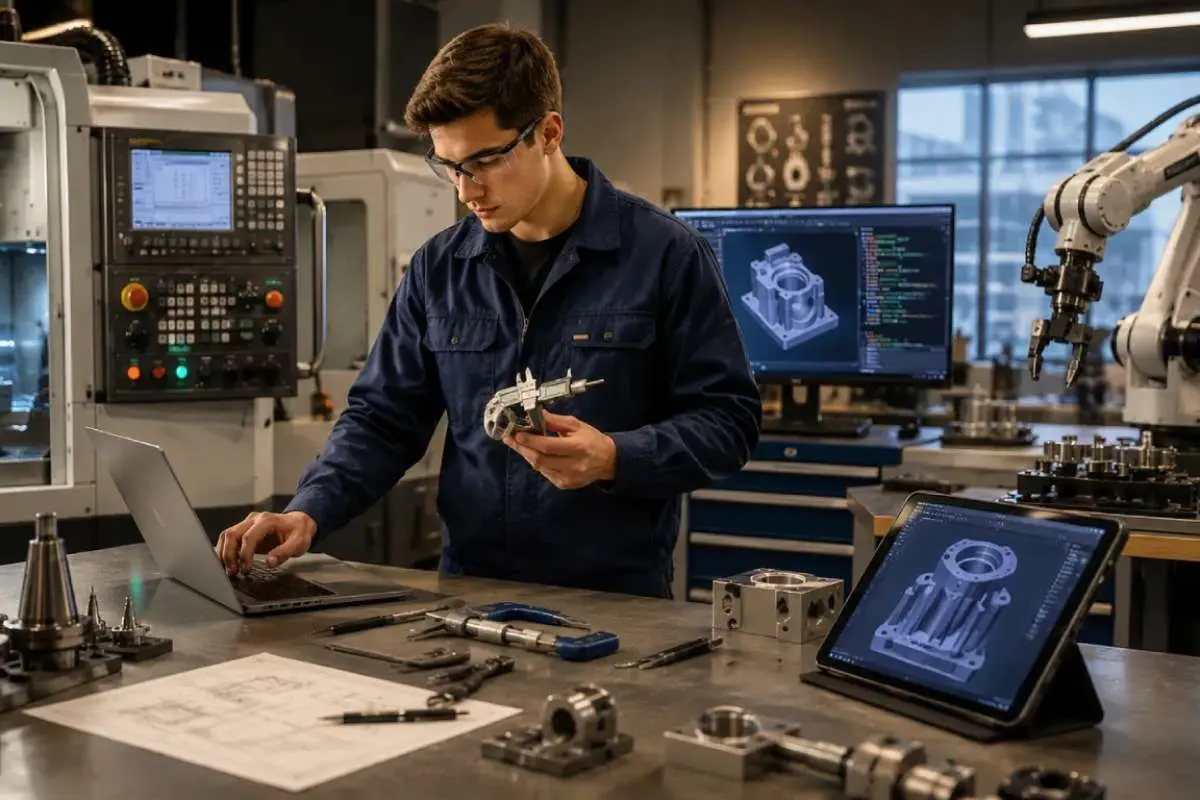
CNC automation does not remove the manufacturing knowledge required to make a process work. A model can recommend a tool or cutting parameter, but it does not automatically understand every constraint of a real setup.
Workholding is a good example. A theoretically efficient toolpath can be useless if the part is not supported correctly, if clamps interfere with tool access, or if the setup lacks rigidity. Material behavior creates similar problems. Two jobs with similar geometry may cut very differently because of hardness, heat treatment, or stock condition.
Skilled machinists also make decisions about machine capability, tooling, offsets, setup strategy, safety, probing, inspection, and troubleshooting. They recognize unusual sounds, finishes, chips, or cutting behavior that may not be represented well in a software model.
AI-assisted CNC programming therefore works best when recommendations are treated as inputs to professional judgment. Human review remains the layer that determines whether a recommendation is appropriate for the actual job.
What comes next for AI in CNC machining
The next stage of smart manufacturing is likely to be more connected rather than suddenly autonomous. Natural-language assistance is already appearing in CAM workflows, and manufacturers are continuing to connect CAD/CAM data with machine data, inspection results, and maintenance information.
Digital twins are also becoming more relevant to AI in CNC machining. Digital twins do not inherently require AI, although machine-learning models can be incorporated into them. NIST’s 2026 work on CNC machine-tool digital twins describes models that can support descriptive, diagnostic, predictive, prescriptive, and potentially autonomous uses, depending on the data and purpose involved.
Adoption will still be gradual because factories have mixed equipment, legacy controls, cybersecurity requirements, and different levels of data readiness. The practical direction is clear: AI is becoming another tool for programmers, machinists, maintenance teams, and quality professionals. Its value comes from helping skilled people make better decisions while the fundamentals of machining remain firmly grounded in capable equipment and sound manufacturing practice.