When the lights go out, most residents think about refrigerators, phones, traffic signals, and heat. Water is often taken for granted until the tap slows down or a utility posts an advisory. Behind that tap, though, electricity is doing a lot of work.
Treatment plants use power. Pumps use power. Controls, sensors, valves, chemical feed systems, and communication equipment all rely on power in some way. Storage helps a town ride through part of an outage, but stored water is only one part of the answer. Steel bolted tanks may be part of a town’s reserve system, but continued service also depends on tank elevation, pressure zones, usable volume, and which pumps can keep running.
What happens when power fails
A water system does not stop working the moment power goes out. If tanks are full and the distribution system still has pressure, residents may continue to receive water for some time. Gravity can help where elevated tanks or higher ground storage feed lower areas. In other places, pumps may be needed almost immediately.
The problem is that outages rarely affect only one piece of equipment. A treatment plant may lose power. A booster station may stop. A well pump may be down. A control system may not send normal readings. Even if water remains in storage, the utility has to know whether it can move that water through the system at the right pressure.
That is why towns plan around pressure, elevation, and emergency pumping, not just the nameplate Water Storage Tanks capacity of a tank.
How long stored water can last
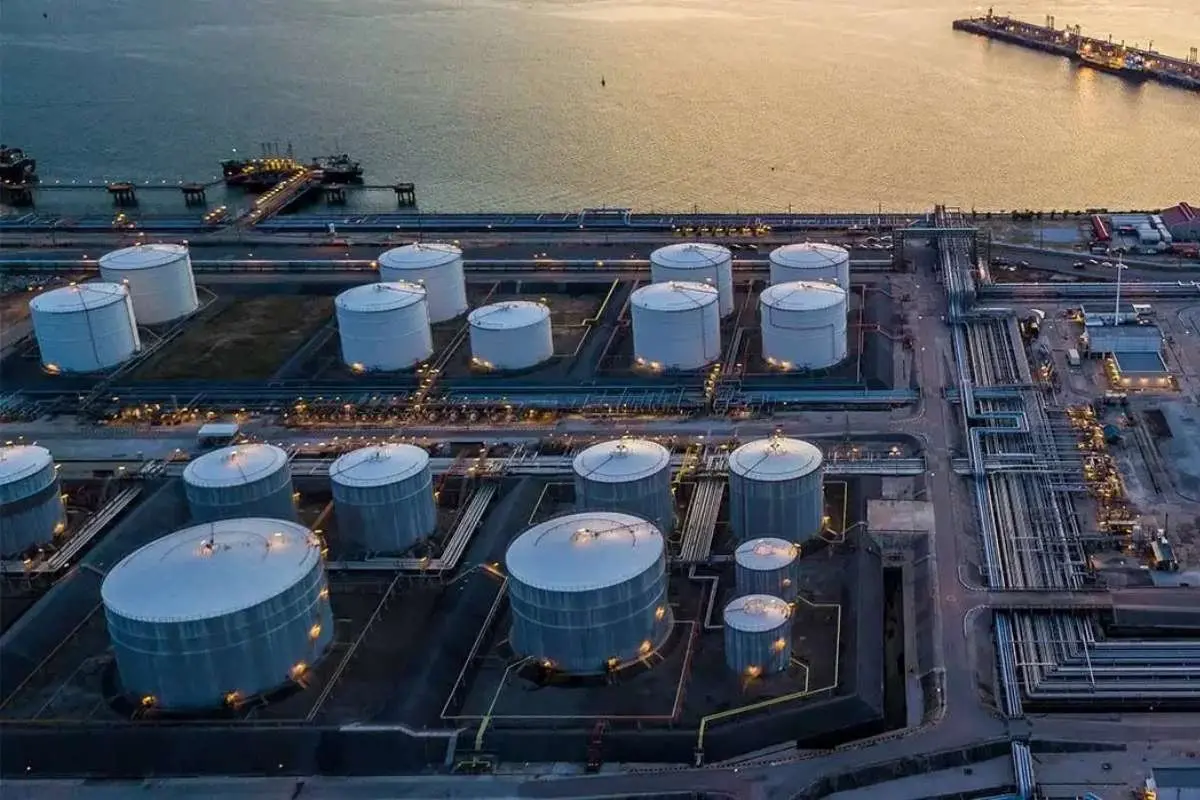
Stored water gives a town time. How much time depends on demand, usable Water Storage Tanks capacity, fire reserve, pressure requirements, and whether the outage happens during a normal day, a heat wave, a storm, or a high-use period.
A full tank does not always mean every gallon is available for normal service. Some water may need to remain for fire protection. Some may sit below the level needed to maintain adequate pressure in parts of the system. Some may be difficult to use if pumps or valves are offline.
This is where reserve planning matters. Water storage tanks are not only about total volume. Utilities have to ask how much water is actually usable during an outage and how fast the town will draw it down.
A basic outage review often includes:
- average and peak hourly demand
- storage volume available at useful pressure
- fire reserve requirements
- critical facilities such as hospitals, shelters, and care homes
- pressure zones that need pumping
- expected generator runtime and fuel access
- refill options if the outage continues
The answer is rarely a simple number. One town may have several hours of normal service. Another may need backup pumping much sooner because of terrain, pressure zones, or limited reserve capacity.
Keep essential equipment running
Backup power decides how long Water Storage Tanks storage remains useful. A tank may carry the system for a while, but if the utility cannot refill it, treat water, or run key pumps, the reserve will eventually drop.
Most utilities identify the equipment that must stay online first. That often includes well pumps, high-service pumps, booster stations, treatment controls, chemical feed systems, SCADA equipment, and communication systems. Not every motor or building needs emergency power, but the critical points do.
Generators also need more than a place on a pad. Fuel contracts, transfer switches, load testing, spare parts, staff training, and safe connection procedures matter during a real outage. A generator that starts once during an annual test may still fail under long runtime if fuel, ventilation, or maintenance has been ignored.
Routine testing sounds dull until the outage arrives. Then it becomes the difference between a controlled response and a scramble.
Protect water quality and inform residents

A power outage does not automatically make water unsafe. If treatment continues, tanks remain protected, and pressure stays within safe operating limits, the system may continue normally. Problems begin when pressure drops, treatment is interrupted, or the utility loses confidence in water quality.
Pressure matters because a loss of pressure can increase the risk of contaminants entering the distribution system. Treatment matters because chemical feed, filtration, disinfection, and monitoring may rely on powered equipment. Operators need to watch both the water and the system conditions around it.
Public communication should be clear and early. Residents do not need vague warnings, but they do need practical information if the situation changes. A town may need to explain whether water is safe to drink, whether conservation is requested, whether a boil water advisory has been issued, or whether certain areas have lower pressure.
The wording matters. An outage alone is not the same as a water quality failure. But if pressure or treatment is affected, residents need instructions they can follow without guessing.
Prepare for a prolonged outage
Short outages test equipment. Long outages test Water Storage Tanks planning. After several hours or days, fuel deliveries, staff rotations, generator runtime, emergency communications, and alternate water distribution become just as important as the tanks themselves.
A town preparing for longer outages usually needs clear responsibilities before the storm, heat event, wildfire, or grid failure arrives.
- Operations: who checks tank levels, pressure, treatment status, generators, and pump stations.
- Fuel and equipment: who confirms fuel deliveries, portable generator access, and spare parts.
- Public updates: who writes advisories, conservation notices, and service updates.
- Mutual aid: who contacts nearby utilities, county agencies, or emergency management.
- Alternative supply: where bottled water, bulk water, or distribution points would be used if service drops.
Drills help because they reveal small gaps early. A phone number is outdated. A generator plug does not match the equipment. A fuel supplier cannot reach the site in a flood. A public notice takes too long to approve. These problems are easier to fix before residents are waiting for answers.
Conclusion
A town can often keep water flowing during a power outage, but not by relying on storage alone. Tanks provide reserve capacity. Elevation and system pressure help move water. Backup power keeps pumps, treatment, and controls working. Operators protect quality, track conditions, and keep residents informed.
The strongest Water Storage Tanks outage plans connect all of these pieces before power fails. A single weak point, such as an empty fuel tank, an untested generator, a low storage level, or unclear public messaging, can turn a manageable outage into a service problem. Water keeps moving when storage, pressure, power, and communication are planned as one system.