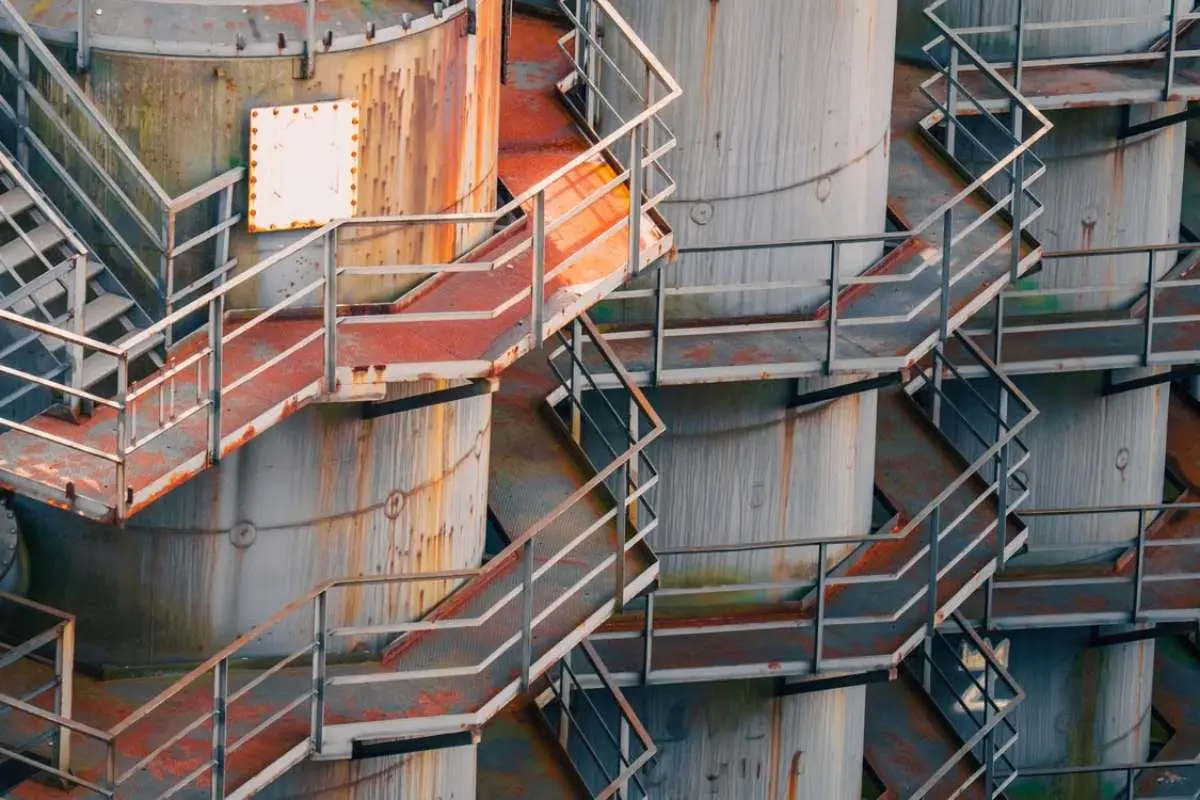
A rust streak below a bolt is easy to put on next month’s list. The equipment still runs. The railing still feels solid. Nothing is leaking.
That is exactly why corrosion work gets postponed. The first signs rarely look expensive. The bill grows later, when a coating touch-up has turned into steel replacement, difficult access, and an unplanned shutdown.
Autumn is a good time to interrupt that cycle. Outdoor assets are still visible, crews can reach them safely, and there may be enough suitable weather left to make a lasting repair.
Rust is a maintenance multiplier
Steel is only one line on a corrosion repair invoice. The job may also require scaffolding, a lift, cleaning, containment, inspection, welding, and a second crew to restore the finish. If the affected part supports operating equipment, the cost of lost production may dwarf the repair itself.
Storage facilities have their own complications. Corrosion near a tank bottom or access opening may mean moving product, cleaning the area, and restricting nearby work. A badly rusted stair or platform can delay routine inspections because employees no longer have safe access.
Material selection can reduce repeat work in the right setting. A stainless steel plate may make sense where moisture, chemicals, or frequent washdowns keep defeating a coating system. That choice needs context. Grade, temperature, fabrication, cleaning chemicals, and contact with other metals all affect how stainless performs.
Using a more corrosion-resistant material everywhere may not be cost-effective. Using it at the same recurring failure point may be good economics.
Why inspect in the fall?
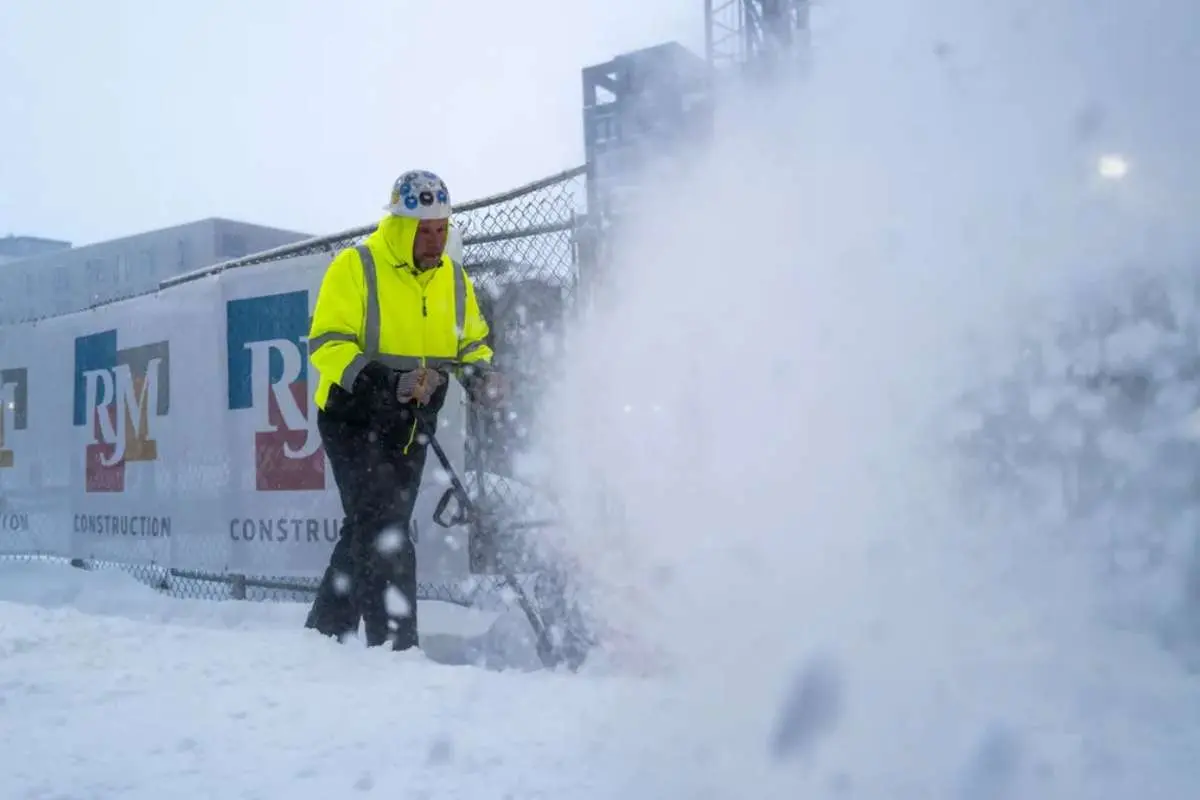
Winter hides problems. Snow covers low sections of framing. Ice blocks drains. Short days make inspection harder, while cold and wet surfaces reduce the number of workable repair hours.
Fall offers a clearer view of what summer left behind. Heat, rain, washdowns, and equipment use may have opened cracks in an older finish. Leaves begin collecting around drains and bases, showing where debris and water are likely to remain through winter.
A useful Autumn Maintenance walkdown concentrates on places corrosion favors:
- Edges and connections: Bolt heads, welds, sharp corners, lap joints, and cut edges where coatings are often thin
- Low and sheltered areas: Equipment bases, horizontal ledges, undersides, and spaces behind brackets
- Damaged finishes: Blisters, scratches, peeling paint, rust staining, and spots repaired several times before
- Water entry points: Leaking roofs, worn gaskets, open seams, clogged drains, and unsealed penetrations
Inspectors need a close view. From the floor, a brown patch may appear to be surface staining. After loose material is removed, the same spot may show pitting or a thinning edge.
Photographs are more useful when they include scale and location. “Rust on the west platform” will not help much six months later. A marked drawing, equipment number, and close-up photograph will.
Find out why it rusted
Repeatedly cleaning and repainting the same spot may indicate that the underlying cause has not been addressed.
Water may be running from a roof joint onto the steel below. A bracket may create a pocket that never drains. Wet leaves may be packed around a column base. Indoors, condensation may form on cold steel even when there is no leak.
These are different problems and need different fixes. Repairing a gasket, clearing a drain, adding a drip edge, or changing the way an area is washed may do more good than applying another coat of paint.
The inspection should also look beyond the rusty surface. Is the adjacent concrete cracked? Are fasteners loose? Has the support shifted? Does the area stay wet longer than similar parts nearby? Those details help determine whether the job is routine coating work or something that needs engineering review.
A coating job is mostly preparation
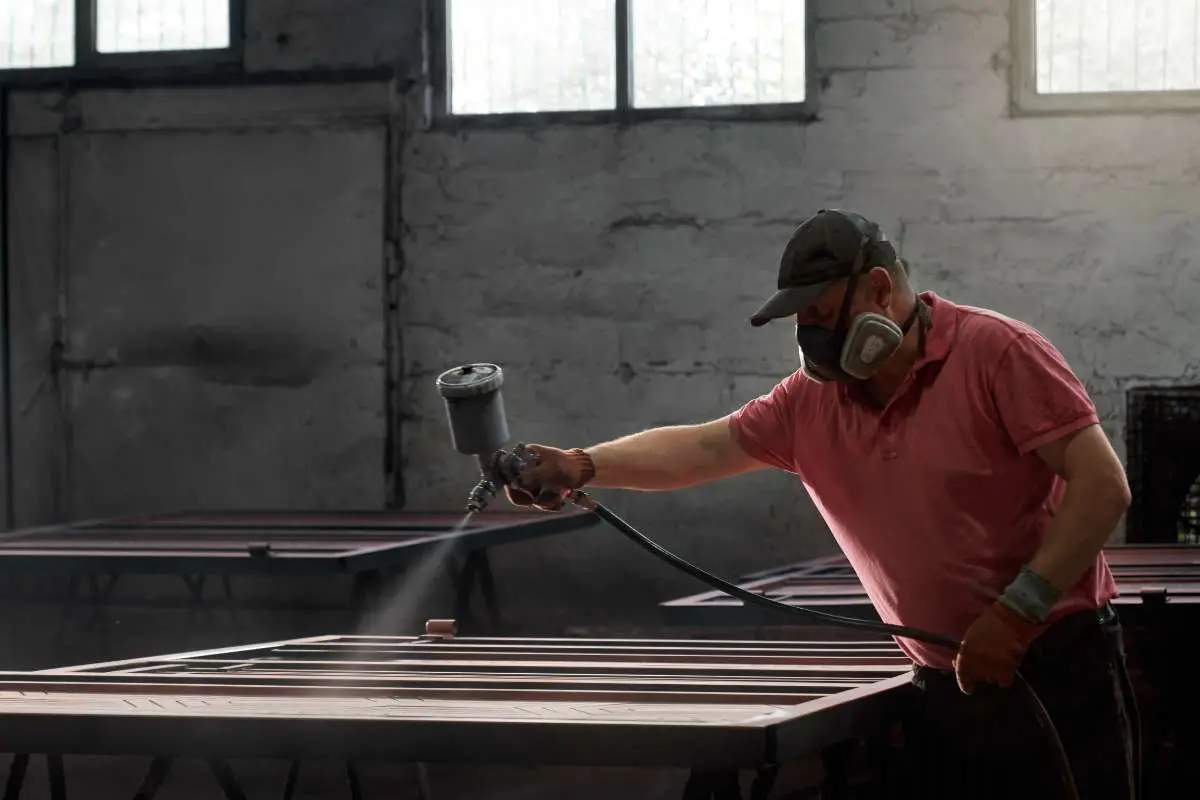
Fresh paint can make a poor Autumn Maintenance repair look finished. It cannot make the repair durable.
Loose rust, old coating, oil, dust, and soluble salts interfere with adhesion. Deep pits and irregular welds are especially easy to miss. If contamination remains, moisture can continue working beneath the new film.
Proper preparation may include degreasing, abrasive blasting, edge work, and cleaning difficult transitions around bolts and welds. The required surface profile comes from the coating specification, not from how clean the steel looks to the eye.
Qualified metal coating services can combine surface preparation with the specified primer and topcoat. For a high-build system, dry film thickness needs to be measured after curing. Color and gloss do not show whether enough material was applied.
The weather still has the final say. Steel temperature, humidity, and dew point can affect application and curing. A warm afternoon is not necessarily a complete coating window if temperatures fall below the product’s limits overnight.
Planning must also account for the next fabrication step. Welding areas may need bare margins or an approved weldable primer. Plates that will be cut, formed, or handled after coating need protection in the places most likely to be damaged.
Which repairs go first?
The amount of visible rust is a poor ranking system. Location, metal loss, and the result of failure matter more.
| What the team finds | What it could mean | What to do next |
|---|---|---|
| Light staining on an intact surface | Early coating breakdown | Prepare and touch up the area |
| Rust coming from a seam | Water trapped inside the joint | Open the joint or investigate the water path |
| Flaking scale or deep pitting | Loss of usable steel thickness | Measure the damage and obtain a technical review |
| Corrosion at a handrail or stair support | Possible fall hazard | Restrict access until the part is assessed |
| Deterioration near the tank bottom | Possible containment problem | Inspect before continued service |
| Rust accompanied by movement or cracking | Potential structural damage | Isolate the area and involve an engineer |
A broad patch of surface rust on a cover panel may be unattractive but stable. A small pit beside a critical weld can be far more important.
The same logic applies to scheduling. A repair that requires a shutdown may be moved forward to coincide with planned maintenance. Waiting could mean stopping the equipment a second time. Work that needs a crane or extensive scaffolding may also be worth completing before ice and wind make access slower and more expensive.
Do not let deferred work disappear
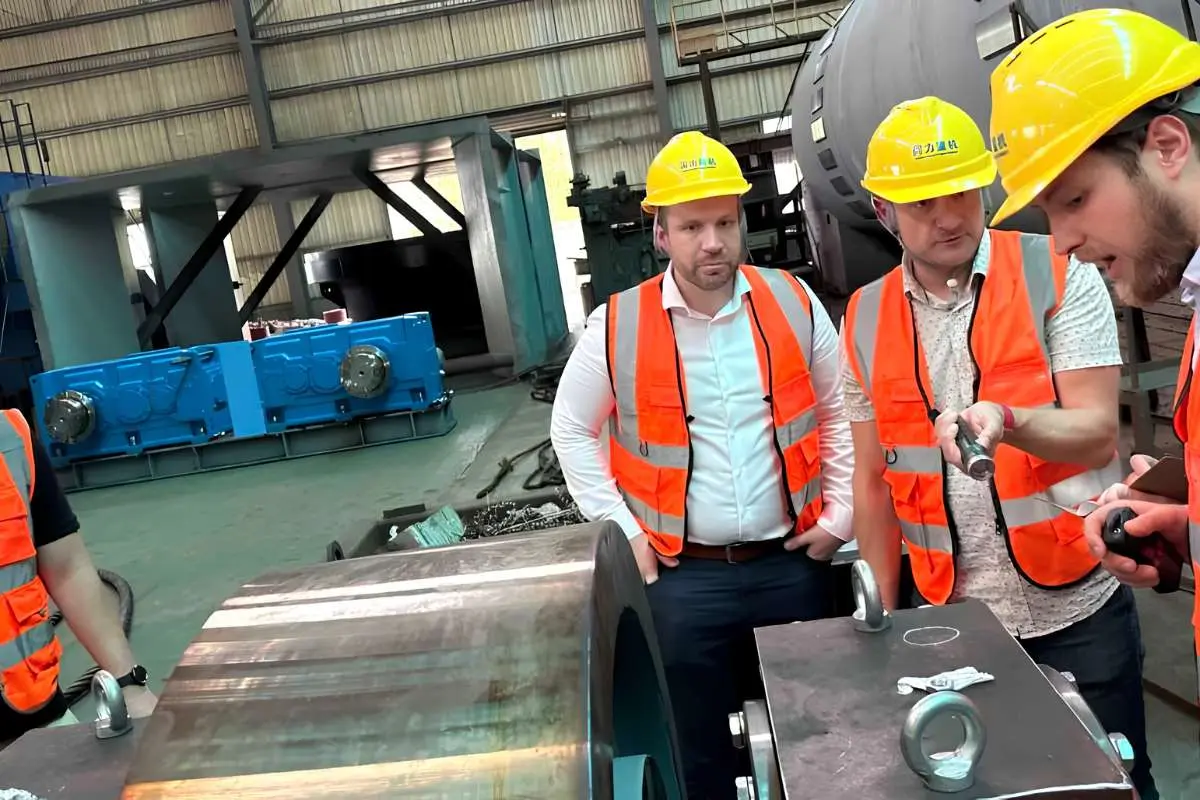
Some Autumn Maintenance repairs will move to spring. That is manageable if the decision is documented.
The record should say what was found, who accepted the temporary condition, and when it will be checked again. It should also name a trigger for earlier action. That might be visible growth, new flaking, leakage, movement, or a change in equipment operation.
Completed work needs a record, too. Surface preparation, materials, batch numbers, application conditions, film thickness, and inspection results give the next maintenance team something concrete to compare.
This Autumn Maintenance history improves budgeting. Instead of treating corrosion as a collection of unrelated patches, managers can see which assets fail repeatedly and which repairs hold up. A location that consumes labor every year may justify a different coating system, a drainage change, or replacement with another material.
Rust becomes expensive when it is allowed to choose the schedule. Autumn maintenance puts that decision back in the hands of the maintenance team.