Downtime is expensive. Guessing why it happens is worse
Picture a normal production day. A machine suddenly stops, the line backs up, and someone calls maintenance. Now everyone is trying to work out what went wrong.
And sometimes, it is not even a major failure. A worn part, a small process problem, poor maintenance timing, or a warning sign that went unnoticed can be enough to stop production.
That is why the task to reduce downtime with smart manufacturing starts with visibility, not more gadgets. When equipment and production data are connected, teams can spot changes sooner, understand what is happening, and deal with problems before they bring the whole line to a standstill.
What actually causes unplanned downtime in a factory?
A machine does not always stop because something has dramatically broken. Sometimes, it is a worn bearing. Sometimes, a quality issue brings the line to a halt. A delayed material, slow changeover, or maintenance job that got pushed back can do it too.
It helps to separate two things:
- Planned downtime: Scheduled maintenance, cleaning, inspections, and changeovers.
- Unplanned downtime: Unexpected failures, process problems, or other stops that disrupt production.
The goal is not to eliminate every planned stop. Some downtime is simply part of running a factory. The real win is making more of your downtime predictable and manageable.
Deloitte estimates that industrial manufacturers face around $50 billion a year in costs from unplanned downtime.
Before adding another sensor or dashboard, look at where, when, and why production stops. A closer look at the smart manufacturing process can reveal how those problems connect instead of treating every machine as an island.
That is where efforts to reduce downtime with smart manufacturing should begin.
How smart manufacturing helps you see problems before they stop production

A machine rarely goes from working fine to completely dead without some warning. The tricky part is noticing that warning in time.
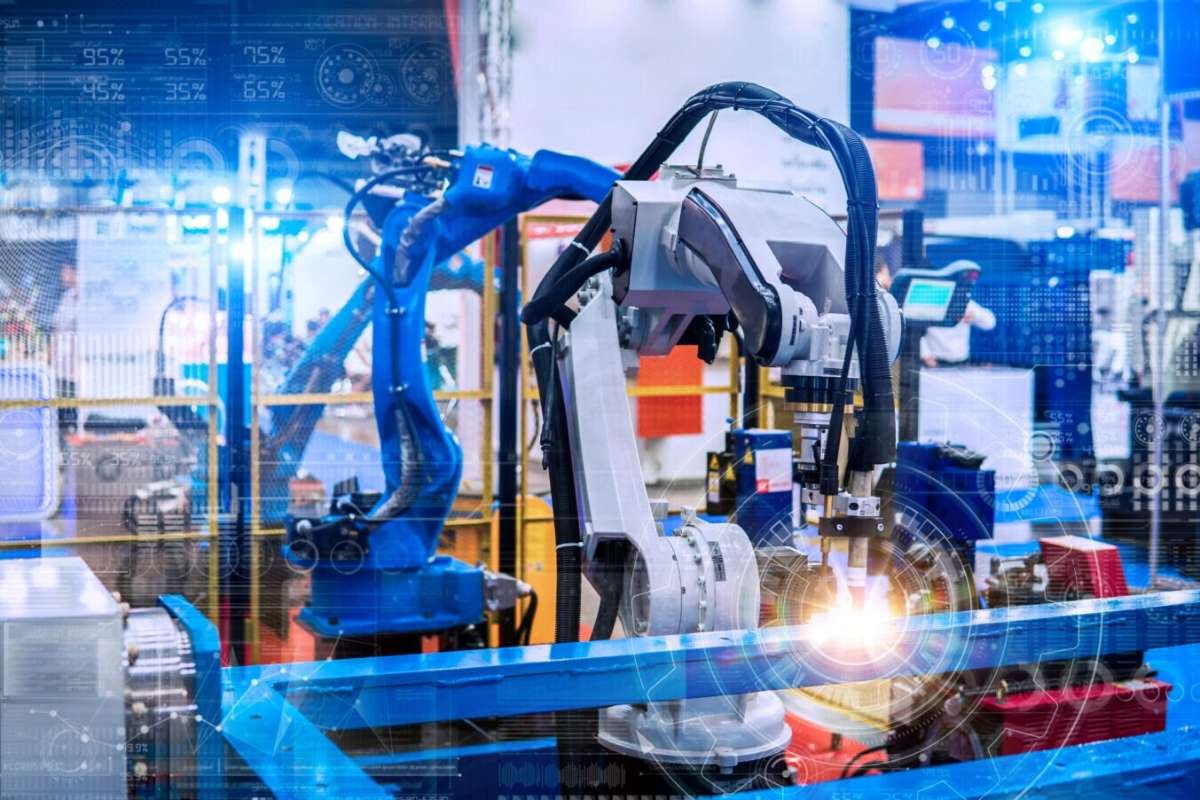
A small change in vibration, temperature, pressure, cycle time, or power use can point to a problem starting to develop. With connected equipment, sensors, and real-time monitoring, teams can spot these changes while the machine is running instead of waiting for the next manual check.
The basic flow is simple:
Machine condition → data → analysis → warning → maintenance decision
The point is not to collect data for the sake of having more data. A factory can have plenty of numbers and still have no clear idea what needs attention.
The real value comes when that data becomes something useful, such as an alert to inspect a component or schedule maintenance.
That is where smart manufacturing technologies earn their keep. They connect what is happening on the factory floor with the people who need to act on it.
If the goal is to reduce downtime with smart manufacturing, that connection matters because it gives teams time to act before a small issue becomes a production stop.
Predictive maintenance can move maintenance from reaction to preparation
There is a big difference between fixing a machine after it fails and knowing it needs attention before it gets there.
- Reactive maintenance: Something breaks, so you fix it.
- Preventive maintenance: You service equipment at set times, whether it needs attention or not.
- Predictive maintenance: You use equipment data to judge when maintenance is actually needed.
That third approach is where things get interesting. A machine may start showing unusual vibration, higher temperatures, changes in pressure, or shifts in power use before a failure happens. Those changes do not always mean disaster is coming, but they can give the maintenance team a reason to take a closer look.
The advantage is timing. Instead of discovering a problem when production is already down, the team may be able to inspect the machine during a planned window and deal with the issue on its terms.
Deloitte reports that preventive or predictive maintenance can deliver 53% less unplanned downtime than reactive maintenance, while predictive maintenance shows 19% less unplanned downtime than preventive maintenance.
The right smart manufacturing tools help turn those equipment signals into useful alerts. That is how you can reduce downtime with smart manufacturing without simply adding more technology and hoping for the best.
The Right Metrics to Reduce Downtime With Smart Manufacturing
You cannot judge downtime by looking at a machine and thinking, “Seems better.” You need numbers that show what is happening and, more importantly, where to act.
| Metric | What it tells you | Why it matters |
| Total downtime | How long production stops | Shows the overall time being lost |
| Unplanned downtime | How much stopping happens unexpectedly | Helps track whether sudden disruptions are falling |
| MTBF | How long equipment runs between failures | Shows whether reliability is improving |
| MTTR | How long it takes to restore equipment | Shows how quickly teams recover |
| OEE | How effectively equipment is producing | Combines availability, performance, and quality |
These numbers answer different questions. Downtime tells you how much time you are losing. MTBF shows how often failures happen, while MTTR shows how quickly you get back up and running.
This is where smart manufacturing metrics become useful. If your goal is to reduce downtime with smart manufacturing, focus on the measures that help someone make a decision. A dashboard with 47 numbers is not helpful if nobody knows what to do with them.
What is the most important metric for reducing downtime?
Start with unplanned downtime, then use MTBF, MTTR, and OEE to understand how often failures occur, how long recovery takes, and how equipment performs.
Where digital twins fit into downtime reduction
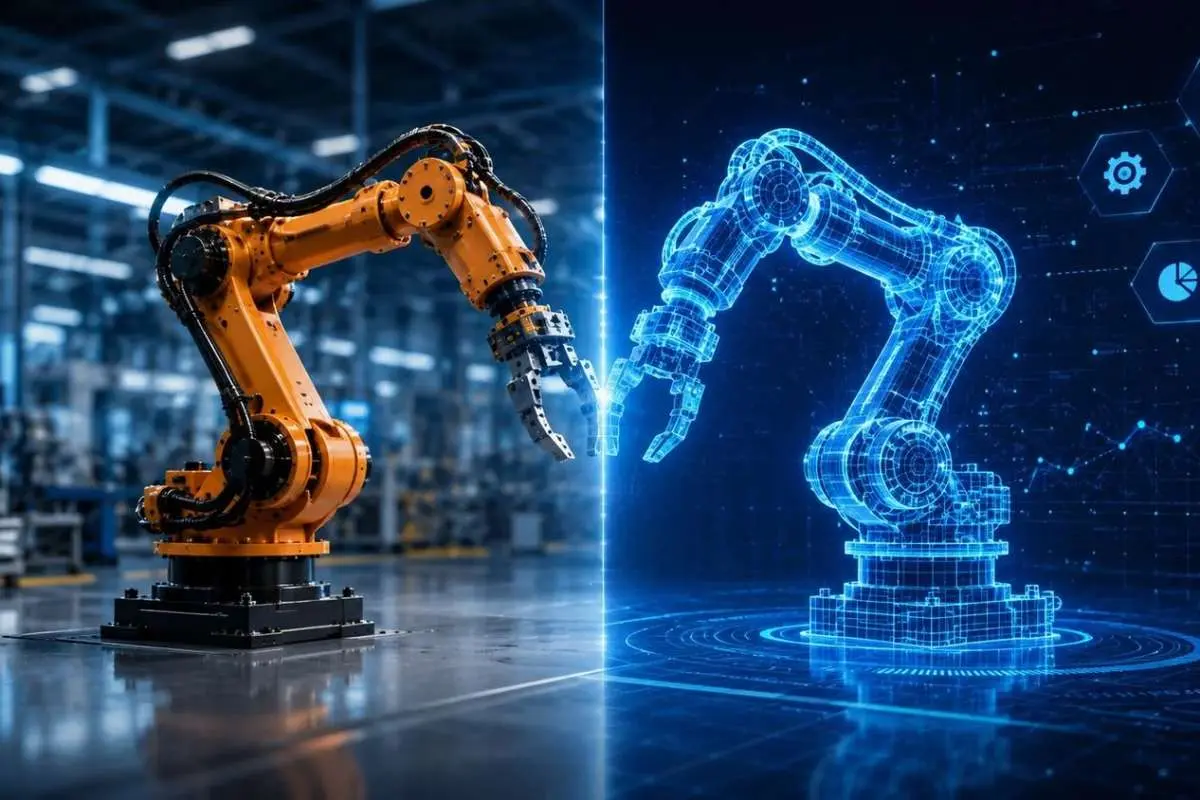
A digital twin is a digital representation of a physical asset, process, or system. In simple terms, it gives you a virtual version of something on the factory floor.
For downtime, that virtual version can help teams:
- Understand how equipment behaves
- Test different scenarios
- Investigate possible problems
- Explore changes without experimenting on live production
For example, a digital model can show how equipment might respond to a change before that change is made on the actual line. This can make it easier to spot risks and plan around them.
But there is a catch. A digital twin is not a magic button for fixing machines. Its usefulness depends on the quality of its data and how well teams use the information. Understanding what is a digital twin helps put that role into perspective.
Used as part of a wider smart manufacturing process, digital twins can give teams a clearer view of equipment behavior and help them reduce downtime with smart manufacturing.
Why smart manufacturing projects can fail to reduce downtime
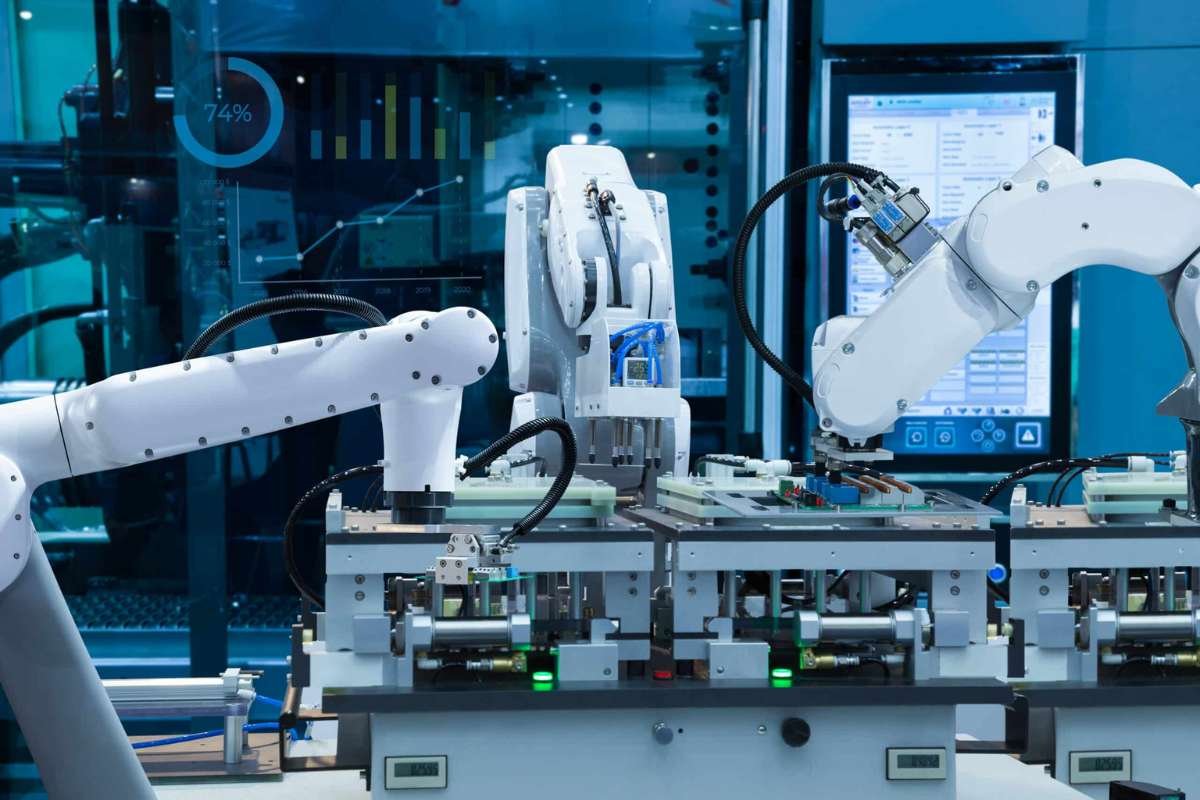
Trying to reduce downtime with smart manufacturing can backfire when the technology is solving the wrong problem. More sensors and dashboards do not automatically mean fewer breakdowns.
| Common mistake | What goes wrong |
| Picking the wrong pilot | The project targets a machine that is not causing much downtime. |
| Poor data quality | Bad or incomplete data leads to unreliable insights. |
| Too many alerts | Teams start ignoring warnings when everything looks urgent. |
| Leaving maintenance out | The people who know the equipment best are not involved early enough. |
| No clear success measure | Nobody can tell whether the project actually improved anything. |
| Changing nothing around the technology | The factory gets new tools, but the old process stays exactly the same. |
These are the kinds of smart manufacturing mistakes that can turn a promising project into an expensive dashboard nobody checks.
The point is not to make the factory more digital for the sake of it. It is to make downtime easier to predict, understand, and prevent.
A practical way to start reducing downtime without rebuilding the whole factory
You do not need to rebuild the factory or buy every shiny tool on the market. Start small and make the first project prove its worth.
1. Start with one problem
Pick one recurring source of unplanned downtime. A problem that keeps showing up is a better starting point than a machine that rarely causes trouble.
2. Find the evidence
Check maintenance records, machine data, operator notes, and production records. Look for patterns that can tell you when and why the problem occurs.
3. Try one useful change
Improve monitoring, adjust maintenance planning, or run a focused technology pilot. Keep the first change small enough to manage properly.
4. Measure what changed
Compare downtime before and after. Did the machine stop less often? Did repairs take less time? Did production become more predictable?
This is especially useful for smart manufacturing for small businesses, where budgets and teams are often tighter. A focused use case can be a far better starting point than trying to digitize everything at once.
That is how you can reduce downtime with smart manufacturing without turning the whole factory upside down.
Conclusion: Reduce Downtime With Smart Manufacturing by Stopping Problems Before They Stop You
Smart manufacturing is not about putting sensors everywhere and hoping the factory suddenly becomes smarter. The useful approach is much simpler: find where downtime hurts, understand what causes it, and use the right data to act sooner.
Predictive maintenance can help catch equipment problems earlier. Connected machines can make changes easier to spot. Metrics can show whether things are actually improving, while digital models can help teams understand equipment without always experimenting on the live line.
But none of these works in isolation. The real value comes from connecting the technology to the people and processes already keeping production moving.
If the goal is to reduce downtime with smart manufacturing, remember this: a machine failure that surprises you is a problem. A machine condition that gives you enough warning to plan around it is a much more manageable problem.
For the bigger picture, smart manufacturing brings these ideas together into a broader approach to improving factory performance.
Frequently Asked Questions About Reducing Downtime With Smart Manufacturing
1. How can smart manufacturing improve machine availability?
It can improve availability by helping teams identify recurring failure patterns and make better decisions about equipment use, servicing, and replacement.
2. Can older factory machines work with smart manufacturing systems?
Yes. Many older machines can be connected to help reduce downtime with smart manufacturing using retrofit sensors, gateways, or monitoring hardware without replacing the entire asset.
3. What role does machine learning play in downtime reduction?
Machine learning can identify patterns in equipment data that may indicate unusual behavior, helping teams investigate potential issues earlier.
4. How long does it take to see results from a downtime project?
It depends on the equipment, data quality, and scope. A focused pilot can show useful results much sooner than a factory-wide rollout.
5. Can smart manufacturing reduce downtime caused by human error?
Yes. To reduce downtime with smart manufacturing, digital work instructions, automated checks, and clearer production information can reduce mistakes that cause stoppages or rework.