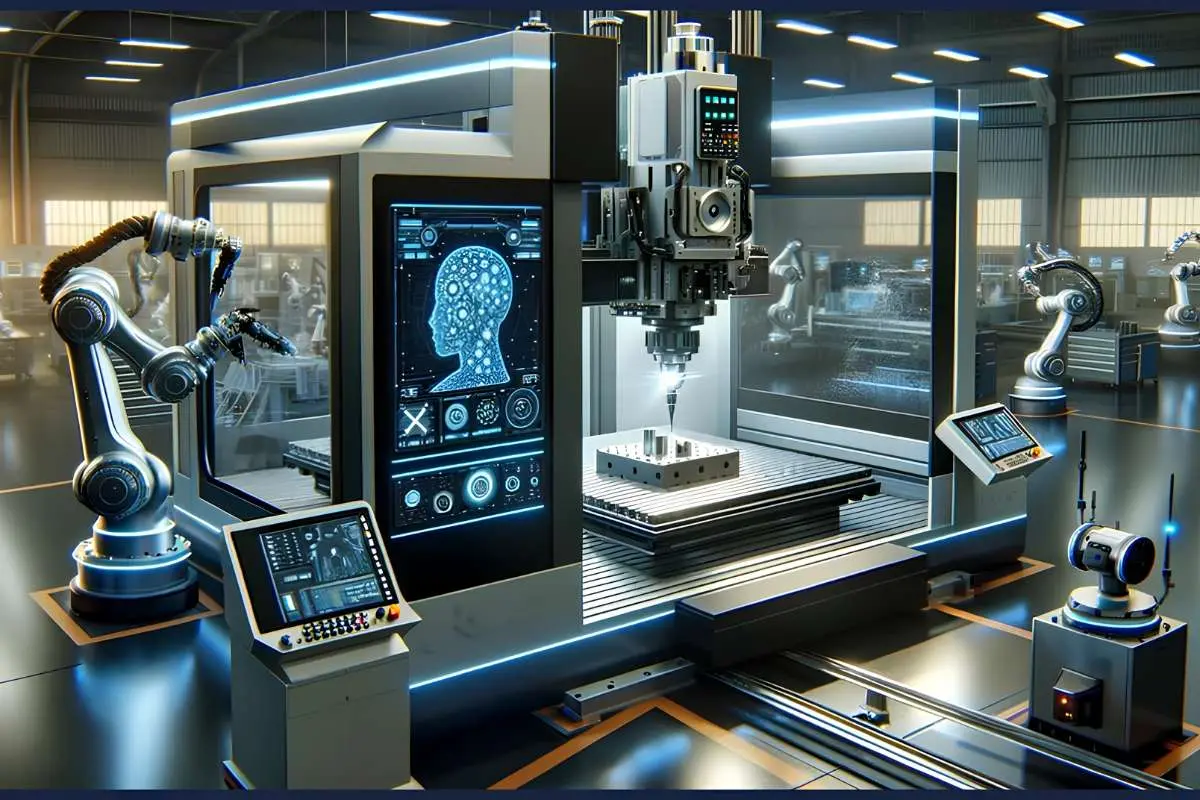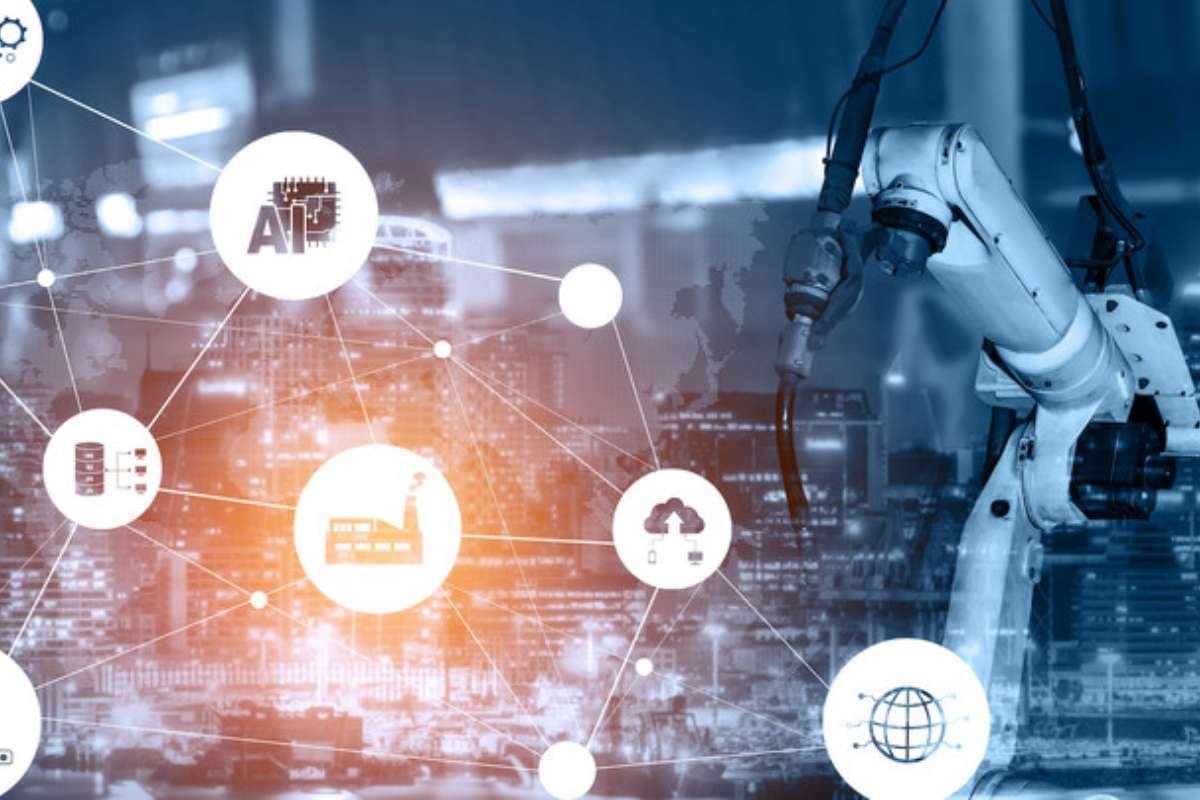
What actually makes a factory “smart”?
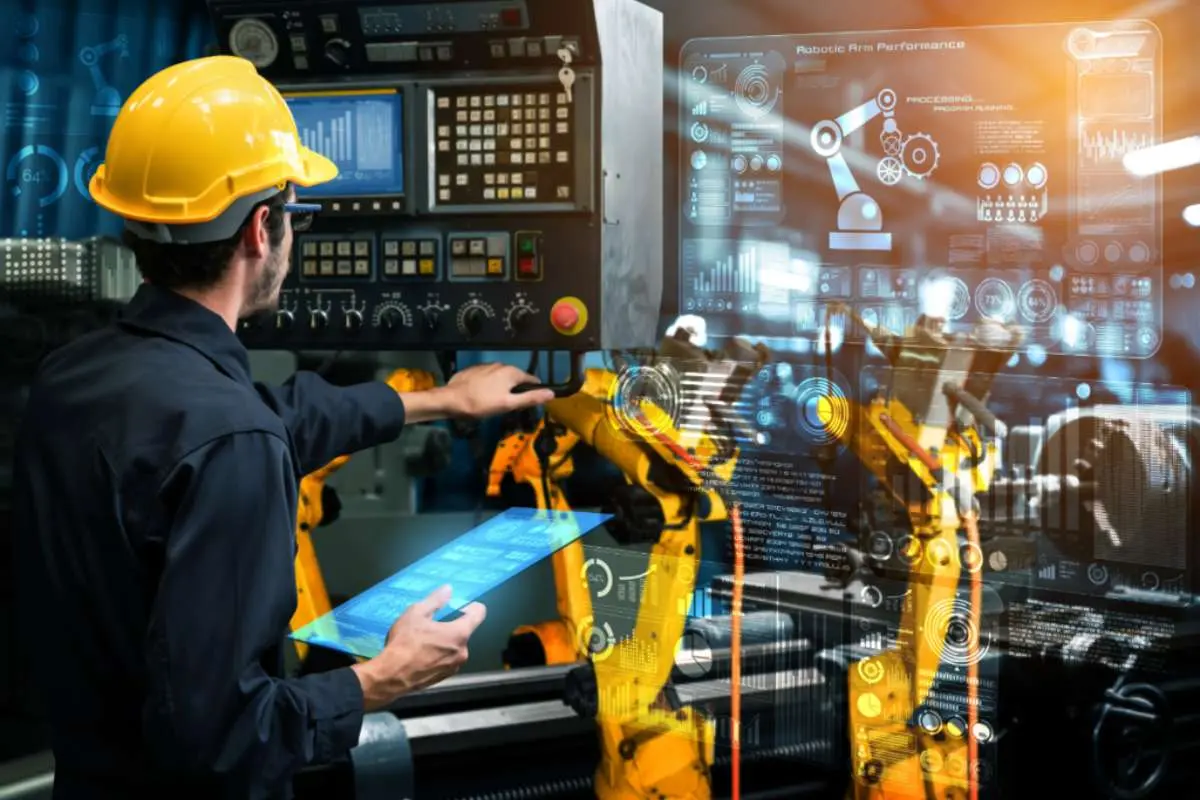
Walk into a modern factory, and you might see machines collecting data, operators checking dashboards, and automated systems moving parts around. But the real question is simpler: are all these pieces helping the factory make better decisions?
Smart manufacturing technologies are tools that connect machines, data, and people to improve how a factory operates. The real value comes from making those pieces work together, not simply owning the latest equipment.
A robot may handle a repetitive task faster than a person, but it cannot tell you why production slowed down yesterday. That is where connected sensors, IoT, AI, analytics, and other technologies start to matter.
In this article, we will look at the core technologies behind smart factories, including robotics, digital twins, cloud and edge computing, and industrial connectivity. More importantly, we will look at what each one actually brings to the factory floor.
The foundation starts with connected machines and real-time data
A smart factory begins with something surprisingly basic: machines that can share what is happening. Sensors can track temperature, pressure, speed, vibration, energy use, and other conditions while equipment is running. That information can then move into connected systems instead of staying trapped inside the machine.
This is where industrial IoT, or IIoT, comes in. It connects equipment, sensors, software, and people so production data can move where it is needed. That connection is one of the key building blocks of smart manufacturing technologies, because useful decisions depend on having useful information in the first place.
Think of the flow as:
Machine → sensor → connected system → data → decision
The goal is not to collect data simply because the factory can. A smart manufacturing process uses that data in context. If a machine starts vibrating more than usual, for example, the system can flag the change so a maintenance team can investigate before the issue becomes a costly stoppage.
Real-time data also gives operators a clearer view of production as it happens, helping them spot changes sooner instead of waiting for the end-of-shift report.
IoT turns machines into sources of useful information
So, what is IoT used for in smart manufacturing? It connects physical equipment to digital systems, allowing factories to collect and use data from the production floor.
Sensors can capture things like:
- Temperature and pressure
- Machine vibration
- Energy consumption
- Operating speed
- Equipment status
That data can then move into software, giving operators a clearer view of what is happening. If a machine starts behaving differently, the change can be spotted before it turns into a bigger production problem.
This is where smart manufacturing technologies become useful. IoT creates the connection, but the connection itself is not the “smart” part. The value comes from what the factory does with the information.
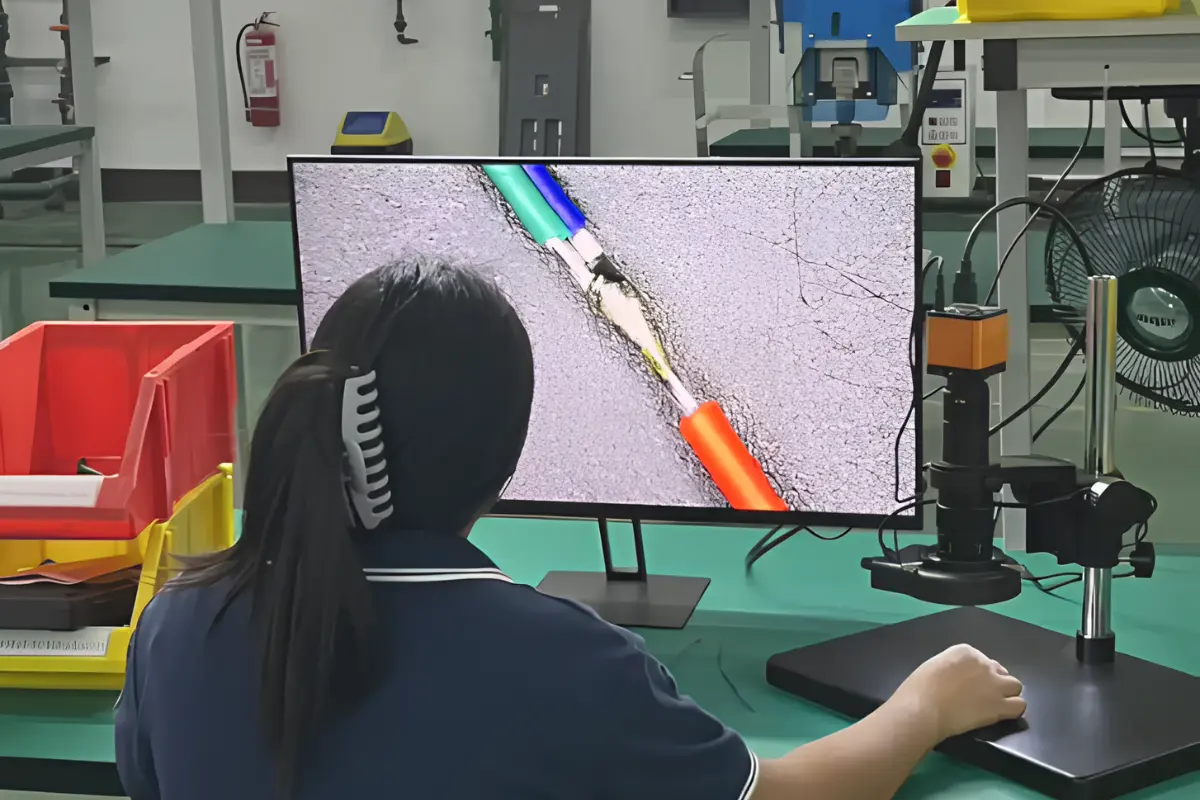
For example, equipment data can help teams reduce downtime with smart manufacturing by spotting unusual conditions early and supporting better maintenance decisions. The same data can also feed analytics and AI, turning raw machine readings into information people can actually act on.
AI and analytics help the factory make sense of all that data
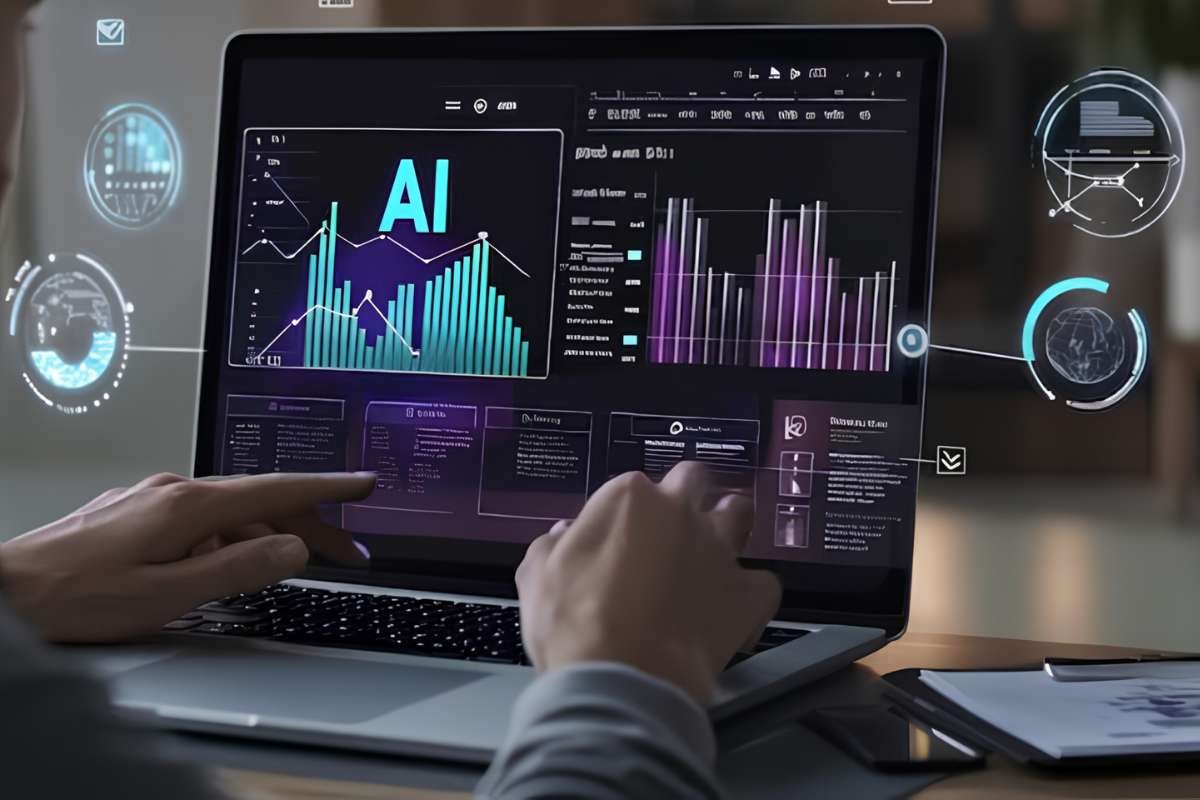
IoT can tell a factory what is happening. AI and analytics help explain what that information means and what may happen next. That makes them an important part of smart manufacturing technologies.
Instead of leaving teams with thousands of readings to sort through, these systems can help identify patterns and flag changes that need attention.
Common uses include:
- Predictive maintenance: Spot signs that equipment may need attention.
- Quality inspection: Detects defects and inconsistencies.
- Production forecasting: Use past and current data to improve planning.
- Anomaly detection: Flag machine behavior that falls outside normal patterns.
- Recommendations: Help teams decide where action may be needed.
For example, if a machine has shown unusual vibration before previous failures, an AI system can learn from that pattern and flag similar behavior. The maintenance team still makes the decision, but they have a better signal to work with.
This is also why smart manufacturing metrics matter. More dashboards do not automatically mean better decisions. The useful ones are tied to actual production goals, such as downtime, quality, throughput, and equipment performance.
Deloitte’s 2025 survey found that 57% of manufacturers surveyed were using cloud computing, while another 57% were using data analytics at the facility or network level.
Robotics brings physical automation into the smart factory
Robots handle the physical work that software alone cannot. Industrial robots can weld, assemble, pick, pack, or move materials, while collaborative robots can work closer to people on tasks that are repetitive or physically demanding.
That makes robotics one part of the wider smart manufacturing technologies stack, rather than the whole show.
The biggest value often comes from combining robots with connected systems. For example, a robot might place components with the same precision every time, while production data tracks its cycle time, output, or error rate. That gives the team a clearer picture of whether the process is actually performing well.
Robotics can be useful for:
- Repetitive tasks that need consistent results
- Hazardous work that can put workers at risk
- Material movement between production stages
- High-volume operations where repeatability matters
Think of smart manufacturing tools as a team rather than a single gadget. Robots handle physical tasks, while people can focus on supervision, problem-solving, quality decisions, and work that needs human judgment.
Digital twins let manufacturers test changes before touching the real line
Making a change to a production line can be expensive if the change goes wrong. A digital twin gives manufacturers a way to explore those changes in a virtual model before making them on the factory floor.
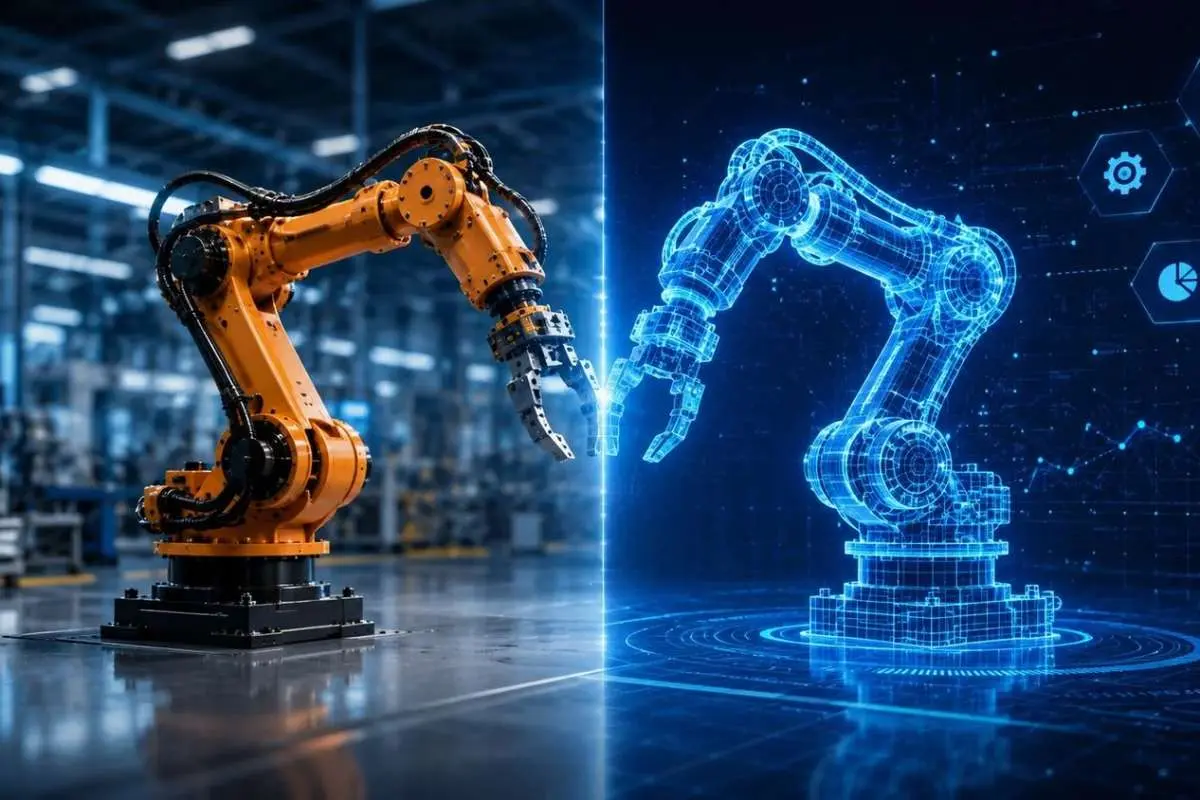
In simple terms, a digital twin is a digital representation of a physical machine, process, or system. It can use current or updated data from the real operation to keep the model connected to what is happening in production.
So, what is a digital twin? It is more than a 3D model. Its value comes from linking the virtual model with the real operation so manufacturers can study how a system behaves and explore different scenarios.
| Digital twin capability | What it can help manufacturers do |
| Virtual representation | Model a machine, process, or production system |
| Real-world data | Keep the model aligned with actual conditions |
| Simulation | Test possible changes before implementation |
| Scenario testing | Explore bottlenecks, capacity changes, or process adjustments |
| Analysis | Identify potential issues and opportunities to improve |
This makes digital twins a more advanced layer of smart manufacturing technologies. NIST says digital twins can help manufacturers represent, diagnose, predict, and optimize manufacturing systems, with ISO 23247 providing a framework for digital twins in manufacturing.
The idea is simple: test the change digitally first, then decide whether it is worth touching the real line.
Cloud, edge computing, and connectivity keep the technology stack moving

The technologies on the factory floor need reliable infrastructure behind them. Cloud computing, edge computing, and strong networks help smart manufacturing technologies share and process information without getting in each other’s way.
Cloud or edge?
Cloud computing can store and process large amounts of manufacturing data, while edge computing handles data closer to the machines.
That difference matters when speed is important. A system monitoring a machine may need to respond immediately, rather than wait for data to travel to a remote server and back.
Why connectivity matters
Reliable networks keep machines, software, and people connected. Interoperability matters too, especially when equipment comes from different vendors. If systems cannot exchange data easily, that shiny new technology can quickly become an expensive island.
This is where Industry 4.0 vs smart manufacturing is worth understanding. The two ideas overlap, but they are not automatically the same thing.
The right technology stack depends on the problem you are trying to solve
Choosing technology first is an easy way to end up with an expensive solution looking for a problem. A better approach is to start with what is actually slowing the operation down.
Problem → data needed → technology → measurable outcome
For example, a factory dealing with:
- Frequent downtime: may need better equipment monitoring.
- Quality problems: may benefit from automated inspection and analytics.
- Poor production visibility: may need connected sensors and real-time data.
- Labor-intensive tasks: could look at robotics or automation.
- Capacity constraints: may need better process data or automation.
That is the practical side of smart manufacturing technologies. Technology should have a job to do.
For smaller manufacturers, this is especially important. smart manufacturing for small businesses does not mean copying a large factory’s entire technology stack. Start with one clear problem, test the solution, and measure the result.
That is also how you make a sensible case for smart manufacturing ROI.
What should manufacturers look for before adopting a new technology?

A new tool can look impressive in a demo. The factory floor may have a few more questions. Before adopting new smart manufacturing technologies, check whether the solution actually fits the operation.
| What to check | Why it matters |
| Existing equipment | Can it work with your current machines and systems? |
| Data quality | Are the inputs accurate and reliable enough to use? |
| Integration | Can it communicate with your other systems? |
| Cybersecurity | Can the connected system be protected from threats? |
| Scalability | Can it grow as your needs grow? |
| Workforce skills | Do employees have the skills to use and manage it? |
| Maintenance and support | Who will keep the technology running? |
| Business value | What measurable problem will it solve? |
Deloitte’s 2025 survey found that 65% of respondents ranked operational risk as a first- or second-priority concern when pursuing smart manufacturing initiatives.
The lesson is fairly simple: buying the technology is only step one. Making it work reliably in the real factory is the bigger job.
Conclusion: Smart manufacturing technologies are built as a system, not a pile of gadgets
The smartest factory is not necessarily the one with the most robots, sensors, dashboards, or AI tools. It is the one where those technologies work together to solve problems that actually matter.
A connected machine can provide data. Analytics can find patterns in that data. AI can help predict what might happen next, while robotics can act on the production floor. When these pieces work together, technology becomes part of the operation rather than another system employees have to manage.
That is the bigger idea behind smart manufacturing technologies: each tool has a role, but the real value comes from how the pieces connect.
From here, the deeper questions are about choosing, implementing, measuring, and scaling these technologies. That is where the rest of the smart manufacturing journey gets interesting.
If you want the bigger picture first, Smart Manufacturing brings the wider landscape together.
Smart Manufacturing Technologies FAQ
1. How do smart manufacturing technologies improve energy efficiency?
They identify energy-intensive processes, track consumption patterns, and help manufacturers adjust equipment operation to reduce unnecessary energy use.
2. What are the main smart manufacturing technologies?
The main smart manufacturing technologies include IoT, AI, robotics, digital twins, smart sensors, cloud computing, edge computing, and industrial connectivity.
3. How do smart factories improve supply chain visibility?
Connected production systems can share timely information about inventory, orders, materials, and production status, helping teams respond faster to disruptions.
4. What role does cybersecurity play in smart manufacturing?
Cybersecurity protects connected machines, production systems, and sensitive operational data from unauthorized access, disruption, and cyberattacks.
5. How can manufacturers measure the success of smart manufacturing adoption?
Manufacturers can compare measurable changes in productivity, quality, maintenance costs, energy use, throughput, and other business outcomes before and after adoption.