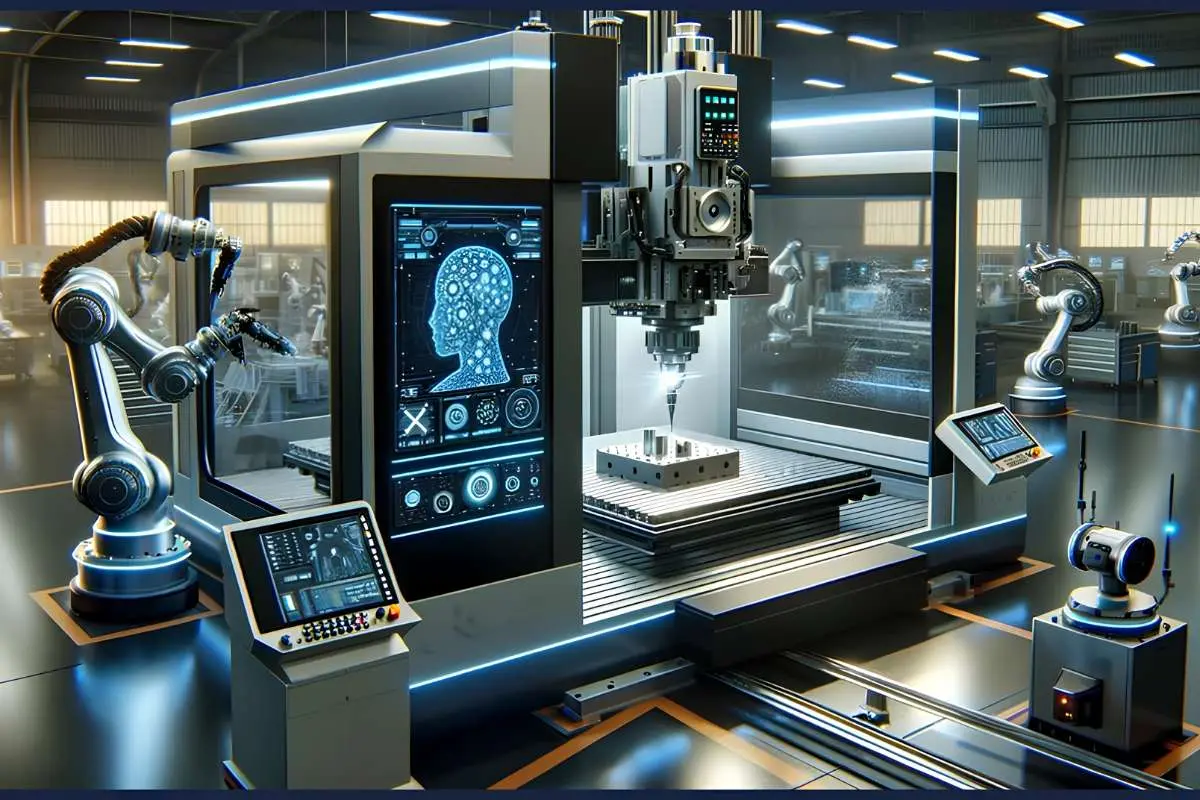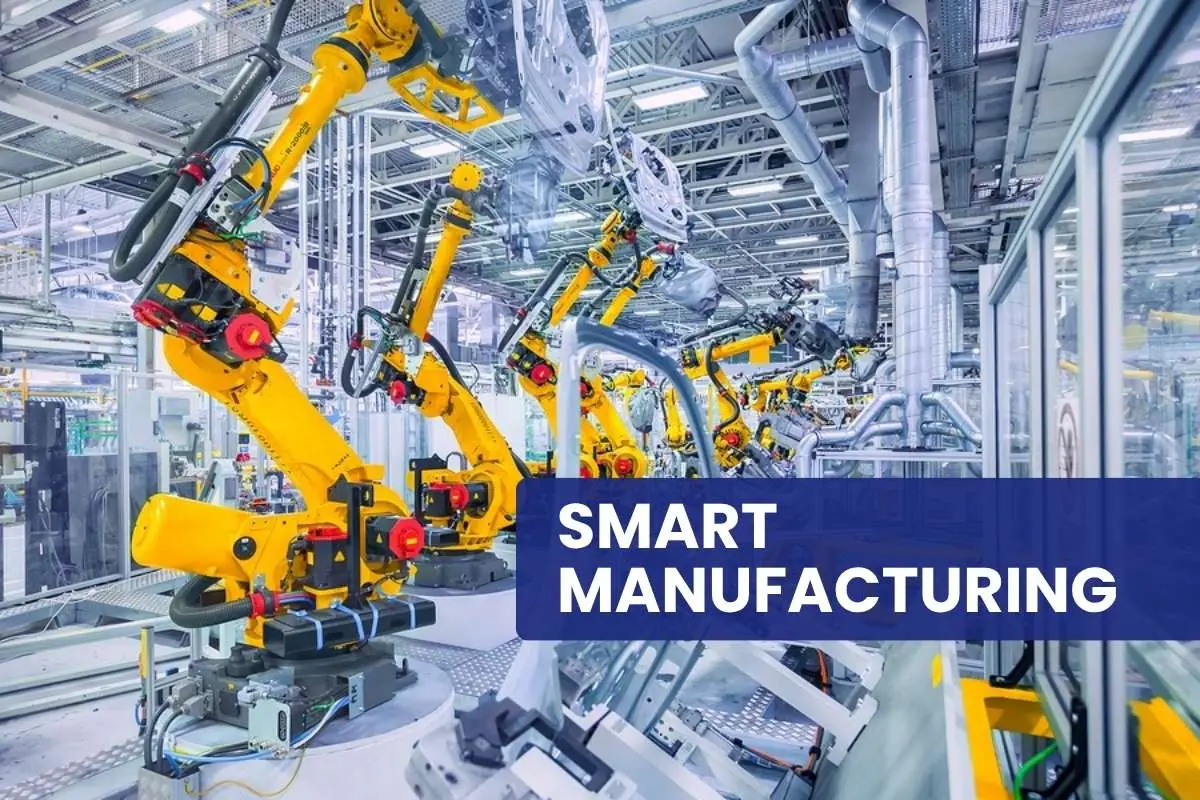
You know that moment when a machine stops, everyone looks at everyone else, and suddenly the whole factory becomes a detective show?
Someone checks the machine. Someone checks the dashboard. Someone calls maintenance. Someone digs through yesterday’s numbers. Meanwhile, production keeps waiting.
That gap between having information and being able to use it quickly is where things get interesting.
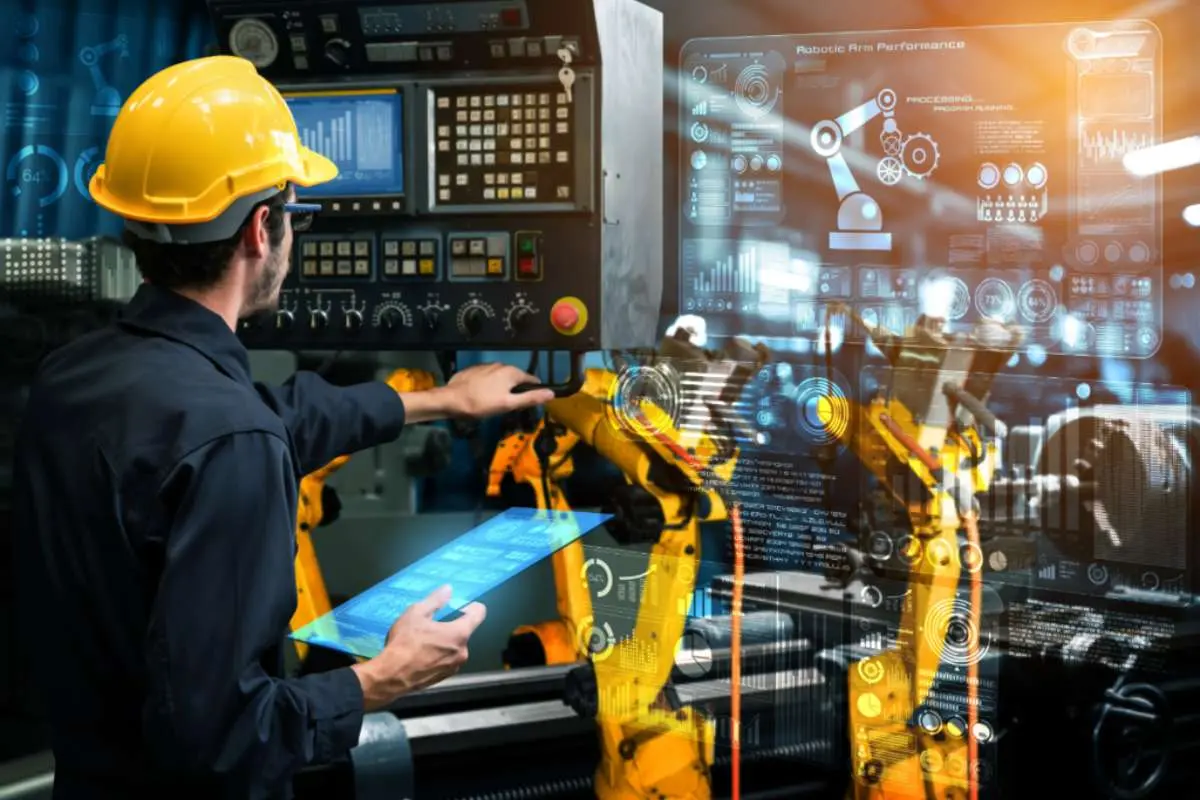
Smart manufacturing is a connected approach to production that uses data, sensors, software, automation and analytics to help factories monitor operations, make better decisions, and respond faster to change. NIST describes the same core idea as turning manufacturing data into actionable knowledge for decision-making.
In 2026, the goal is not simply to add more connected machines. It is to make the information they produce useful across the operation. In this guide, we’ll look at how that works, which technologies matter, where factories often stumble, and how to approach the shift without trying to rebuild the entire factory overnight.
What exactly is changing inside a modern factory?
Picture a factory where a machine knows something is wrong, but the person who needs to fix it finds out 20 minutes later. Not exactly a model of efficiency.
Modern factories are closing that gap by connecting machines, data, software, and people.
Smart manufacturing works through a simple loop:
Machines collect data → software organizes it → systems analyze it → people act → the factory learns from the result.
NIST describes this same idea as using manufacturing data to create actionable knowledge for better decisions.
➢ In simple terms
- Connected: Machines can share information.
- Automated: Machines can perform tasks with less human input.
- Smart: Systems use information to support better decisions and respond to change.
That last part matters. A factory does not become smart just because it has robots. A robot can make 500 parts an hour and still be completely clueless about why the 501st part came out wrong.
Why are these factories reshaping in 2026?
Factories are under pressure from every direction. Customers want faster delivery and more product choices, while manufacturers are dealing with skill gaps, supply chain uncertainty, rising efficiency demands, and pressure to use resources more wisely. Smart manufacturing gives factories a way to see what is happening across production and react before small problems become expensive ones.
The big shift in 2026 is that connected technology is no longer the shiny new thing on the factory floor. The focus is moving from “Can we connect it?” to “What can we do with the information?”
92% of manufacturers surveyed by Deloitte said smart manufacturing initiatives will be a main driver of manufacturing competitiveness over the next three years. The 2025 survey covered 600 manufacturing executives.
That means better visibility, faster decisions, stronger resilience, and less guesswork. The robots still get the attention, but the real advantage is knowing what to do with everything the factory is telling you.
How does a smart factory turn data into action?
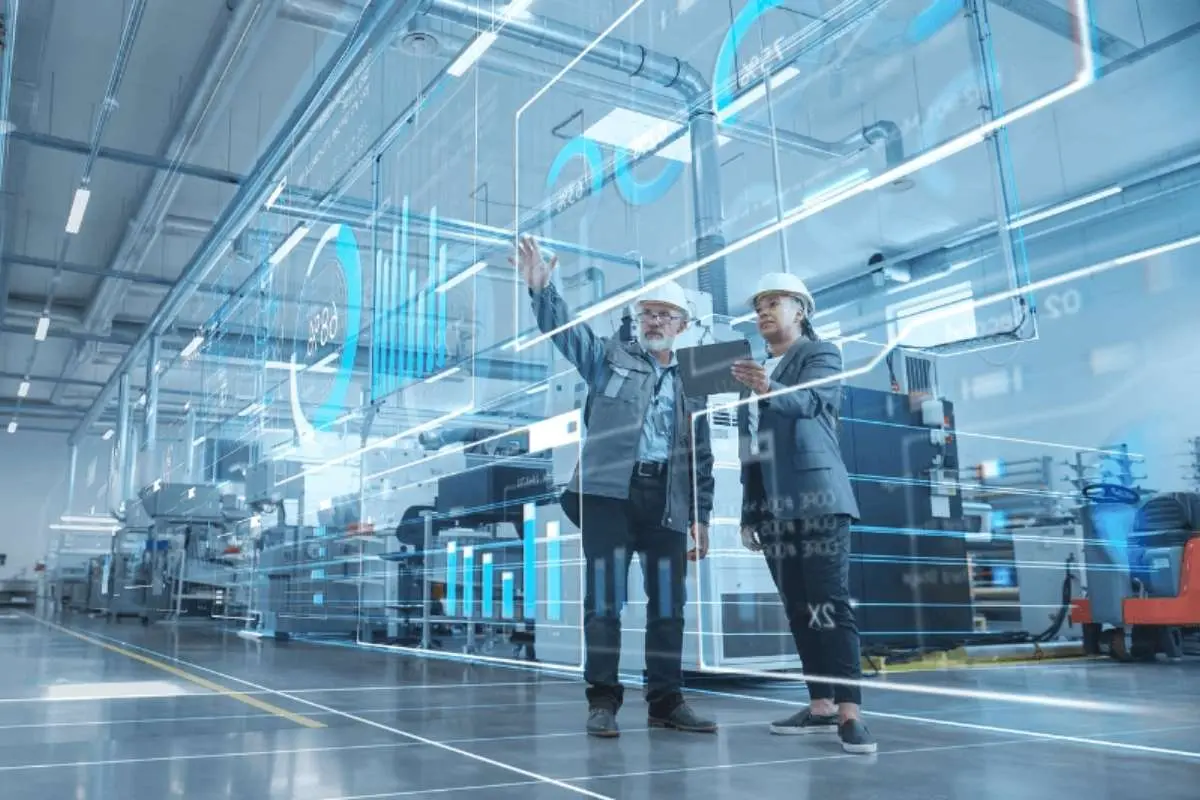
A smart factory does not just collect data and let it sit in a dashboard looking important. The real value comes from what happens next.
Sense → Connect → Analyze → Decide → Act
- Sense: Sensors and machines capture things like temperature, speed, pressure, output, and machine condition.
- Connect: That information moves from machines into systems where it can be shared and accessed.
- Analyze: This is where connected manufacturing starts getting useful. Analytics can spot patterns, unusual changes, or signs of a developing problem.
- Decide: Operators, engineers, or software use those insights to choose the next step.
- Act: The team adjusts a machine, changes a process, schedules maintenance, or takes another action. That action creates new data, starting the loop again.
The five steps may look simple on paper, but the real value comes from how they connect across the production floor. A well-designed smart manufacturing process turns raw machine data into useful information that can guide the next move.
The key is not collecting more data. It is making the right data useful at the right moment, so operators and systems can make better decisions and act on them.
Which technologies actually make a factory smarter?
A smart factory is less about one impressive machine and more about several technologies working together. Here’s the simple version:
| Technology | What it does | Why it matters |
| IIoT sensors | Capture machine and process data | Gives the factory real-time visibility |
| PLCs & controls | Control machines and processes | Keeps production running safely and consistently |
| MES | Tracks and manages production | Connects shop-floor activity with operations |
| ERP | Manages business and planning data | Links production with inventory, orders, and resources |
| Cloud & edge computing | Processes and stores data | Helps teams access and act on information faster |
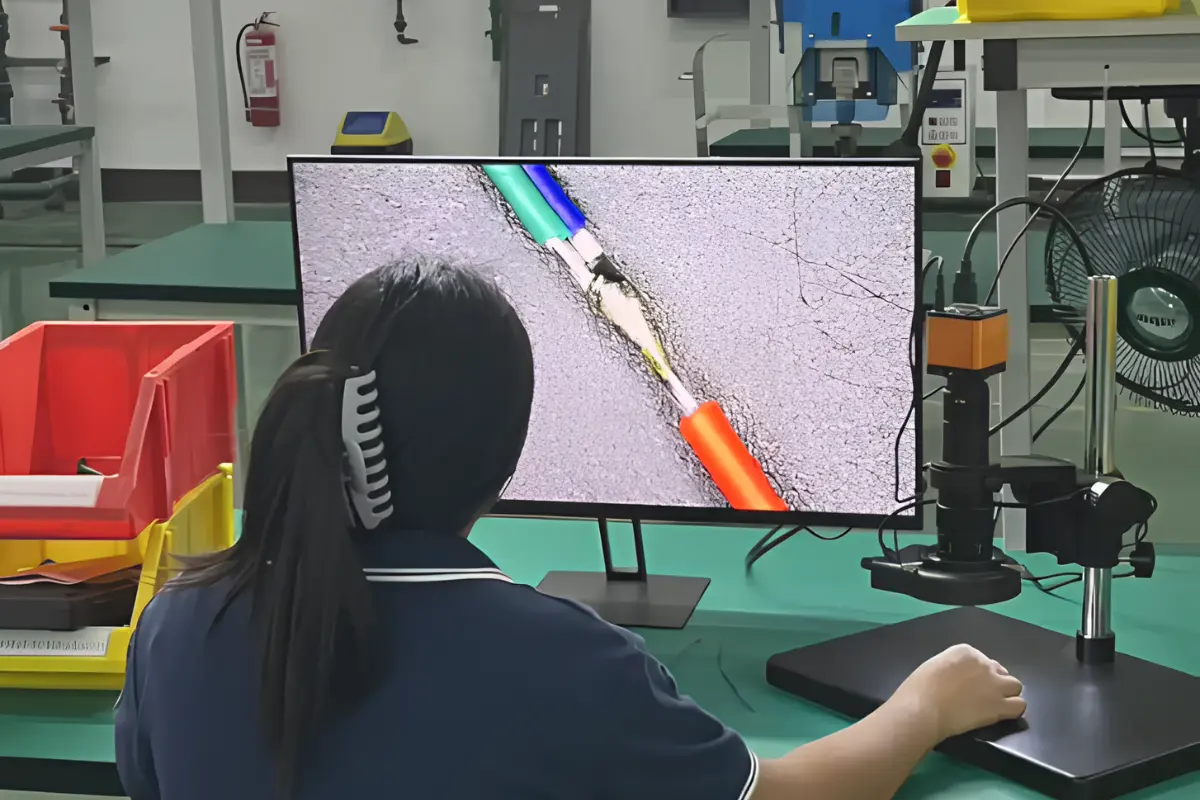
| Machine vision | Inspects products using cameras | Finds defects and supports quality control |
| Robotics | Handles repeatable physical tasks | Improves speed, consistency, and safety |
| Analytics & AI | Finds patterns in production data | Helps teams spot problems and make better decisions |
| Connectivity | Links machines and systems | Allows information to move across the factory |
| Cybersecurity | Protects connected systems | Keeps machines, data, and operations safer |
This is where connected manufacturing gets interesting. The goal is not to buy every shiny tool on the market. It is to connect the right ones around a real production problem. NIST also highlights data infrastructure, interoperability, standards, and trusted analytics as important foundations.
The technology landscape is broad, but choosing the right fit for a factory is where things get interesting. From smart manufacturing technologies that form the wider ecosystem to smart manufacturing tools that help put those capabilities to work, the right choice depends on the problem you are trying to solve.
Is smart manufacturing the same thing as Industry 4.0?
Not quite, but the two ideas are closely connected. Industry 4.0 is the bigger picture of how technology is changing the way industries operate. Whereas the other focuses more specifically on using connected technology, data, and automation to improve what happens on the factory floor.
| Term | Simple meaning |
| Industry 4.0 | The broader shift toward digital, connected industry |
| Smart Manufacturing | Applying that shift to manufacturing and production |
| Smart factory | A factory using these connected technologies in practice |
There is plenty of overlap, which is why the two terms often appear side by side. Industry 4.0 refers to the broader shift toward connected, digital industry, while smart manufacturing applies many of those ideas directly to factory operations. The distinction between Industry 4.0 vs smart manufacturing becomes clearer when you look at how each shapes the wider industrial ecosystem and the factory floor.
How is it different from traditional manufacturing?
Traditional manufacturing is not broken. In fact, plenty of factories run remarkably well with proven processes, experienced teams, and equipment that has been doing its job for years. The difference comes down to how quickly useful information moves.
| Traditional approach | Connected approach |
| Data may be reviewed after an issue occurs | Data is available closer to the point of action |
| Decisions often depend heavily on experience | Data helps support those decisions |
| Systems may operate separately | Systems can share information |
| Maintenance may follow a fixed schedule | Equipment condition can help guide maintenance |
The result is less guesswork and more visibility. A connected factory can spot changes earlier, give teams better context, and respond before a small issue becomes a much larger headache.
The difference becomes clearer when you look at smart manufacturing vs traditional manufacturing, where the real shift is not simply newer technology, but how quickly useful information can guide action on the factory floor.
Can smaller manufacturers use the same approach?
Think about it this way: you do not renovate the entire house because one tap is leaking.
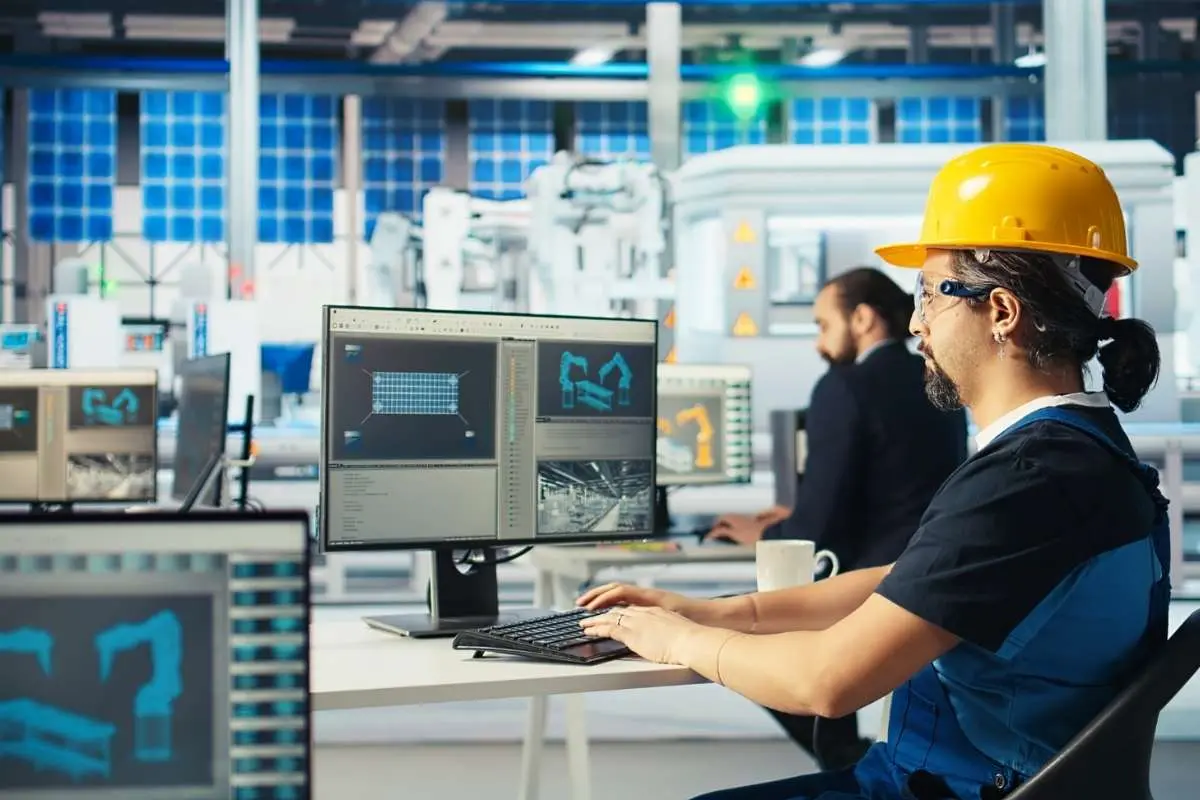
The same logic works on the factory floor. A smaller manufacturer can begin with one machine, one process, or one recurring headache. Track what is happening, add the technology needed to understand it better, and see whether the result is worth scaling.
Intelligent manufacturing does not require a clean slate. Existing equipment can often stay in place while sensors, cloud software, analytics, or better connectivity fill the gaps. NIST specifically points to making manufacturing data and analytics more accessible to small and medium-sized manufacturers.
The trick is to keep that first step manageable. Fix one bottleneck, prove the value, and build from there. That is the practical thinking behind smart manufacturing for small businesses, especially for manufacturers that would rather grow their capabilities than set the budget on fire.
How Do You Turn Smart Manufacturing Into Measurable Results?
The technology is only half the job. The real test is whether it improves the way the factory runs. That means tracking the right numbers, proving the financial value, finding where connected data can help, and avoiding mistakes that make a good project unnecessarily complicated.
➢ Which numbers tell you whether the investment is working?
A factory can have dashboards, sensors, alerts, and enough charts to make Excel feel jealous. None of that matters if the numbers do not help improve the operation.
The best metric is the one tied to a real business or production problem.
| What to track | What it can reveal |
| OEE | Overall equipment effectiveness |
| Throughput | How much the factory produces |
| Downtime | Where production is being lost |
| Scrap & defects | Where quality is slipping |
| First-pass yield | How often products pass without rework |
| Cycle time | How long production takes |
| Schedule adherence | Whether production stays on plan |
| Energy use | Where resources are being consumed |
| Maintenance performance | Whether equipment is being kept reliable |
The point of intelligent manufacturing is not to collect more numbers. It is to connect the right data to the decisions that actually affect production. That is where smart manufacturing metrics become useful, helping teams understand what to measure, why it matters, and what those numbers reveal about factory performance.
➢ How do you work out the ROI before spending heavily?
A factory investment should earn its keep. Before anyone starts talking budgets, software, or shiny new equipment, figure out what the current problem is actually costing.
➢ Start with the baseline
Look at downtime, scrap, labor hours, maintenance costs, energy use, or missed production. Pick the numbers that connect directly to the problem you want to fix.
➢ Then separate the payoff
Not every gain shows up as money saved on a spreadsheet.
Hard savings: Costs that genuinely fall, such as lower scrap or maintenance spending.
Capacity gains: More production from the same equipment, space, or workforce.
Risk avoidance: Costs you may avoid, such as a major breakdown or missed order.
Once that baseline exists, intelligent manufacturing has something solid to prove its value against. The basic equation becomes current cost + expected improvement − investment and ongoing costs = potential return.
For the deeper numbers, assumptions, and calculations, smart manufacturing ROI comes into play when you need to turn those potential gains into a clearer business case.
➢ Where can connected manufacturing cut downtime?
What if the factory could spot a machine problem before it becomes a production problem?
That is where better machine data can make a real difference. Sensors can watch conditions such as temperature, vibration, pressure, and speed, giving teams a clearer view of what is happening.
Useful signals can help with:
- Early alerts: Flag unusual machine behavior before it causes a stoppage.
- Predictive maintenance: Use condition data to help plan maintenance around actual equipment needs.
- Root-cause analysis: Trace patterns across machines and processes instead of guessing.
- Production visibility: See how equipment issues affect output and schedules.
- Faster response: Give operators and maintenance teams useful information sooner.
- Better planning: Schedule maintenance with less disruption to production.
The goal of intelligent manufacturing is not to promise zero downtime. It is to help teams detect problems sooner, understand what is causing them, and respond before a small issue becomes a costly one. Better machine data, timely alerts, and stronger maintenance planning can all help reduce downtime with smart manufacturing.
➢ What mistakes make these projects harder than they need to be?
Intelligent manufacturing projects rarely fail because the technology cannot do the job. More often, the problem is choosing the wrong starting point or overlooking what happens around the technology. NIST highlights integration, interoperability, data formats, and decision-making as common challenges when different systems need to work together.
| Common mistake | What it looks like |
| Starting with technology | Buying a tool before defining the production problem |
| Ignoring old equipment | Assuming every machine needs replacing |
| Poor data quality | Feeding inaccurate or incomplete data into new systems |
| Forgetting operators | Designing systems without the people who use them |
| Underestimating cybersecurity | Connecting more systems without strengthening protection |
| Measuring activity | Celebrating dashboards, devices, or data instead of results |
| Doing everything at once | Launching a huge transformation before proving smaller projects |
The fix is fairly simple: start with the problem, involve the people, measure the outcome, and scale what works. Those principles sit at the heart of avoiding common smart manufacturing mistakes, especially when new technology starts arriving before the real production problem has been clearly defined.
What role does a digital twin play?
Ever wish you could test a production change without actually messing with production? That is where a digital twin comes in.
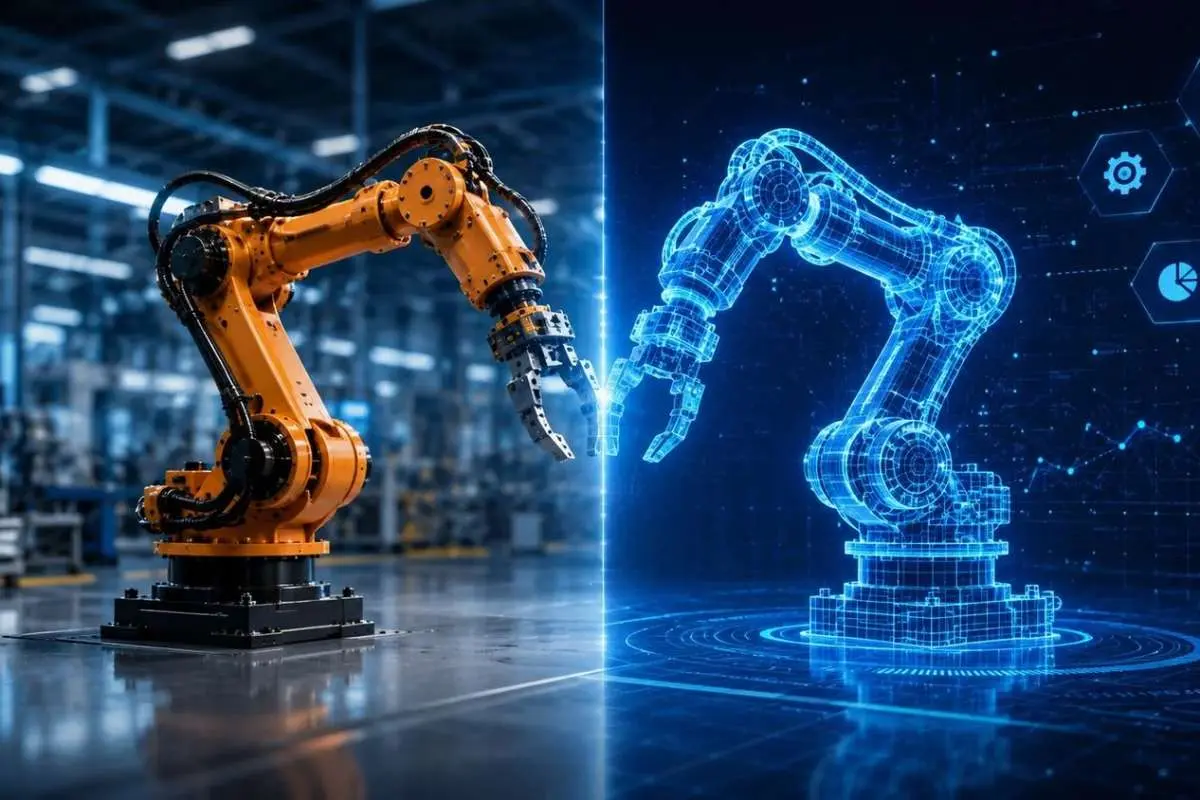
A digital twin is a digital representation of a real machine, process, or system. It can combine models with information from the physical operation, giving teams a virtual view of how something is performing.
Think of it as a safe place to ask, “What happens if we change this?” before making the change on the factory floor. In modern manufacturing, digital twins can help teams simulate scenarios, test ideas, spot potential issues, and explore ways to improve a process without learning every lesson the expensive way.
In simple terms, what is a digital twin? It is a digital counterpart that helps teams understand, test, and improve its physical counterpart. Siemens describes digital twins as models that can combine simulation with real-world operational data to support testing and optimization before physical changes are made.
Which manufacturers are getting the model right?
You do not need to copy a famous factory to learn from one. The manufacturers getting the most from smart manufacturing tend to follow a few simple habits: they start with a business problem, build a solid data foundation, prove what works, and then scale it.
| What they do | Why it matters |
| Start with a real problem | Keeps technology tied to business value |
| Build reliable data foundations | Gives teams information they can trust |
| Connect functions | Stops production data from sitting in separate silos |
| Measure results | Shows whether a project is actually working |
| Invest in people | Helps workers use new systems effectively |
| Scale proven use cases | Turns one successful project into a wider advantage |
The World Economic Forum’s Global Lighthouse Network now includes 238 advanced manufacturing and supply chain sites worldwide, showing that these ideas are moving beyond small pilot projects.
Looking at companies doing smart manufacturing right can reveal patterns, while the smart manufacturing lessons from top manufacturers help explain what is worth copying and what probably is not.
What can manufacturers learn from Siemens?
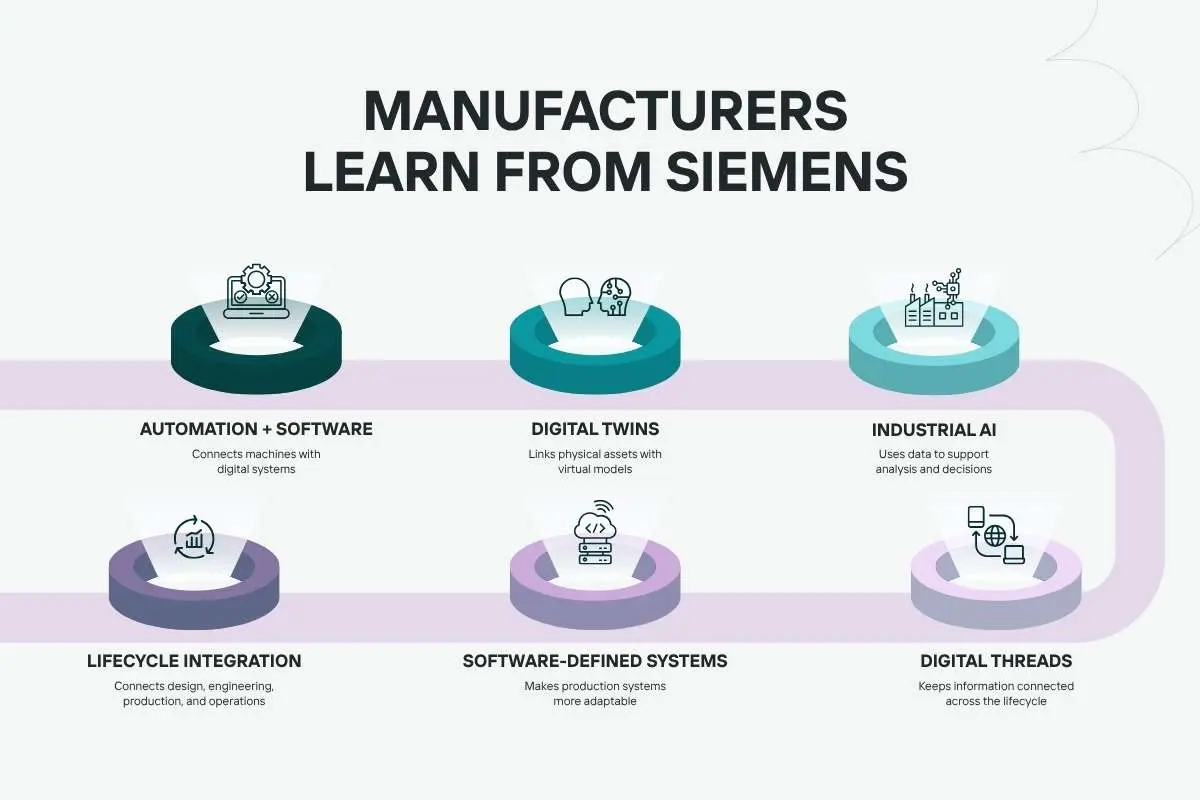
Siemens is a useful example of what happens when a manufacturer looks at the whole operation instead of adding disconnected tools one at a time.
Its approach brings several pieces together:
| Focus | What it does |
| Automation + software | Connects machines with digital systems |
| Digital twins | Links physical assets with virtual models |
| Industrial AI | Uses data to support analysis and decisions |
| Digital threads | Keeps information connected across the lifecycle |
| Software-defined systems | Makes production systems more adaptable |
| Lifecycle integration | Connects design, engineering, production, and operations |
This broader intelligent manufacturing approach is central to the Siemens smart manufacturing strategy, which focuses on connecting the physical and digital worlds across industrial operations.
The lesson is not that every factory needs a Siemens-sized technology stack. It is that connected systems usually create more value than isolated upgrades. One smart machine is useful. Knowing how it fits into the bigger picture is better.
Which tools belong in a practical factory stack?
You do not need every tool available. A practical stack usually brings together systems that each solve a specific part of the production puzzle:
| Tool | Primary job | Typical use |
| Sensors & IIoT devices | Capture machine and process data | Monitor temperature, pressure, vibration, speed, and other conditions |
| SCADA systems | Monitor industrial processes | Give operators a live view of equipment and production |
| PLCs | Control machines and processes | Run equipment, sequences, and automated actions |
| MES | Manage production operations | Track work orders, production, quality, and shop-floor activity |
| ERP systems | Manage business operations | Connect production with inventory, purchasing, orders, and planning |
| CMMS | Manage maintenance | Track assets, work orders, inspections, and maintenance schedules |
| Machine vision | Inspect products | Detect defects, verify parts, and support quality checks |
| Industrial robots | Automate physical tasks | Handle repetitive, precise, or hazardous work |
| Edge platforms | Process data locally | Analyze machine data close to where it is generated |
| Cloud platforms | Store and analyze data | Bring data together for wider analysis and access |
| Analytics & AI tools | Turn data into insights | Spot patterns, predict issues, and support decisions |
The value of modern manufacturing comes from how these tools work together, not from simply having more of them. NIST also highlights interoperability and reliable data flows as important foundations for connected manufacturing systems.
A factory with ten well-connected tools can be far more effective than one with 30 systems that refuse to play nicely with each other.
Do you need certifications to build a smarter factory?
Not necessarily. A factory does not become smarter because everyone suddenly has a certificate on the wall. What matters is having people who understand the technology, processes, standards, and risks involved.
The main areas to consider are:
- Professional certifications: Validate an individual’s knowledge in areas such as automation or controls.
- Technical training: Builds the practical skills needed to operate, maintain, or implement new systems.
- Manufacturing standards: Help different systems and processes work consistently together.
- Cybersecurity standards: Help protect connected machines, networks, and industrial systems.
- Company compliance: Covers specific safety, legal, customer, or industry requirements.
ISA offers certification and training programs covering automation, control systems, enterprise integration, and ISA/IEC 62443 industrial cybersecurity.
Smart manufacturing still needs a solid implementation plan. The right smart manufacturing certifications can strengthen your team’s skills, but they cannot compensate for poor planning, bad data, or disconnected systems.
What should a realistic implementation roadmap look like?

Nobody needs to wake up Monday morning and announce, “Right, we’re digitizing the entire factory.” That is a fast route to chaos.
A more realistic smart manufacturing roadmap looks like this:
- Find the problem: Start with a real production bottleneck.
- Set a baseline: Measure what is happening today.
- Choose one use case: Pick a focused problem worth solving.
- Connect the needed data: Bring together only the information required.
- Test the solution: Run a controlled pilot.
- Measure the result: Compare performance against the baseline.
- Standardize it: Build the successful approach into normal operations.
- Scale carefully: Extend it to other machines, lines, or sites.
The first project should teach the organization something useful, not just produce a flashy demo. A small, measurable win can reveal what technology, skills, and data the wider rollout will actually need.
What will matter most as factories move through 2026?
The factory of 2026 is not just becoming more automated. It is becoming more connected, flexible, and data-driven. Industrial AI, digital twins, better sensing, adaptive production, and connected supply chains are all moving into the conversation.
But there is a catch. smart manufacturing cannot run on clever algorithms and messy data. Strong data foundations, systems that can communicate, cybersecurity, and people with the right skills still matter.
NIST’s July 2026 roadmap highlights industrial big data, advanced sensing, autonomous systems, digital twins, robotics, supply-chain optimization, and sustainable manufacturing as key areas for AI and machine learning in manufacturing.
So, as factories move forward, the winners may not be the ones with the fanciest technology. They may be the ones that can make all these pieces work together without creating another expensive digital headache.
What should a manufacturer remember before making the leap?
Before investing in new systems, it helps to keep five things firmly in view:
- Start with a production problem. Know what needs fixing before choosing the technology.
- Make data usable before making it clever. Clean, accessible data comes before fancy analytics.
- Connect people and systems. Technology works better when operators, engineers, IT, and production systems are part of the same conversation.
- Measure the result. With intelligent Manufacturing, success should show up in something that matters, whether that is less downtime, higher output, better quality, or lower costs.
- Scale what works. A successful pilot can become a repeatable model for other lines, machines, or sites.
The bigger idea is simple: smart manufacturing is not one machine, software package, or factory upgrade. It is about connecting technology, people, processes, and data so the factory can see more, respond faster, and make better decisions.
Conclusion: Where should you go deeper from here?
By now, you have the bigger picture. The next step depends on what is happening inside your factory.
Got a technology question? Start with the systems and tools that can support your production goals, rather than collecting software like trading cards.
Watching the budget? Look at the potential returns first. A clear business case can tell you whether an idea is worth scaling.
Battling downtime? Machine data, maintenance planning, and earlier warnings may point toward a better approach.
Comparing approaches? Looking at Industry 4.0 and traditional manufacturing side by side can clear up plenty of confusion.
Starting small? Smaller manufacturers can begin with a focused problem instead of attempting a factory-wide transformation.
And when it comes to actually making the change, the useful questions get more specific: Which process should come first? What should you measure? What mistakes should you avoid? What skills will your team need?
The important thing is not how quickly you can add new technology, but how deliberately you can use it. A small manufacturer does not need the biggest system, the newest machine, or a factory covered in dashboards. It needs a clear problem, useful data, and a solution that can prove its worth. Start there, learn from the result, and let each successful improvement earn the next investment.
That is what makes smart manufacturing practical for smaller businesses. You are not trying to build a perfect factory overnight. You are building a better one, one measurable improvement at a time. And when the technology supports the people, the process, and the goals of the business, “smart” stops being a buzzword and starts becoming a competitive advantage.
That is where the wider world of smart manufacturing starts turning into something practical for your factory.
FAQ: What do people usually want to know?
1. What is Smart Manufacturing?
It connects machines, data, software, people, and automation to help factories monitor operations and make faster, better-informed production decisions.
2. What technologies are used in digital manufacturing?
Common technologies include sensors, industrial automation, connected systems, analytics, AI, manufacturing software, robotics, and tools that help production data move between systems.
3. Is modern manufacturing only for large factories?
No. Smaller manufacturers can begin with a focused use case, such as reducing downtime or improving quality, then expand once the results are clear.
4. What is the biggest benefit?
The biggest benefit is better visibility. Teams can spot problems earlier, understand what is happening, and make more informed decisions instead of relying on guesswork.
5. How do you start?
Choose one measurable production problem, establish a baseline, connect the data you need, test a focused solution, and measure whether it improves the result.