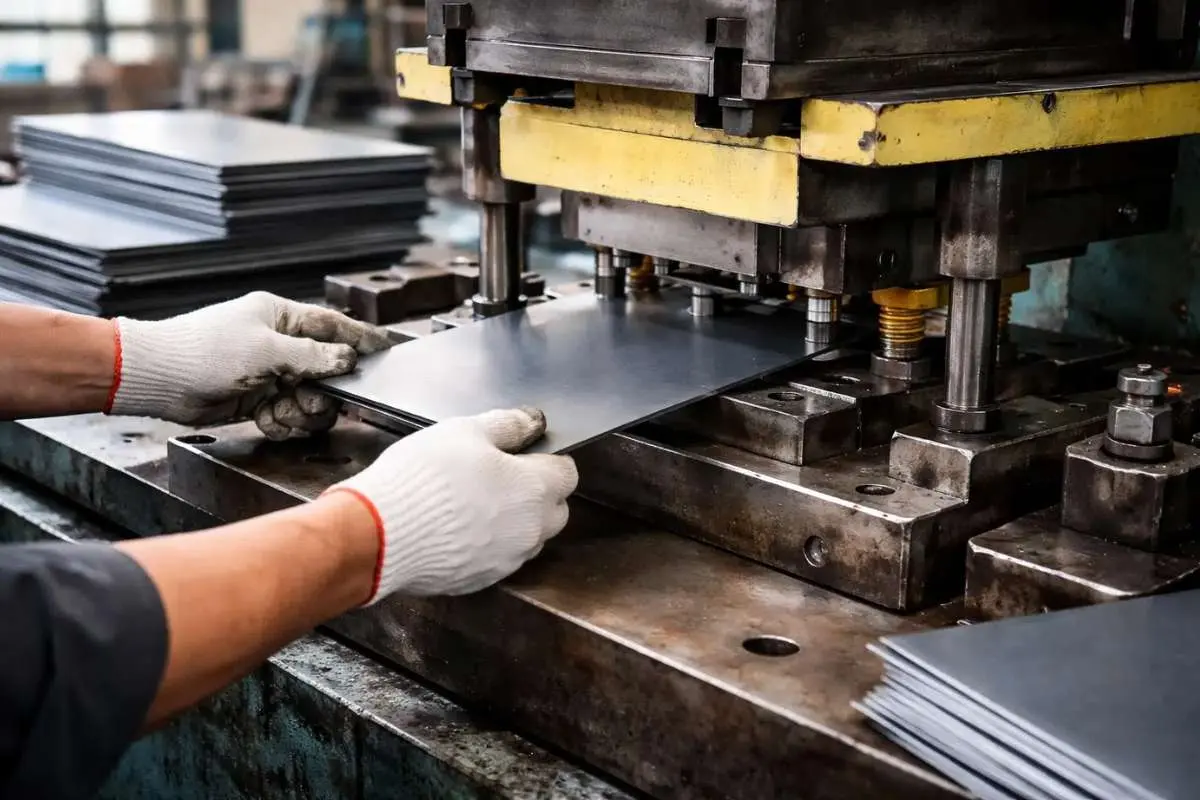
Quality metal stamping services support daily production in automotive, construction, hardware, and industrial manufacturing. Buyers rely on stamped parts for stable dimensions, clean-cut edges, and repeatable fit during assembly. Good service covers much more than shaping sheet stock under pressure. Material verification, die condition, inspection frequency, finishing steps, and shipment control all affect part performance. A dependable source helps purchasing teams avoid scrap, line stoppages, and preventable cost growth across long production schedules.
Here are the key signs of quality metal stamping services:
1. Core signals
Before issuing a purchase order, buyers usually review alloy grade, press tonnage, die upkeep, and inspection records. Those details shape how Metal Stamping Services affect dimensional accuracy, edge condition, and total production cost after the quoted piece price is set. A capable source reduces scrap, limits delays, and keeps downstream assembly more stable during larger runs that carry close tolerance requirements.
2. Material control

Material behavior starts with grade, temper, thickness, and surface condition. Stainless steel forms differently than carbon steel, while aluminum reacts in its own way under load. Small gauge variation can affect flatness, hole quality, and edge fracture. Reliable teams verify incoming coils or sheets, record lot data, and match each batch to the print. That discipline lowers the chance of cracking, warping, or weakly formed areas.
3. Tooling standards
Die condition often decides whether output stays consistent over time. A worn tool can leave burrs, stretch holes, or shift critical features away from print limits. Skilled crews monitor hit counts, inspect wear points, and sharpen components before defects spread across a run. Maintenance records matter because they show whether tooling receives planned care, rather than attention only after rejects begin to rise.
4. Press capability
Press selection should reflect part geometry, stock hardness, thickness, and planned volume. Tonnage, stroke length, bed size, and feed accuracy all influence consistency during forming. Buyers should expect a clear explanation of which machine fits the job and why. That level of detail points to process control, while guesswork usually appears later as shape drift, excess burr, or uneven hole formation.
5. Dimensional checks
Effective inspection works best when it follows the drawing at each stage. High-quality metal stamping services often include first-piece approval, in-process sampling, and final lot verification before release. Teams may measure hole diameter, outside dimensions, burr height, thickness, and flatness. Recorded data supports traceability and helps catch drift early. Early correction costs far less than sorting finished cartons after a shipment reaches the receiving dock.
6. Finishing needs

Many stamped parts need secondary work before they are ready for use. Heat treating can raise hardness, while plating may improve corrosion resistance or surface performance. Deburring also matters where safe handling, tight fit, or smooth assembly is required. When production begins, buyers benefit from discussing finishing needs. Early planning reduces rework and lowers the risk of later service failure in the field.
7. Production range
A strong source should handle common parts and custom shapes with equal control. Some programs call for standard washers in high volume. Others require unusual diameters, heavier gauges, or tighter strength targets. Service quality shows during setup changes, revision control, and repeat orders placed months later. Approved samples should guide each new run so buyers receive parts that match earlier accepted production.
8. Domestic supply
For many manufacturers, domestic production can shorten transit time and simplify communication. It may also help with sample requests, quality visits, and sudden schedule changes. Source visibility matters here. Buyers should know where material originates, how inventory is staged, and whether outside processors handle secondary work. Clear answers reduce uncertainty and help purchasing teams judge lead time risk with better confidence.
9. Service records

Past performance offers practical evidence of future reliability. Buyers often review years in operation, product range, and formal quality credentials before moving ahead. Publicly listed facts, such as long operating history or automotive certification, can support that review. Those details do not replace technical assessment, but they indicate whether process habits have been sustained over time. Consistent discipline usually leaves a visible record.
10. Order planning
Service quality also appears in quoting, scheduling, packaging, and routine communication. Clear lead times, realistic minimums, and prompt updates help buyers plan inventory with fewer surprises. A dependable source asks useful questions about annual usage, release timing, labeling, and pack method before production starts. Early alignment helps prevent partial shipments, stock shortages, or rush freight charges that erase savings from a low quoted price.
Conclusion
Quality metal stamping services should feel measurable from the first review. Buyers should expect controlled material, maintained tooling, suitable press choice, documented inspection, and realistic scheduling. Finishing support and traceable records also matter because many stamped parts serve demanding applications with little margin for error. A supplier that explains process details clearly gives purchasing teams stronger confidence in cost, delivery, and long-term part performance across repeat orders.