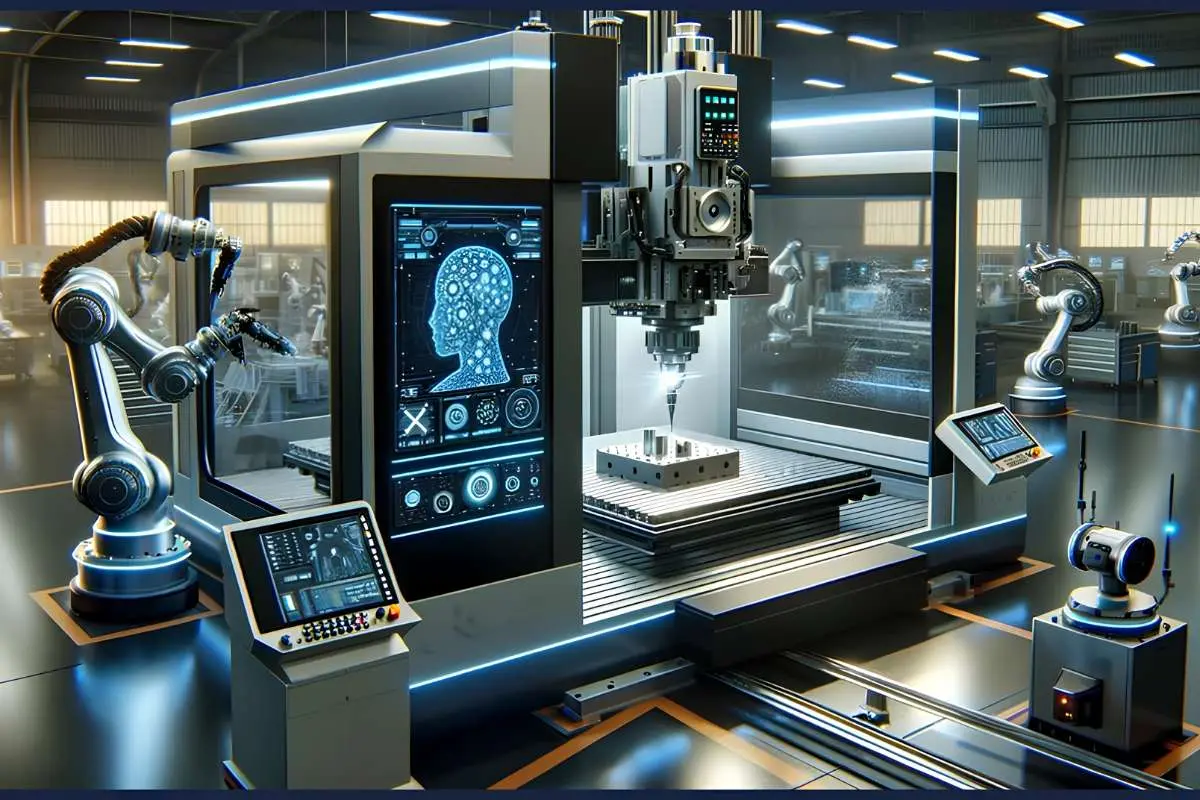
The real difference is how the factory makes decisions
Two factories can have similar machines, similar workers, and the same production targets, yet run very differently. The difference often comes down to how quickly each one can see what is happening and respond.
In smart manufacturing vs traditional manufacturing, the gap is not simply about old machines versus new technology. Traditional systems can be reliable, proven, and cost-effective. They often rely more on manual checks, fixed processes, historical data, and reactive decisions.
Connected, data-driven operations work differently by putting more useful information in front of the people who need it. So, what actually changes? Production visibility, decision-making, downtime, costs, quality, flexibility, workforce needs, and long-term ROI all come into play.
What changes when you compare smart manufacturing with traditional manufacturing?
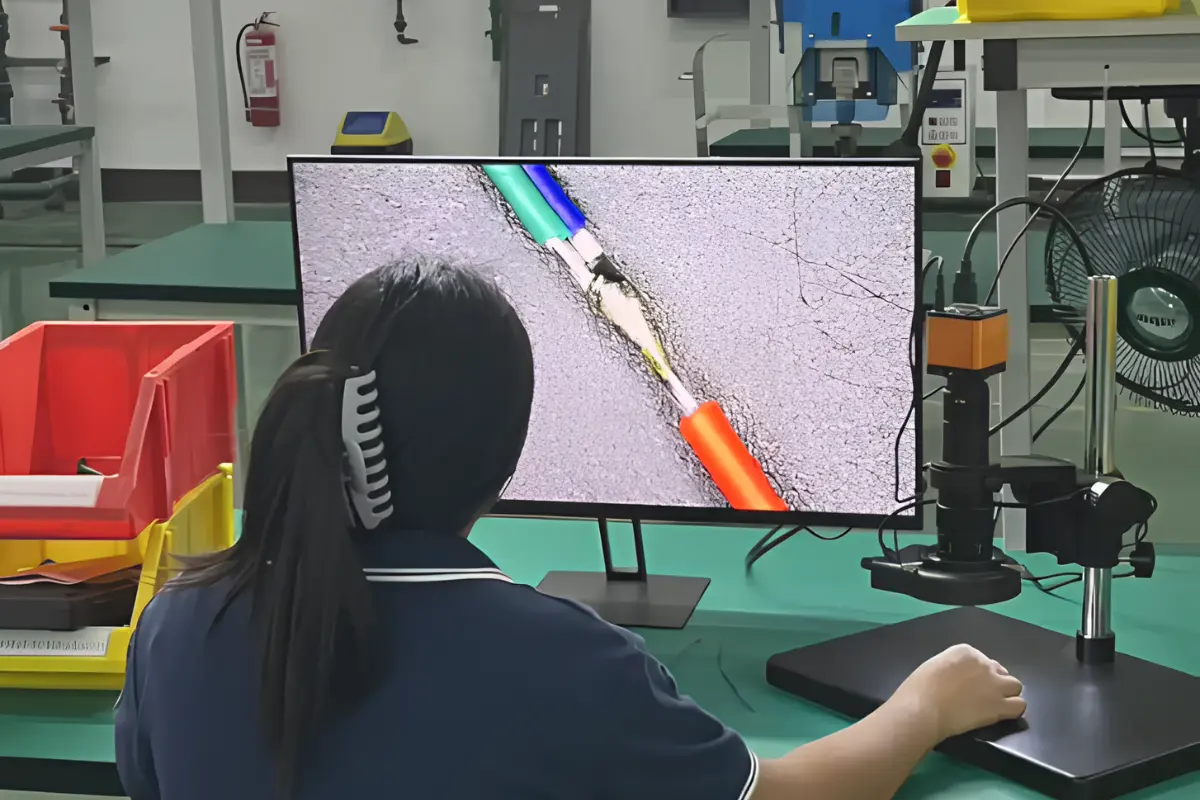
Traditional manufacturing often depends on established equipment, manual inspections, scheduled maintenance, and records spread across paper, spreadsheets, or separate systems. These methods can work well, especially when processes are stable and predictable.
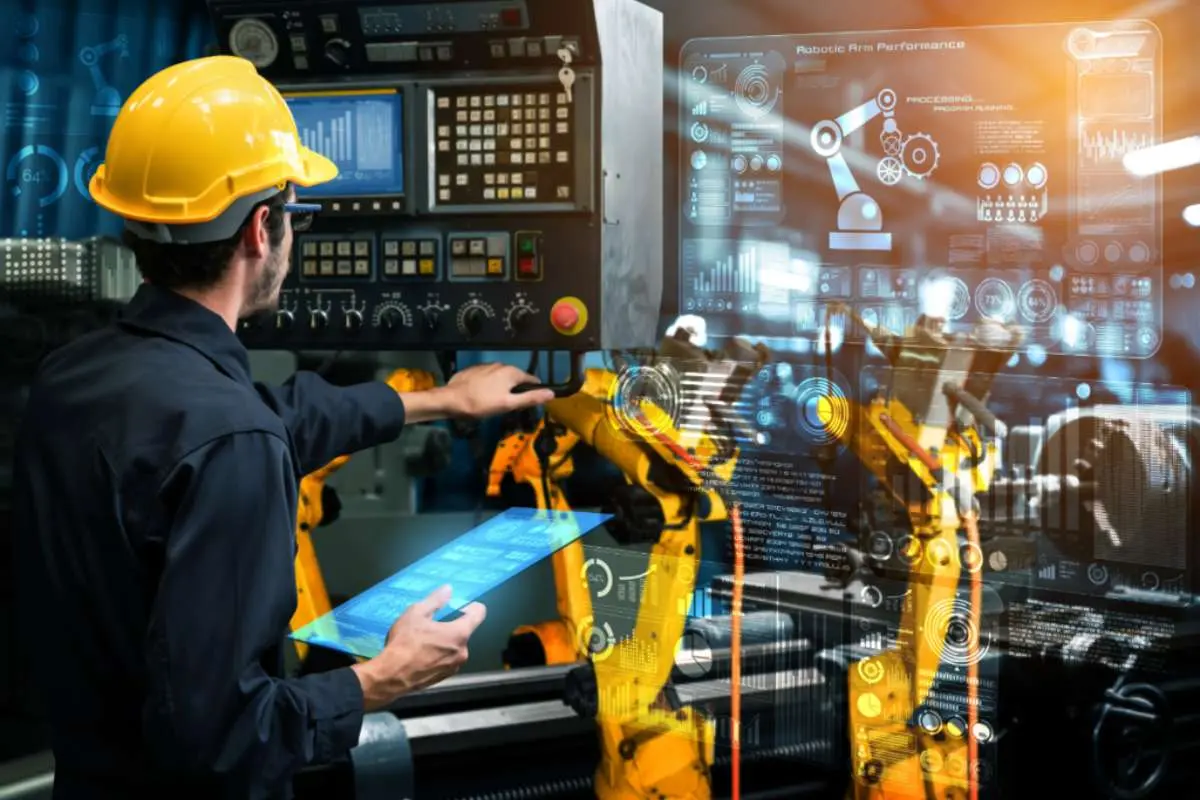
Smart manufacturing connects machines, processes, people, and data. That gives teams a clearer view of the production floor and helps them respond faster when something changes.
At the heart of smart manufacturing vs traditional manufacturing are a few practical differences:
| Traditional approach | Smart approach |
| Manual data collection | Automated data collection |
| Scheduled maintenance | Condition-based insights |
| Historical information | Near-real-time information |
| Separate systems | Connected systems |
| Reactive decisions | Faster, data-informed decisions |
The shift does not mean replacing every machine, either. Often, it means making existing operations easier to understand, measure, and control.
That is why looking at the smart manufacturing process is more useful than simply listing technologies. Both approaches can produce good products. The real difference is how much information teams have, how quickly they get it, and what they can do with it.
Smart Manufacturing vs Traditional Manufacturing: The Production Floor Tells a Very Different Story
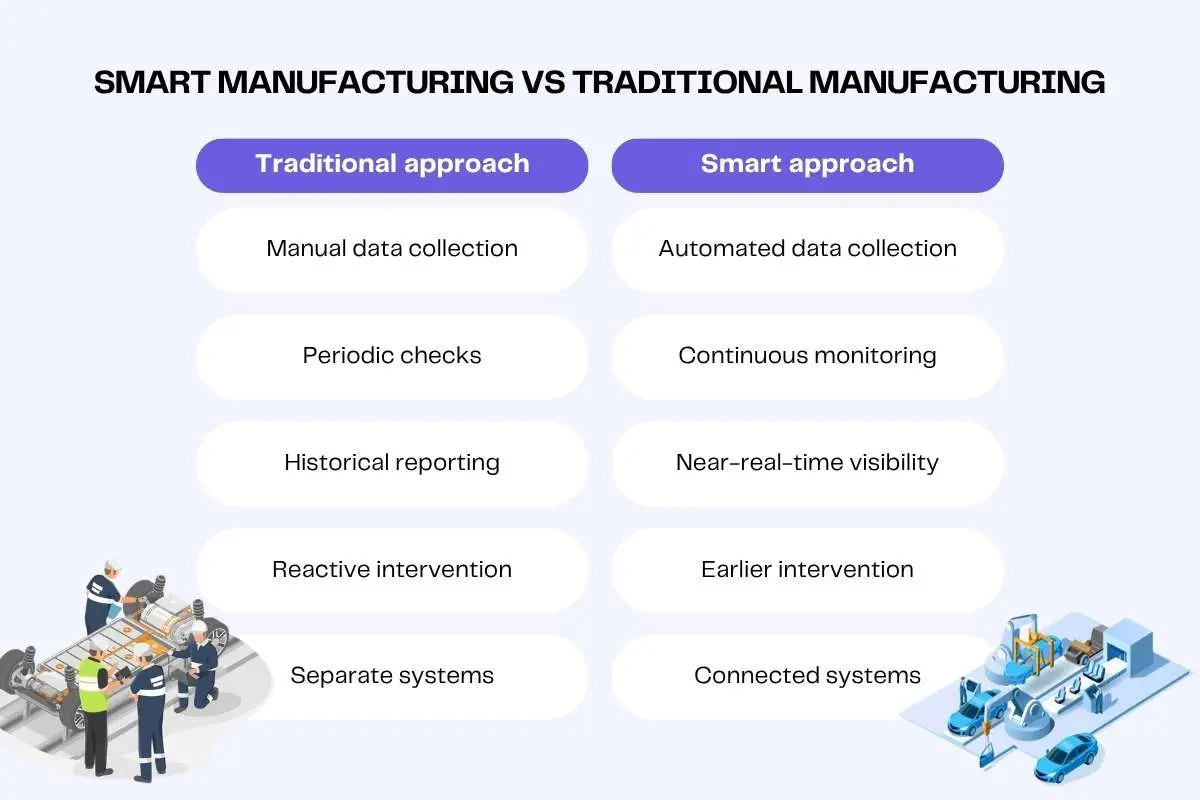
Walk onto a traditional production floor, and you may find operators recording readings, supervisors checking machines at set intervals, and managers reviewing reports after a shift. The information is useful, but it may arrive after the moment when action would have helped most.
With smart manufacturing vs traditional manufacturing, the practical difference is how quickly information moves from the machine to the person making the decision.
| Traditional approach | Smart approach |
| Manual data collection | Automated data collection |
| Periodic checks | Continuous monitoring |
| Historical reporting | Near-real-time visibility |
| Reactive intervention | Earlier intervention |
| Separate systems | Connected systems |
This is where smart manufacturing technologies become useful. Sensors, connected equipment, analytics, and automation can bring production information into a shared view.
The goal is not to collect data for the sake of collecting it. It is to help workers and managers see problems sooner, understand what is changing, and act with better information.
Downtime exposes the cost of working reactively
A machine rarely chooses a convenient time to fail. In a traditional setup, a problem may only become obvious after equipment stops, output drops, or an operator spots something unusual. By then, lost production, delays, or wasted material may already be adding up.
With smart manufacturing vs traditional manufacturing, the difference is often what happens before the breakdown. Machine data and condition monitoring can help teams spot changes in:
- Temperature or vibration
- Machine performance
- Pressure or other operating conditions
- Cycle times and production patterns
That does not mean every failure can be predicted. The useful advantage is having better information before and during a problem, so teams can investigate sooner instead of waiting for the machine to make the announcement itself.
This is where reducing downtime with smart manufacturing becomes practical. The goal is simple: spot issues earlier, respond faster, and limit the impact when equipment does fail.
The results can be significant. The World Economic Forum’s latest Lighthouse cohort reported an average 40% increase in labour productivity and 48% reduction in lead time. These are Lighthouse-site results, not a guarantee for every factory.
Where the money goes: upfront cost versus operating cost
The cost difference is not as simple as cheap versus expensive. Traditional manufacturing can avoid some technology costs because it already has familiar equipment, processes, and systems in place. But those savings can be offset by ongoing costs that are harder to spot.
For example, traditional operations may face:
- More manual work for monitoring and reporting
- Higher downtime costs
- Scrap and rework
- Inefficient use of materials or energy
Smart manufacturing can require more upfront spending on integration, training, data infrastructure, and maintenance. But once implemented well, it can make operating costs easier to track and reduce avoidable losses.
That is why smart manufacturing vs traditional manufacturing should really be viewed through the problem being solved. Smart manufacturing ROI starts with a clear baseline: what does the problem cost today, and what improvement would justify the investment?
The cost barrier is real, too. In 2025, the U.S. Department of Energy announced nearly $13 million to help small and medium-sized manufacturers access smart manufacturing technologies.
Quality gets less dependent on catching mistakes at the end
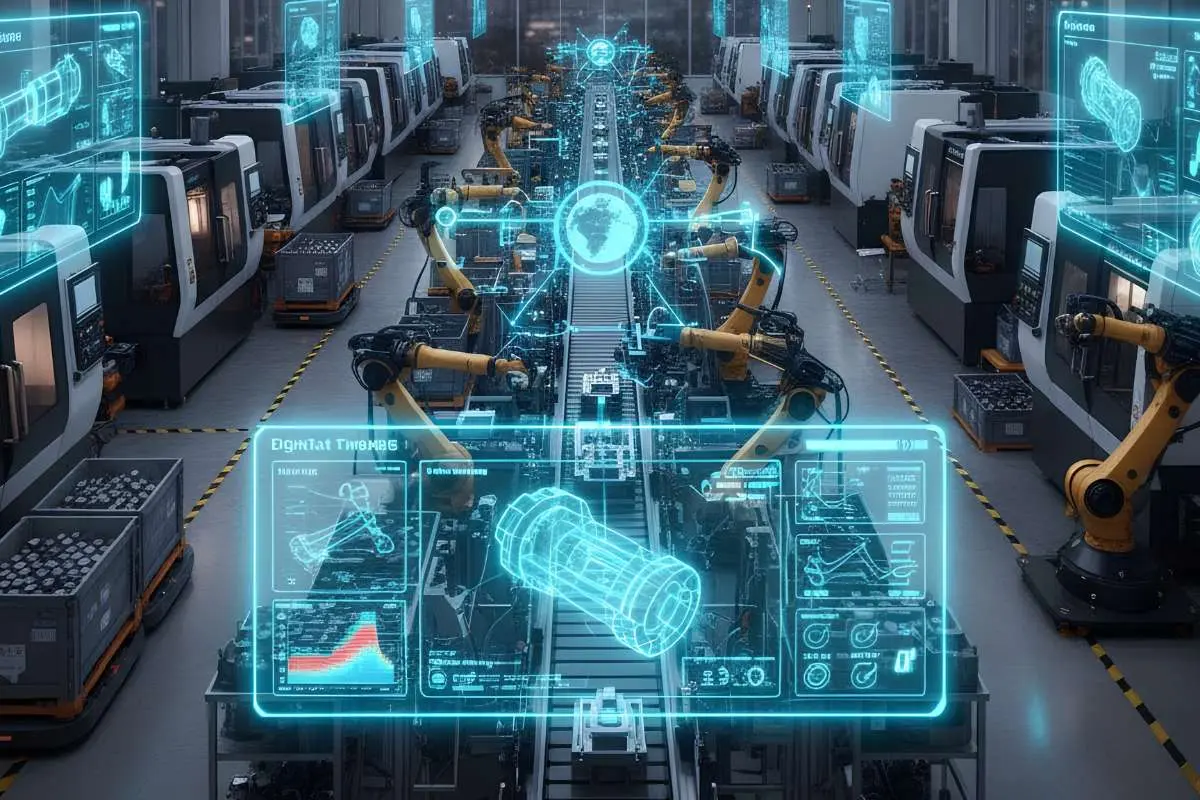
Quality control changes quite a bit when you compare smart manufacturing vs traditional manufacturing. Traditional operations may rely heavily on final inspections or scheduled quality checks. These methods can catch defects, but they may find the problem after time and materials have already been spent.
Smart systems can bring machine data, process conditions, analytics, and automated inspection together to spot unusual changes earlier. That shifts the focus from simply finding defects to preventing them.
Instead of waiting for a finished product to fail inspection, teams can:
- Detect process variation sooner
- Trace problems back to operating conditions
- Reduce repeated manual checks
- Build a clearer history of quality issues
- Support faster root-cause analysis
This is also why smart manufacturing metrics need to look beyond one shiny number. Defect rate, first-pass yield, scrap, rework, OEE, and cycle time can each reveal a different part of the quality picture.
Flexibility matters when demand refuses to behave
Markets rarely stay polite and predictable. Traditional systems can work very well when production stays steady, but things get harder when orders change often or customers want more variety. That is where smart manufacturing vs traditional manufacturing becomes a more practical comparison.
A connected setup can help teams adjust more easily when they need:
- More product variants
- Smaller production batches
- Faster changeovers
- Shorter lead times
- More frequent production adjustments
Because information can move more easily between planning, production, maintenance, and quality teams, everyone has a clearer picture of what needs to change and when.
And flexibility is not reserved for giant factories with enormous technology budgets. Smart manufacturing for small businesses can start with one process, one machine, or one recurring problem. There is no rule saying you need to digitize the entire factory before lunch.
The technology is useful only when the process is ready for it
Buying new technology does not automatically fix an old process. In fact, smart manufacturing vs traditional manufacturing can become a pointless comparison if the underlying process is poorly designed. You can end up with a digitally documented bad process, which is still a bad process, just with better Wi-Fi.
Before adding new systems, manufacturers need a few basics in place:
- Clear ownership of each process
- Reliable, usable data
- Worker involvement
- Defined improvement goals
- Systems that can work together
- Proper training
This is where smart manufacturing mistakes often begin. A company may buy a tool before defining the problem, collect data nobody uses, overlook the people operating the process, or expect instant ROI.
The technology should support the process, not become the process. Get that order backwards, and even the fanciest system can struggle to deliver much value.
So which model actually makes sense for your factory?
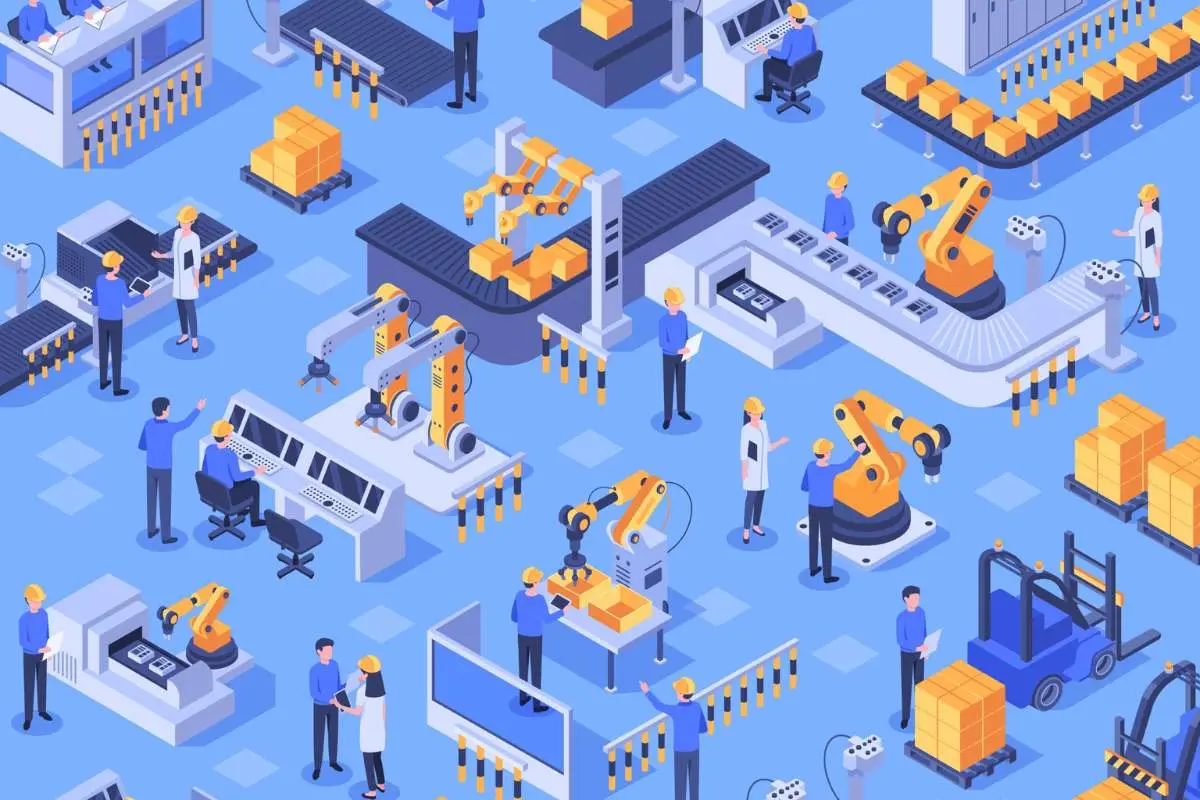
There is no universal winner in smart manufacturing vs traditional manufacturing. The right fit depends on the process, the problems you face, and what the investment needs to achieve.
Traditional methods may still make sense when:
- Processes are stable and predictable
- Production is relatively simple
- Existing systems perform well
- Data needs are limited
- The cost of change outweighs the likely gain
Smart manufacturing may make more sense when:
- Downtime is expensive
- Processes are complex
- Quality variation creates costly waste
- Production needs to change quickly
- Teams lack timely operational data
- The factory needs to scale
The smart manufacturing lessons from top manufacturers often point to the same practical idea: start with a specific business problem, then choose the technology that can help solve it. The technology comes second.
The best answer is often somewhere between the two
Factories rarely wake up on Monday and decide to become completely digital by Friday. In smart manufacturing vs traditional manufacturing, most improvements happen in stages, with manufacturers building on what already works.
A practical path looks like this:
Find the problem → measure the baseline → improve the process → add useful data → test the technology → measure the result → scale what works.
That also means existing machines do not automatically need replacing. A connected sensor, better data system, or targeted automation may be enough to improve a specific process.
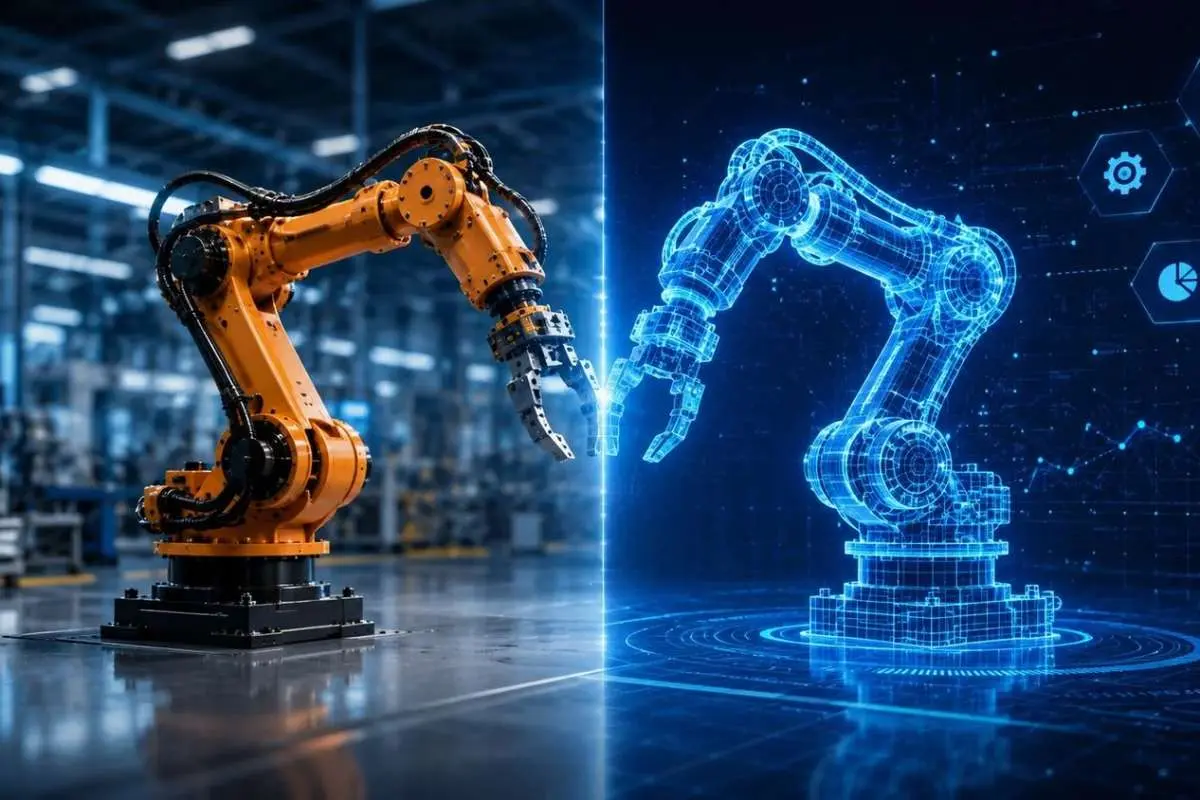
For more complex changes, a digital twin can also become useful. Virtual models can help manufacturers explore process changes before making them on the physical production floor.
Conclusion: Compare the outcomes, not the labels
At the end of the day, the question is not whether smart manufacturing sounds more modern. It is whether it actually solves a problem in your factory without creating three new ones.
Traditional methods can still work well for stable, predictable processes. In smart manufacturing vs traditional manufacturing, the smarter choice depends on whether better data, faster decisions, lower downtime, stronger quality, or greater flexibility can deliver measurable gains.
Before replacing equipment or buying another shiny dashboard, look at what is costing you today and what needs to improve. If you want the bigger picture, our guide to Smart Manufacturing is a good place to explore how the pieces fit together.
A factory does not get bonus points for being the most digital one in the room. It gets them for making better products with fewer headaches.
Frequently Asked Questions
1. What is the main goal of smart manufacturing?
Smart manufacturing aims to improve production by using connected systems, real-time data, automation, and analytics to support faster, better-informed decisions.
2. Can traditional manufacturing be upgraded to smart manufacturing?
Yes. Smart manufacturing vs traditional manufacturing does not require replacing every machine. Manufacturers can add sensors, connected systems, automation, or analytics to existing operations.
3. How does smart manufacturing affect factory workers?
It can reduce repetitive data collection and give workers better information for monitoring, troubleshooting, quality checks, and decision-making.
4. What should a factory digitize first?
Start with a process where downtime, waste, quality issues, or manual work create a measurable business problem.
5. How long does smart manufacturing implementation take?
The timeline for smart manufacturing vs traditional manufacturing varies by scope. Smaller projects can begin within months, while larger, integrated transformations may take considerably longer.
Sources
- World Economic Forum. Global Lighthouse Network 2025: World Economic Forum Recognizes 12 New Sites Driving Holistic Transformation in Manufacturing. Supports the productivity and lead-time statistics used in the article. World Economic Forum
- U.S. Department of Energy. U.S. Department of Energy Announces Nearly $13 Million to Incentivize Smart Manufacturing at Small- and Medium-Sized Facilities. Supports the section on smart manufacturing investment and SME adoption. U.S. Department of Energy
- National Institute of Standards and Technology (NIST). Data Analytics for Smart Manufacturing Systems. Supports the discussion of data-driven decision-making, analytics, integration, and challenges for smaller manufacturers. NIST: Data Analytics for Smart Manufacturing Systems