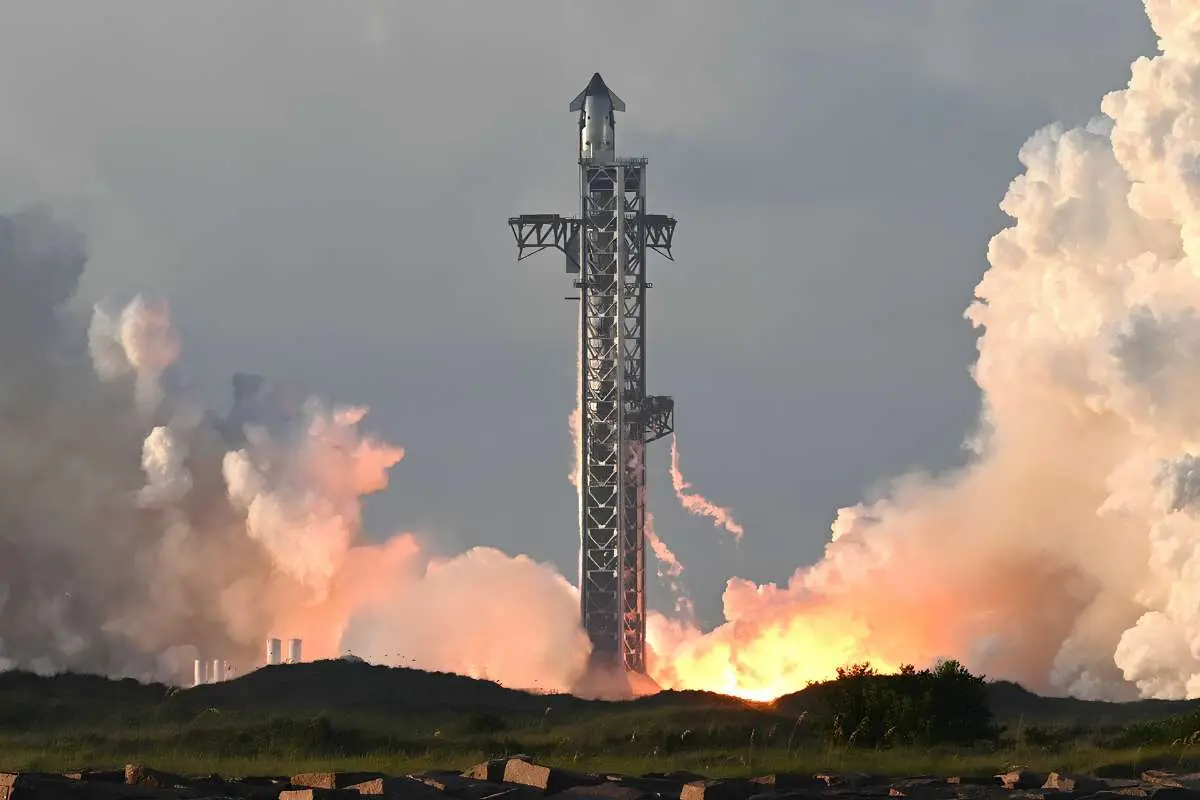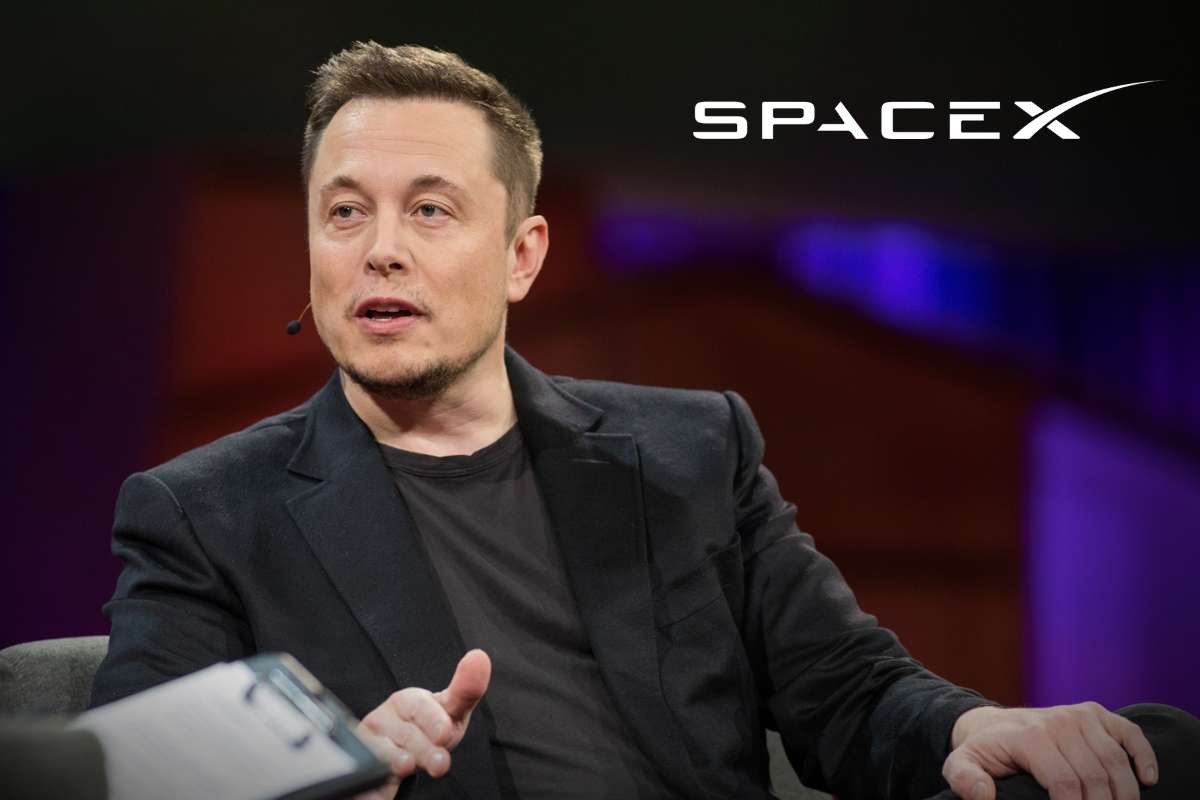
SpaceX has signaled a significant shift in its space exploration priorities, placing the Moon at the center of its long-term ambitions. SpaceX Reorients Space Strategy as Elon Musk said the company will now focus on building a “self-growing city” on the lunar surface, a settlement designed to expand and sustain itself with minimal reliance on Earth. The move reflects a strategic reassessment of feasibility, timelines, and logistical efficiency in humanity’s push beyond Earth.
Musk explained that the Moon offers a faster and more practical path to large-scale human presence in space. Unlike Mars missions, which depend on planetary alignment windows occurring roughly every two years, lunar missions can be launched far more frequently. This allows SpaceX to test technologies, build infrastructure incrementally, and correct failures at a much faster pace. According to Musk, a functioning and expanding lunar city could be achievable within the next decade, marking a dramatic acceleration in space settlement plans.
The renewed focus on the Moon also comes amid intensifying global competition in lunar exploration. Governments and private companies alike are racing to establish a permanent presence, with the Moon increasingly viewed as a gateway for deeper space missions, resource utilization, and scientific advancement.
Mars Remains the Goal, But the Timeline Shifts
While the Moon now takes precedence, SpaceX has not abandoned its long-standing vision of colonising Mars. Musk confirmed that plans for a Martian city are still in place, though they have moved lower on the company’s immediate priority list. He suggested that early groundwork for a Mars settlement could begin within the next five to seven years, but only after critical lunar milestones are achieved.
This adjustment marks a departure from earlier projections that placed Mars missions at the forefront of SpaceX’s roadmap. As SpaceX Reorients Space Strategy, the decision reflects the immense challenges associated with Mars travel, including long journey times, limited launch opportunities, and higher risks for human crews. By contrast, the Moon’s proximity allows for quicker resupply, emergency returns, and continuous development of life-support systems, habitats, and construction techniques.
Industry experts view the lunar-first approach as a pragmatic step, enabling SpaceX to build a sustainable space economy closer to Earth before attempting interplanetary settlement on a much larger scale.
Corporate Expansion Fuels SpaceX’s Lunar Ambitions
SpaceX’s revised space strategy coincides with major developments across Musk’s business empire. As SpaceX Reorients Space Strategy, the company has moved to integrate advanced artificial intelligence capabilities following its acquisition of an AI firm, a move expected to support complex space operations, autonomous construction, and data-intensive systems both in orbit and on the lunar surface.
At the same time, SpaceX is preparing for a potential public listing that could raise tens of billions of dollars, providing fresh capital to fund its most ambitious projects to date. The company is also exploring concepts such as space-based computing infrastructure, positioning itself at the intersection of space technology and artificial intelligence.
Together, these developments underscore how SpaceX Reorients Space Strategy toward large-scale space industrialization. If successful, the proposed self-growing lunar city could redefine humanity’s relationship with space, transforming the Moon from a destination into a permanent extension of human civilisation.