Industrial surface treatment has always played a critical role in manufacturing, maintenance, and equipment lifecycle management. Whether it is removing rust, old coatings, oil residues, or surface contaminants, effective cleaning directly impacts product quality, safety, and operational efficiency. In recent years, laser cleaning machines have emerged as a transformative solution, offering industries a cleaner, more precise, and more sustainable alternative to traditional surface treatment methods.
7 Core Aspects of Laser Cleaning Machines in Industrial Surface Treatment
1. The Limitations of Traditional Surface Cleaning Methods
For decades, industries have relied on methods such as sandblasting, chemical cleaning, grinding, and high-pressure water cleaning. While these approaches can be effective, they often come with significant drawbacks. Abrasive techniques may damage the base material, chemical cleaning raises environmental and safety concerns, and manual processes tend to be labor-intensive and inconsistent.
In addition, increasing environmental regulations and rising labor costs have pushed manufacturers to rethink how surface treatment is performed. Companies are now looking for solutions that reduce waste, minimize health risks, and improve process control without compromising efficiency.
2. How Laser Cleaning Technology Works?
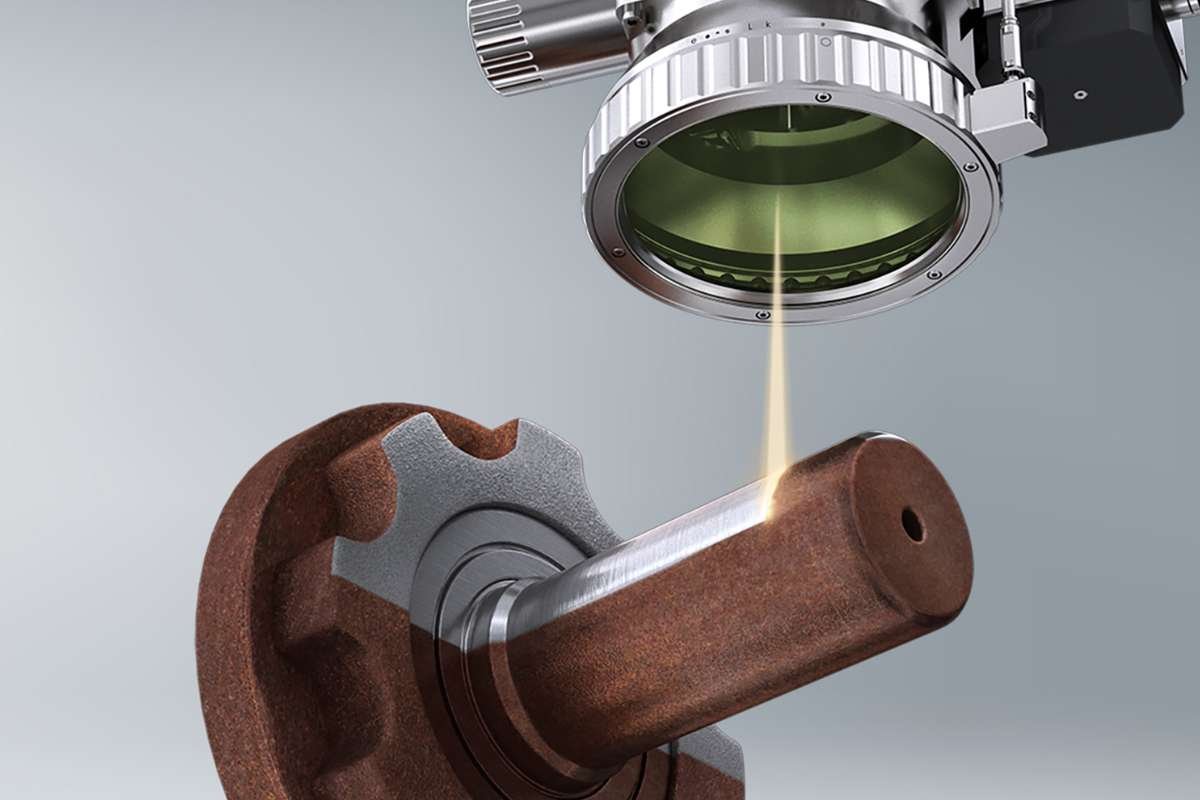
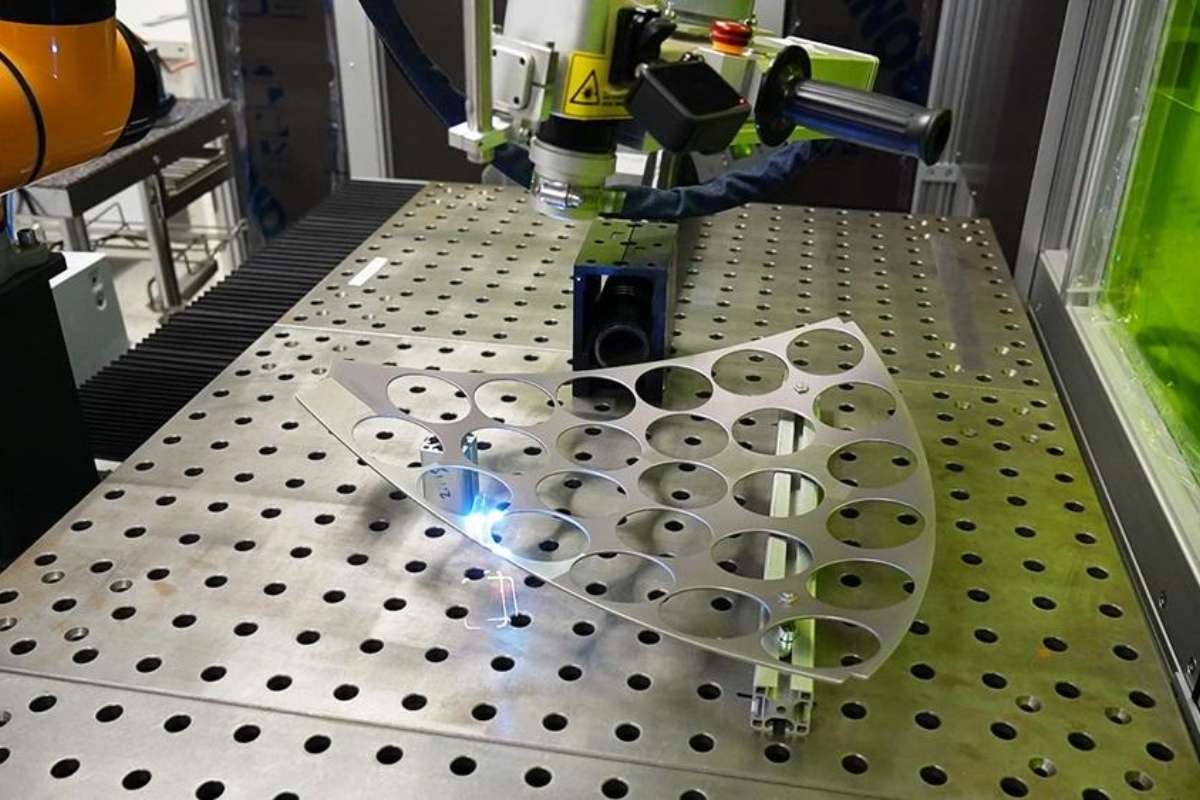
Laser cleaning uses high-energy laser pulses to interact with contaminants on a material’s surface. The laser energy is absorbed by rust, paint, oil, or oxides, causing them to vaporize or detach from the surface. The underlying material, which reflects or dissipates the laser energy differently, remains largely unaffected.
This non-contact process allows for extremely precise cleaning, even on complex geometries or sensitive components. As a result, laser cleaning can be applied to metals, molds, tools, and industrial equipment without altering surface integrity.
3. Precision and Material Protection
One of the most significant advantages of laser cleaning machines is precision. Unlike abrasive methods, laser parameters such as pulse duration, frequency, and power can be adjusted to target specific contaminants while preserving the substrate. This makes laser cleaning ideal for applications where surface quality is critical, such as aerospace components, automotive parts, and precision molds.
Manufacturers increasingly adopt a laser cleaning machine because it enables repeatable, controlled cleaning processes that traditional methods struggle to achieve, especially when dealing with high-value or delicate materials.
4. Environmental and Workplace Benefits
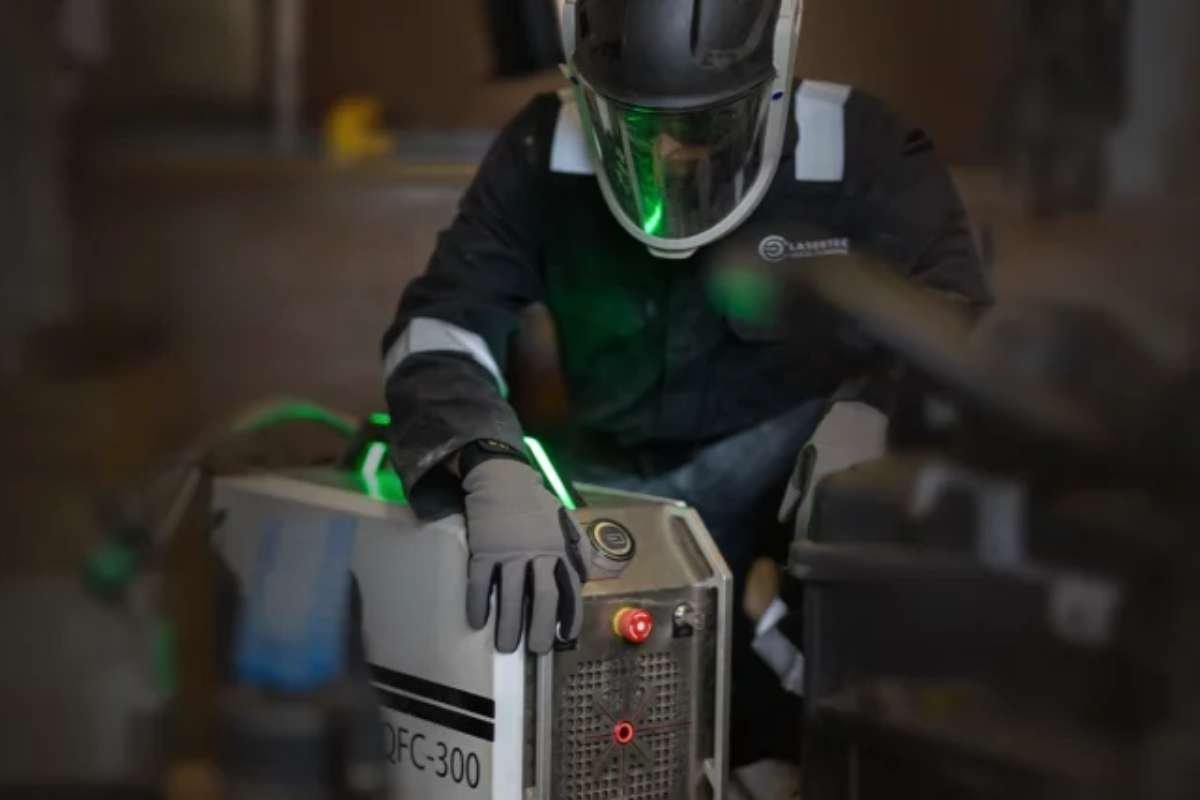
Sustainability has become a major concern across industries, and laser cleaning aligns well with modern environmental goals. The process typically requires no chemicals, produces minimal secondary waste, and significantly reduces dust and debris compared to abrasive cleaning.
From a workplace perspective, laser cleaning improves safety by eliminating exposure to hazardous chemicals and reducing noise levels. Automated or semi-automated systems further reduce the need for manual labor, lowering the risk of injuries and improving overall working conditions.
5. Cost Efficiency Over the Long Term
While the initial investment in laser cleaning equipment may be higher than conventional tools, the long-term cost benefits are increasingly attractive. Laser cleaning reduces consumable costs, such as chemicals, abrasives, and replacement parts. Maintenance requirements are generally lower, and downtime is minimized due to faster and more efficient cleaning cycles.
For industries focused on long-term operational efficiency, laser cleaning offers a compelling return on investment. As production lines become more automated, integrating laser cleaning into existing workflows also becomes easier and more cost-effective.
6. Broad Industrial Applications
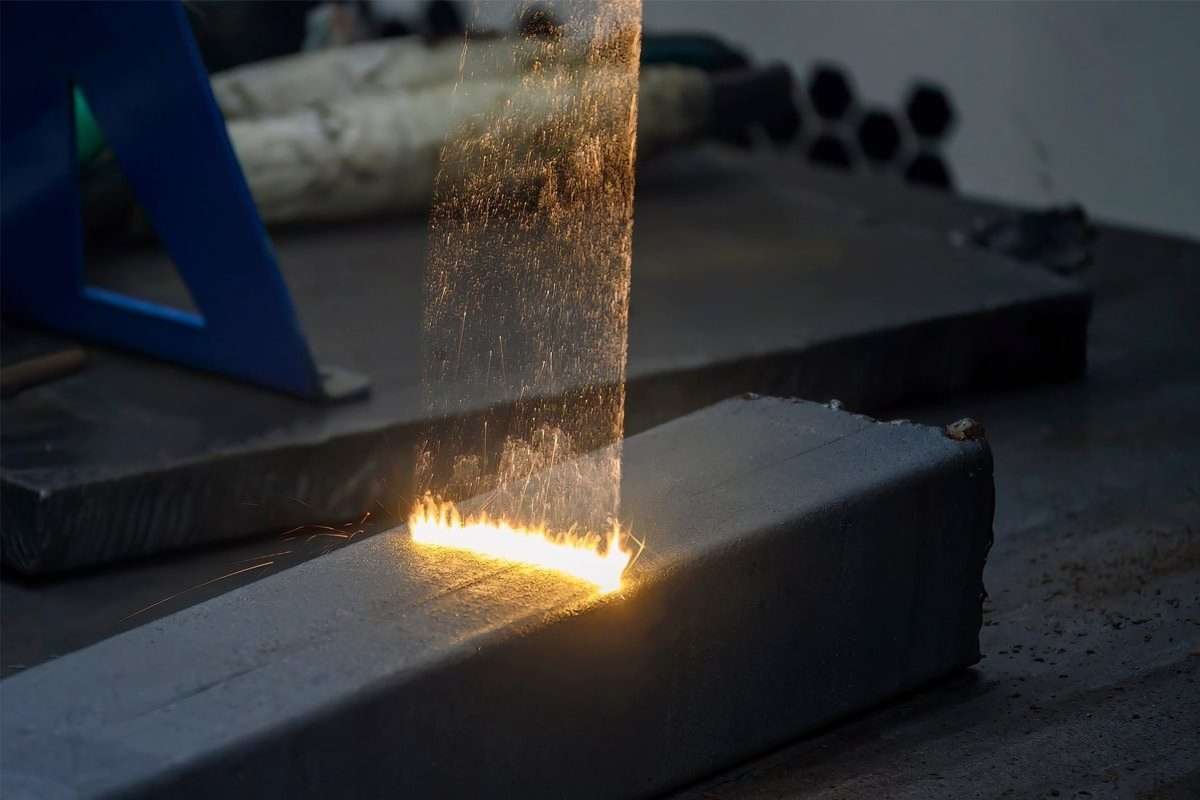
Laser cleaning machines are now used across a wide range of industries. In manufacturing, they are applied for surface preparation before welding, bonding, or coating. In maintenance and repair operations, laser cleaning removes corrosion and residues from machinery and tools. Even heritage conservation and shipbuilding industries have adopted laser cleaning for its precision and non-destructive capabilities.
This versatility makes laser cleaning a future-proof solution as industries continue to demand higher quality standards and cleaner production processes.
7. The Future of Industrial Surface Treatment
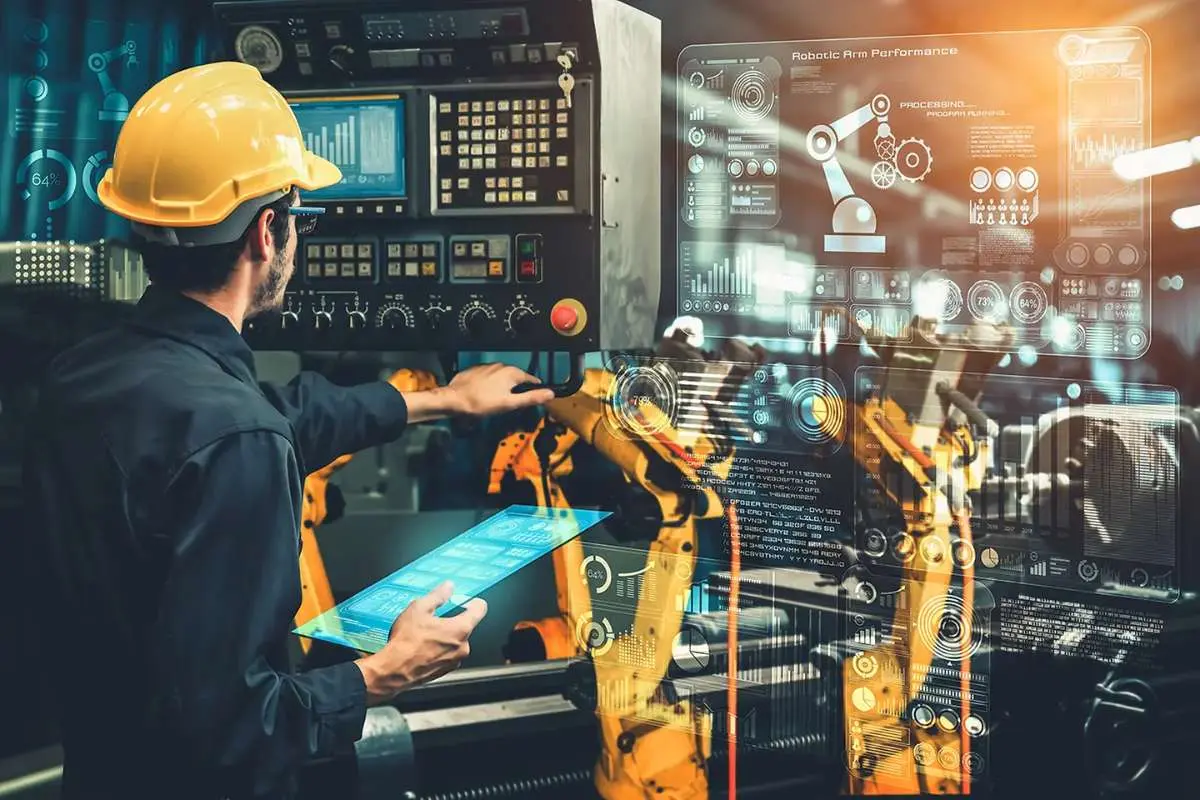
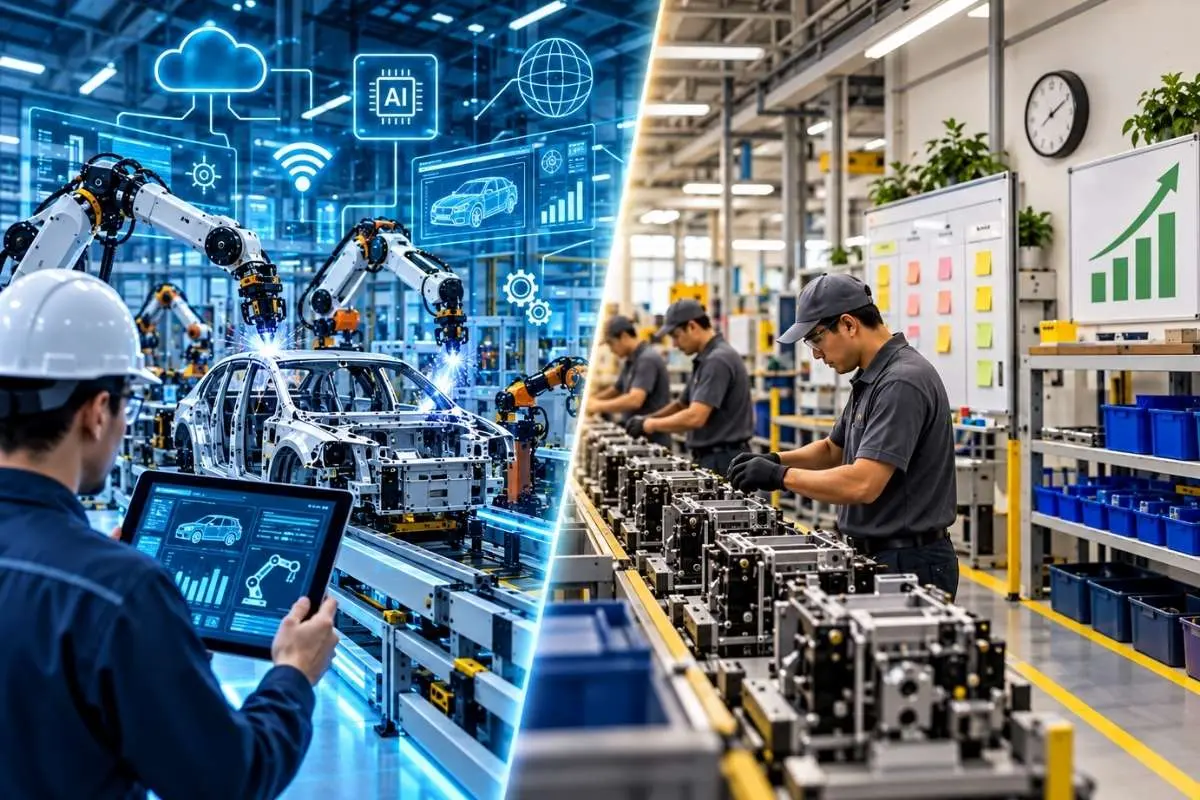
As technology advances, laser cleaning systems are becoming more compact, energy-efficient, and intelligent. Integration with automation systems and robotics is accelerating, allowing manufacturers to achieve higher consistency and productivity. With continued innovation, laser cleaning is expected to play an even greater role in smart manufacturing and Industry 4.0 environments.
In conclusion, laser cleaning machines are reshaping how industries approach surface treatment. By offering precision, sustainability, and long-term cost advantages, they provide a modern solution to challenges that traditional methods can no longer address efficiently. As more companies seek cleaner and smarter production processes, laser cleaning is set to become a standard in industrial surface treatment.