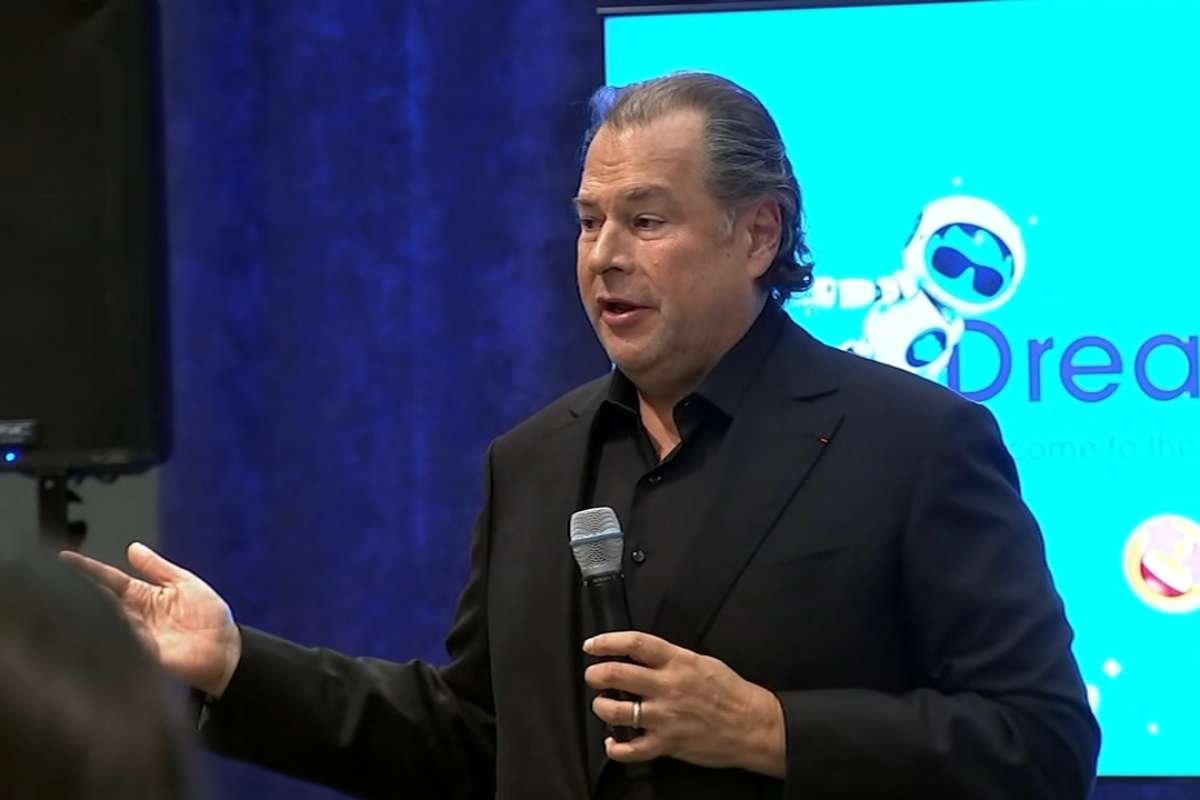
Salesforce internal backlash has intensified after CEO Marc Benioff made jokes referencing U.S. Immigration and Customs Enforcement (ICE) during the company’s annual Company Kickoff event in Las Vegas on February 10, 2026. The remarks, delivered early in his keynote address, reportedly involved asking employees who had recently traveled internationally to stand, followed by comments implying that ICE agents were present or monitoring them.
While the comments appeared intended as humor, several employees described the moment as uncomfortable and tone-deaf. The response in the room was mixed, with some attendees reportedly groaning rather than laughing. The incident quickly became a topic of discussion on internal communication channels, where workers questioned whether the remarks aligned with Salesforce’s long-standing public commitments to equality and inclusion.
A recording of the keynote was later posted on the company’s internal platform. However, employees noted that the ICE-related jokes were edited out of the shared version, a move that further fueled Salesforce internal backlash and speculation about leadership’s awareness of the backlash. As of now, the company has not issued a formal public statement addressing the incident.
Executives Address Employee Concerns
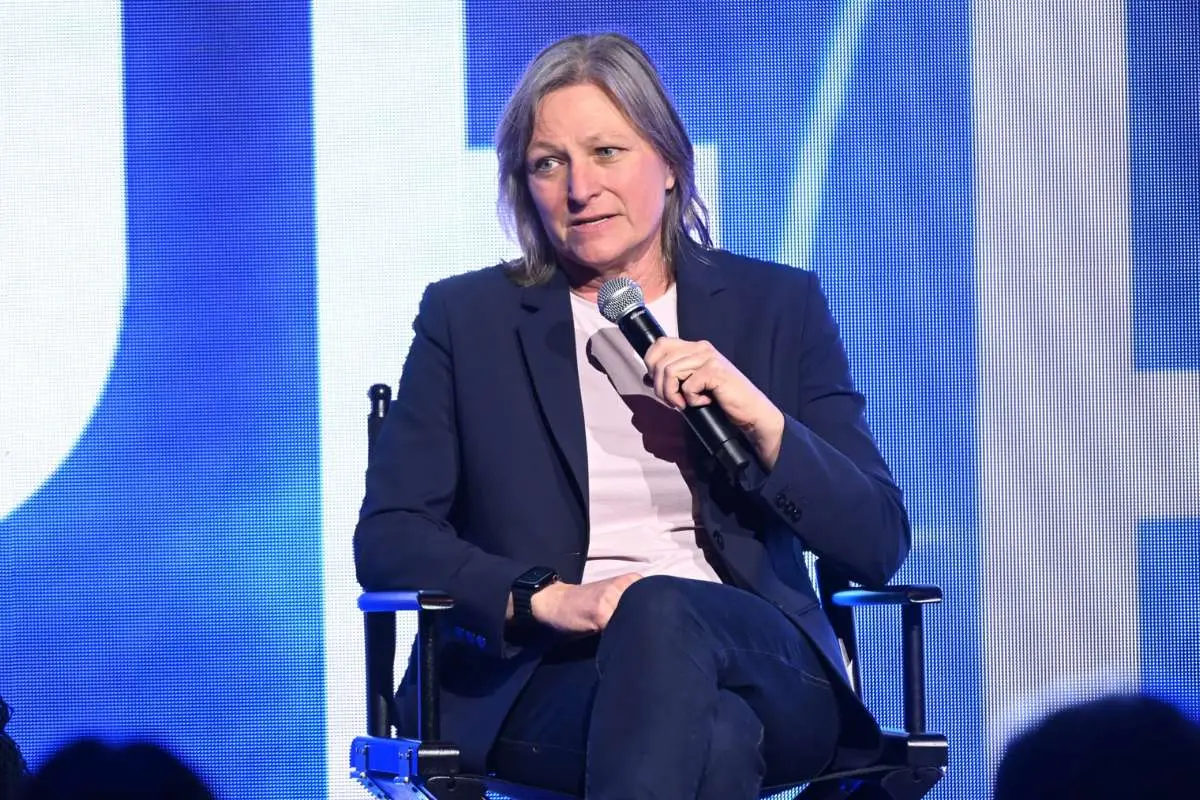
In the days following the event, senior Salesforce leaders acknowledged the growing unease within the organization. Rob Seaman, Executive Vice President and General Manager of Slack, shared an internal message stating that the comments did not reflect his personal values and recognized that many employees were hurt or unsettled. He indicated that leadership needed to confront the issue directly if trust was to be maintained.
Craig Broscow, a Salesforce vice president, also urged a transparent response. In his message to staff, he emphasized that while the company had celebrated strong performance milestones and positive business developments, the controversy had overshadowed those achievements. He encouraged leadership to address the matter openly rather than allowing frustration to simmer internally.
Employees across teams expressed concern not only about the jokes themselves but about broader cultural implications, adding momentum to the ongoing Salesforce internal backlash. Some described the remarks as insensitive, given ongoing national debates surrounding immigration enforcement. Others questioned whether leadership fully understood the impact such comments could have on colleagues with personal or family ties to immigration issues. The discussion revealed underlying tensions about corporate responsibility, inclusivity, and leadership accountability.
Broader Questions About Corporate Values
The controversy has also reignited debate over Salesforce’s relationship with government agencies and the ethical use of its technology. More than a thousand employees have reportedly signed an internal letter calling for clearer policies regarding business ties connected to immigration enforcement. The letter urges company leadership to take a stronger public stance and ensure its technology is not used in ways that conflict with employee values.
This episode highlights the evolving expectations placed on tech leaders. Employees increasingly expect executives to demonstrate sensitivity on social and political matters, particularly when those issues intersect with human rights and public policy. For Salesforce, a company that has built much of its brand around stakeholder capitalism and corporate activism, the internal reaction underscores how quickly perceived missteps can escalate.
Marc Benioff has long been recognized as an outspoken figure in the tech industry, often engaging publicly on social issues. However, the latest incident has fueled Salesforce internal backlash, suggesting even offhand remarks can carry significant weight in a workforce that expects alignment between corporate messaging and leadership behavior.
As discussions continue within the company, many employees are looking for clarity and reassurance that Salesforce’s stated values will guide both its public actions and internal culture moving forward.