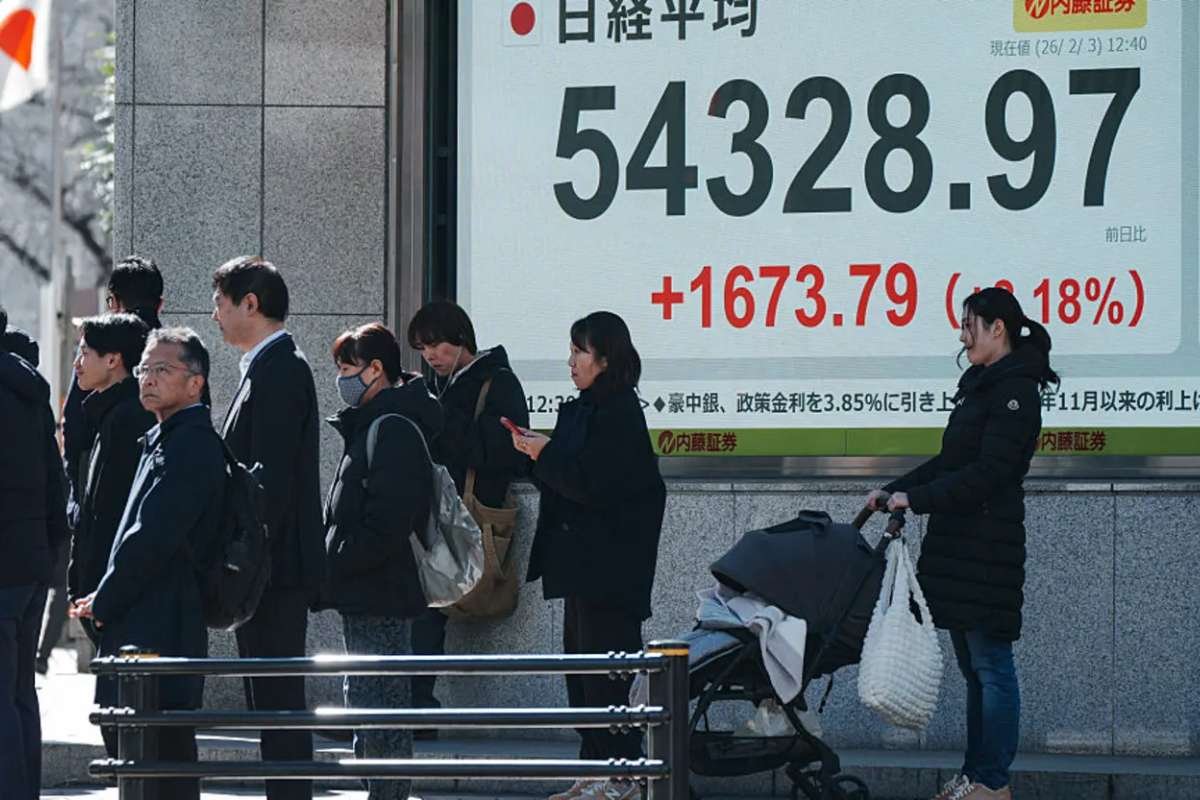
Japan Q4 economic growth returned to positive territory in the fourth quarter of 2025, narrowly avoiding a technical recession, but the rebound proved far weaker than markets had anticipated. Preliminary government data showed that gross domestic product (GDP) expanded by just 0.1% quarter-on-quarter in the October–December period, reversing the previous quarter’s contraction.
On an annualized basis, growth stood at approximately 0.2%, significantly below analyst expectations of more than 1%. The muted expansion underscores the fragile state of the world’s fourth-largest economy, which continues to struggle with inconsistent domestic demand and external pressures.
While the return to positive territory technically ends the prior downturn, the minimal pace of recovery signals that underlying economic momentum remains subdued .Japan Q4 economic growth performance underscores that the economy remains vulnerable to domestic consumption trends and global trade conditions, raising questions about the durability of the rebound heading into 2026.
Consumer Spending and Investment Remain Tepid
Private consumption, which accounts for more than half of Japan’s economic output, showed only marginal improvement during the quarter. Household spending rose slightly but failed to deliver the robust boost many had hoped for, reflecting continued pressure on real incomes amid elevated living costs. Japan Q4 economic growth figures are prompting policymakers to explore fiscal and structural measures, including targeted spending initiatives and actions to ease the cost-of-living burden.
Corporate investment also expanded modestly, but capital expenditure figures came in softer than projections. Businesses appear cautious, balancing rising input costs and global uncertainty against the need for expansion. The lack of strong private-sector momentum has limited the economy’s ability to accelerate meaningfully.
External demand provided little support. Exports remained under pressure due to slowing global demand and ongoing trade headwinds. At the same time, import trends did not provide a significant offset, leaving net trade’s contribution to overall GDP largely neutral.
Inflationary pressures, particularly in food and essential goods, continue to weigh on household purchasing power. Although nominal wage growth has shown signs of improvement, real wage gains remain limited, dampening broader consumer confidence. Economists suggest that sustained income growth will be crucial if Japan hopes to achieve stronger domestic-driven expansion in the coming quarters.
Policy Pressure Mounts Amid Sluggish Momentum
The softer-than-expected GDP figures present a significant challenge for Japan’s policymakers. With economic growth lagging forecasts, attention is turning to potential fiscal and structural measures aimed at stimulating demand. Discussions around targeted spending initiatives and measures to ease the cost-of-living burden are expected to intensify.
Despite the weak quarterly performance, Japan’s overall annual growth for 2025 remained positive, indicating some resilience within the broader economy. However, the pace of expansion remains below potential, and analysts forecast only moderate growth in early 2026.
The Bank of Japan is likely to maintain a cautious monetary stance as it navigates the delicate balance between managing inflation and supporting economic recovery. Japan Q4 economic growth data highlights the fragile rebound, while excessive stimulus may complicate price stability goals.
Ultimately, Japan’s economic outlook will depend heavily on stronger consumer spending, sustained wage growth, and a recovery in global trade activity. For now, the fourth-quarter data highlights a recovery that has begun but one that remains hesitant and underwhelming.