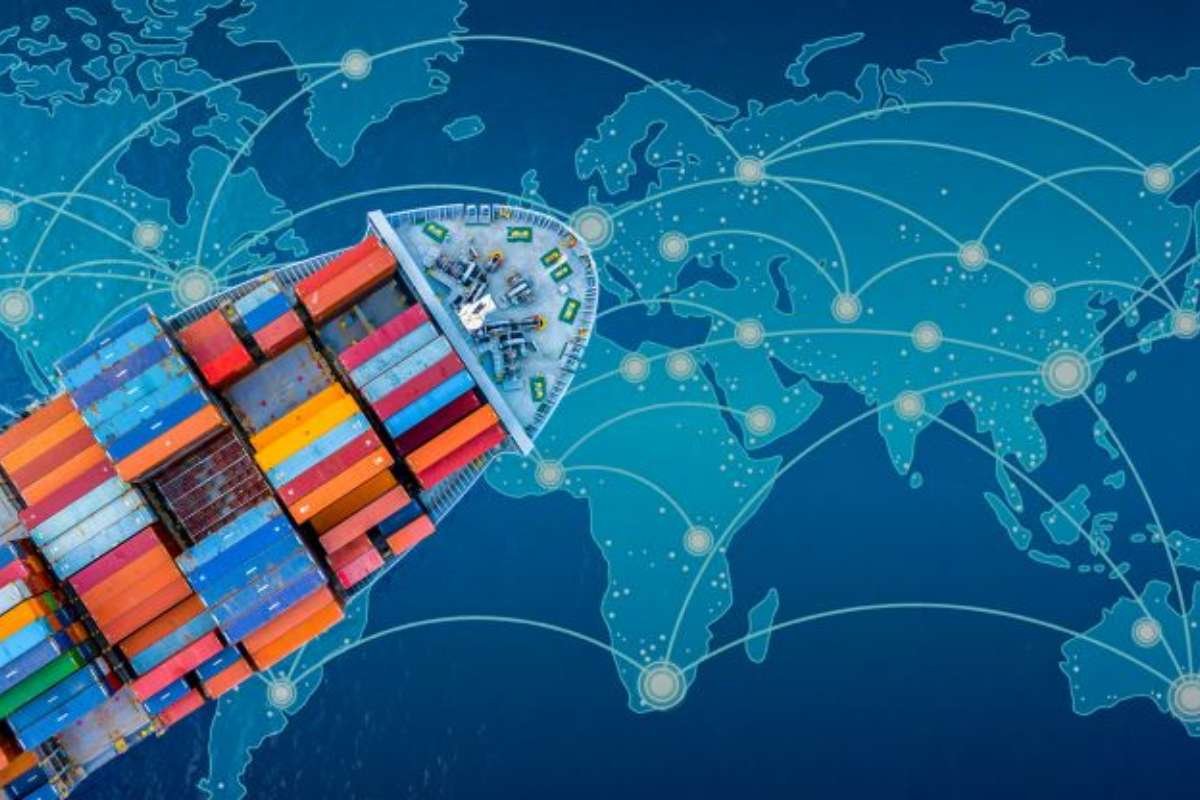
In the high-stakes world of global logistics, many executives view customs compliance as a “necessary evil,” a bureaucratic hurdle that drains resources without generating revenue. Yet as international trade lanes grow more volatile, the most successful enterprises are turning to trade software for exporters as a sophisticated financial tool—one that helps plug invisible leaks in the bottom line.
Here are the most underrated ways this technology saves exporters money that nobody is talking about.
1. Eliminating “Brokerage Fatigue” and Fees
While many businesses exporting out of the country rely on third-party brokers to handle trade filings, the costs add up quickly, not just in flat fees, but in the time spent communicating back and forth.
These fees can be saved by bringing filings in-house and automating them via trade software, significantly reducing per-entry costs and eliminating the “manual data entry tax”, the hours your own staff spends preparing data just to send it to an outside party.
2. Strategic Duty Recovery and Deferral

Many exporters overpay on duties simply because they don’t have the data visibility to claim exemptions.
- Predictive Analytics: Trade software can identify opportunities for Duty Drawback (refunding duties paid on imported goods that are later exported) that manual audits would miss.
- Deferral Programs: Specialized modules allow you to defer duty payments until the moment a product enters the domestic market, significantly improving your cash flow.
3. Precise Product Classification (Avoiding the “Safety Overpay”)
When in doubt, many exporters choose a higher-tariff Harmonized System (HS) code just to play it safe and avoid products being held up at customs. This is a quiet profit-killer.
Trade software for exporters uses machine learning to identify the most accurate—and often lower-cost—classification based on global precedents, helping businesses save thousands of dollars annually.
4. Navigating Regulatory Standards for North American Trade
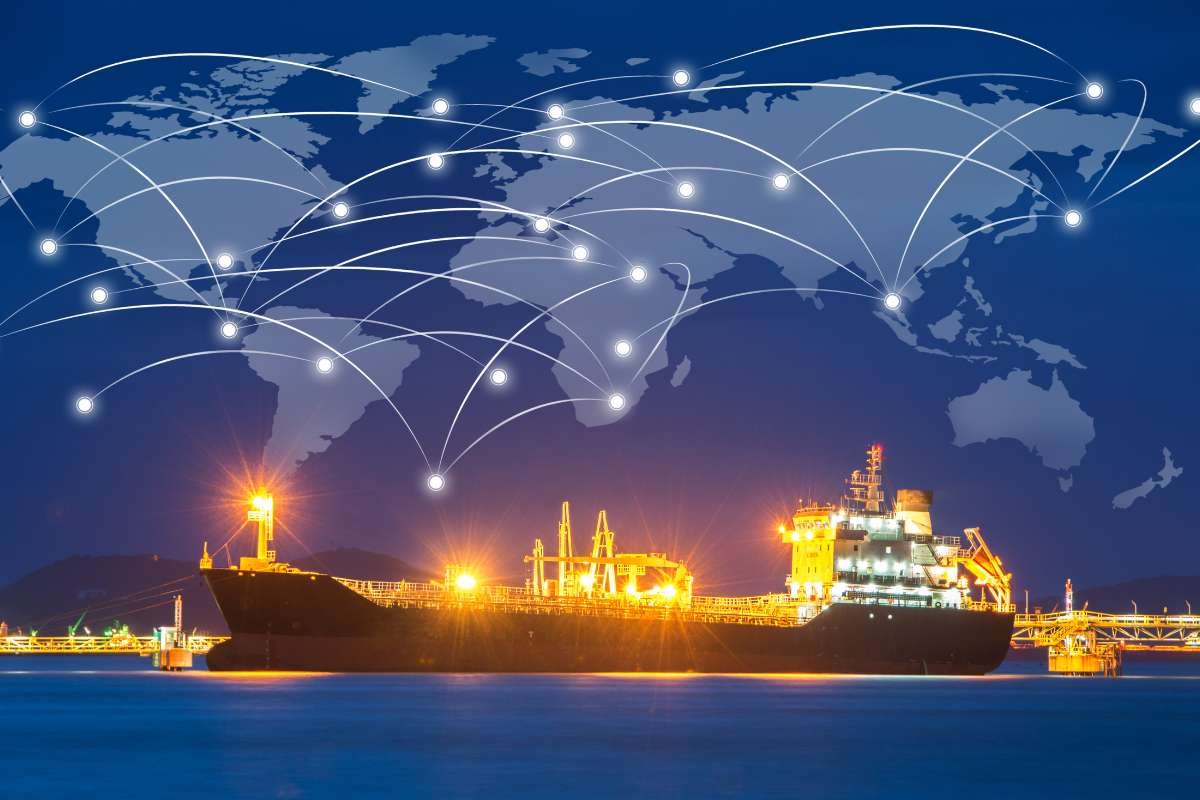
For companies engaged in cross-border trade within North America, speed is the ultimate currency. Failing to meet specific digital requirements can lead to held shipments and massive fines.
- Total Border Coverage: Advanced systems ensure seamless ACE compliance for goods entering the United States and ACI compliance for those moving into Canada.
- The Win: Automating these specific manifests ensures your cargo keeps moving, effectively eliminating the risk of shipments being delayed for inspections and port-side storage fees.
5. Automated “Rules of Origin” Utilization
Free Trade Agreements (FTAs) are often ignored because the paperwork to prove a product’s origin is too complex.
- The Opportunity: Compliance software automatically cross-references your bill of materials against current FTAs (like USMCA).
- The Result: It flags shipments that qualify for zero-duty status, turning complex legal text into immediate bottom-line savings.
Turn Trade Compliance From Cost Center to Competitive Edge
The traditional view of customs as a back-office administrative task is outdated. In today’s borderless economy, the ability to move goods efficiently has become a financial lever. By automating the “boring” parts of trade, trade software for exporters not only helps avoid fines but also optimizes the entire capital structure.
For organizations looking to lead in this new era, customs compliance software solutions provided by CrimsonLogic North America are designed to help exporters simplify cross-border trade, ensuring that their journey into the global marketplace is seamless, secure, and ready for the challenges of tomorrow.