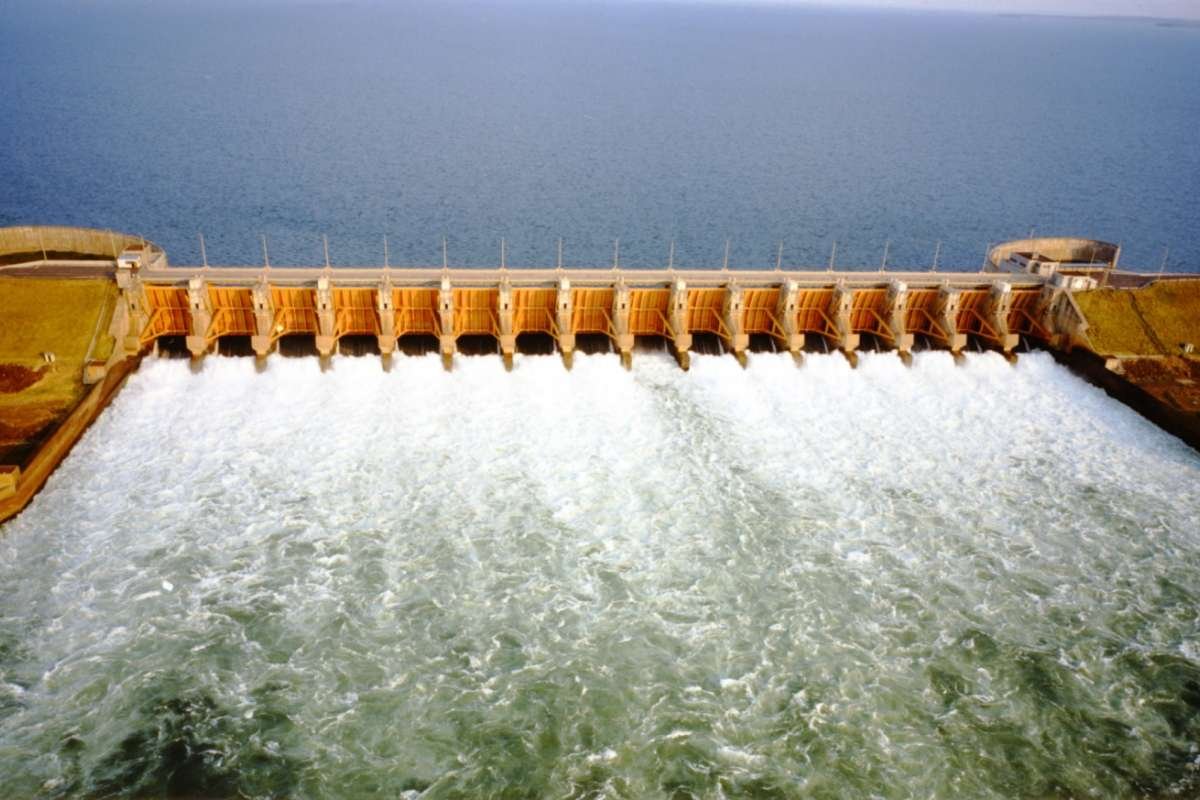
Big problems need big solutions.
Floods do not knock politely. Droughts do not wait. Power demand never sleeps.
That is where the largest dams in the US step in like calm giants.
They hold back roaring rivers. They light up cities. They keep farms alive during dry years. Some stand taller than skyscrapers. Others stretch longer than highways. Each dam tells a story of risk, courage, and smart thinking.
This guide breaks down those stories in simple words. No heavy jargon. Just clear facts, fun moments, and a strong reason to care about these silent heroes.
List of the Top 15 Largest Dams in the US That Shape Everyday Life
5 Largest Dams in the US by Height
These dams stand tall to control deep rivers and heavy water pressure. Their design focuses on strength, balance, and long-term safety.
1. Oroville Dam – California

- Height: 770 feet
- Engineering and Construction: Oroville Dam uses an earthfill design, which means it is built using compacted soil, rock, and clay instead of solid concrete. This design spreads water pressure evenly across the structure. Engineers shaped the dam with wide slopes so it stays stable even during strong water flow. Drainage layers inside the dam allow water to pass safely without causing damage.
- Safety: Safety systems focus on managing heavy rainfall and sudden water rise. The dam has emergency spillways to release excess water during storms. Engineers closely monitor slope movement, water seepage, and internal pressure to prevent failures.
- Maintenance: Maintenance teams inspect the dam year-round. They repair erosion, strengthen slopes, and clean drainage paths. Sensors track moisture and movement, so problems are fixed early before becoming serious.
2. Hoover Dam – Nevada and Arizona

- Height: 726 feet
- Engineering and Construction: The Hoover Dam is a concrete arch gravity dam. Its curved shape pushes water pressure into the canyon walls instead of directly downward. Massive concrete blocks were poured and cooled slowly to avoid cracks. This design gives the dam incredible strength and long life.
- Safety: The dam includes spillways that divert floodwater safely away from the structure. Engineers check concrete stress levels and monitor temperature changes to avoid cracking. Earthquake resistance was built into the original design.
- Maintenance: Routine inspections focus on turbines, concrete joints, and water gates. Any small crack gets sealed quickly. Electrical systems and power units also receive constant upgrades to stay efficient and safe.
3. Glen Canyon Dam – Arizona

- Height: 710 feet
- Engineering and Construction: Glen Canyon Dam is made of thick concrete and shaped as an arch gravity dam. The curved structure holds back the Colorado River while forming Lake Powell. Engineers designed the dam to handle massive water pressure from deep storage.
- Safety: Sediment buildup and water pressure remain key safety concerns. Monitoring systems measure stress inside the dam walls. Controlled water releases prevent sudden pressure changes that could weaken the structure.
- Maintenance: Maintenance crews check spillway tunnels, concrete surfaces, and monitoring instruments. Sediment levels are tracked carefully to maintain a balance between storage and safety.
4. Shasta Dam – California

- Height: 602 feet
- Engineering and Construction: Shasta Dam uses a gravity dam design, meaning its own weight resists the force of water. Engineers used thick concrete layers and a wide base to keep it stable. The dam controls water from multiple rivers.
- Safety: Earthquake safety plays a major role here. Sensors detect even small ground movements. Flood gates allow operators to manage rising water levels during heavy rain or snowmelt.
- Maintenance: Crews inspect the dam structure, spillways, and outlet works regularly. Seismic upgrades and surface repairs ensure the dam stays strong despite age and heavy use.
5. New Bullards Bar Dam – California

- Height: 645 feet
- Engineering and Construction: This dam uses a thin arch concrete design, which means it is slimmer than most tall dams. Its curved shape transfers pressure to the canyon walls. High-quality concrete and precise engineering allow it to store large amounts of water efficiently.
- Safety: Advanced spillway systems release water safely during floods. Pressure sensors inside the dam measure stress levels at all times. The design allows a quick response to sudden water changes.
- Maintenance: Regular maintenance includes checking spillways, monitoring concrete health, and testing emergency systems. Engineers also review water flow patterns to keep pressure balanced.

5 Largest Dams in the US by Length
Length matters when rivers spread wide. These largest dams in the US that stretch far to manage heavy water flow and protect nearby regions.
6. Fort Peck Dam, Montana

- Length: 21,026 feet
- Engineering and Construction: Fort Peck Dam uses an earthfill design. Engineers built it using compacted soil, clay, and rock instead of concrete. This method helps the dam bend slightly under pressure instead of cracking. Built during the Great Depression, the dam also provided jobs to thousands of workers. Its wide base spreads the weight evenly across the ground, which adds long-term strength.
- Safety: The dam handles strong river pressure by using gentle slopes on both sides. These slopes reduce stress during floods. Drainage layers inside the dam safely move water away so pressure does not build up.
- Maintenance: Maintenance teams regularly check for erosion caused by wind and rain. They repair surface damage quickly. Vegetation growth is controlled so that roots do not weaken the structure. This careful upkeep keeps Fort Peck safe after many decades.
7. Garrison Dam, North Dakota

- Length: 11,300 feet
- Engineering and Construction: Garrison Dam is another earthfill dam built with layers of soil and rock. Engineers designed it to create Lake Sakakawea, one of the largest reservoirs in the country. The dam’s wide length helps manage the Missouri River’s strong flow without putting pressure on a single point.
- Safety: The dam absorbs water pressure naturally because of its earthfill design. Special filters inside the dam stop fine soil from washing away. This protects the internal structure.
- Maintenance: Engineers inspect the slopes often to spot cracks or wet areas. Seepage checks help detect water movement inside the dam. Early detection keeps small issues from turning into serious problems.
8. Oahe Dam, South Dakota

- Length: 9,300 feet
- Engineering and Construction: Oahe Dam combines earthfill sections with concrete power facilities. This mixed design supports hydropower generation and river navigation. Engineers planned the dam to control floods while also allowing ships to move safely along the river.
- Safety: The dam uses advanced monitoring tools that track movement, pressure, and water levels. These systems send alerts if readings change suddenly. This allows quick action during heavy rainfall or snowmelt.
- Maintenance: Routine inspections focus on turbines, spillways, and embankments. Sediment buildup is managed to keep the water flow smooth. This constant attention keeps Oahe one of the most reliable of the largest dams in the US.
9. Kentucky Dam, Kentucky

- Length: 8,422 feet
- Engineering and Construction: Kentucky Dam is a concrete gravity dam. Its weight alone holds back the Tennessee River. Engineers designed it with thick concrete walls that push downward into the ground. This design works best in wide river valleys.
- Safety: Large spillway gates release extra water during floods. This prevents pressure buildup behind the dam. Emergency systems allow quick gate operation when river levels rise quickly.
- Maintenance: Teams test gates and spillways on a fixed schedule. Mechanical parts are cleaned and repaired to avoid failure. Concrete surfaces are checked for small cracks and sealed early.
10. Dworshak Dam, Idaho

- Length: 3,300 feet
- Engineering and Construction: Dworshak Dam is a straight-axis concrete dam built in a narrow canyon. Its tall structure allows it to hold deep water efficiently. Engineers used high-strength concrete to handle strong pressure at the base.
- Safety: Sensors inside the dam measure temperature, movement, and stress. These readings help engineers understand how the dam reacts to seasonal changes. This data-driven approach improves safety.
- Maintenance: The dam follows a strict inspection schedule. Engineers review sensor data daily and perform physical checks yearly. This reduces risk and keeps the structure stable for the long term.

5 Largest Dams in the US by Quantity of Water Stored
Storage decides how useful a dam becomes over time. Dams with huge storage help during droughts, control floods, supply drinking water, and protect farming and wildlife. These largest dams in the US that store water for decades and serve millions of people.
11. Grand Coulee Dam – Washington

Storage Amount of Water:
- Franklin D. Roosevelt Lake stores about 9.6 million acre-feet of water
- One of the largest reservoirs in the country
- Engineering and Construction: Grand Coulee Dam uses a massive concrete gravity design. The dam relies on its own weight to hold back water. Engineers poured millions of cubic yards of concrete to make it strong and stable. The base is wide and thick to handle heavy water pressure. The design also supports large power stations inside the dam.
- Safety: The dam was built to handle earthquakes and strong river forces. Sensors track movement, pressure, and temperature inside the structure. Emergency spillways help release extra water during floods to prevent stress on the dam.
- Maintenance: Teams inspect the dam year-round. Engineers check concrete strength, turbines, gates, and spillways. Small cracks get sealed early to avoid damage. Regular upgrades keep the dam safe and reliable.
12. Wolf Creek Dam – Kentucky

Storage Amount of Water:
- Lake Cumberland holds about 6 million acre-feet of water
- Engineering and Construction: Wolf Creek Dam is an earthfill dam with a concrete core. The earthfill absorbs pressure while the concrete wall blocks seepage. This mixed design helps manage long-term water storage and river flow.
- Safety: Seepage was once a concern. Engineers fixed it using deep underground barriers and modern grouting methods. These upgrades improved the strength and reduced water leaks under the dam.
- Maintenance: The dam follows a long-term rehabilitation plan. Crews monitor seepage levels, slope stability, and drainage systems. Routine testing ensures the dam stays safe during heavy rain and floods.
13. Hungry Horse Dam – Montana

Storage Amount of Water:
- Hungry Horse Reservoir stores around 3.5 million acre-feet of water
- Engineering and Construction: This dam uses a thick concrete gravity structure. The design allows it to resist water pressure using sheer weight. Builders placed concrete in layers to manage heat and strength during construction.
- Safety: Engineers control pressure under the dam using uplift drainage systems. These systems prevent water from pushing the dam upward. Sensors track stress and water movement inside the structure.
- Maintenance: Detailed inspections happen every year. Teams check spillways, outlet works, and power systems. Any wear gets repaired early to avoid future problems.
14. Flaming Gorge Dam – Utah and Wyoming

Storage Amount of Water:
- Flaming Gorge Reservoir stores about 3.8 million acre-feet of water
- Engineering and Construction: Flaming Gorge Dam uses an arch gravity concrete design. The curved shape pushes water pressure into the canyon walls. This reduces stress on the dam body and improves stability.
- Safety: Temperature sensors track concrete expansion and contraction. Stress sensors monitor load changes during seasonal water shifts. Spillways handle sudden water surges safely.
- Maintenance: Operators test controlled water releases to ensure gates work properly. Crews inspect concrete surfaces and power units regularly. Preventive care keeps the dam running smoothly.
15. Eufaula Dam – Oklahoma

Storage Amount of Water:
- Lake Eufaula holds about 2.3 million acre-feet of water
- Engineering and Construction: Eufaula Dam combines earthfill embankments with concrete sections. This mix balances strength and flexibility. The design spreads pressure evenly across a wide area.
- Safety: Flood handling systems manage heavy rainfall. Spillways release excess water in a controlled way. Engineers monitor embankment slopes to prevent erosion.
- Maintenance: Spillways and gates undergo regular reviews. Crews remove debris and inspect drainage paths. These steps help the dam stay reliable during storms.

Conclusion:
Big dams solve big problems. They block floods, calm rivers, and keep lights on. The largest dams in the US stand quiet yet powerful,l just like the introduction promised. Each structure mixes courage, science, and care. They remind us that smart planning beats chaos. When water tries to rush ahead, these giants gently say slow down. And because of that, millions sleep more easily every night.
FAQs:
1) What is the largest dam in the USA?
A) It depends on the size and type. Oroville Dam is the tallest. Fort Peck Dam is the longest. Grand Coulee Dam stores the most water. Each represents the scale of the largest dams in the US
2) Which dam produces the most electricity?
A) Grand Coulee Dam generates the most hydropower. It supplies electricity to millions of homes across the country.
3) Which US dam has the largest reservoir?
A) Grand Coulee Dam has the largest reservoir by volume. It supports farming, power generation, and flood control.