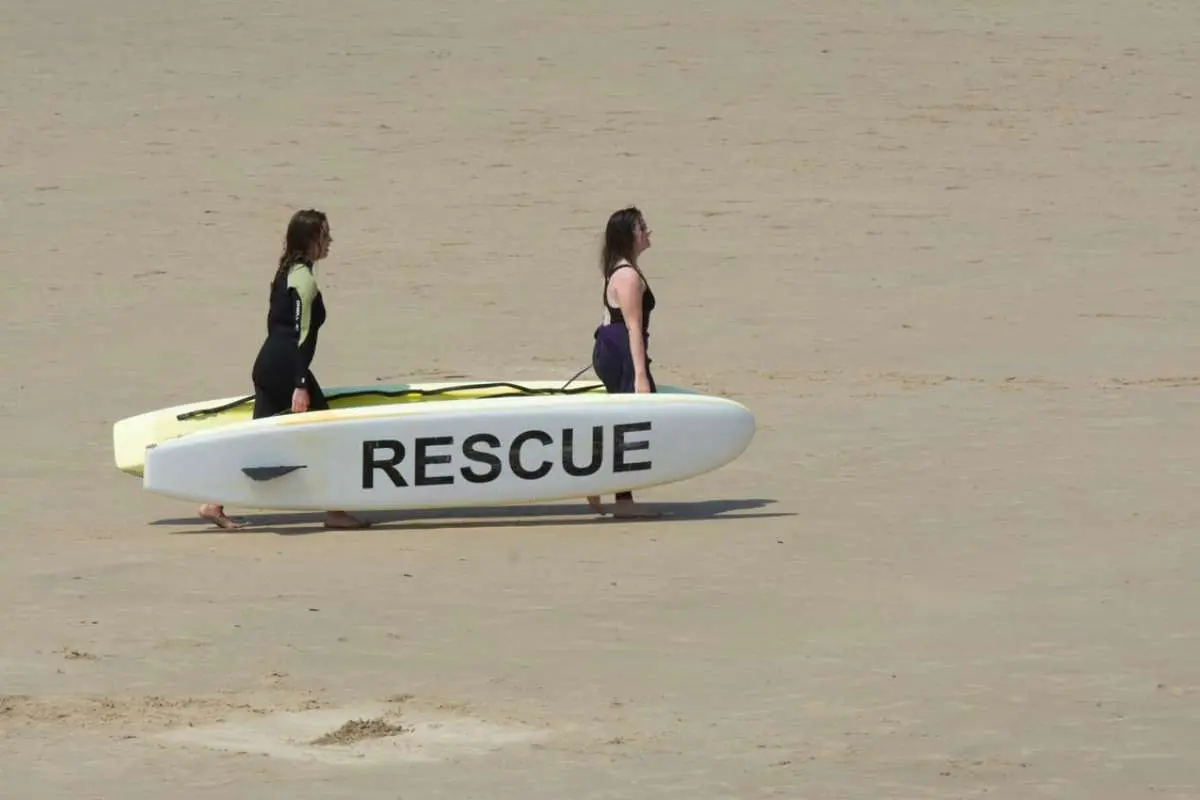
Every water rescue team believes their response is fast enough.
The incident data disagrees.
Look at thousands of logged callouts and you’ll see the same trends repeatedly. Notification delayed. Slow scene response. Grid searches done twice because the first pass wasn’t documented. Divers dispatched into a waterbody that wasn’t thoroughly searched.
Here’s the uncomfortable part:
Most of these losses are not caused by evil people. They’re caused by legacy processes that remain because “it’s always been done this way.”
The good news?
Incident reports also tell you precisely where your avoidable preventable operational losses reside. And most of them are shockingly easy to plug.
What this breakdown covers:
- The real numbers behind water search callouts
- Why the first 30 minutes decide everything
- Where preventable operational losses actually come from
- How a smarter shore-based water search changes the math
- Turning incident reports into better decisions
The numbers behind every callout
Start with scale.
Did you know that there are over 4,000 drowning deaths in just the United States every year? There are also approximately 8,100 emergency room visits for nonfatal drowning. Drowning took nearly 300,000 lives worldwide in 2021.
Every one of those numbers is also a callout.
People got organized. Gasoline flowed. Days lengthened. OT authorized. Weekenders came in from the cold.
That’s what agencies almost never track. The human impact gets publicized. The operational impact gets buried in a spreadsheet no one looks at until budget time.
And here’s the thing…
Most of those callouts turn into recoveries instead of rescues. Not because someone slipped up, but because the search area wasn’t narrowed quickly enough.
The first 30 minutes decide everything
Time is the only currency that matters in the water.
Minutes determine survival… the traditional response is measured in hours. Callers… hesitate. Dispatch… relays. Crews… travel. Dive teams suit up, check gas, brief and then………. hit the water.
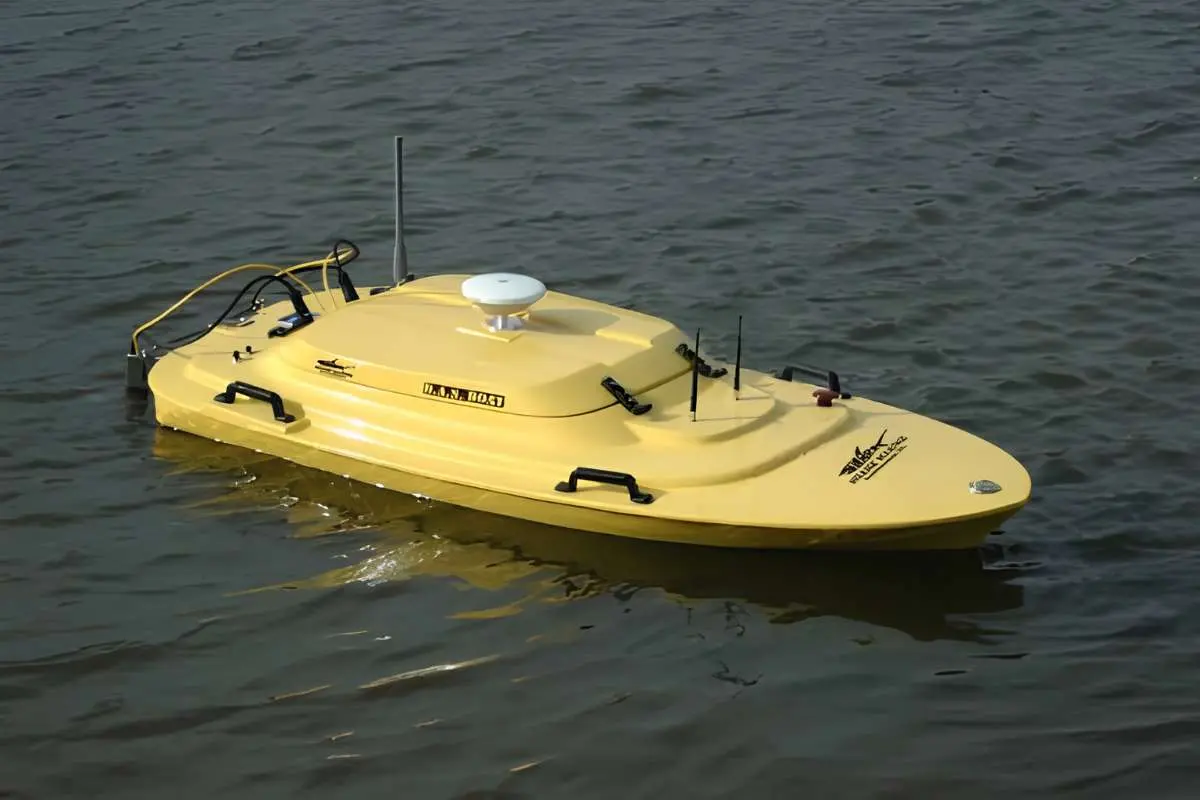
This is the point where your shore-based water search succeeds or fails. An organized shore based water search will begin searching within minutes of arrival. Large groups of teams now fan sweep the bank, a dock or a small boat line with a handheld active sonar system well before the first diver suits up. Huge areas of water are cleared from dry land while your team is still dividing the rest of the water into numbered zones.
The logic is simple:
Every square metre cleared from shore is a square metre nobody has to swim.
Where the operational losses actually come from
Incident reviews usually fault weather, visibility or inaccurate witness statements. OK, but weather and visibility are factors.
But dig into the reports and three preventable operational losses show up over and over.
1. Wasted manpower hours
Large searches eat people.
Hundreds of paid hours for police, fire, EMS and volunteer units can be spent on one multi-day operation. When search areas are not triaged correctly crews continuously cover the same water while the real area goes untouched.
That isn’t a manpower shortage. That’s a planning failure.
2. Unnecessary diver exposure
This one gets glossed over far too often.
Sending a diver into cold, dark and dirty water is your riskiest deployment of the day. The statistics support it. In reference to worldwide incidents, 50 public safety divers died since 2005, and 22 of those fatalities occurred during training exercises, not actual callouts.
Read that again. Nearly half died while practising.
Every dive you took that could have been prevented by proper scanning is unnecessary risk you took.
3. Equipment, fuel and overtime
Then there’s the money.
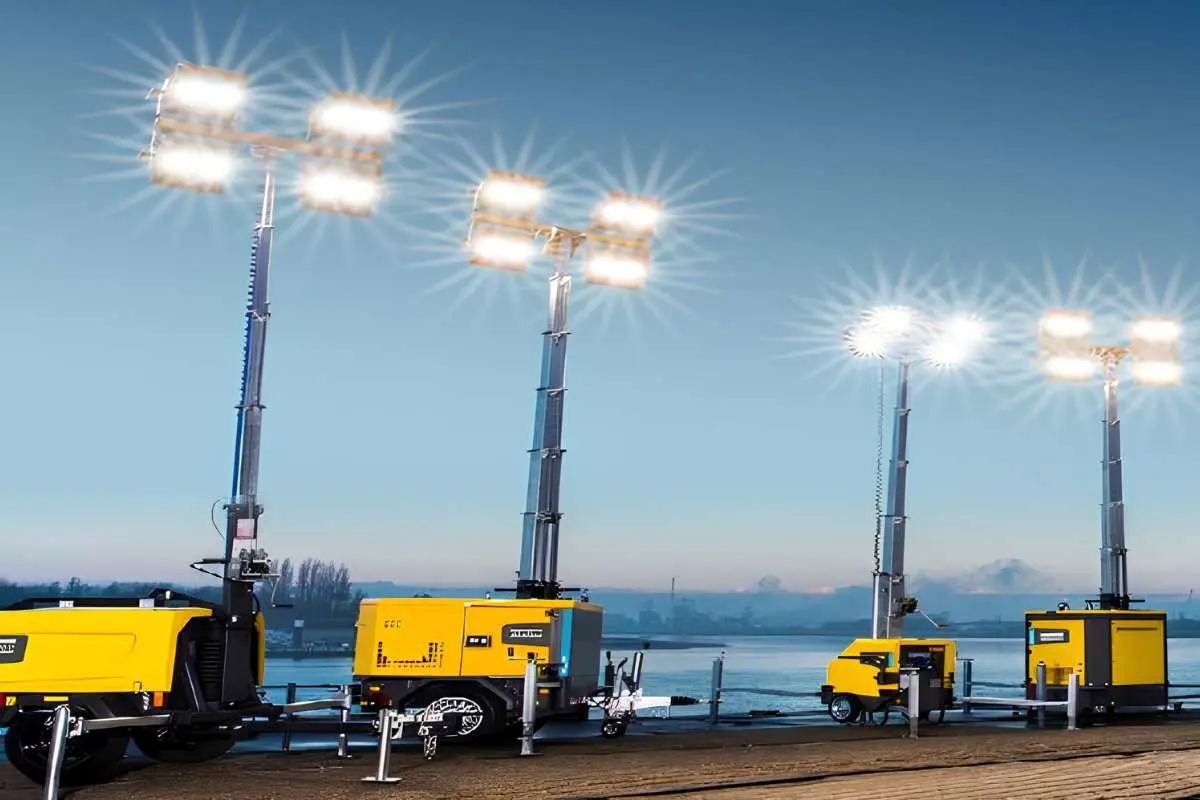
Boats, vehicles, generators, lighting towers, air fills, callback pay… those costs mount up fast. If a search goes three days instead of three hours, it’s NOT just three times more expensive. You’re also taking trucks and manpower away from the other calls happening simultaneously.
Building a better shore-based water search
So what does a smarter response look like?
Assumes the water will need to be narrowed prior to somebody getting wet.
A solid shore-based water search should:
- Begin scanning from land or a boat within minutes of arrival
- Break the area into small, numbered zones
- Record every zone that gets cleared, with a time stamp
- Reserve divers for confirmed targets, not guesswork
- Feed results back to command while the search is still running
That last lesson is the one teams forget the most. If your search log lives inside someones head, it doesn’t exist. Zones get re-covered. Gaps are missed. The report you write afterwards won’t account for where the hours disappeared.
Write it down. Every single time.
Turning incident reports into real change
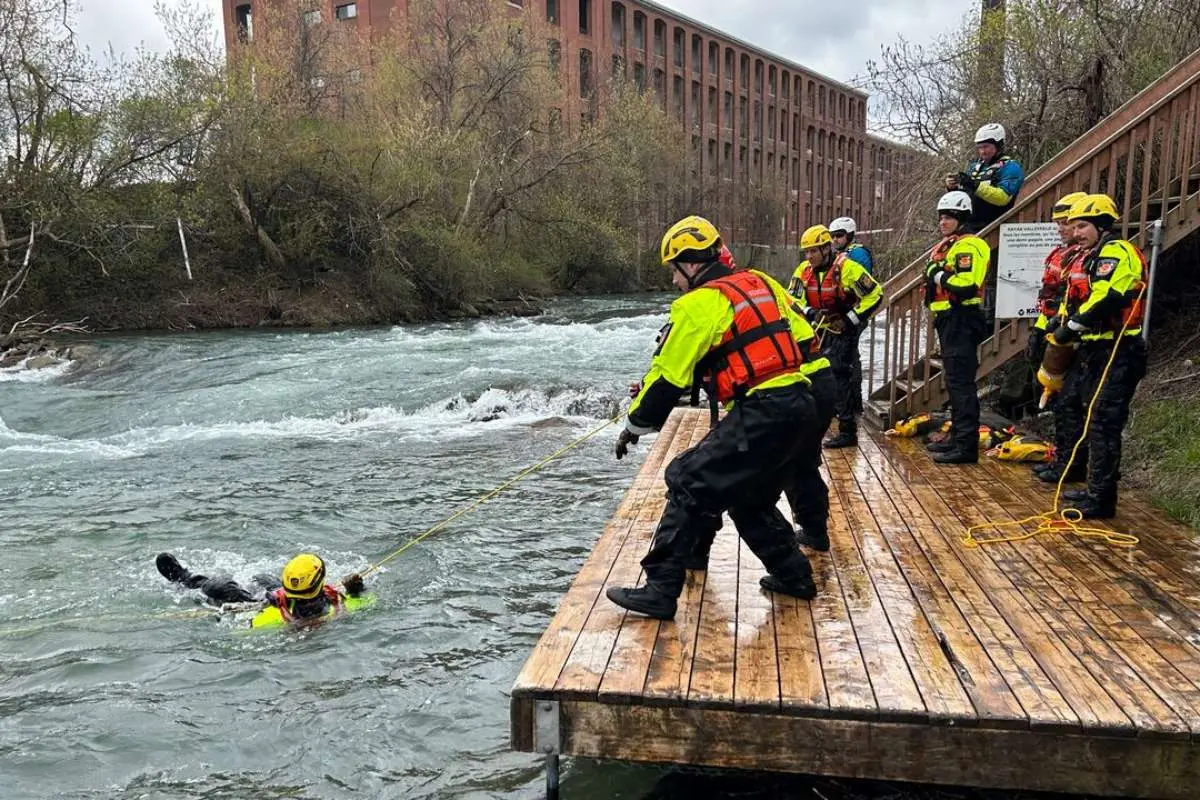
An incident report that merely documents what occurred is a wasted sheet of paper. The valuable ones document what it cost.
After every water callout, log:
- Time from first call to first scan
- Time from arrival to first cleared zone
- Total personnel hours used
- Number of dives made, and how many found nothing
- Whether the victim was located inside or outside the planned search area
That last statistic is ugly, but it’s truthful. If bodies continue to be found outside of the search zone, then the search model is incorrect and no amount of manpower can correct an incorrect model.
Analyze those figures quarterly as a group. Trends emerge quickly, and most issues are solved through improved process, not increased spending.
Habits that quietly cost you
There are a handful of practices that incident data exposes as expensive:
- Mobilising divers before any scan has been completed
- Searching around the last reported sighting and nothing else
- Running daylight-only operations when portable lighting is available
- Keeping search records on paper that never gets digitised
None of them feel like errors when you’re doing them. They look pretty foolish when you’re looking at them on a spreadsheet 12 months later.
Pulling it all together
Preventable operational losses that could have been prevented don’t usually happen with a bang. They happen with a whisper. An overtime hour here. An unnecessary dive there. An area over sprayed because two crews didn’t communicate.
Cumulatively over the course of a year they end up costing agencies actual dollars and placing rescuers in the water for no productive reason at all.
The fix isn’t complicated:
- Scan from shore first
- Narrow the area before committing divers
- Log everything, every time
- Review the data honestly
Disciplined shore-based water search teams find people quicker, save money, and keep fewer responders at risk. The incident data has been saying this for years. Someone just finally sat down and read it.