Modern climate design is transforming smart workspaces into office environments that use integrated building systems and connected technology. It improves how space is utilized and enhances the way employees experience it, making workplaces more adaptive and efficient.
For example, lighting adjusts based on occupancy, meeting rooms sync with scheduling platforms, security systems integrate with access control, and building data helps managers understand how the office performs day to day.
As companies invest in smarter buildings, comfort has become a measurable performance factor. Climate systems now operate as part of that connected ecosystem, adjusting temperature, airflow, and ventilation in response to real-time conditions.
Within the broader rise of smart workspaces, modern climate design has emerged as one of the most direct drivers of business productivity.
Temperature Stability and Business Productivity
Research shows that improving indoor environmental quality can increase office performance by up to 10%. For a mid-sized team, that gain can equal thousands of dollars in recovered productivity each month.
Even moderate temperature increases can disrupt focus. A 2024 study published through ScienceDirect found that elevated office temperatures were linked to measurable declines in task performance.
Employees working in slightly overheated conditions tend to make more small errors. And they lose concentration faster.
Modern climate systems prioritize stability rather than reactive adjustments. Smart thermostats, occupancy sensors, and automated load balancing maintain steady indoor conditions throughout the day.
In turn, employees stay focused on their tasks instead of adjusting sweaters, fans, or thermostats.
Zoned Systems and Flexible Layouts
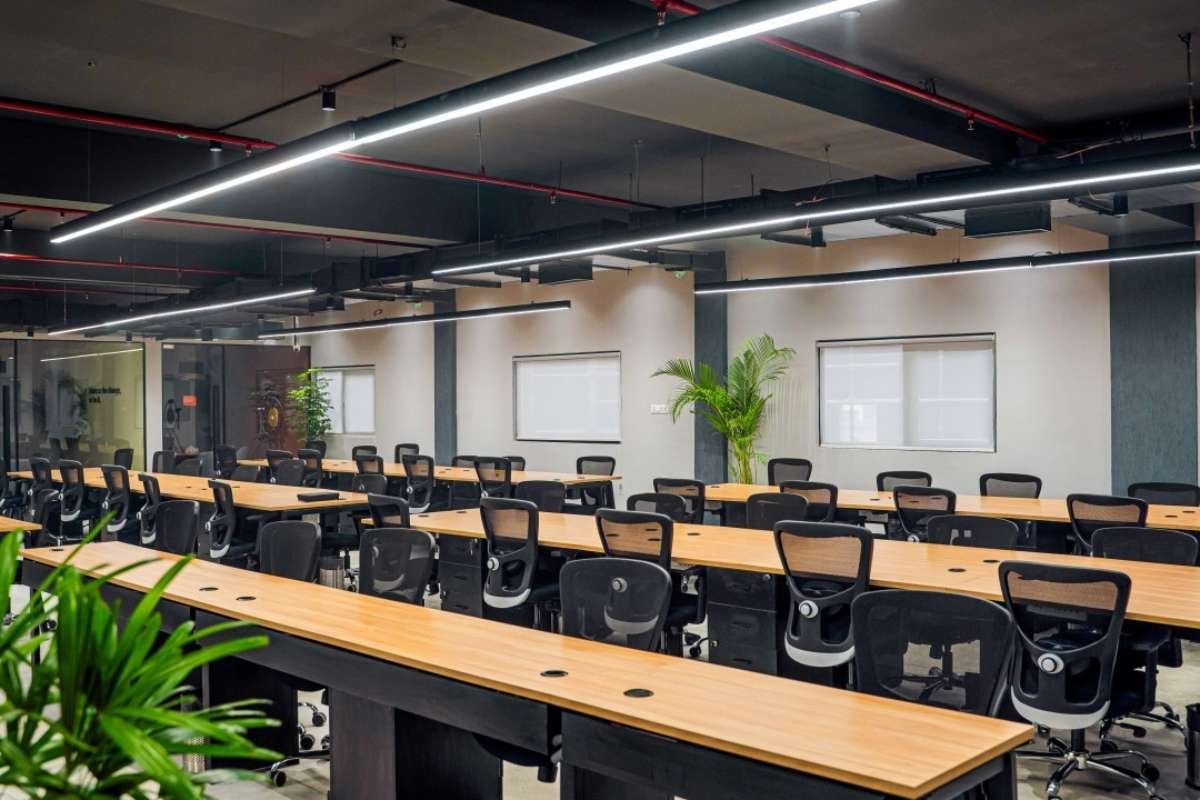
Smart offices rarely follow a single-use layout. One area may host collaborative brainstorming, another may support heads-down analysis, and a third may operate as a hybrid meeting space with multiple devices running.
Zoned climate systems address those differences directly. Solutions like four zone mini splits allow separate areas to maintain independent temperatures without extensive ductwork changes.
Conference rooms, for instance, are filled with people who generate more heat than in individual offices. So, zoning prevents that imbalance from affecting the entire floor.
Flexibility is especially important for growing businesses. A company might convert unused storage into a content studio or add enclosed pods for remote calls.
Multi-zone ductless systems adapt alongside those changes, avoiding costly HVAC reconfigurations.
Zoned climate design supports productivity in various ways. For example:
- Departments control comfort based on their work style
- Energy is not wasted conditioning empty spaces
- Office redesigns integrate climate adjustments more easily
Indoor Air Quality and Cognitive Clarity
Air quality influences how clearly people think, even when no one notices it consciously.
Cleaner air supports sharper thinking and sustained attention. Employees in well-ventilated offices often report fewer headaches and less mid-afternoon fatigue. Over time, that consistency improves both individual output and team collaboration.
Modern climate design integrates real-time air monitoring into HVAC systems. Sensors track CO2, humidity, and airborne particles continuously.
Ventilation automatically increases when thresholds are reached. Thus, conditions maintain balance without requiring manual intervention from facility managers.
Smart air management also supports employee confidence. When workers trust their environment, engagement improves and absenteeism linked to discomfort or air-related symptoms declines.
Heat Resilience and Operational Continuity

Extreme heat is becoming more frequent across many regions. And performance can drop sharply as temperatures rise beyond standard comfort levels. Cognitive strain increases in overheated environments, particularly during prolonged warm periods.
Commercial buildings with outdated cooling systems often struggle during heatwaves. Productivity slows, equipment overheats, and employee morale declines. Even minor indoor temperature spikes can disrupt an otherwise productive workday.
Modern climate design strengthens heat resilience. High-efficiency systems, inverter-driven compressors, and smart load distribution maintain stable indoor temperatures even when outdoor conditions spike.
Businesses equipped with adaptive cooling infrastructure remain consistent, while others face interruptions. And operational continuity becomes a competitive advantage. Clients notice when service levels stay steady despite extreme weather.
Data-Driven Climate Management and Long-Term Gains
Smart workspaces rely on data to refine performance over time. Climate systems now integrate with building management platforms that analyze occupancy trends, peak usage hours, and seasonal demand patterns. Automated adjustments improve both comfort and efficiency.
Data-driven climate management reduces unnecessary energy use. Cooling and ventilation align more closely with actual occupancy rather than fixed time schedules. Operating costs become more predictable while environmental impact decreases.
Employees benefit from environments that feel stable and responsive without constant manual adjustments. Leadership benefits from measurable productivity improvements and lower overheads.
Modern Climate Design as a Competitive Productivity Strategy

The rise of smart workspaces signals a broader evolution in how businesses define performance. Modern climate design influences focus, collaboration, reliability, and long-term operational efficiency.
So, explore climate solutions that align with your office layout and long-term growth plans, consult trusted HVAC providers to build a workspace that supports both comfort and consistent performance, and check out more informative articles like this on our site!