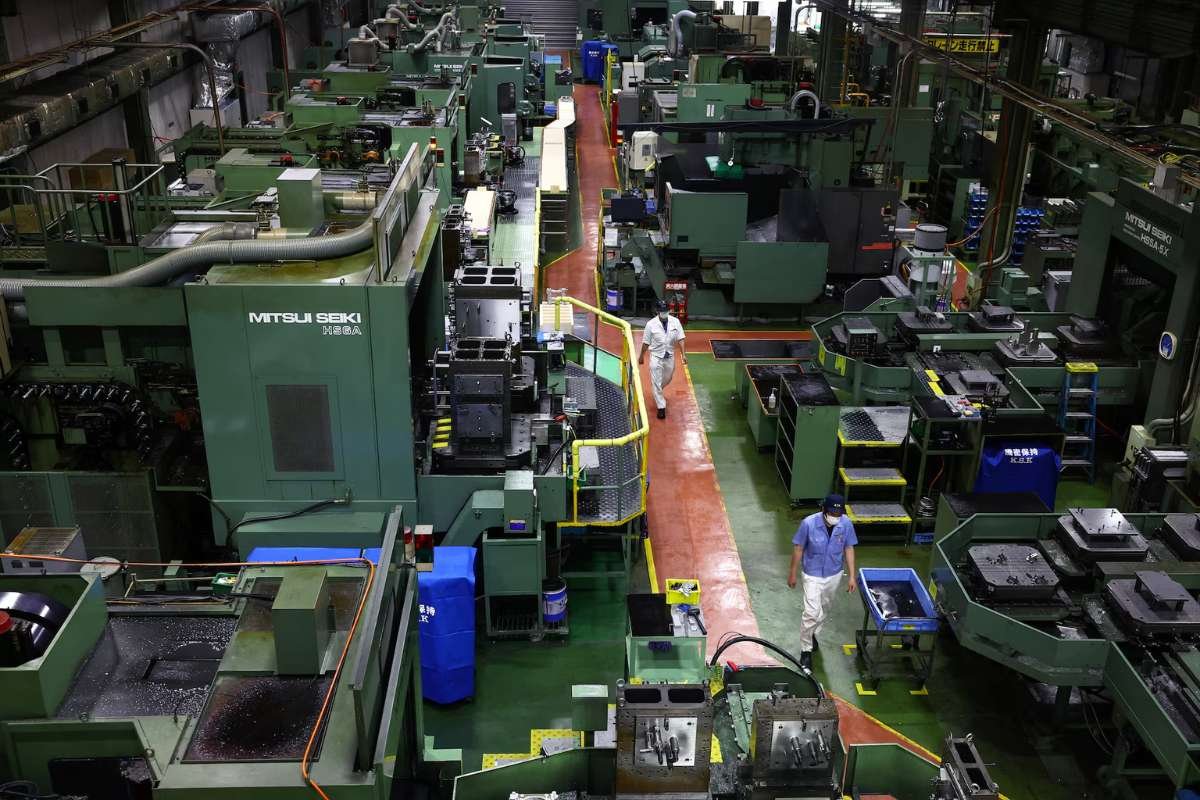
Japan’s manufacturing sector accelerated at its fastest pace in nearly four years in February, signaling renewed strength in one of the country’s key economic engines. The latest Japan Manufacturing PMI data showed factory activity rising to 53.0, up from 51.5 in January, marking the strongest expansion since mid-2022. A reading above 50 indicates growth, and February’s figure not only extended the expansion streak but highlighted a clear improvement in industrial momentum.
The surge was driven by broad-based gains across production, new orders, and employment. Manufacturers reported a solid rise in output as demand conditions improved both domestically and overseas. Businesses attributed the expansion to stronger client demand, product innovation, and improved supply chain stability compared to previous quarters.
Production volumes increased at the fastest rate in recent years, reflecting healthier order books and greater operational confidence. After months of uneven performance, the manufacturing rebound suggests that Japan’s industrial sector may be entering a more stable growth phase.
Exports and Hiring Lead the Recovery
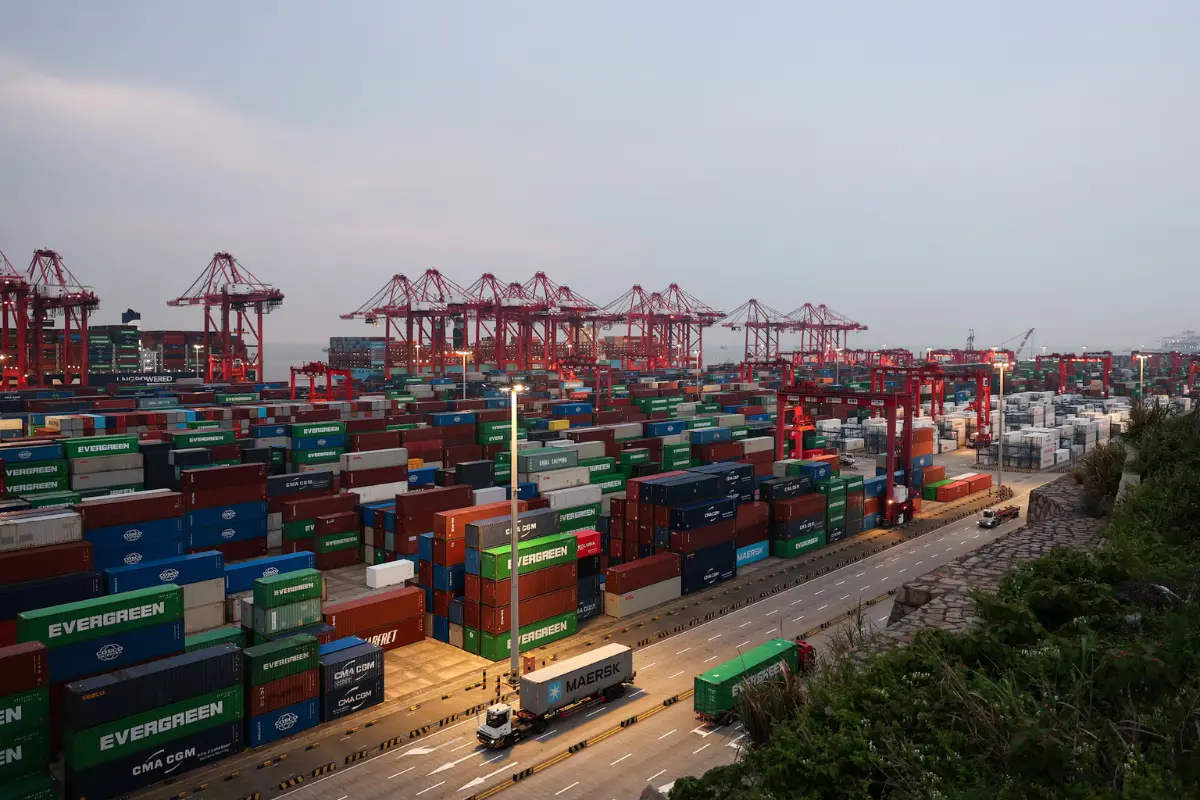
One of the standout features of February’s data was the sharp rebound in export orders. Overseas demand, which had been subdued in recent months, strengthened significantly, particularly from major trading partners across Asia and Europe. New export business expanded at its fastest pace since 2021, offering a crucial boost to overall factory performance.
Stronger international demand played a pivotal role in lifting overall activity, as Japan Manufacturing PMI sector remains heavily export-oriented. The revival in global orders helped offset earlier periods of weakness and signaled improving external economic conditions.
Employment levels also rose as firms expanded their workforce to meet growing production requirements. Hiring increased at one of the quickest rates seen in recent years, underscoring business confidence in sustaining output levels. Companies indicated that workforce expansion was necessary to manage higher workloads and ensure the timely delivery of goods.
While cost pressures remained present, inflationary trends showed signs of moderating. Input costs continued to rise, but at a slower pace than in previous months. Output price increases also softened slightly, suggesting that price pressures may be stabilizing. This easing in cost growth could provide manufacturers with greater pricing flexibility moving forward.
Outlook Amid Broader Economic Factors
The strong PMI reading adds a positive dimension to Japan’s broader economic landscape, which has faced mixed signals in recent months. While industrial production data has shown moderate gains in certain sectors, including automotive manufacturing, overall economic conditions remain sensitive to inflation trends and monetary policy decisions.
Core inflation has hovered around elevated levels, keeping policymakers attentive to potential adjustments in interest rate strategy. The Bank of Japan continues to navigate a delicate balance between supporting economic growth and managing price stability. Any shifts in monetary policy could influence borrowing costs, business investment, and consumer spending in the months ahead.
Despite these uncertainties, manufacturers expressed improved optimism about future business conditions. Confidence levels reached their highest point in over a year, with firms expecting sustained demand recovery and continued expansion in production.
Economists suggest that if export growth remains steady and domestic demand holds firm, the Japan Manufacturing PMI sector could maintain its upward trajectory through the coming quarters. However, global economic volatility and geopolitical developments remain potential risks.
For now, February’s figures represent a notable milestone, signaling that Japan’s factory sector is regaining strength and contributing positively to the country’s economic outlook after a period of uneven recovery.