Spider veins are a common cosmetic and medical concern that affects a wide range of adults, especially busy professionals who can’t afford lengthy recovery or visible downtime. At Metro Vein Centers, minimally invasive spider vein treatments deliver effective cosmetic improvement while prioritizing comfort, brief procedures, and rapid return to work. This article explains what spider veins are, why minimally invasive options are often preferred, the treatments available, what patients should expect before and after procedures, risks and contraindications, and practical tips for choosing the right provider. The goal is to give a clear, practical guide for people who want improvement without disrupting their schedules.
What are Spider Veins? Causes, Symptoms, and When to Seek Care
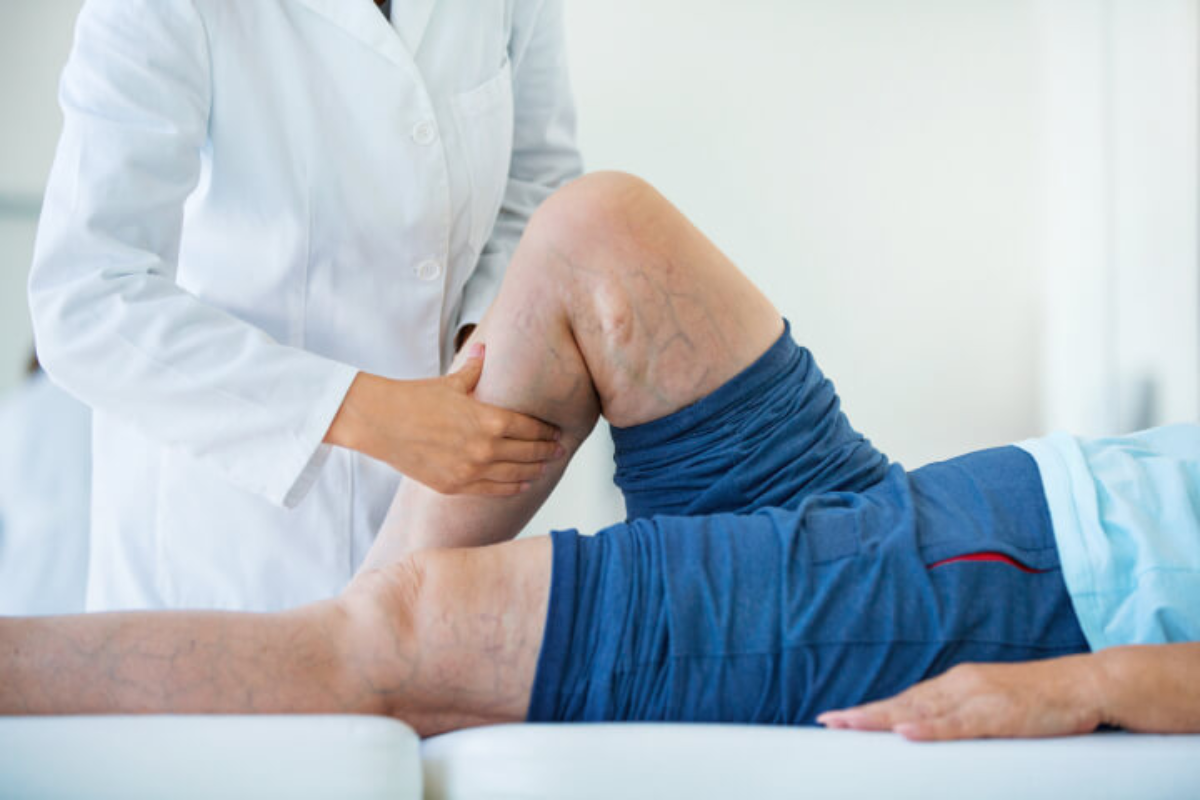
Spider veins, medically called telangiectasias, are small, dilated blood vessels visible near the skin’s surface. They most commonly appear on the legs and face as red, blue, or purple branching lines. Unlike larger varicose veins, spider veins are usually less symptomatic but can cause aching, burning, itching, or heaviness in some people.
Causes and risk factors include:
- Genetics: a strong hereditary component means they often run in families.
- Hormonal influences: pregnancy, birth control, and hormone therapy can increase risk.
- Prolonged standing or sitting: common in many workplace roles and in entrepreneurship when long hours are spent at a desk.
- Age and sun exposure: vessels weaken and skin thins over time.
- Prior leg injury or surgery.
When to seek care:
- Cosmetic concern: most people seek treatment for appearance.
- Symptoms: persistent pain, throbbing, swelling, or skin changes.
- Progressive changes: rapidly expanding clusters, ulceration, or bleeding require prompt evaluation.
For professionals with constrained time, early consultation helps determine whether quick, minimally invasive options can address both symptoms and aesthetics with minimal interruption to daily responsibilities.
Why Choose Minimally Invasive Treatments? Comfort, Downtime, and Results
Minimally invasive spider vein treatments are engineered to reduce procedural discomfort, shorten recovery, and deliver reliable cosmetic outcomes. For people balancing client meetings, deadlines, and travel, these features matter:
- Comfort: Many procedures use a local anesthetic or cause only mild, brief stinging. Newer technologies focus on reducing pain during treatment.
- Minimal downtime: Most treatments allow same-day return to work and routine activity, often within hours.
- Predictable results: When performed by experienced clinicians, outcomes are consistent, with improved appearance and low recurrence rates for treated vessels.
- Low complication rates: Compared with surgical approaches, minimally invasive methods have fewer risks and quicker management of side effects.
Selecting a minimally invasive path is often the pragmatic choice for entrepreneurs and agencies that can’t pause operations for extended recovery. It’s not just about vanity: reducing symptoms can also improve comfort during long workdays and travel.
Common Minimally Invasive Treatments
Sclerotherapy: How It Works and Comfort Considerations
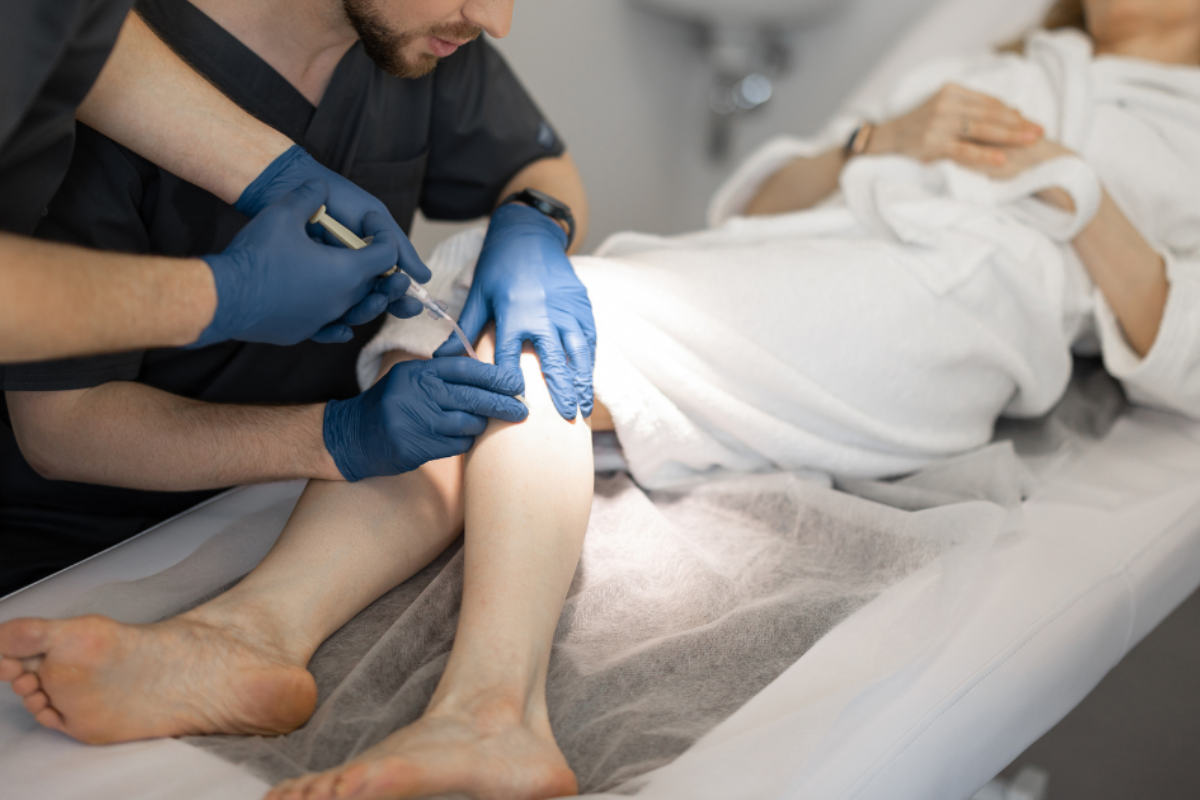
Sclerotherapy is the longstanding gold standard for treating spider veins. A clinician injects a sclerosant into the vessel, causing it to collapse and be reabsorbed over weeks. For comfort, practitioners use fine-gauge needles and can combine injections with topical numbing. Sessions typically last 15–45 minutes, depending on the area treated.
Key points:
- Highly effective for small to medium spider veins.
- Mild cramping or burning during injection that resolves quickly.
- Compression stockings after treatment optimize outcomes.
Surface Laser and Intense Pulsed Light (IPL) for Spider Veins
Comfort and logistics:
- Short sessions (10–30 minutes).
- Mild warmth or snapping sensation: a topical anesthetic can reduce discomfort.
- Minimal redness and swelling: makeup often conceals any redness the same day.
Endovenous Techniques: Radiofrequency Ablation and Endovenous Laser
While primarily used for larger varicose veins and reflux, endovenous radiofrequency ablation (RFA) and endovenous laser ablation (EVLA) can address underlying venous insufficiency that contributes to spider veins.
Comfort features:
- Performed under local anesthesia with tumescent solution to numb and protect the surrounding tissue.
- Ambulatory procedures with rapid return to walking and work.
- Often combined with sclerotherapy for optimal cosmetic results.
Mechanical and Chemical Combinations (ClariVein, Varithena)
Newer options like ClariVein (mechanical agitation plus sclerosant) and Varithena (foam sclerosant delivered to larger veins) provide effective treatment while minimizing thermal damage. They’re useful when the target vein is too large for traditional sclerotherapy alone.
Comfort notes:
- Short procedure times and minimal anesthesia.
- Lower post-procedure pain compared with thermal ablation for some patients.
Medical Adhesives (VenaSeal) and When They Help
VenaSeal uses a medical adhesive to close the diseased vein. It avoids tumescent anesthesia and thermal injury, so patients often report less discomfort during and after treatment.
When chosen:
- For patients wanting to limit anesthesia exposure.
- When quick recovery and minimal bruising are priorities.
Compression Therapy and Adjunctive Measures
Compression stockings remain an important adjunct to many treatments. They reduce bruising, improve outcomes after sclerotherapy, and help manage symptoms for those not ready for procedural therapy. Lifestyle adjustments, elevating legs, ergonomic workstation changes, and regular movement breaks also support long-term results.
What to Expect Before, During, and After Treatment
Preprocedure Evaluation and Testing
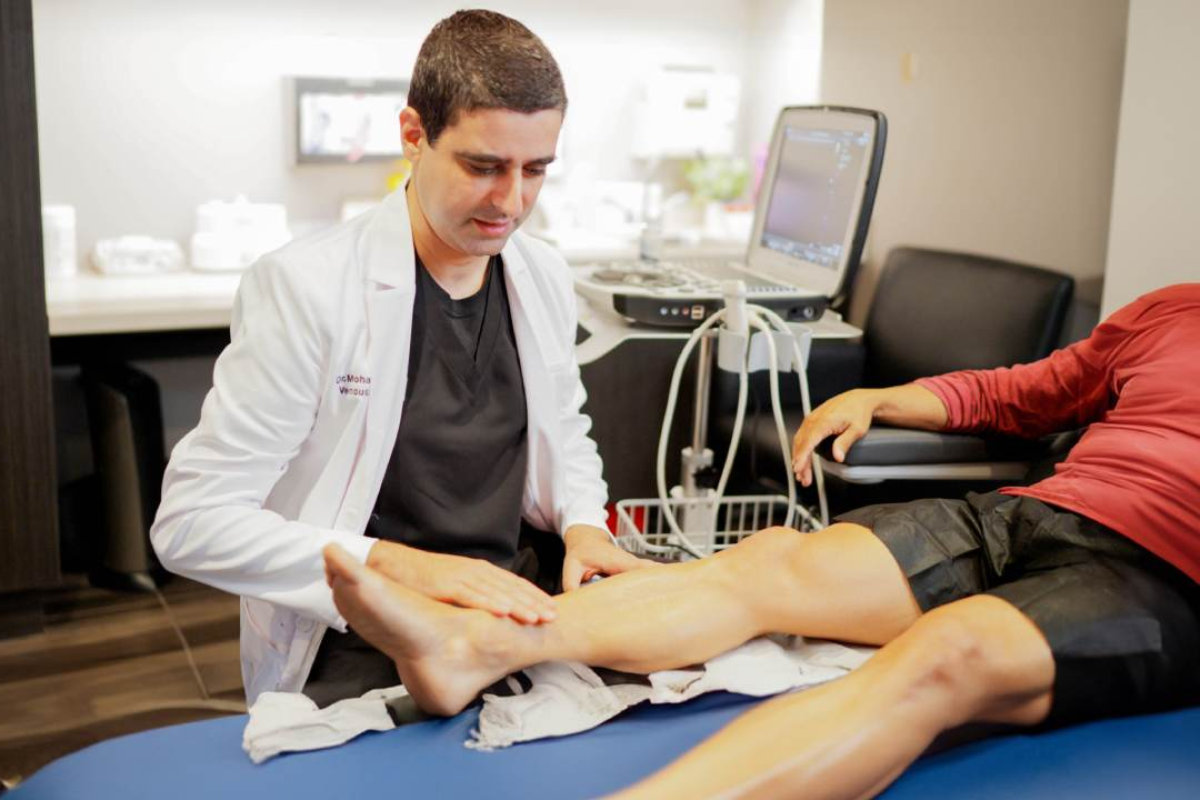
A thorough evaluation includes a medical history and, commonly, a duplex ultrasound to assess venous reflux. This step identifies underlying sources that may need treatment before cosmetic procedures. Patients should discuss medications (like blood thinners) and allergies ahead of time.
The Procedure Day: Pain Control, Duration, and Comfort Tips
Most minimally invasive treatments are office-based. Practical details:
- Arrival: plan for a short check-in: bring compression stockings if advised.
- Pain control: topical anesthetics, local injections, or mild oral analgesics are typical. Practitioners will tailor comfort measures to the chosen technique.
- Duration: 10–60 minutes, depending on the method and area.
Comfort tips for busy professionals:
- Wear loose, comfortable clothing that’s easy to change in and out of.
- Schedule treatments around lighter workdays or virtual meetings if swelling or light bruising is a concern.
- Bring headphones or a short checklist to maximize time in the office; many people find they can handle email or calls between short recovery blocks.
Recovery Timeline: Activity, Follow‑Up, and Realistic Results
Immediate:
- Most return to normal walking and desk work the same day.
- Some bruising, mild soreness, or redness is common for 1–2 weeks.
Short term (2–6 weeks):
- Treated veins fade progressively: full cosmetic results can take several weeks to months.
- Compression and follow-up visits improve outcomes: multiple sessions may be required for extensive networks.
Long term:
- New spider veins can develop over time: maintenance treatments are common.
- Addressing underlying reflux reduces recurrence risk.
For high-performing professionals, planning treatment during a lower-pressure work window or staggering sessions can keep disruption minimal while achieving the desired cosmetic improvement.
Risks, Side Effects, and Who Is Not a Candidate
Common Side Effects and How They are Managed
Most side effects are mild and temporary:
- Bruising and redness: typically resolve within 1–3 weeks.
- Tenderness or tightness: managed with OTC analgesics and activity modification.
- Hyperpigmentation or matting (new tiny vessels): may improve spontaneously or with repeat treatment.
- Rarely, small clots in treated veins (superficial thrombophlebitis) can occur: clinicians treat these with warm compresses or brief anti-inflammatory therapy.
Communication with the provider about expected course and warning signs (intense pain, fever, rapidly spreading redness) is essential for timely management.
Contraindications and When to Consider Alternative Care
Not every patient is an ideal candidate for every minimally invasive option. Contraindications may include:
- Active infection or skin disease in the treatment area.
- Uncontrolled clotting disorders or certain types of severe peripheral arterial disease.
- Pregnancy; elective procedures are usually delayed until after delivery.
- Significant untreated venous reflux: larger sources of reflux are often best addressed first.
When contraindications exist, conservative care (compression, lifestyle adjustments) or referral to a vascular specialist for alternative management is appropriate.
Choosing a Provider: Questions to Ask and Practical Considerations
Credentials, Experience, and Clinic Facilities to Look For
Choosing an experienced clinician is the single most important factor for comfort and outcomes. Key considerations:
- Board certification and fellowship training in vascular surgery, dermatology, or interventional radiology.
- Demonstrated experience with the specific technique being offered: ask how many procedures they’ve performed and request before/after photos.
- Availability of duplex ultrasound and a setting equipped for safe sedation or emergency care if needed.
- Clear pre- and post-procedure instructions and a defined follow-up plan.
Cost, Insurance, and Scheduling for Busy Professionals
A spider vein treatment is considered cosmetic and isn’t covered by insurance unless there is underlying symptomatic venous disease. Practical steps:
- Request an itemized cost estimate and ask about package pricing for multiple sessions.
- Consider timing; schedule during predictable lower-workload periods or split treatments into short sessions to avoid interruptions.
- Confirm cancellation and rescheduling policies, flexibility helps when client work or campaigns demand last-minute changes.
Conclusion
Minimally invasive spider vein treatments offer effective cosmetic and symptomatic improvement with minimal disruption, a strong fit for professionals who can’t take long breaks from work. By understanding the options (sclerotherapy, surface lasers, endovenous techniques, mechanical-chemical systems, and medical adhesives), preparing with an informed preprocedure evaluation, and choosing a qualified provider, patients can achieve meaningful results with comfort and confidence.
Busy business owners and SEO professionals who plan treatments around their workflow and select clinics that prioritize efficiency will typically find the balance they need: improved appearance and comfort without sacrificing productivity. When in doubt, an initial consultation that includes duplex ultrasound and a clear treatment timeline will clarify the best course and help safeguard both health and work commitments.