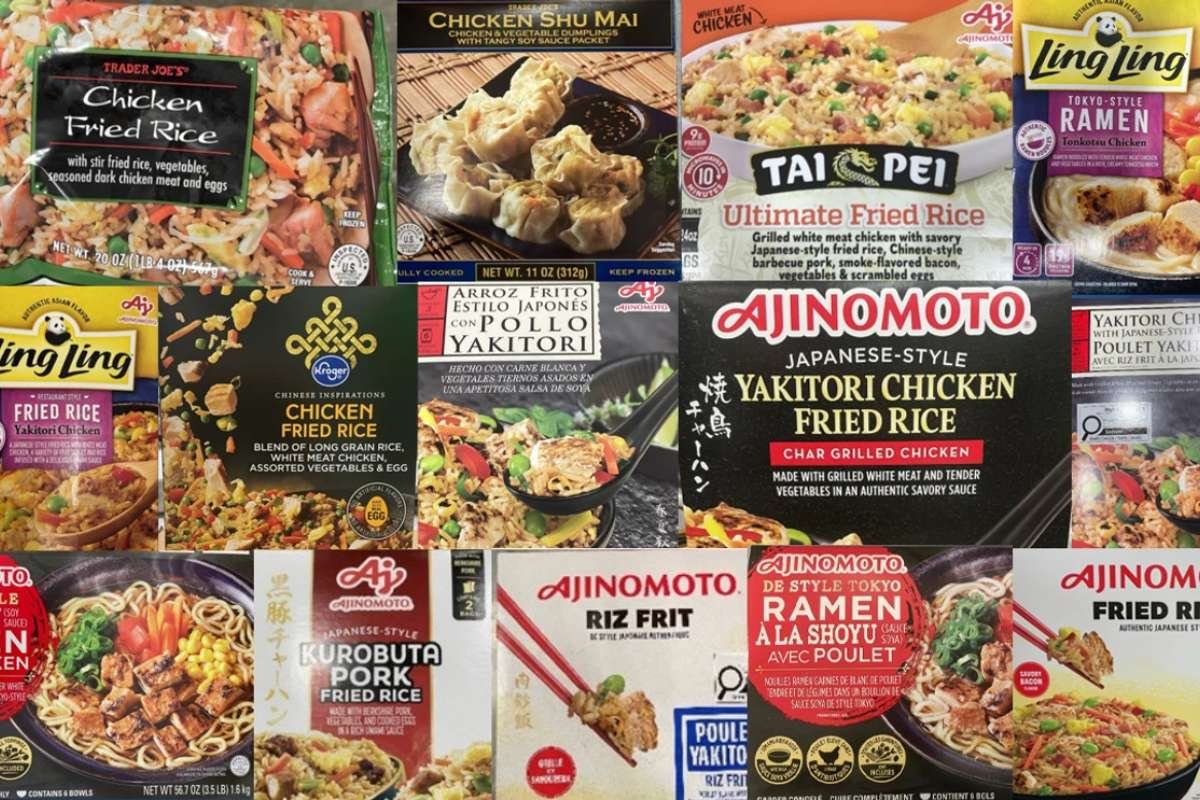
A large frozen food recall in the United States has expanded significantly, now covering nearly 37 million pounds of products due to concerns that some items may contain fragments of glass. The recall involves frozen meals distributed through several well-known grocery chains, including Trader Joe’s and Kroger.
The products were manufactured by Ajinomoto Foods North America, a major producer of frozen Asian-style meals. The recall initially began with a smaller number of products earlier this year, but was expanded after further investigation revealed that additional items could potentially be affected by the same contamination issue.
Many of the recalled foods include popular frozen options such as fried rice, ramen bowls, and dumplings. These items were distributed widely across the United States and sold under multiple brand labels, including store-brand products from major retailers.
Because the same manufacturing facilities produce food for several grocery brands, the Frozen Food recall quickly spread across different product lines. Food safety authorities have since issued alerts advising consumers and retailers to identify and remove affected items from store shelves and household freezers.
Officials stated that the expanded recall is a precautionary measure intended to prevent potential harm, as glass fragments in food products could cause serious injury if consumed.
Investigation Points to Ingredient Supply Issue
Early findings from the investigation related to the Frozen Food Recall suggest that the contamination may have originated from a vegetable ingredient used during production, with carrots believed to be the likely source of the problem. The ingredient may have contained small pieces of glass before being incorporated into the frozen meals.
The issue first came to light after consumer complaints reported the presence of glass fragments in certain frozen meals. These reports prompted the manufacturer to conduct an internal review and notify federal food safety regulators.
As the investigation continued, officials identified a broader range of products produced during the same manufacturing period that could potentially contain the affected ingredient. As a result, the recall expanded to include multiple product varieties produced between late 2024 and early 2026.
The recalled products carry best-by dates extending from February 2026 through August 2027, meaning some packages could remain in consumers’ freezers for months or even years if they are not checked.
Several brands are involved in the recall, including Ajinomoto-labeled products as well as frozen meals sold under private labels for major grocery retailers. The widespread distribution has made the recall one of the largest frozen food recalls reported in recent years.
Food safety officials emphasize that foreign material contamination, particularly glass, is treated as a serious hazard because of the risk of injury to consumers.
Consumers Asked to Discard or Return Products
Authorities have confirmed that no injuries have been reported so far in connection with the recalled frozen meals. However, consumers are strongly advised not to eat any of the affected products.
Customers who purchased the recalled items to the Frozen Food Recall are encouraged to discard the products immediately or return them to the store where they were purchased for a refund. Retailers have also begun removing the items from shelves and notifying customers through store alerts and online updates.
Food safety regulators are asking consumers to check packaging carefully, paying attention to product names, inspection marks, and best-by dates listed on frozen food packages.
The incident underscores the challenges in modern food supply chains, where a single contaminated ingredient can affect many products across brands and retailers. Manufacturers and regulators continue to review production records and supplier processes to determine exactly how the contamination occurred.
For now, officials say the recall remains a precautionary measure to protect public safety while the investigation continues and affected products are removed from circulation.