Key Takeaways:
- Hollywood is moving from aggressive content spending to cost control and profitability.
- Service companies like Quixote are the first to get hit—signaling a deeper, structural slowdown.
- Consolidation, fewer locations, and lean operations will define the industry going forward.
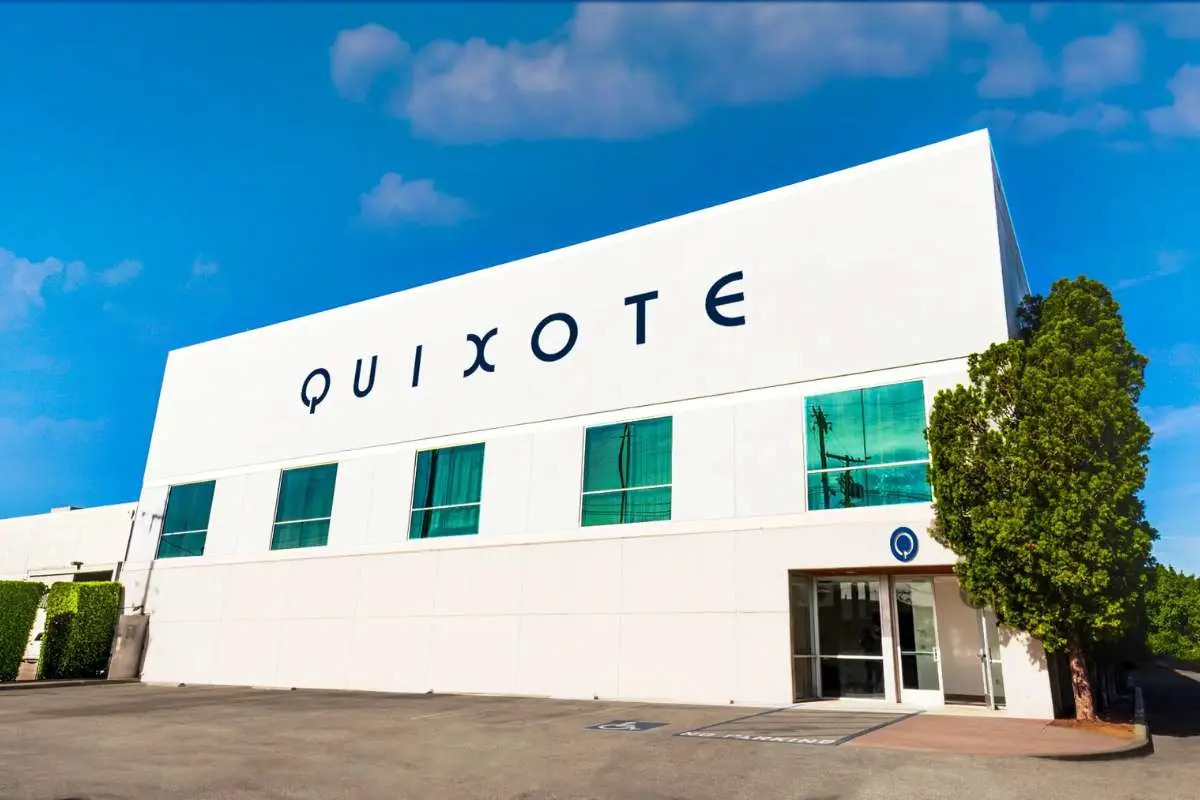
A prolonged slowdown in film and television production is reshaping Hollywood’s operational landscape, with Quixote Studios emerging as one of the latest companies to scale back in response to declining demand. Quixote Studios Cuts Jobs as the production services provider reduces its footprint across key U.S. markets. The company, long known for supplying soundstages, equipment, and on-location logistics, is adjusting to a rapidly changing industry environment.
The decision comes at a time when major studios and streaming platforms are pulling back on content spending after years of aggressive expansion. During the peak of the streaming boom, companies raced to produce original content, creating unprecedented demand for infrastructure and services. However, as subscriber growth stabilizes and profitability takes center stage, production pipelines have slowed considerably.
Quixote’s restructuring highlights the ripple effect this shift is having across the entertainment ecosystem. While studios and platforms adjust budgets, service providers that depend directly on production volume are facing immediate consequences. Industry observers note that such companies often act as early indicators of broader downturns, as they are closely tied to day-to-day production activity, making headlines like Quixote Studios Cuts Jobs increasingly common.
The pullback also signals a broader recalibration within Hollywood, where growth is being replaced by a more measured, cost-conscious approach. As the industry transitions into this new phase, businesses that expanded rapidly in recent years are now being forced to reassess their scale and strategy.
Layoffs and Closures Reflect Strategic Consolidation
As part of its restructuring efforts, Quixote Studios is laying off approximately 70 employees and shutting down several operations, including its production services division in Atlanta and multiple soundstage facilities in Los Angeles. The company is also exiting other markets such as New Orleans and Albuquerque, marking a significant contraction in its nationwide presence.
The closures are being carried out in phases, allowing the company to complete existing production commitments before fully winding down operations. This gradual approach is intended to reduce disruption for clients while enabling Quixote to transition toward a leaner operational model.
Quixote’s parent company, Hudson Pacific Properties, had acquired the business in 2022 for around $360 million, betting on continued growth in content production. At the time, demand for filming infrastructure was surging, fueled by streaming competition and increased global production. However, the current slowdown has forced a reassessment of that investment, and as Quixote Studios Cuts Jobs, the company is shifting toward cost optimization and resource consolidation.
Rather than maintaining a broad geographic footprint, Quixote is now focusing on strengthening its presence in select markets where demand remains relatively stable. Equipment and resources from closed facilities are expected to be redeployed to these core locations, helping the company preserve efficiency while maintaining service capabilities.
This strategic consolidation reflects a broader trend across the industry, where companies are prioritizing sustainability over expansion in response to changing market dynamics.
A Warning Sign for Hollywood’s Production Economy
Quixote Studios’ downsizing is widely viewed as a bellwether for the current state of Hollywood’s production economy. The company’s retreat underscores how deeply interconnected the industry is when studios cut back on projects; the effects cascade through vendors, crew members, and regional economies that depend on film and television activity. In this context, Quixote Studios Cuts Jobs reflects a deeper structural shift rather than an isolated event.
Major production hubs such as Los Angeles and Atlanta could feel the economic impact of this slowdown, as reduced filming activity translates into fewer jobs and lower local spending. From set construction and equipment rentals to catering and transportation, a wide range of businesses rely on a steady flow of productions to sustain operations.
The situation also reflects a broader post-pandemic correction. During the surge in streaming demand, companies invested heavily in both content and infrastructure, often anticipating long-term growth at elevated levels. As that growth has normalized, the industry is now grappling with excess capacity, leading to layoffs, closures, and consolidation across multiple segments.
Analysts suggest that while production levels may eventually stabilize, the industry is unlikely to return to the rapid expansion seen in recent years. Instead, a more disciplined and efficiency-driven model is expected to define the next phase of growth. For Quixote Studios, the restructuring may help the company navigate the downturn and remain competitive in a tighter market. However, its decision to scale back, as Quixote Studios Cuts Jobs, also serves as a broader signal that Hollywood is undergoing a significant transformation, where adaptability and cost control are becoming essential for survival in an evolving entertainment landscape.
For Quixote Studios, the restructuring may help the company navigate the downturn and remain competitive in a tighter market. However, its decision to scale back also serves as a broader signal that Hollywood is undergoing a significant transformation, one where adaptability and cost control are becoming essential for survival in an evolving entertainment landscape.