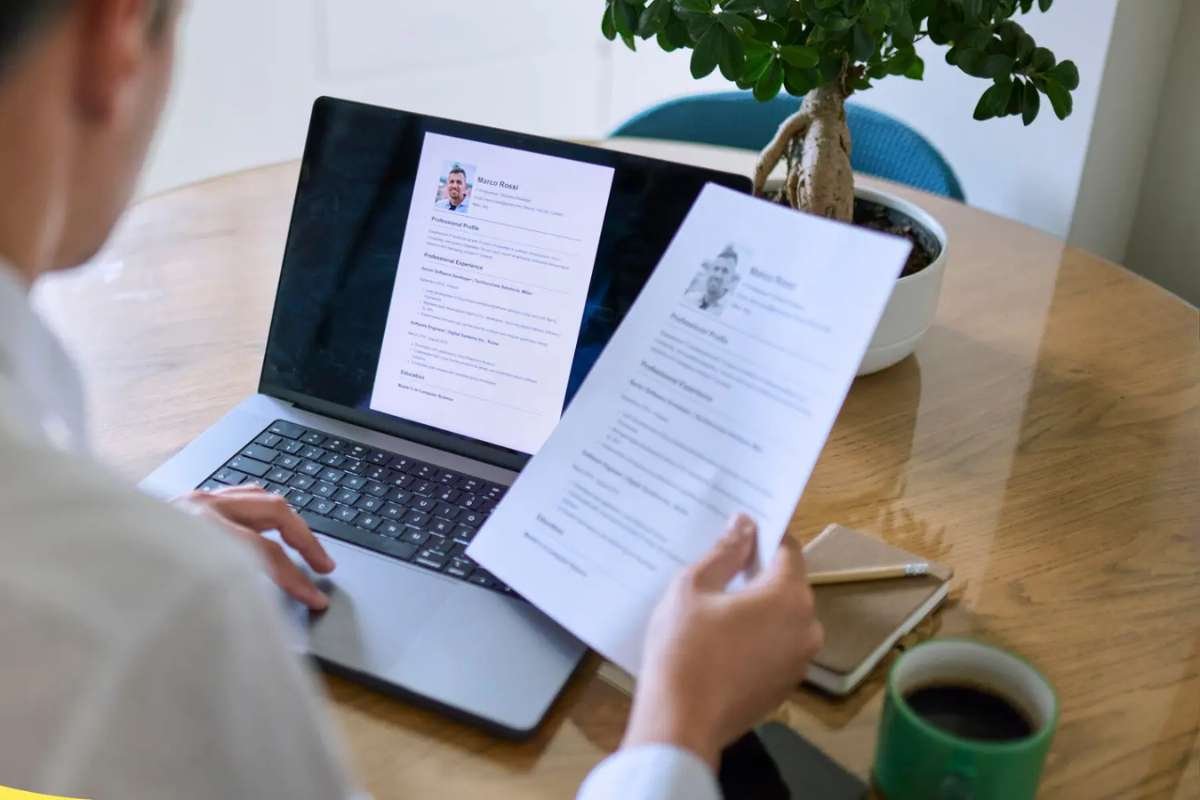
Applying for a new job is usually a mix of excitement and pure nerves. You find a posting that feels like a perfect fit, and suddenly, you’re staring at a document you haven’t opened in three years. Understanding how to update your resume is about more than just listing where you’ve worked; it’s about refining your professional story so a hiring manager can see exactly why you belong on their team.
Honestly, it’s a bit vulnerable to put your whole career on a single sheet of paper.
But how do you condense years of growth into a single page without losing the “you” in the process?
The process can feel overwhelming, but it doesn’t have to be. By following a few grounded principles, you can turn a cluttered document into a sharp, confident representation of your career. Here is how to navigate the dos and don’ts of modern resume updates.
Focus on Impact, Not Just Duties
One of the most common mistakes people make is treating their resume like a job description. We’ve all seen it. It’s usually a list of bullet points that say things like “responsible for managing a team” or “handled daily reporting.” While these things are true, they don’t tell the reader how well you actually did them.
If you are looking for how to update your resume effectively, you should focus on your achievements instead. Did you improve a process? Did you save the company money? And honestly, did you leave the place better than you found it?
Whenever you can, use numbers to back up your claims. Saying you managed a budget is fine. Saying you managed a $50,000 budget and reduced overhead by 10% is much better. This approach shows that you’re results-oriented. It turns a passive list into an active history of success. And that’s the point. You want to show that you didn’t just show up, you actually made a difference.
Keep the Formatting Clean and Simple
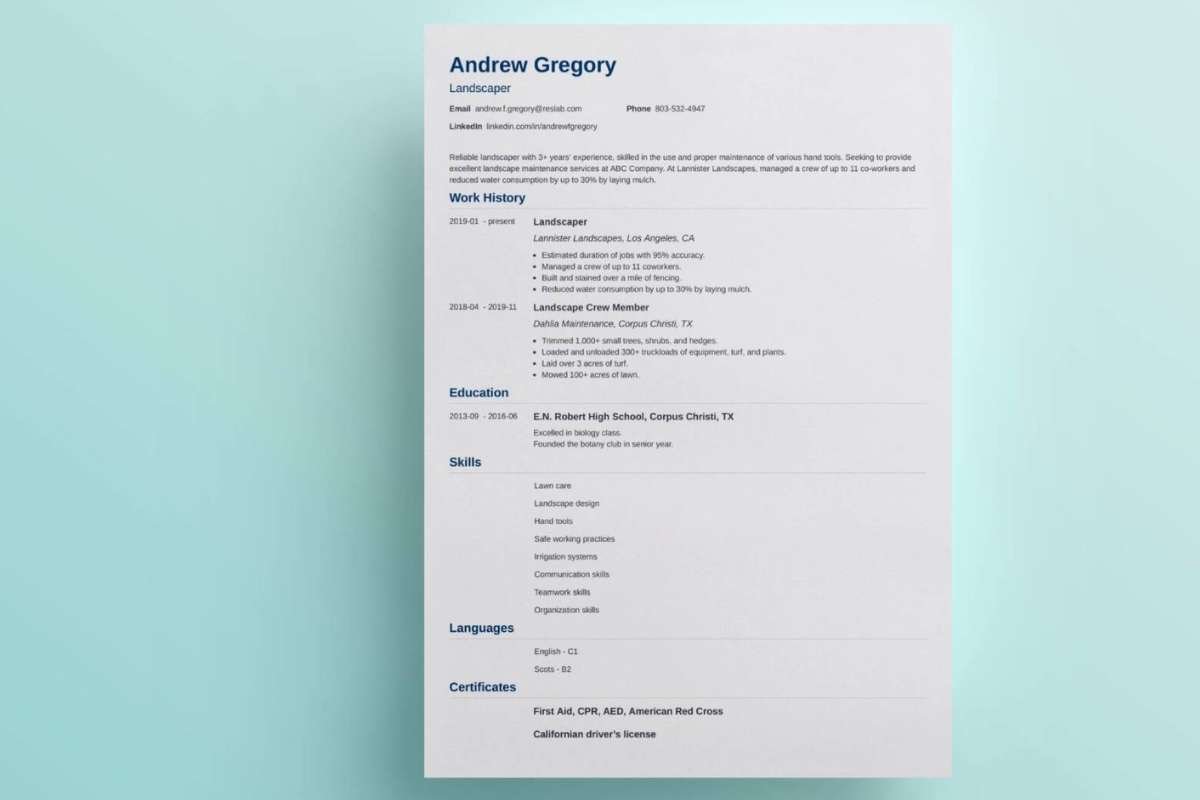
It’s tempting to use a flashy design to stand out. You might think a complex layout with multiple columns and unique fonts will catch an eye. However, simplicity is usually the better path.
Most companies use automated systems to scan documents before a human ever sees them. These systems often struggle with heavy graphics or unusual formatting. I guess we sometimes overthink the “wow” factor when clarity is what actually wins.
So, stick to a clean, professional look. Use a standard, easy-to-read font. Make sure there is plenty of white space so the page doesn’t look cramped. If you’re starting from scratch, you might look for a free resume template to help establish a solid structure. The goal is to make it as easy as possible for a recruiter to find the information they need in ten seconds or less.
Tailor the Content Every Single Time
Sending the exact same resume to ten different companies is a gamble that rarely pays off. Every job description is a map. The employer is telling you exactly what they’re looking for. Your job is to show them that you have those specific skills. You know, it’s about making them feel like this resume was written specifically for them.
Look at the keywords used in the job posting. If they emphasize leadership and project management, make sure those words appear prominently in your bullet points. This doesn’t mean you should lie. It means you should highlight the parts of your experience that are most relevant to that specific role.
Are you telling the story they need to hear right now?
It takes more time, but the quality of your applications will improve significantly.
Don’t Include Irrelevant Information

When considering how to update your resume, remember that as your career progresses, your document shouldn’t just get longer; it should get more focused. If you’ve been in your industry for a decade, your summer job from college probably doesn’t need to be on there anymore. Space on the page is valuable real estate. Every line should earn its spot by contributing to the argument that you’re the right person for the new job.
But what if you’re worried about gaps or shorter stints? Maybe it’s okay to let go of the things that don’t serve your future.
Similarly, leave out personal details that don’t relate to your professional abilities. Things like your age, hobbies, or a headshot are generally unnecessary and can sometimes even create unconscious bias. Keep the focus on your skills, your experience, and the value you bring to the table.
The Importance of the Final Review
Nothing kills a first impression faster than a typo in the first paragraph. When you spend hours looking at the same document, your brain starts to fill in the gaps. You see what you intended to write rather than what’s actually on the page. I’ve been there, squinting at the screen at midnight, convinced it’s perfect, only to find a glaring error the next morning.
Take a break before your final review. Go for a walk or sleep on it. When you come back, read the text out loud. This forces you to slow down and notice missing words or awkward phrasing. Better yet, have a friend look at it. A fresh set of eyes will often catch mistakes that you’ve missed a dozen times.
Moving Forward with Confidence

Learning how to update your resume is an act of self-reflection. It’s an opportunity to look back at what you’ve accomplished and decide where you want to go next. It’s okay if it feels a bit clunky at first.
The most important thing is to start.
By focusing on your impact, keeping your design simple, and tailoring your message, you set yourself apart from the crowd. You’ve done the work. Now, make sure your resume shows it.