Every year, construction workers in The Woodlands face a sobering reality: one in ten will experience a workplace injury serious enough to require medical attention. With Texas ranking among the top states for construction fatalities—recording 181 deaths in 2023 according to the Bureau of Labor Statistics—understanding your rights when accidents happen isn’t just helpful, it’s essential for protecting your livelihood and family’s future.
The construction industry’s inherent dangers, from falls and equipment malfunctions to electrical hazards and structural collapses, create a complex web of legal considerations that most workers never think about until they’re injured. Texas’s unique “employment-at-will” laws and specific workers’ compensation regulations add another layer of complexity that can significantly impact your ability to recover damages after an accident.
What makes construction accident claims particularly challenging is the multi-layered nature of most job sites. General contractors, subcontractors, equipment manufacturers, and property owners all potentially share liability—but determining who’s responsible and how to pursue compensation often requires guidance from experienced Woodlands construction accident attorneys who understand both state law and federal safety regulations. The difference between filing a workers’ compensation claim versus a personal injury lawsuit could mean thousands of dollars in your pocket, yet most injured workers don’t know these distinctions exist.
Here’s what every construction worker in Texas needs to understand about their rights, the claims process, and how to protect their interests when the unthinkable happens on the job site.
What Are Construction Accident Claims?
Construction accident claims represent legal requests for compensation following workplace injuries on construction sites. Unlike typical workplace incidents, construction accidents often involve multiple parties, complex insurance arrangements, and federal safety regulations that can dramatically impact your recovery options. These claims encompass everything from immediate medical expenses and lost wages to long-term disability compensation and pain and suffering damages.
The complexity stems from construction sites’ unique legal landscape. When you’re injured, you’re not just dealing with your direct employer—you might have claims against general contractors, subcontractors, equipment manufacturers, or even property owners, depending on how the accident occurred. Texas Labor Code Chapter 406 governs workers’ compensation, but construction workers often have additional legal avenues that office workers don’t.
Consider a typical scenario: a roofer falls due to inadequate safety harnesses provided by a subcontractor while working on a project managed by a general contractor on property owned by a developer. The injured worker might have a workers’ compensation claim against their direct employer, a premises liability claim against the property owner, and a product liability claim against the safety equipment manufacturer. Each claim follows different legal standards and timelines.
Understanding these distinctions matters because workers’ compensation typically covers only 60-70% of lost wages with no compensation for pain and suffering, while personal injury claims can recover full damages including punitive awards. The key is identifying all potential defendants and understanding which legal theories apply to your specific situation.
How Does the Construction Accident Claim Process Work?
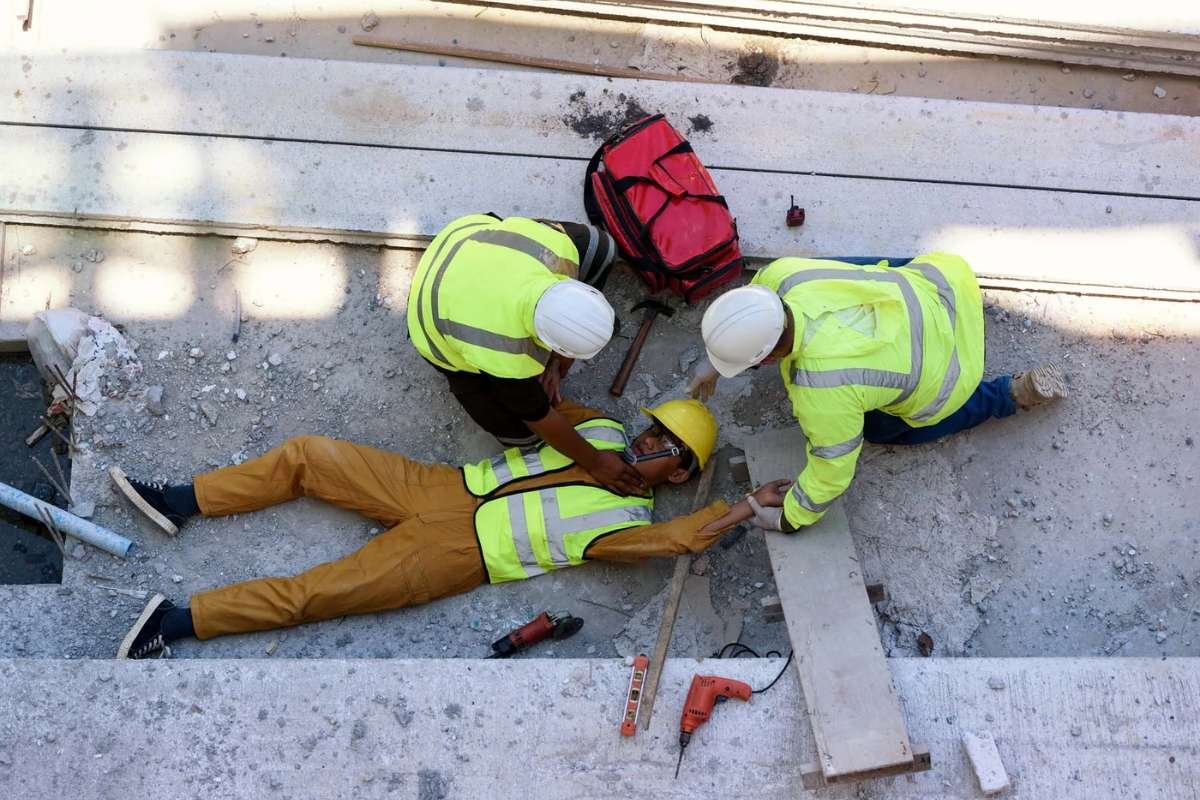
The construction accident claims process operates on multiple tracks simultaneously, each with distinct timelines and requirements that can significantly impact your recovery. Unlike other workplace injuries, construction accidents often trigger both state workers’ compensation procedures and federal OSHA investigations, creating a complex reporting environment that demands careful navigation.
Steps Involved in Filing a Claim
Immediate reporting requirements set the foundation for successful claims recovery. Texas law requires you to notify your employer within 30 days of the accident, but construction sites often have additional contractual reporting requirements that can affect coverage. Your first priority should be seeking medical attention, but document everything: take photos of the accident scene, equipment involved, and any safety violations you observe.
The formal claims process for Construction Accident Claims begins with filing a Form-001 Employee’s Notice of Injury or Occupational Disease with the Texas Department of Insurance. This document starts your workers’ compensation claim clock, but it’s often just the beginning. If third parties contributed to your accident, separate personal injury claims must be filed within Texas’s two-year statute of limitations—a much shorter window than many workers realize.
OSHA notification requirements add another layer of complexity. Construction accidents involving fatalities, hospitalizations, or amputations must be reported to OSHA within specific timeframes, and their investigation findings can significantly strengthen or complicate your claims. Smart workers ensure their employer complies with these reporting requirements, as failures can indicate broader safety violations that support negligence claims.
Documentation and Evidence Requirements
Evidence preservation becomes critical in construction accident cases because work sites change rapidly, and responsible parties often have strong incentives to minimize their exposure. Photographic documentation should capture not just your injuries, but also the accident scene, equipment conditions, safety signage (or lack thereof), and any obvious code violations.
Medical documentation must establish clear causation between your workplace accident and resulting injuries. This means seeking immediate medical attention even for apparently minor injuries—conditions like traumatic brain injuries or spinal damage can manifest days or weeks after the initial incident. Your medical records become the foundation for both workers’ compensation and personal injury claims.
Witness statements prove particularly valuable in construction settings where multiple trades work simultaneously. Co-workers, supervisors, and even workers from other companies may have observed safety violations or equipment malfunctions that contributed to your accident. Collecting contact information and statements quickly prevents memory fade and protects against witnesses becoming unavailable as projects complete.
Common Types of Construction Accident Claims and Injuries
Construction accident claims fall into distinct categories, each governed by different legal standards and offering varying compensation levels. Understanding these distinctions helps injured workers identify all available recovery options and avoid leaving money on the table through incomplete claims analysis.
Workers’ compensation claims represent the most common type, covering medical expenses and partial wage replacement regardless of fault. Texas requires most construction employers to carry workers’ compensation insurance, though some smaller subcontractors attempt to classify workers as independent contractors to avoid coverage requirements. These claims process relatively quickly but limit recovery to specific benefits outlined in state law.
Personal injury claims against third parties often provide significantly higher compensation because they’re not subject to workers’ compensation limitations. When general contractors, subcontractors, or equipment manufacturers contribute to accidents through negligence, injured workers can pursue full damages including pain and suffering, future medical expenses, and complete wage loss recovery. The key is identifying defendants beyond your direct employer who owe legal duties of care.
Premises liability claims target property owners who maintain unsafe conditions or fail to ensure adequate safety protocols. These prove particularly relevant in renovation projects or construction on occupied properties where owners maintain some control over site conditions. Texas premises liability law requires proving the owner knew or should have known about dangerous conditions that caused your accident.
Toxic exposure cases are also becoming more common in Construction Accident Claims as construction workers face increasing exposure to asbestos, silica dust, and chemical compounds. These cases often involve delayed symptom onset and require specialized medical evidence linking exposure to resulting health conditions. Recent research by the National Institute for Occupational Safety and Health shows construction workers face silicosis rates 25 times higher than other industries, making early documentation crucial.
The most severe injuries typically involve falls from height, which account for approximately 36% of construction fatalities according to OSHA data. Traumatic brain injuries, spinal cord damage, and multiple fractures from fall accidents often generate claims exceeding $1 million when third-party liability exists. Equipment-related injuries from heavy machinery, electrical accidents, and struck-by incidents round out the most common serious injury categories.
Legal Considerations and State Laws Affecting Claims

Texas construction accident claims operate within a unique legal framework that significantly impacts injured workers’ recovery options. Unlike many states, Texas doesn’t require private employers to carry workers’ compensation insurance, creating situations where injured workers must pursue alternative legal theories for compensation recovery.
Texas Labor Code Chapter 406 establishes workers’ compensation procedures, but construction workers often encounter non-subscriber employers who’ve opted out of the system. When working for non-subscribers, injured workers can file personal injury lawsuits against their employers—a significant advantage because it removes workers’ compensation limitations on damages and allows recovery for pain and suffering.
Statute of libmitations considerations prove critical in construction cases. Workers’ compensation claims must be filed within one year of injury, while personal injury claims allow two years from the accident date. However, occupational disease claims follow different timelines, and toxic exposure cases may use discovery rules that extend filing deadlines. Missing these deadlines typically bars recovery entirely, regardless of case merits.
OSHA regulations create federal safety standards that often support negligence claims in Construction Accident Claims. When construction companies violate specific OSHA requirements—like fall protection standards in 29 CFR 1926.501—and those violations contribute to accidents, courts may find negligence per se. Recent OSHA emphasis programs targeting silica exposure and fall protection have increased citation rates, providing additional evidence for injured workers’ claims.
Burden of proof requirements vary significantly between claim types. Workers’ compensation operates under a “no-fault” system requiring only proof that injuries arose from and occurred in the course of employment. Personal injury claims demand proving negligence through the traditional elements: duty, breach, causation, and damages. Premises liability claims add requirements proving the property owner’s knowledge of dangerous conditions.
State-specific liability limitations can affect recovery in unexpected ways. Texas follows modified comparative negligence rules, meaning injured workers can recover damages even when partially at fault, provided their fault doesn’t exceed 50%. This becomes particularly relevant in construction settings where safety violations by multiple parties contribute to accidents.
Insurance Coverage and Settlement Options in Construction Claims
Construction site insurance coverage creates a complex web of overlapping policies that can significantly impact your compensation recovery. Understanding how different insurance types interact—and sometimes conflict—helps injured workers maximize their recovery while avoiding common pitfalls that reduce settlement amounts.
Workers’ compensation insurance provides the foundation for most construction injury recoveries, covering medical expenses and partial wage replacement without regard to fault. However, Texas construction sites often involve multiple insurance carriers representing different contractors, creating coordination of benefits issues that can delay payments in Construction Accident Claims. Smart workers understand their right to choose treating physicians and avoid company-preferred doctors who might minimize injury severity.
General liability insurance carried by contractors often covers third-party claims when their negligence contributes to accidents. These policies typically offer much higher coverage limits than workers’ compensation—often $1-2 million per occurrence—but require proving negligence rather than simple causation. The key is identifying all potentially liable parties and their insurance coverage before settling any claims.
Subcontractor insurance requirements add another layer of complexity. Many general contractors require subcontractors to carry specific coverage amounts and name the general contractor as additional insured parties. When subcontractor negligence causes accidents, injured workers may have claims against both the subcontractor’s primary policy and the general contractor’s coverage as an additional insured.
Settlement negotiations typically begin once medical treatment reaches maximum medical improvement—the point where further treatment won’t significantly improve your condition. Insurance adjusters often pressure injured workers to settle quickly, especially in workers’ compensation cases, but premature settlements frequently undervalue future medical expenses and permanent disability impacts.
Structured settlements versus lump sum payments present important choices for seriously injured workers. While lump sums provide immediate access to funds, structured settlements often provide higher total compensation and protect against poor financial decisions during recovery periods. Tax considerations also favor structured settlements in many situations.
The timing of settlements requires careful consideration of all potential claims. Settling a workers’ compensation claim doesn’t prevent pursuing third-party personal injury claims, but it may affect coordination of benefits and subrogation rights. Experienced workers ensure all potential defendants are identified before accepting any settlement offers.
Common Challenges and Mistakes in Construction Accident Claims

Construction workers face unique challenges when pursuing accident claims, often stemming from the industry’s complex contractor relationships and aggressive insurance practices designed to minimize payouts. Understanding these common pitfalls helps protect your interests and avoid costly mistakes during the claims process.
Classification disputes represent perhaps the most significant challenge facing construction workers. Many contractors attempt to classify workers as independent contractors rather than employees, potentially eliminating workers’ compensation coverage and complicating claims procedures. Texas courts apply multi-factor tests focusing on control over work methods, but workers often discover classification issues only after injuries occur.
Delayed reporting creates immediate problems for workers’ compensation claims and can severely damage personal injury cases. Construction workers often continue working through pain, hoping injuries will resolve naturally, but this delay provides insurance companies ammunition to argue injuries aren’t work-related. Texas’s 30-day reporting requirement seems generous, but earlier reporting strengthens claims significantly.
Inadequate medical documentation undermines both workers’ compensation and personal injury claims. Company-preferred doctors sometimes minimize injury severity to reduce claims costs, while workers who choose their own physicians may face disputes over treatment necessity. The key is ensuring your treating physician understands the physical demands of construction work and documents how injuries impact your specific job requirements.
Settlement pressure from insurance adjusters often targets workers during vulnerable periods when medical bills are mounting and paychecks have stopped during Construction Accident Claims. Adjusters may present “final offers” with artificial deadlines or suggest that workers’ compensation represents the only available recovery option. These tactics often succeed because injured workers don’t understand their full legal rights.
Evidence destruction happens rapidly on active construction sites. Equipment gets repaired or replaced, work areas change daily, and witnesses disperse to new projects. Workers who don’t immediately preserve evidence through photographs and witness statements often find their claims weakened by the time formal legal proceedings begin.
Coordination of benefits issues arise when multiple insurance policies potentially cover the same injury. Workers may receive workers’ compensation benefits while pursuing personal injury claims, creating complex subrogation rights that affect final settlement amounts. Understanding these interactions prevents situations where workers must repay benefits from settlement proceeds.
The most expensive mistake involves accepting workers’ compensation settlements without investigating third-party liability. While workers’ compensation provides quick access to medical care and partial wage replacement, third-party personal injury claims often provide multiples of workers’ compensation benefits for the same injuries.
Research, Case Studies, and Future Trends in Construction Accident Claims
Recent research reveals significant shifts in construction accident patterns and legal trends that will impact future claims processing and worker protections. The National Institute for Occupational Safety and Health’s 2024 Construction Safety Report indicates that while overall injury rates have declined, the severity and complexity of construction accidents continue increasing.
Technology integration on construction sites creates new liability theories while potentially reducing accident frequencies. Drone inspections, wearable safety monitors, and AI-powered hazard detection systems generate data that can support or complicate injury claims. A notable 2023 case in Houston involved wearable sensor data proving a worker’s fall resulted from equipment malfunction rather than human error, leading to a $2.8 million settlement against the equipment manufacturer.
Silica exposure litigation continues expanding in Construction Accident Claims as medical research establishes stronger links between construction dust exposure and serious lung diseases. The Texas Department of State Health Services reports a 40% increase in silicosis cases among construction workers since 2020. These cases often involve multiple defendants across decades-long exposure periods, requiring specialized legal approaches and extensive medical documentation.
Legislative trends suggest increasing emphasis on construction safety accountability. Recent Texas legislative sessions have considered bills expanding contractor liability for subcontractor safety violations and increasing penalties for willful OSHA violations. While these measures face industry opposition, the trend indicates growing political pressure for enhanced worker protections.
Insurance market changes are affecting coverage availability and claim handling procedures. Construction liability insurance rates increased an average of 20% in 2024, according to Insurance Journal data, leading some contractors to reduce coverage limits or implement more aggressive claims defense strategies. Workers benefit from understanding these market pressures when evaluating settlement offers.
Case law evolution continues expanding third-party liability theories in construction settings. Texas courts increasingly recognize general contractor duties to ensure subcontractor safety compliance, even when contracts attempt to delegate these responsibilities. The 2024 Texas Supreme Court decision in *Martinez v. Houston Development Corp.* established that general contractors can’t completely delegate safety responsibilities through contractual provisions.
Future safety technology promises to reduce accident frequencies while creating new data sources for claims analysis. Virtual reality safety training, predictive analytics for equipment maintenance, and automated safety monitoring systems will likely become standard on larger projects. These technologies create detailed documentation trails that could strengthen or complicate future injury claims depending on the circumstances.
Medical treatment advances are improving outcomes for construction injury victims while raising new questions about future care costs and settlement valuations. Minimally invasive spinal surgeries, advanced prosthetics, and regenerative medicine treatments offer hope for better recovery outcomes but require updated approaches to calculating future medical expenses in settlement negotiations.
The construction industry’s evolution toward greater safety accountability, combined with technological advances and changing legal landscapes, suggests that injured workers will face both new opportunities and challenges in pursuing Construction Accident Claims. The key to successful claims remains understanding your rights, documenting everything thoroughly, and recognizing that construction accidents often involve multiple liable parties beyond your direct employer. As safety regulations continue tightening and courts expand liability theories, injured workers who understand these trends can better protect their interests and maximize their recovery potential.