Global oil prices rebounded sharply as escalating tensions involving Iran renewed fears of disruptions to one of the world’s most critical energy corridors. Markets reacted swiftly to the growing conflict, with traders pricing in the risk that hostilities in the Middle East could interrupt crude supplies and shipping routes vital to the global economy.
Energy markets have been highly volatile in recent days, reflecting uncertainty about how the conflict could affect oil production and transport across the region. The Persian Gulf remains a central artery for global energy trade, and any instability in the area quickly reverberates across international commodity markets.
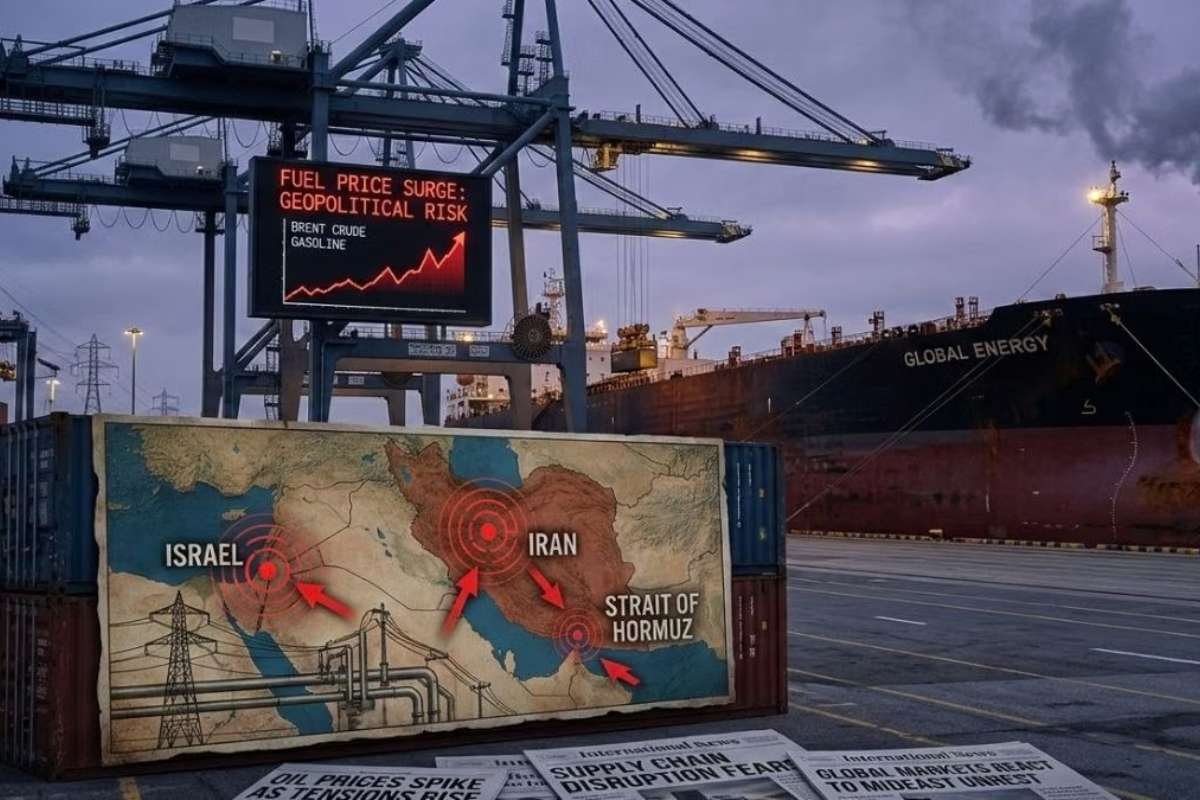
A key concern for traders is the potential disruption of traffic through the Strait of Hormuz, a narrow waterway linking the Persian Gulf to the Gulf of Oman and beyond. The Strait is one of the world’s most important oil transit routes, carrying a significant share of globally traded crude. Even the possibility of restricted access has historically been enough to push prices upward, as markets react to the risk of supply shortages, and oil prices rebound amid growing supply concerns.
Investors responded to the heightened geopolitical uncertainty by pushing crude prices higher after earlier declines, reflecting growing concerns that a prolonged conflict could tighten global oil supply.
Shipping Risks and Security Threats Heighten Market Volatility
The rebound in oil prices is closely tied to rising security risks around energy infrastructure and tanker routes in the region. Reports of attacks on shipping vessels and increased military activity have intensified fears that oil transport could be disrupted if tensions continue to escalate.
The Persian Gulf has become a focal point of concern, as incidents involving tankers and energy facilities raise alarms among shipping companies and insurers. Heightened risk in the region has already led to rising insurance costs for vessels traveling through the area, adding further pressure to global energy logistics.
Military activity near the Strait of Hormuz has also raised concerns that shipping lanes could be threatened or temporarily restricted. Because such a large portion of the world’s oil supply passes through the strait, even a brief disruption could send shockwaves through energy markets.
Analysts warn that the situation could worsen if hostilities expand or if key oil-producing nations in the region become directly involved. Production facilities, export terminals, and maritime routes remain vulnerable during periods of geopolitical instability, making the global oil market particularly sensitive to developments in the Middle East.
Economic Concerns Grow as Energy Costs Rise
The surge in oil prices has renewed worries about its potential impact on the global economy. Higher crude prices often translate into increased fuel and transportation costs, which can influence everything from manufacturing to food prices. Oil prices rebound as markets react to geopolitical uncertainty, and economists caution that sustained increases in energy costs could fuel inflationary pressures, particularly in economies that are already grappling with high living costs. Energy price shocks have historically played a major role in driving inflation and slowing economic growth.
Governments and international energy organizations are closely monitoring the situation as markets respond to unfolding developments. Strategic oil reserves may be used to stabilize supply if disruptions become more severe, while policymakers are evaluating ways to cushion economies from potential price spikes.
At the same time, the crisis has renewed discussions about the long-term need to diversify energy sources and reduce dependence on vulnerable oil routes. Experts say expanding renewable energy capacity and alternative fuels could help reduce the economic risks posed by geopolitical tensions in key oil-producing regions. Oil prices rebound during such periods of instability, especially as oil prices rebound during periods of heightened uncertainty.
For now, energy markets remain on edge. With geopolitical tensions continuing to evolve, traders and policymakers alike are watching closely for any sign that the conflict could further threaten global oil supply and trigger another surge in prices.