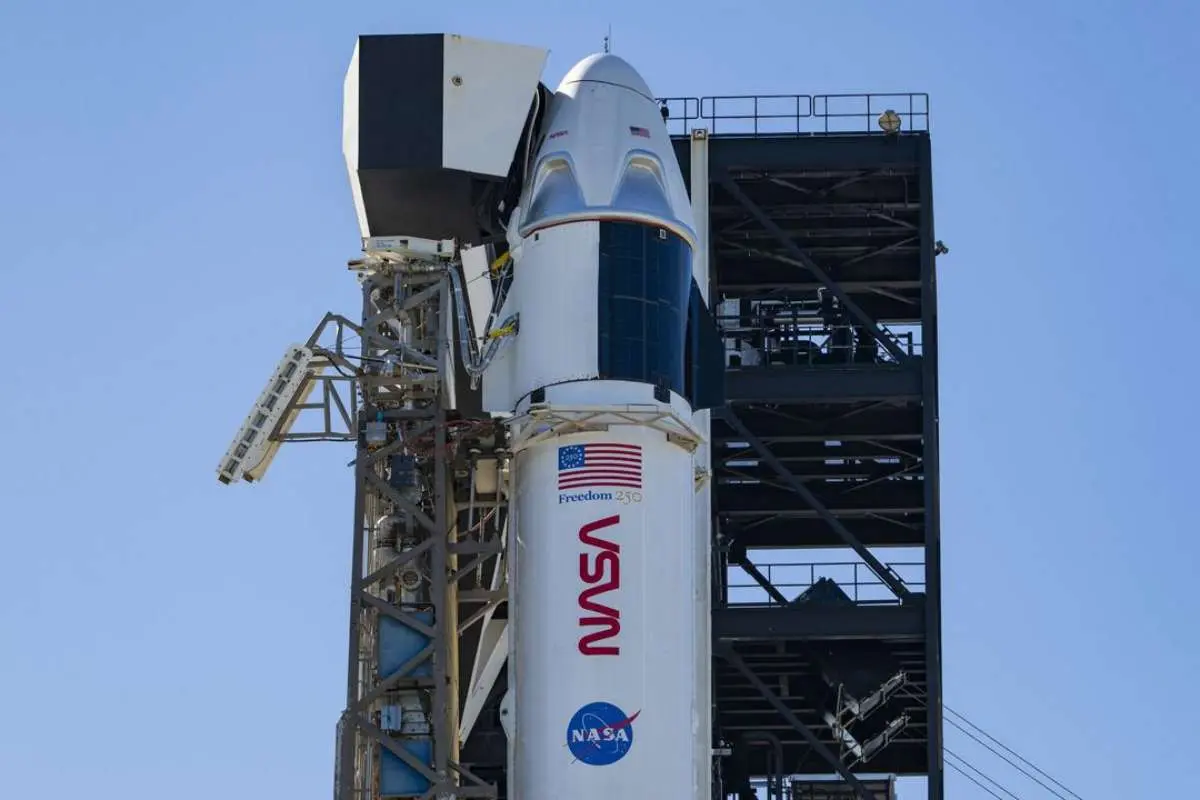
NASA is undertaking a major strategic recalibration in its Artemis program, signaling a shift in how the United States plans to return humans to the Moon, a move that could reshape the SpaceX NASA moon mission. The agency is increasingly leaning toward expanding the role of SpaceX, gradually reducing reliance on traditional contractor Boeing.
For years, Boeing’s Space Launch System (SLS) formed the backbone of NASA’s deep-space ambitions. Designed as a powerful heavy-lift rocket, SLS was expected to carry astronauts aboard the Orion spacecraft into lunar orbit. However, persistent delays, soaring costs, and evolving mission demands have prompted NASA to reconsider its approach.
The revised strategy reflects a broader transformation in space exploration one that emphasizes flexibility, cost efficiency, and rapid innovation around the SpaceX NASA moon mission. Rather than depending on a single system, NASA appears to be diversifying responsibilities across multiple providers, with SpaceX emerging as a central player. This shift does not eliminate Boeing’s role entirely but suggests a reduced dominance in future lunar missions, marking a significant turning point in the Artemis program.
Starship’s Expanding Role in Lunar Missions
At the heart of NASA’s evolving plan is SpaceX’s ambitious Starship system, a fully reusable spacecraft designed for deep-space travel. Initially selected as a human landing system, Starship is now being considered for a broader range of responsibilities, potentially including transporting astronauts into lunar orbit.
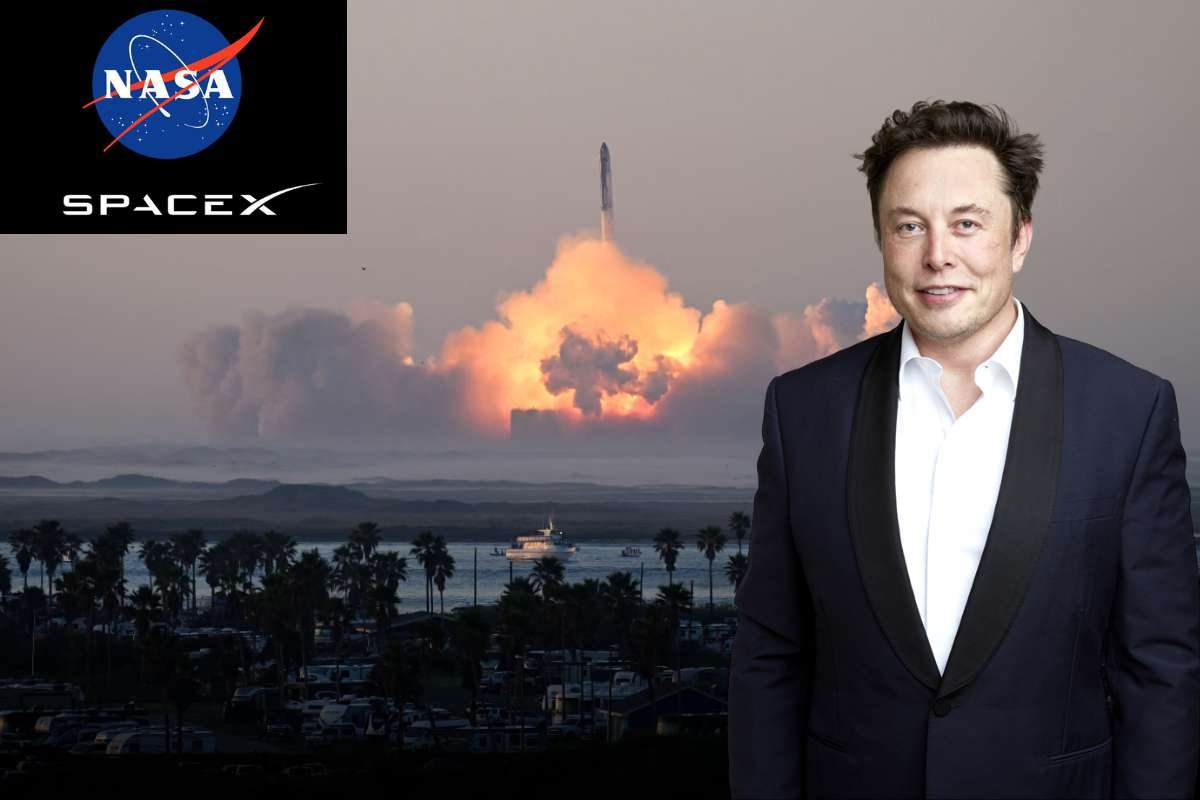
Such a move would significantly alter mission architecture for the SpaceX NASA moon mission. Instead of relying heavily on SLS for crew transport, NASA could integrate Starship into multiple phases of the journey, leveraging its reusability and scalability to streamline operations. The decision highlights the growing confidence in SpaceX, led by CEO Elon Musk, whose company has rapidly advanced from cargo missions to becoming a cornerstone of NASA’s human spaceflight ambitions.
However, the expansion is not without challenges. Starship is still under development and must overcome complex engineering hurdles, including orbital refueling and system reliability for crewed missions. These technical milestones are critical to ensuring safety and mission success.
Despite these uncertainties, NASA appears willing to embrace calculated risks in exchange for long-term gains. The potential cost savings and operational flexibility offered by reusable spacecraft are seen as transformative advantages compared to traditional expendable rocket systems.
Implications for Boeing and the Future of Exploration
The rebalancing of responsibilities represents a significant shift in the competitive landscape of the aerospace industry. Boeing, once the dominant force in NASA’s lunar ambitions, now faces a more limited role as commercial players gain influence.
While SLS will likely remain part of near-term missions, its long-term position appears less certain. NASA’s willingness to explore alternative architectures suggests a future where legacy systems coexist with or are gradually replaced by next-generation commercial technologies.
The Artemis program itself continues to evolve as part of the broader SpaceX NASA moon mission roadmap. The upcoming Artemis II mission is expected to mark the first crewed flight in the program, setting the stage for subsequent lunar landings later in the decade. NASA’s broader vision includes not only returning humans to the Moon but also establishing a sustainable presence that could support future missions to Mars.
In this context, the growing prominence of SpaceX underscores a larger industry trend: the rise of private companies as key drivers of space exploration. What was once a government-dominated domain is now a collaborative ecosystem where innovation is increasingly led by commercial entities.
As NASA refines its plans, the balance between reliability, cost, and technological advancement will remain central. The agency’s evolving partnership with SpaceX signals a bold step toward a new era one where agility and innovation may ultimately define the path back to the Moon.