
Dental implants serve as a stable way to restore missing teeth and support oral health. Many factors affect how well an implant settles and bonds with bone. Tobacco use plays a major role in this process and can change final results. Clear facts help patients in Indianapolis plan better and support long-term success. This article explains key causes that show how tobacco use can affect implant outcomes.
5 Key Ways Smoking Affects Implant Outcomes
1. Reduced Blood Supply to Oral Tissue
Dental implants in Indianapolis rely on strong gum health for proper support and stability. Tobacco use causes blood vessels to narrow, which limits blood supply to the gum area. This reduced flow means fewer nutrients reach the implant site. Tissue repair slows, and the body takes more time to respond after placement.
2. Lower Oxygen Levels in Bone Structure
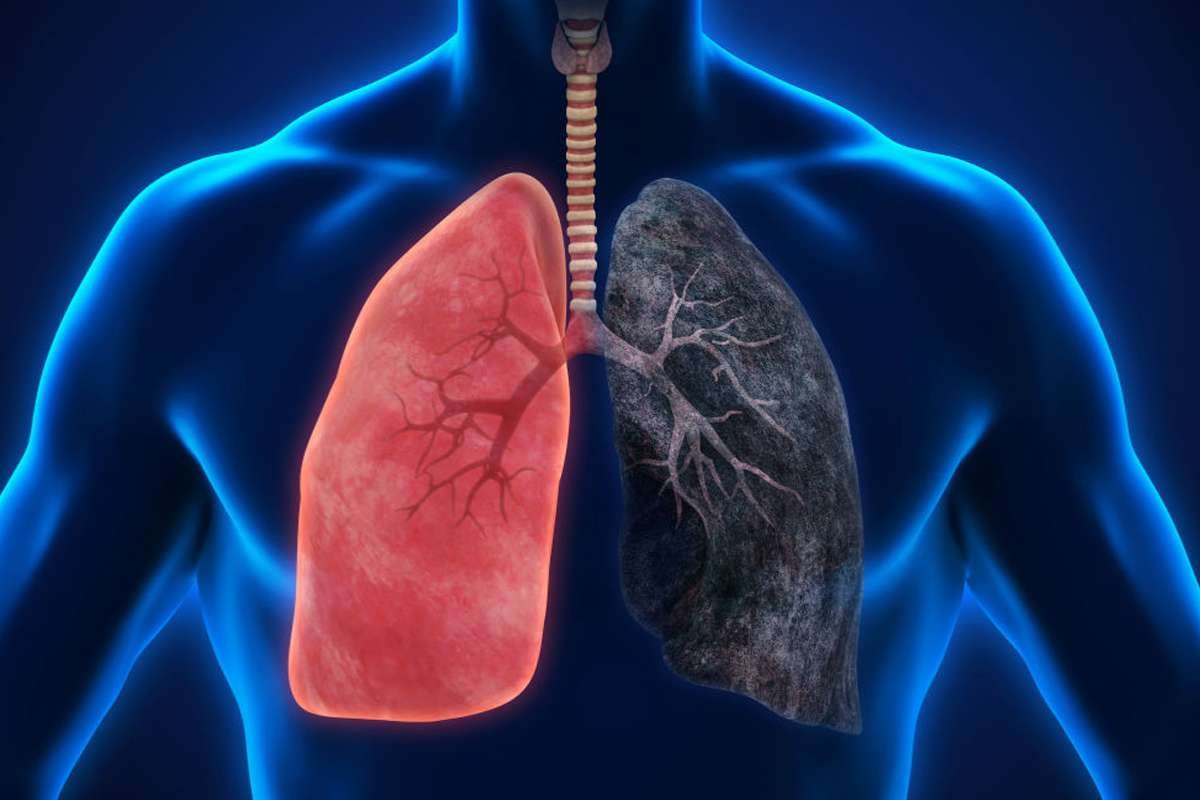
Oxygen plays a vital role in bone repair and strength after implant placement. Tobacco use lowers oxygen levels in the blood, which reduces the supply to the jawbone tissue after an implant in Indianapolis. Bone cells need oxygen to grow and attach around the implant surface. Low oxygen levels slow this process and reduce the strength of the bond. A weaker bond can affect how well the implant stays in place over time. Proper oxygen flow helps the body build a secure connection between bone and implant.
3. Greater Risk of Infection Around Implants
Dental implants in Indianapolis require a clean and stable oral environment for long-term success. Tobacco use affects the body’s defense system and reduces its ability to control bacteria. This can lead to conditions such as peri-implant disease. Gum tissue near the implant may show signs of irritation or swelling. Infection can affect the bone that supports the implant. Early care and clean habits help reduce this concern and support better outcomes.
Key effects linked to infection risk include:
- Reduced immune response allows bacteria to affect the gum tissue more easily.
- Dry mouth conditions support bacterial growth near the implant area.
- Slower repair process delays recovery from minor irritation.
- Weak tissue response makes it harder to control early infection signs.
These points highlight how oral hygiene and body response connect closely.
4. Delayed Recovery After Implant Placement
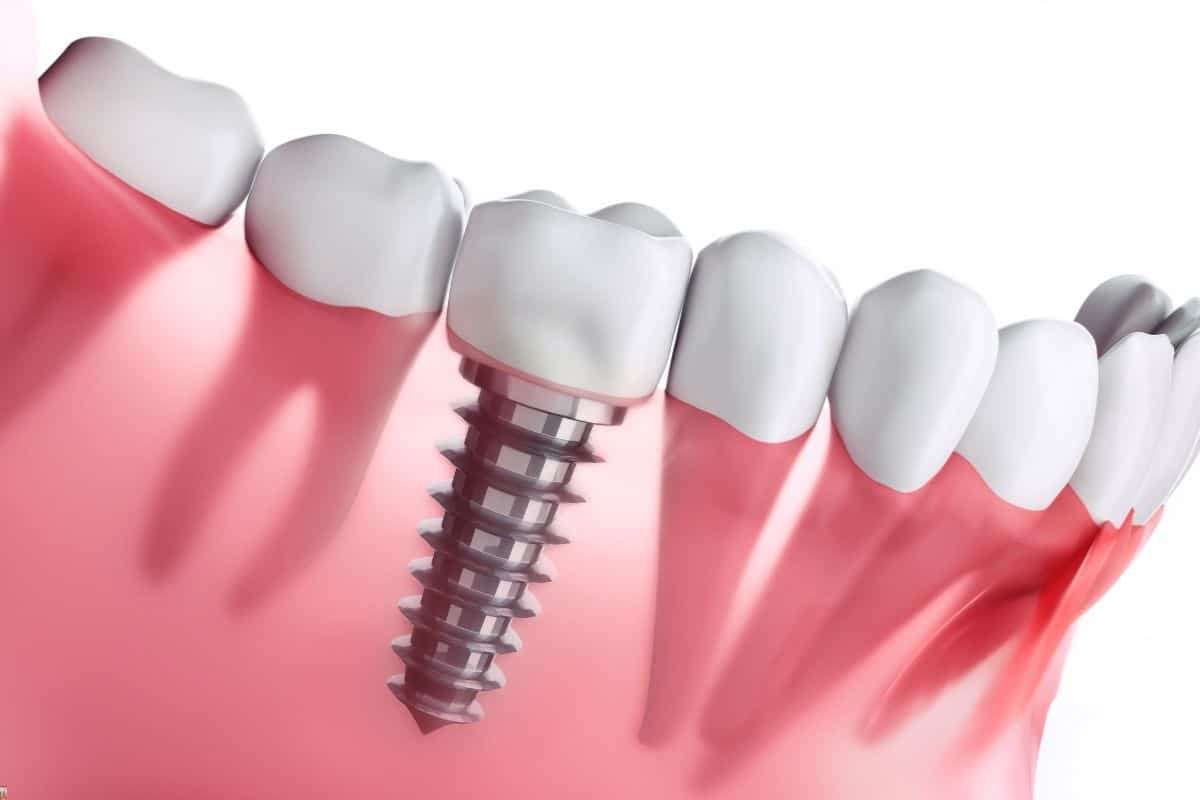
Healing speed plays a major role in implant success and comfort after placement. Tobacco use slows cell repair and affects how fast the body responds. Gum tissue takes more time to close and protect the implant site. Bone also requires more time to adapt and support the implant post. A longer healing phase can affect stability during early weeks. Proper care and steady habits help support better healing and improve long-term results.
5. Impact on Bone Integration Strength
Strong bone integration forms the base of implant success and long-term support. Tobacco use affects how bone cells attach to the implant surface. This process requires steady growth and proper cell function. Reduced blood supply and oxygen slow this connection. A weaker bond can affect durability and long-term comfort. Stable integration ensures that the implant remains firm under daily pressure and use.
Dental implants in Indianapolis can deliver stable results when proper care supports healing and bone health. Tobacco use affects blood flow, oxygen levels, and tissue repair, which can influence outcomes. Clear awareness helps guide better habits before and after treatment. A simple step, such as reducing tobacco use before implant care, can improve healing and support stronger results over time.