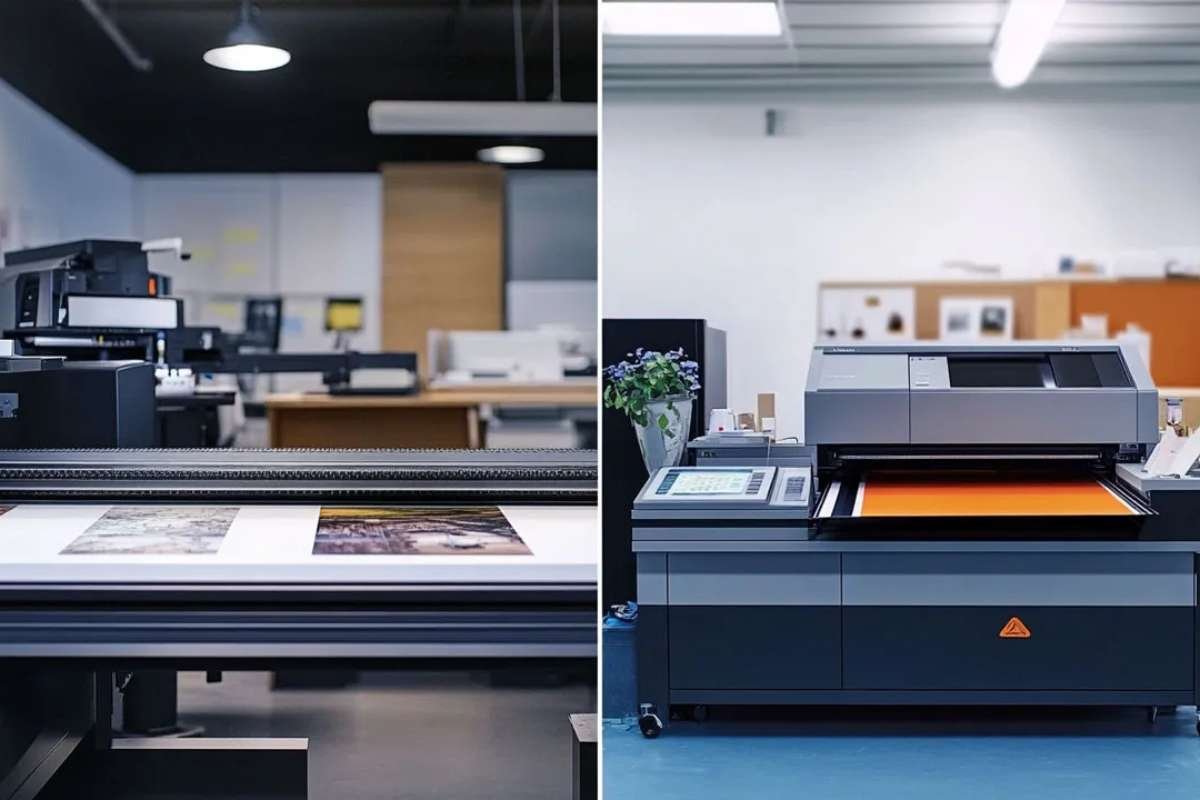
For independent artists, designers and small brand owners, one of the most important early decisions is how to produce and fulfil products. Should you create items by hand, managing materials and shipping yourself? Or, in the debate of Print-on-Demand vs Handmade, should you use a print-on-demand (POD) service that produces and ships products only after a customer places an order?
Both models offer compelling advantages. Both carry trade-offs. The right choice depends on your goals, capacity, pricing strategy and long-term vision for your brand.
This guide breaks down the practical, financial and creative implications of print-on-demand versus handmade production, helping you decide which path aligns with your business.
Understanding the Two Models
What Is Print-on-Demand?
Print-on-demand is a fulfilment model where products are printed and shipped by a third-party provider only when an order is placed. Common POD products include:
- T-shirts
- Posters
- Hoodies
- Phone cases
- Tote bags
- Stickers
- Mugs
You upload your design, set your price, and the provider handles production and logistics.
What Is Handmade Production?
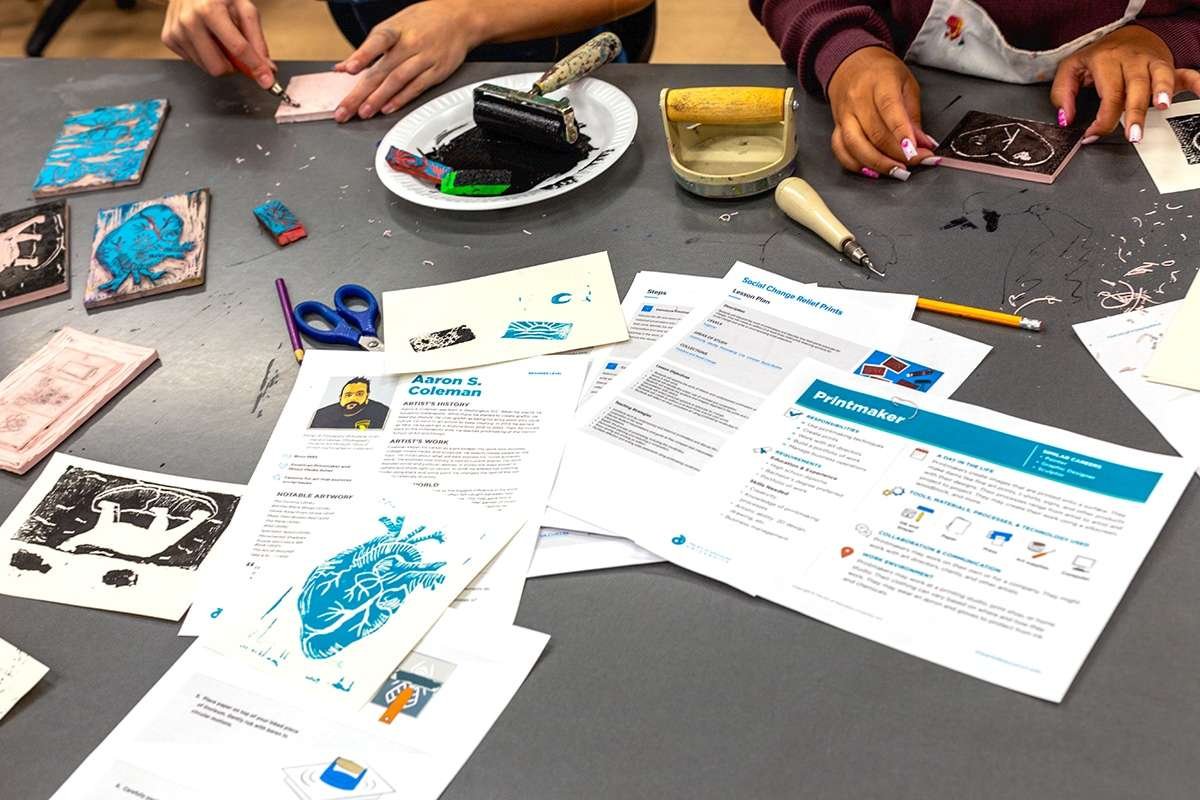
Handmade production involves creating products yourself or in a small workshop. This may include:
- Hand-printed apparel
- Jewellery
- Ceramics
- Art prints
- Embroidered textiles
- Custom artwork
You control the production process from raw materials to final packaging.
Startup Costs and Financial Risk
Print-on-Demand: Low Barrier to Entry
One of the strongest advantages of POD is minimal upfront investment, and in the debate of Print-on-Demand vs Handmade, this low barrier to entry makes it especially appealing for new sellers.
You typically pay:
- Platform subscription fees
- Sample product costs (optional)
- Design tools
There is no need to purchase bulk inventory. This reduces financial risk significantly.
According to eCommerce consultants, POD is often recommended for first-time sellers because it eliminates unsold stock risk.
Handmade: Higher Upfront Investment
Handmade businesses require:
- Materials
- Tools or equipment
- Workspace
- Packaging supplies
- Time
Inventory must be created in advance, tying up capital.
However, handmade margins can sometimes be higher if priced correctly.
Profit Margins and Pricing Strategy
POD Margins
Margins are typically moderate rather than high, which is an important consideration when evaluating Print-on-Demand vs Handmade for long-term profitability.
Example:
- POD T-shirt base cost: £12
- Retail price: £25
- Gross profit: £13 (before platform fees and marketing costs)
Margins are typically moderate rather than high.
Handmade Margins
If materials cost £5 and you sell for £30, margins may appear strong. However, time must be factored into pricing.
Creative business coach Emma Patel explains:
“Many handmade sellers undervalue their time. If you don’t account for labour properly, profit margins are misleading.”
Handmade production often becomes labour-intensive, limiting scalability.
Scalability and Growth Potential

Print-on-Demand: Highly Scalable
POD excels in scalability, and when analysing Print-on-Demand vs Handmade, this ability to grow without operational changes gives POD a strong advantage.
This makes POD attractive for:
- Viral social media brands
- Influencer merchandise
- Seasonal product drops
Growth does not require expanding your workspace or hiring staff.
Handmade: Capacity-Limited
Handmade production scales more slowly. If orders increase dramatically, you must:
- Work longer hours
- Hire assistance
- Outsource production
- Reduce product complexity
Scaling handmade brands often requires transitioning to small-batch manufacturing.
Creative Control and Product Quality
Handmade: Maximum Control
Handmade creators control:
- Materials
- Finishing details
- Packaging
- Quality inspection
This level of craftsmanship supports premium positioning.
Customers often associate handmade products with authenticity, uniqueness and emotional value.
Print-on-Demand: Dependent on Supplier Quality
With POD, product quality depends on the supplier.
You typically have limited control over:
- Fabric weight
- Print durability
- Colour accuracy
- Packaging presentation
Ordering samples is essential before launching products.
Brand Positioning and Perceived Value
Brand perception differs significantly between models.
Handmade Branding
Handmade brands often highlight:
- Craftsmanship
- Sustainability
- Local production
- Limited editions
This allows higher price points and stronger emotional storytelling.
Print-on-Demand Branding
POD brands typically focus on:
- Design originality
- Accessibility
- Trend responsiveness
- Broad reach
POD works well for graphic-driven brands where design is the primary value driver.
Time Commitment and Lifestyle Impact
POD: Design-Focused Workflow
With POD, most time is spent on:
- Creating designs
- Marketing
- Customer engagement
- Brand development
There is minimal time spent on packing and shipping.
This model suits creators who prefer design over production.
Handmade: Production-Heavy Workflow
Handmade sellers spend substantial time on:
- Making products
- Sourcing materials
- Managing stock
- Shipping orders
While rewarding creatively, this workload can lead to burnout if demand rises.
Risk and Flexibility
POD: Low Inventory Risk
You can test designs with minimal financial exposure. If a product fails, you remove it without stock losses.
This encourages experimentation.
Handmade: Higher Inventory Risk
If a product line doesn’t sell, you may hold unsold inventory.
However, handmade sellers can sometimes repurpose materials or redesign unsold pieces.
Sustainability Considerations
Environmental impact varies between models.
Print-on-Demand Sustainability
POD reduces overproduction because items are created only after purchase. However, shipping often occurs from central facilities, increasing carbon footprint.
Handmade Sustainability
Local production and small-batch creation may reduce transportation impact. But sourcing materials responsibly is crucial.
Consumers increasingly value transparent sustainability practices.
Customer Experience
Handmade: Personal Touch
Handwritten notes, customised packaging and unique finishes enhance customer loyalty.
Personalisation strengthens brand connection.
POD: Consistent Delivery
POD ensures consistent production timelines and professional fulfilment.
However, personal touches may be limited.
Hybrid Models: Combining Both Approaches
Many successful brands adopt hybrid strategies.
For example:
- Core merchandise produced via POD
- Limited edition or premium items handmade
- Handmade originals paired with POD reproductions
An artist might sell handmade canvas paintings while offering printed posters via POD to reach broader audiences.
Similarly, in the context of Print-on-Demand vs Handmade, digital artwork restored or enhanced through creative processes—perhaps refined with tools like a Photo Colorizer before being reproduced on merchandise—can exist alongside handcrafted pieces, allowing both scalability and craftsmanship to coexist.
Hybrid models balance efficiency and authenticity.
Long-Term Business Vision

Choosing between POD and handmade depends heavily on long-term goals.
Ask yourself:
- Do you want a scalable online brand?
- Do you enjoy the making process itself?
- Are you aiming for high-volume sales or limited editions?
- Do you want passive income potential?
- How much time can you realistically commit?
Strategic alignment matters more than trend-following.
Conclusion
There is no universally “better” option between models, and understanding Print-on-Demand vs Handmade ultimately helps creators choose the path that aligns with their business goals.
Print-on-demand offers flexibility, scalability and low risk. Handmade offers authenticity, control and premium positioning.
Your decision should reflect not only financial considerations but also personal strengths, lifestyle preferences and long-term vision.
The most successful creative entrepreneurs choose the model that aligns with their capacity and brand identity—not the one that appears easiest at first glance.
Ultimately, sustainability—both financial and personal—is what determines success.