Key Takeaways
- Starship reached orbit for the first time.
- 26 Starlink satellites were deployed.
- SpaceX shares fell 2% despite the milestone.
SpaceX’s Starship reaches orbit for the first time Monday and deploys 26 Starlink satellites, but shares fall 2% as an engine failure shortens the mission.
Starship Reaches Orbit Despite Engine Failure
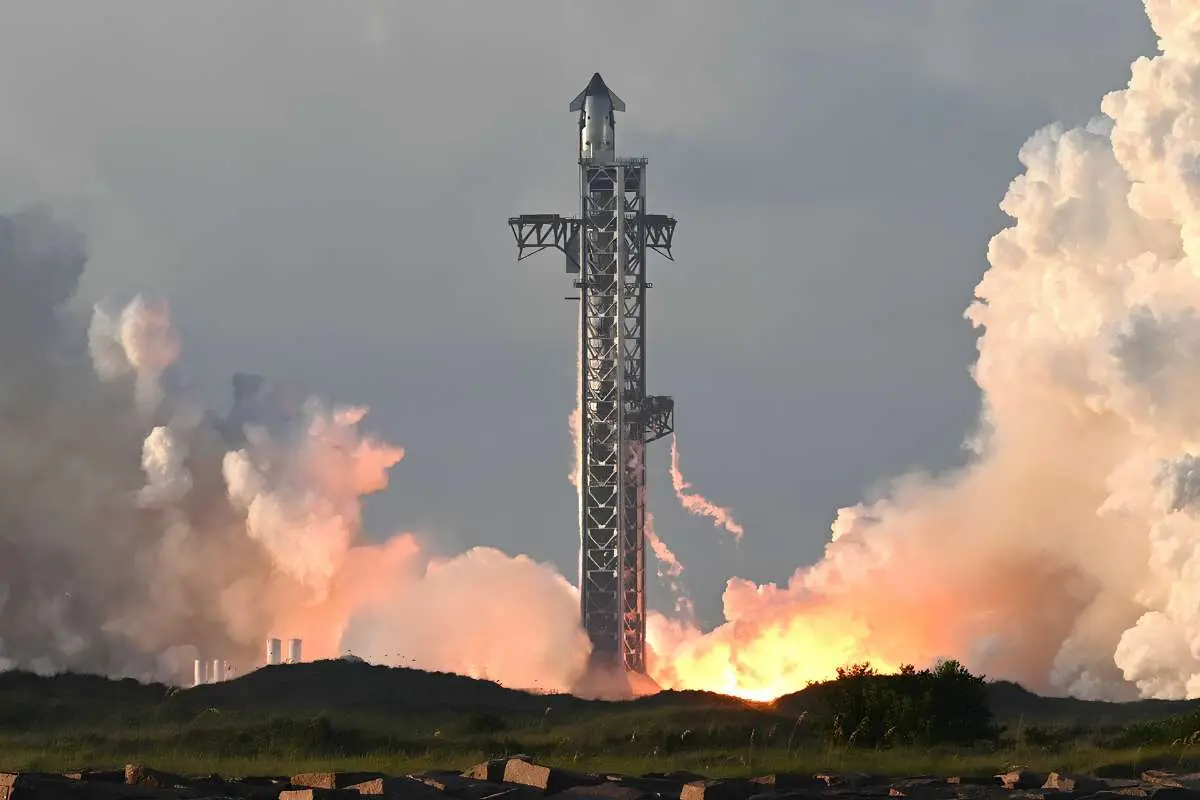
SpaceX launched Starship from its Starbase facility in South Texas on its 14th full-scale test flight, marking the first time the massive spacecraft reached Earth orbit. The achievement cleared a major development milestone for the company’s next-generation launch system.
The mission was originally planned to last about 10 hours and complete six orbits. Instead, SpaceX ended the flight after about three hours when one of Starship’s three main engines shut down prematurely after separating from its Super Heavy booster.
Despite the engine problem, engineers determined that the remaining engines could provide enough power for orbital insertion. Mission control then proceeded with the maneuver, and cheers followed as Starship successfully entered orbit.
“Starship is orbital,” SpaceX mission control announced during the livestream. NASA Administrator Jared Isaacman later congratulated the company for “getting Ship to orbit” and managing the mission in a safe and responsible manner.
SpaceX Deploys 26 New Starlink Satellites
Once in orbit, Starship released 26 next-generation Starlink satellites, giving the company its first operational payload deployment from the vehicle. Elon Musk said the satellites were deployed successfully and were operating normally.
The Starlink V3 satellites are designed to handle substantially more data than earlier versions. Reuters reported that SpaceX says the new satellites can carry about 10 times the data of its previous V2 mini satellites, potentially allowing the company to expand network capacity more quickly once Starship enters regular service.
The mission also represented Starship’s first revenue-generating flight. Analysts estimated that the new Starlink capacity could eventually represent hundreds of millions of dollars in projected revenue for the satellite internet business, highlighting the commercial importance of the launch system.
SpaceX has spent more than $15 billion developing Starship since the program began. The company intends to use the vehicle for large-scale Starlink launches as well as future missions to the moon.
SpaceX Shares Fall After Starship Reaches Orbit for the First Time
SpaceX shares fell 2% Monday despite Starship reaching orbit, according to Reuters. The decline came as investors assessed the significance of the engine failure and the company’s remaining work before Starship can enter routine commercial operations.
SpaceX was valued at about $2 trillion at Friday’s close, making Starship’s development an important factor for investors following the newly public company. Barron’s reported that the stock had risen about 10% from its $135 initial public offering price before Monday’s trading.
The successful orbital insertion does not complete Starship’s development. SpaceX still needs to demonstrate greater reliability, including repeated flights, controlled returns and eventual reuse of the spacecraft.
NASA also expects Starship to play a role in its Artemis lunar program. The agency plans to use a version of the spacecraft as a lunar lander for future crewed missions, making the rocket’s continued testing important to its broader spaceflight plans.