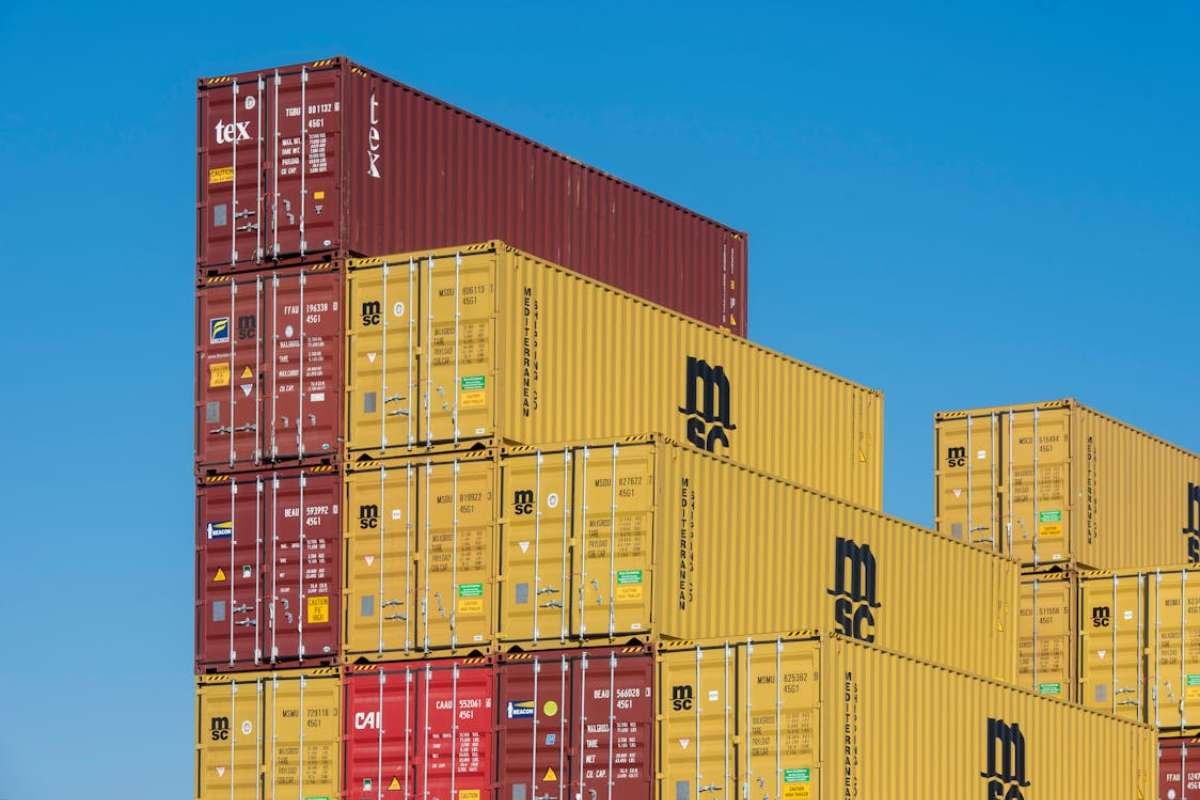
The modern supply chain is a series of interconnected bets, but even the best forecasts can fail when cargo hits a congested port. As many as 500,000 shipping containers move through global ports every day, and each one represents a ticking deadline that could lead to a potential delay. When those boxes sit idle, costs spiral out of control.
Traditional logistics often dictate that a container should travel from the port of entry all the way to its final inland destination before being opened. This “door-to-door” approach feels simple, but it leaves businesses vulnerable to equipment shortages and high drayage fees.
Transloading offers a tactical detour. By moving freight from an ocean container to a domestic trailer or railcar near the coast, shippers regain control of their inventory before it gets stuck in a bottleneck.
5 Benefits of Container Transloading Services for Supply Chains
1. The Financial Impact of Strategic Rerouting
Efficiency in 2026 is no longer just about moving faster; it is about moving smarter to avoid unnecessary fees. Many importers face “demurrage” and “detention” charges that can exceed the value of the goods inside the box if the container isn’t returned to the steamship line on time. Transloading stops that clock, and once the goods are moved into a domestic vehicle, the empty ocean container can be returned to the port immediately.
Import container transloading services processing times at major U.S. hubs averaged 3.33 days in early 2026. While that seems manageable, any spike in volume can push that average into a week of waiting.
By utilizing transloading services, businesses can bypass port congestion, reduce equipment delays, and improve overall supply chain efficiency—particularly when working with facilities equipped to handle rapid cargo transfers, deconsolidation, and inland distribution at scale.
This method also allows for “deconsolidation,” in which one massive shipment is split into several smaller shipments destined for different regional warehouses. Instead of sending a whole container transloading services to a single point and then redistributing it, the sorting happens at the coast. This reduces the total miles traveled by the freight.
2. Solving the Intermodal Equipment Puzzle
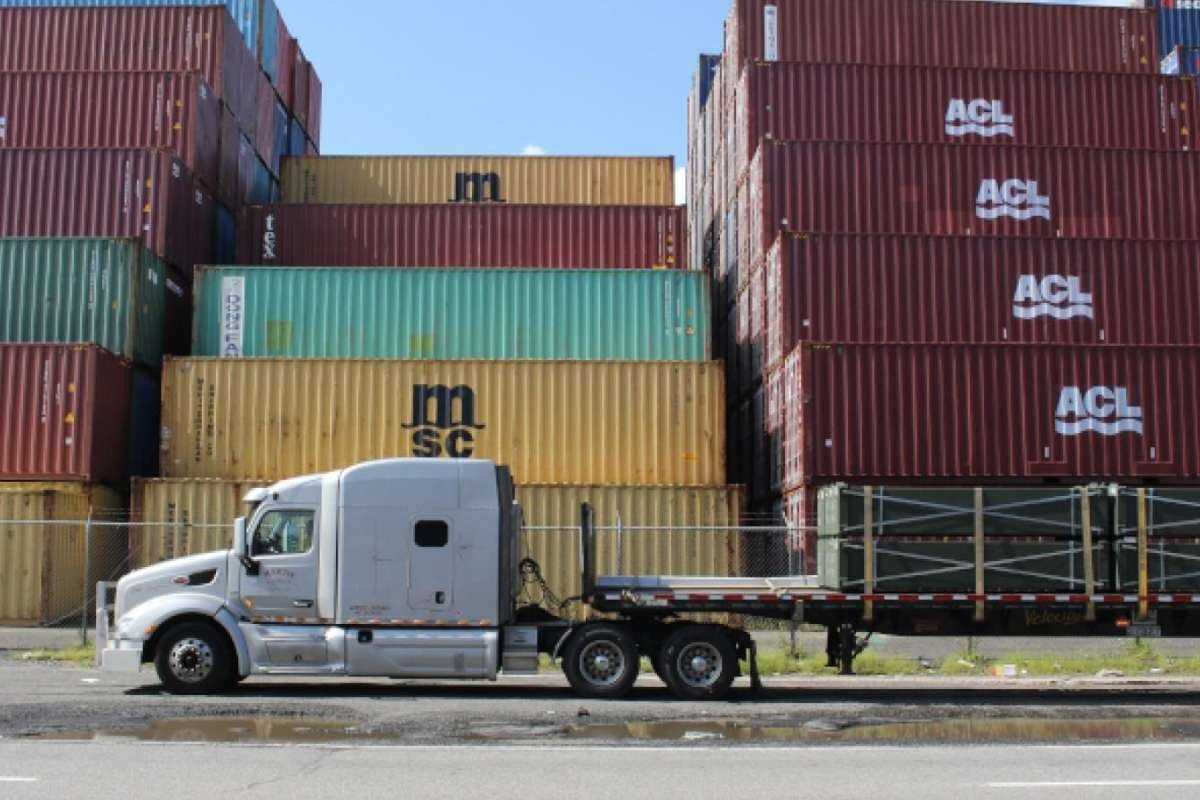
The transition from sea to land is rarely a one-to-one swap, as a single railcar can often carry the contents of three or four trucks, which creates a massive opportunity for cost savings when moving goods across the country. One railcar replaces multiple truckloads while simultaneously improving fuel efficiency by up to 400%. This is a critical factor for companies trying to meet new environmental standards.
Shippers who integrate these services into their workflow generally see several immediate benefits:
- Faster return of ocean equipment to avoid daily late fees
- Reduced reliance on long-haul trucking during driver shortages
- Ability to palletize floor-loaded cargo for easier warehouse receiving
Selecting the right location for these operations is a strategic decision that impacts the entire network. If the facility is too far from the port, the drayage costs eat into the savings. If it is too small, it becomes its own bottleneck.
3. Regulatory Pressure and Environmental Gains
The logistics landscape is shifting under the weight of new carbon regulations. In 2026, the maritime industry has seen a significant expansion of the EU Emissions Trading System, which now covers 70% of maritime emissions in certain trade lanes. While these rules start in Europe, they set a global tone for how carbon footprints are calculated.
Transloading contributes to a greener supply chain by enabling better “cube utilization.” Ocean container transloading services are often limited by weight rather than space.
When those goods are moved into 53-foot domestic trailers, they can be packed more efficiently. This means fewer trucks on the road to move the same amount of product. It is a rare instance where the cheapest financial move is also the most sustainable one.
Infrastructure is the backbone of this efficiency. With 39% of logistics executives prioritizing investment in warehousing and logistics hubs this year, the focus has shifted toward facilities that can handle rapid turnover. The goal is no longer to store goods, but to keep them in constant motion.
4. Scaling Operations for Future Growth
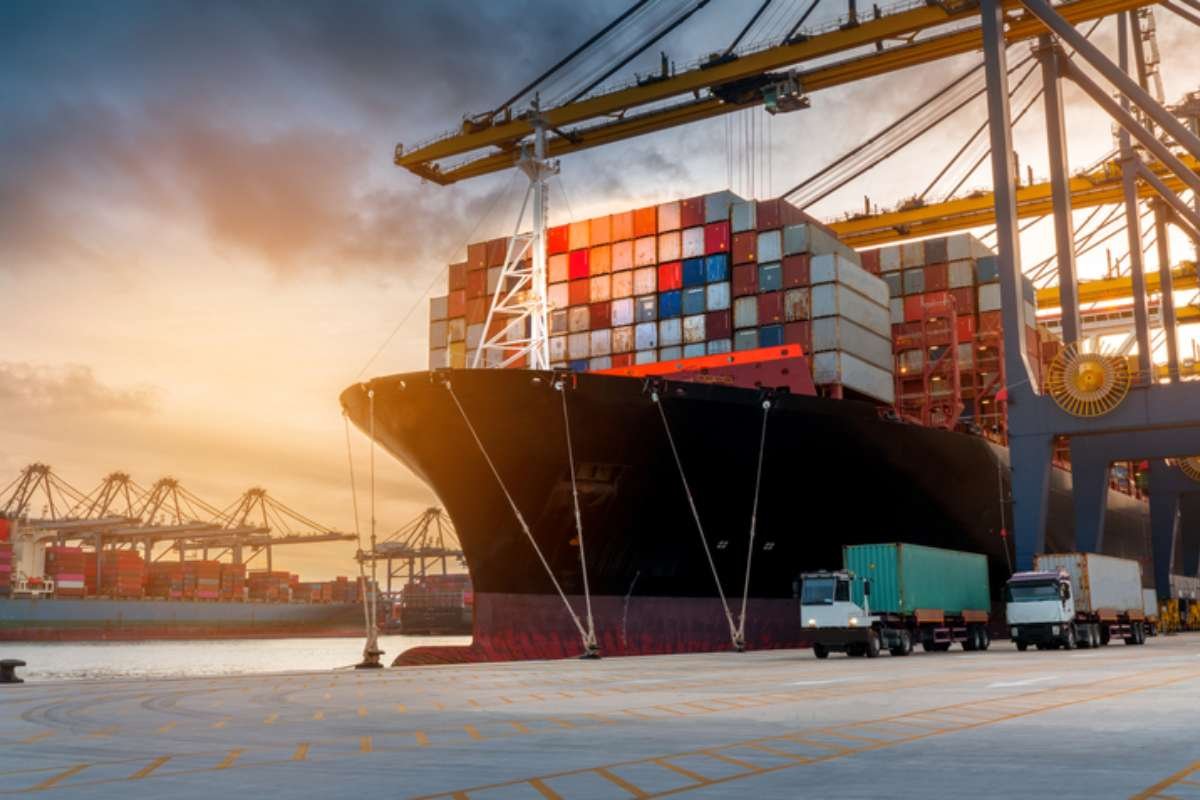
The volatility of the last few years has taught the industry that a rigid supply chain is fragile. Relying on a single path from port to warehouse is a risk that most modern enterprises can no longer afford to take.
Container Transloading Services acts as a pressure relief valve. When one inland rail ramp is backed up, cargo can be transloaded to trucks. When trucking rates skyrocket, the cargo can be moved to rail.
This flexibility is what separates market leaders from those struggling to keep shelves stocked. By decoupling the ocean leg from the inland leg, businesses gain the freedom to make real-time decisions based on current market rates and port conditions. It turns a static transit plan into a dynamic strategy.
5. Improving Your Logistics Resilience
Modernizing a supply chain requires more than just new software; it requires a physical infrastructure that can adapt to change. As global trade volumes continue to fluctuate, the ability to pivot at the port of entry remains the most effective way to protect margins and ensure on-time delivery. Staying up to date on the latest shifts in freight handling and regional hub development can help businesses anticipate disruptions before they affect the bottom line, so keep reading our posts so you’re always in the loop.