
Electrified mobility is advancing at an unprecedented pace, driven by systems that remain invisible to the consumer yet are essential to performance, safety, and reliability. High voltage connectors, signal interfaces, ingress protection architecture, and vibration resilience determine whether electric platforms operate seamlessly or break down under operational stress.
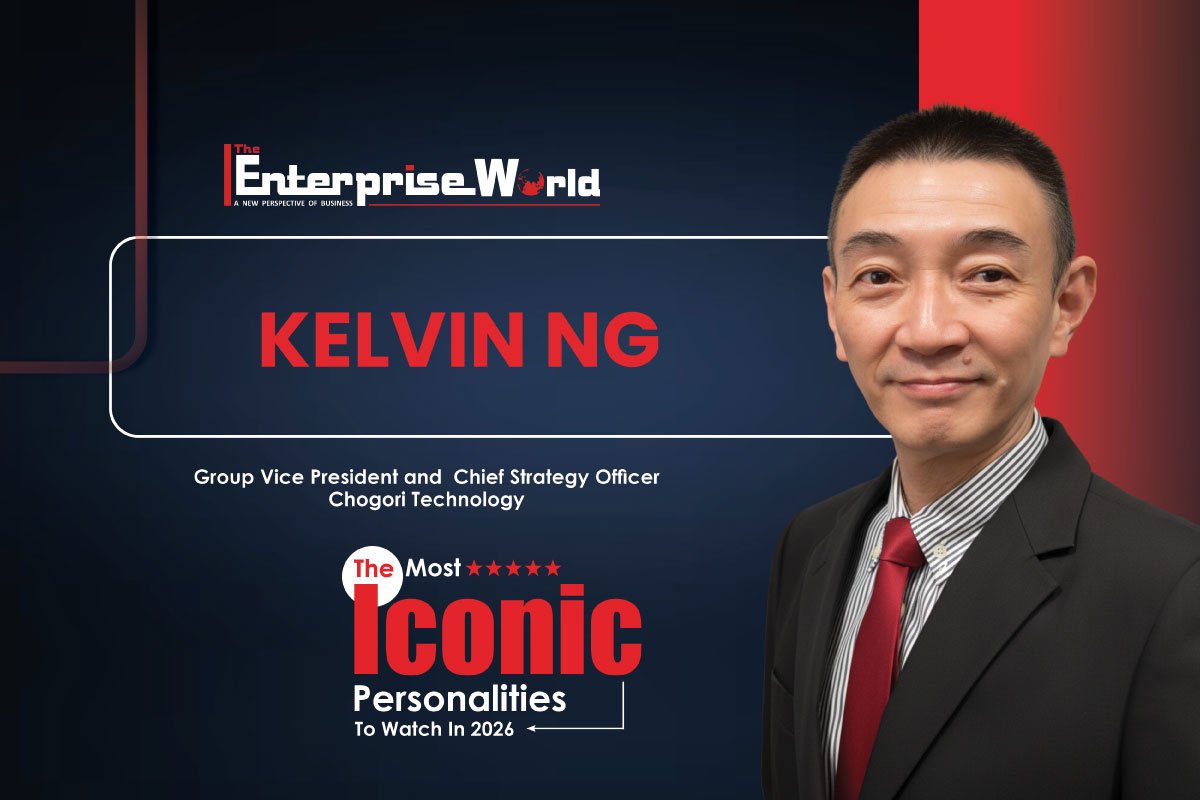
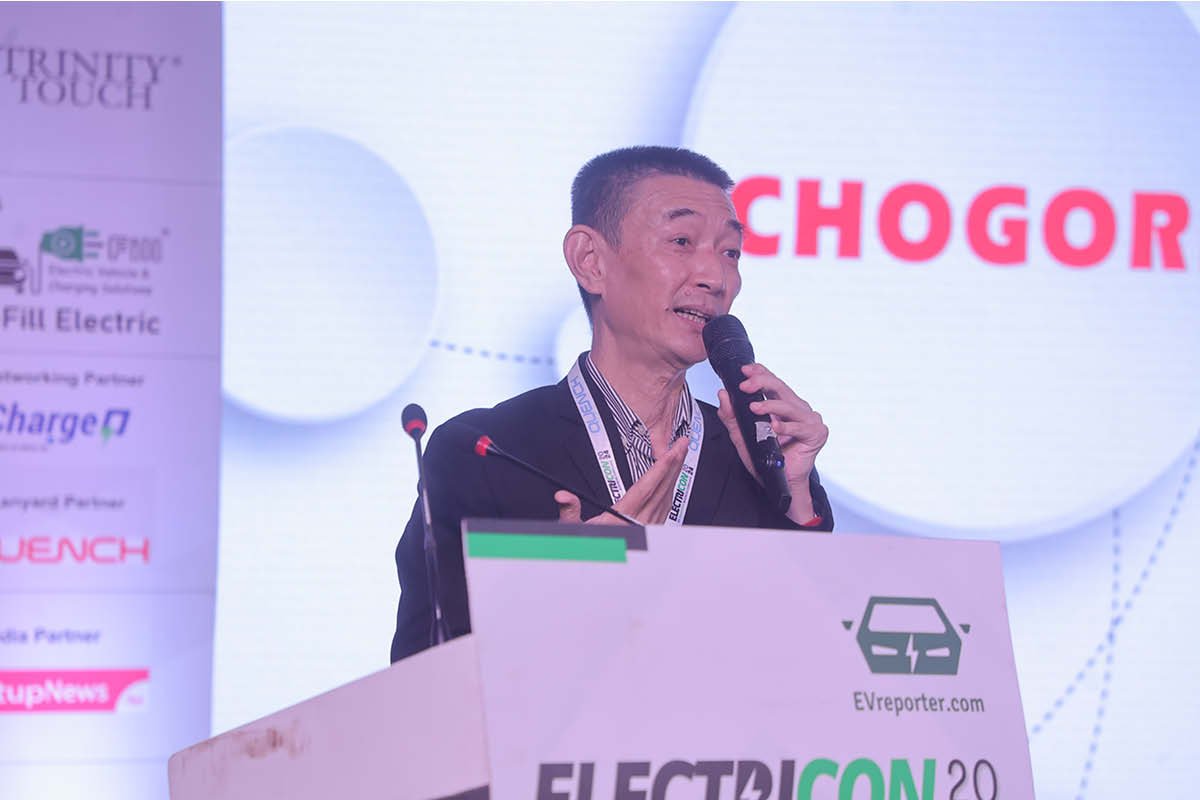
At the center of this technical frontier stands Kelvin Ng, Group Vice President and Chief Strategy Officer of Chogori Technology, a global connector solutions provider shaping the infrastructure behind electric mobility.
Kelvin’s trajectory reflects disciplined strategy, market foresight, and operational execution. From building the Asia business to guiding global expansion, his leadership blends technical depth with commercial precision. As electrification reshapes transportation across India, Europe, and emerging markets, Kelvin has positioned Chogori as a trusted engineering partner to leading OEMs. His influence extends beyond connectors into advisory governance, product management systems, and cross-regional execution.
In 2026, his impact resonates across mobility ecosystems, industrial electrification, and next-generation robotics platforms.
Foundations in Precision Engineering
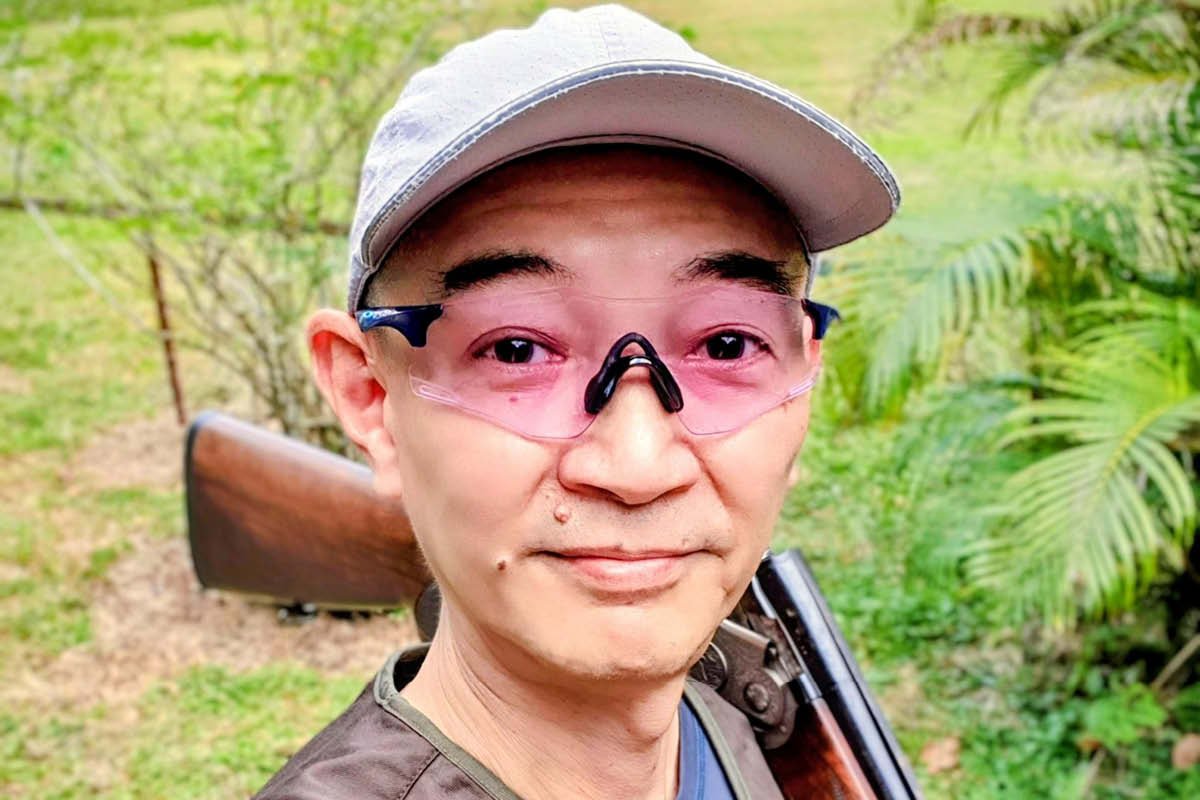
Kelvin Ng originates from Singapore and has spent decades immersed in the connector industry. His early career centered on understanding how electrical interconnect systems behave under varied environmental and mechanical stress conditions. He developed experience across signal transmission, power delivery, material selection, and compliance frameworks.
Approximately a decade ago, he spearheaded the Asia business expansion. This phase required more than sales development. It demanded regional supply chain orchestration, customer engineering collaboration, and localization strategy. His transition into the China management team further expanded his operational oversight across manufacturing, quality systems, and regional strategy alignment.
Kelvin’s pivotal insight emerged from sustained observation of India’s mobility market. He tracked the structural migration from internal combustion engines toward electrified platforms. The transformation signaled a generational inflection point. In 2017, Chogori began active engagement with Indian OEMs, long before electrification reached current scale. Early collaboration enabled the co-development of connector solutions embedded directly into electric two-wheeler architectures. That head start now translates into strong brand equity and deep engineering integration with major manufacturers.
From Lighting Infrastructure to Dynamic Mobility
Founded in 2007, Chogori Technology initially focused on lighting infrastructure. One of its landmark projects involved powering the illuminated scroll system during the opening ceremony of the 2008 Beijing Olympics. That installation required synchronized power delivery, reliability under performance conditions, and aesthetic integration. The project marked a defining milestone.
The next evolution required a shift from static environments to dynamic mobility applications. Electric two-wheelers introduced vibration stress, thermal cycling, exposure to dust and water, and repetitive mating cycles. Engineering tolerances tightened. Product validation protocols intensified. Kelvin Ng led the strategic pivot into automotive-grade solutions.
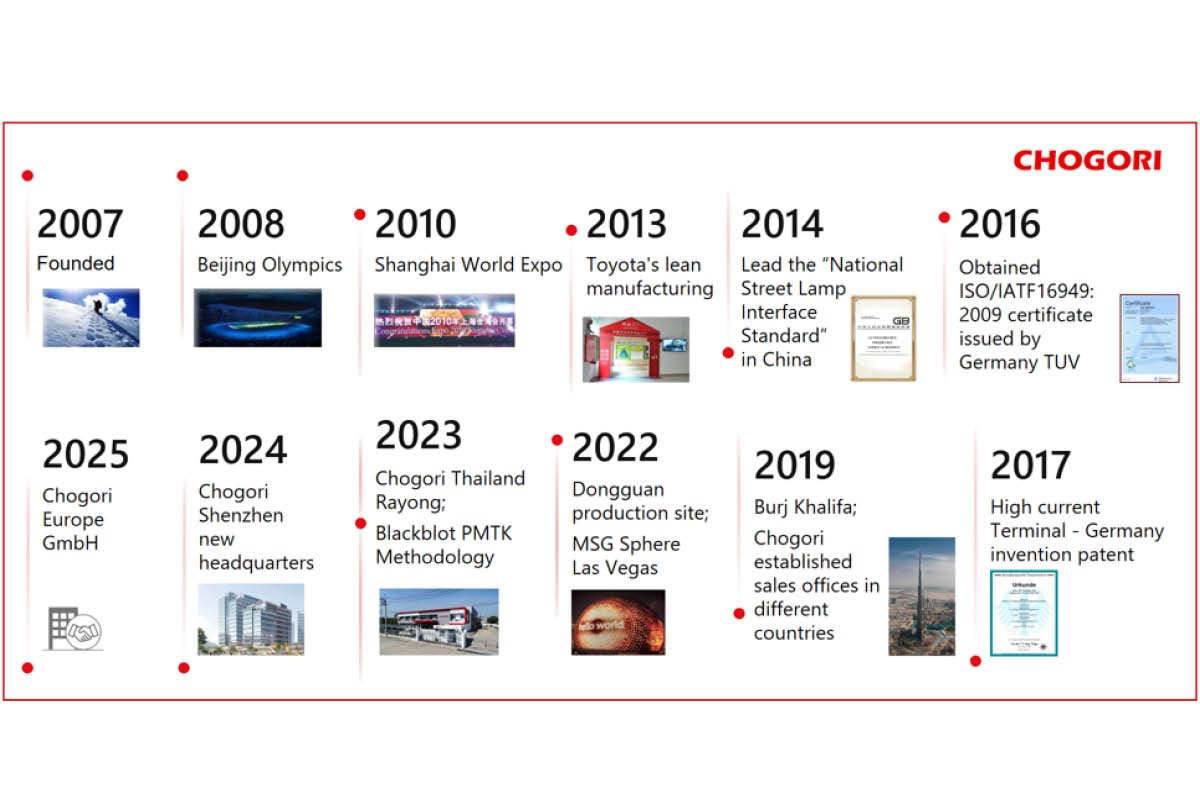
Around 2017, Chogori entered the automotive domain, particularly within India’s electric mobility segment. Design wins required extensive audits, compliance adherence, and continuous iteration. Kelvin emphasized embedding connectors into OEM design blueprints rather than supplying generic components. This integration philosophy established Chogori as a co-engineering partner rather than a transactional vendor.
Today, the company maintains a strong presence across India, Europe, and Africa, serving the electric mobility, renewable energy, and industrial sectors.
Solving Critical Engineering Constraints
Electrification introduces design compression. OEMs demand higher power throughput within smaller form factors. Safety regulations such as AIS 156 impose additional requirements for battery management systems. Kelvin’s strategic direction focuses on three primary technical challenges.
High Power Density in Compact Form
Battery packs and controllers require integrated power and signal connectors within confined geometries. Chogori developed solutions exceeding 200 amperes while maintaining thermal stability and signal integrity. Material science optimization, pin geometry refinement, and housing design innovation form the backbone of this capability.
Battery Swapping Durability
Electric two-wheelers in India frequently adopt battery swapping models. Repetitive plugging, cable tugging, and bending cycles stress connector interfaces. Kelvin’s teams engineered products capable of surpassing 10,000 bending cycles while sustaining structural integrity and contact reliability.
Reliability and Safety Enhancement
Connector failure can result in power pin overheating, arc formation, and performance degradation. Kelvin Ng strengthened internal testing protocols, mating cycle endurance validation, and ingress protection certification. Advanced sealing technologies ensure resistance to dust and water ingress across varied climates.
These technical advancements reinforce Chogori’s reputation as a durability-driven engineering organization.
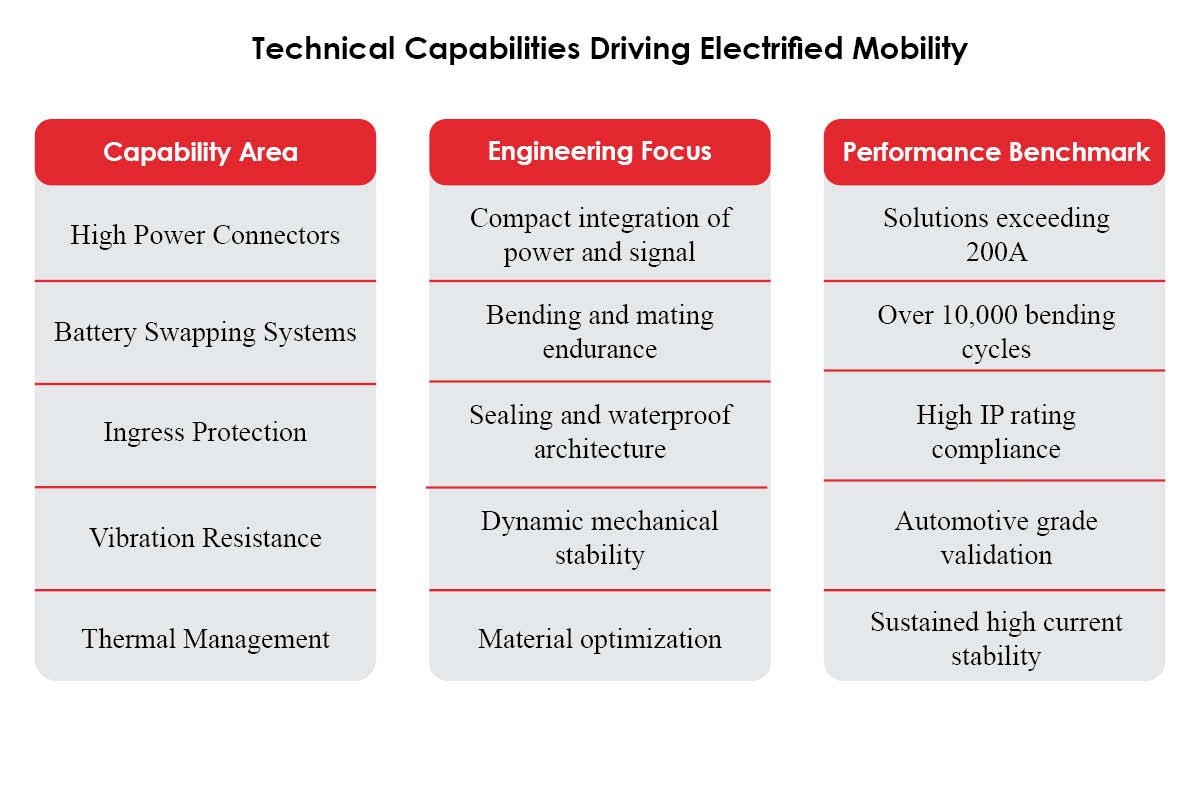
| Technical Capabilities Driving Electrified Mobility | ||
|---|---|---|
| Capability Area | Engineering Focus | Performance Benchmark |
| High Power Connectors | Compact integration of power and signal | Solutions exceeding 200A |
| Battery Swapping Systems | Bending and mating endurance | Over 10,000 bending cycles |
| Ingress Protection | Sealing and waterproof architecture | High IP rating compliance |
| Vibration Resistance | Dynamic mechanical stability | Automotive grade validation |
| Thermal Management | Material optimization | Sustained high current stability |
Strategic Partnerships and Industry Validation
Chogori’s engineering credibility rests on collaboration with leading India OEMs. Among its key clients are:
- TVS Motor Company Limited
- Hero MotoCorp Ltd.
- Honda Motorcycle & Scooter India Pvt. Ltd.
These organizations have conducted detailed factory audits in China and Thailand, evaluating quality systems, process control, and product validation standards. Kelvin’s leadership ensures that compliance remains embedded in operational culture.
The company also participates in industry platforms such as ETAuto events and the 2W 3W & EV Forum (TWF), receiving recognition for innovation in connector technology.
Listening Architecture and Feedback Integration
Kelvin Ng institutionalized structured feedback loops. Engagement channels include collaboration with EVreporter, online technical seminars, direct engineering workshops, and exhibition dialogues. Customer insights feed into internal product roadmaps.
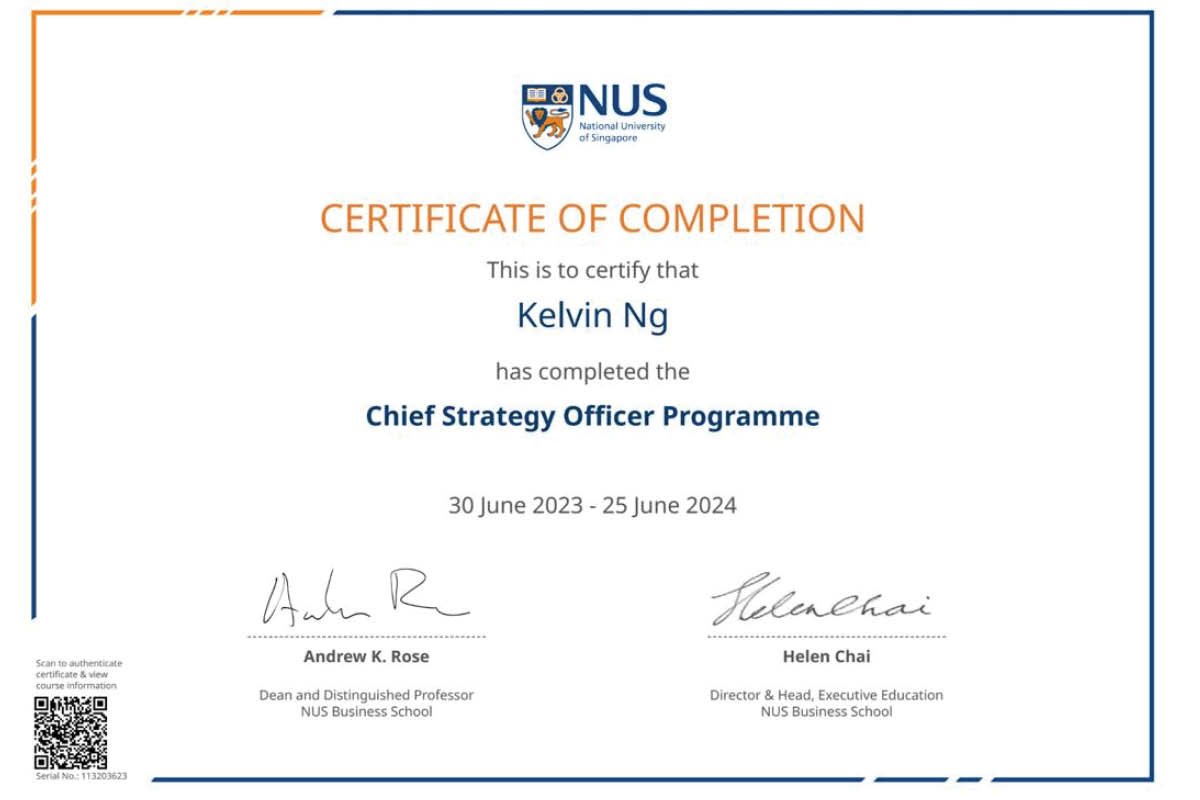
This process reflects disciplined product management training, including frameworks from Blackblot PMTK® methodology and executive programs associated with Singapore Management University and the National University of Singapore. Kelvin emphasizes translating market intelligence into technical specifications and future-proof designs.
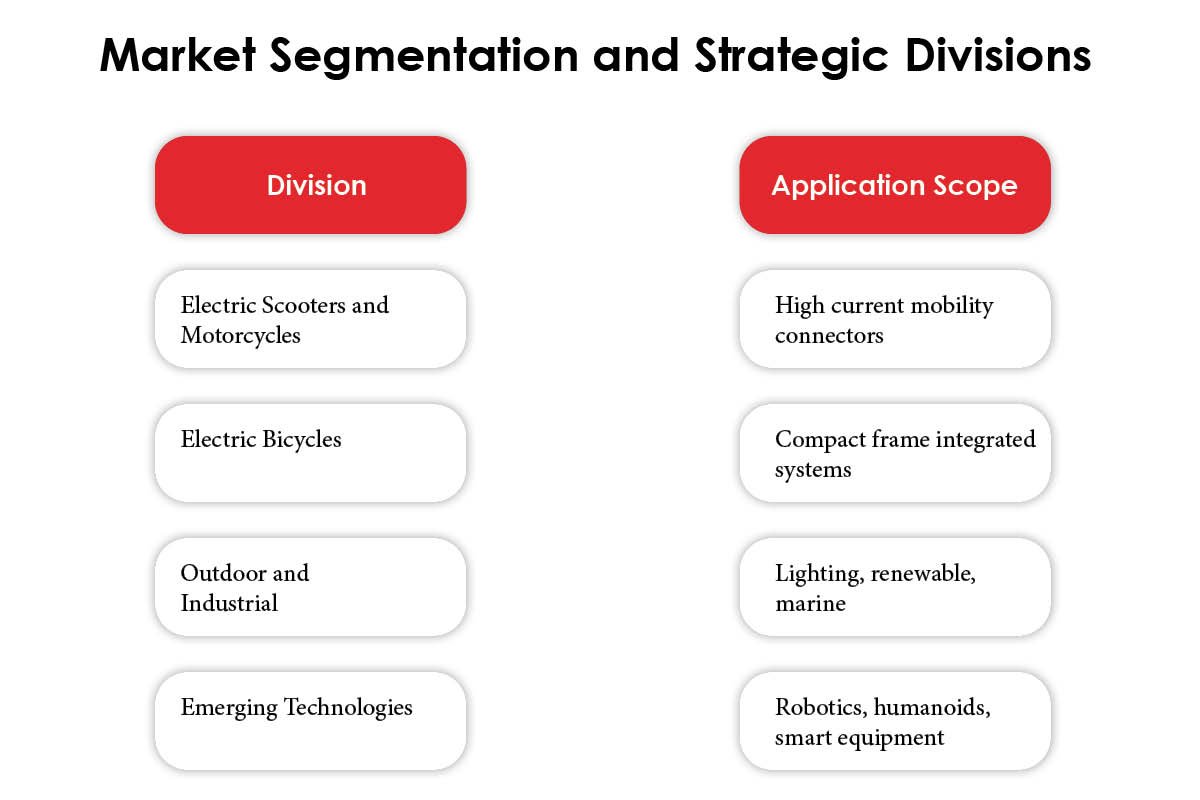
| Market Segmentation and Strategic Divisions | |
|---|---|
| Division | Application Scope |
| Electric Scooters and Motorcycles | High current mobility connectors |
| Electric Bicycles | Compact frame integrated systems |
| Outdoor and Industrial | Lighting, renewable, marine |
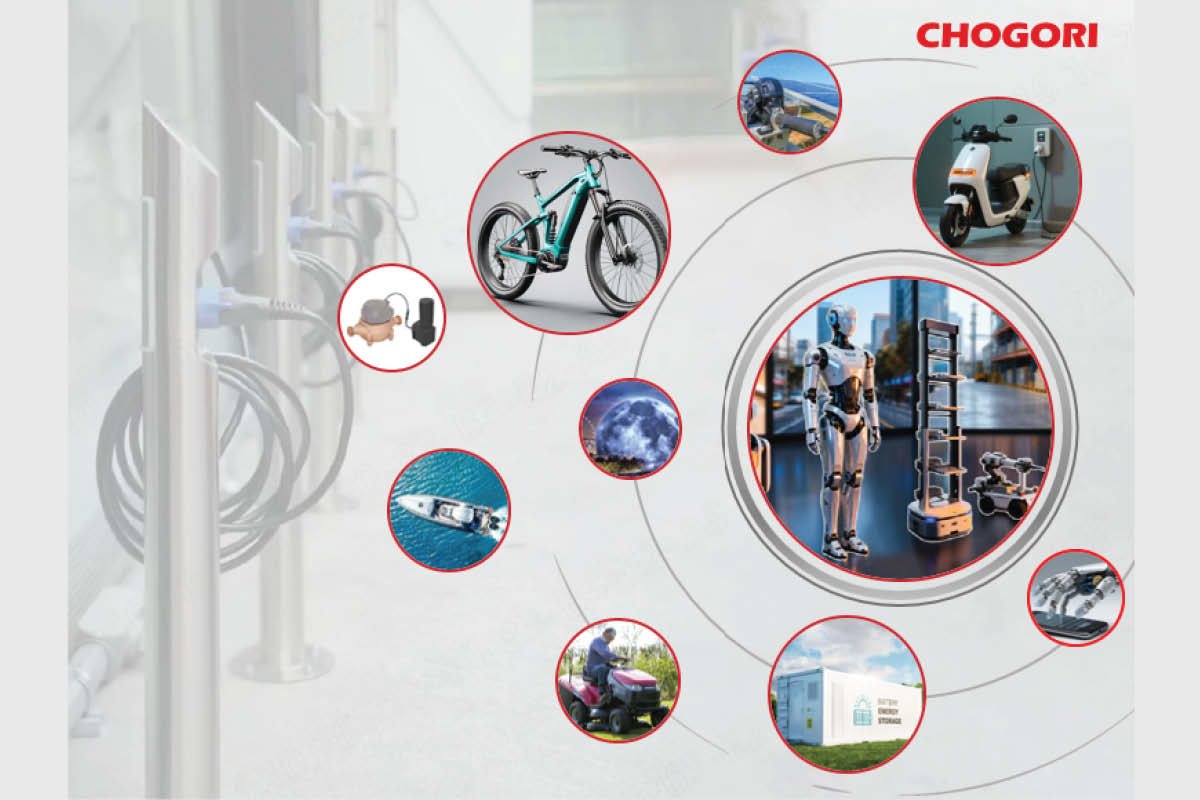
| Emerging Technologies | Robotics, humanoids, smart equipment |
Core Competencies Anchoring Growth
Kelvin identifies five pillars guiding Chogori’s expansion:
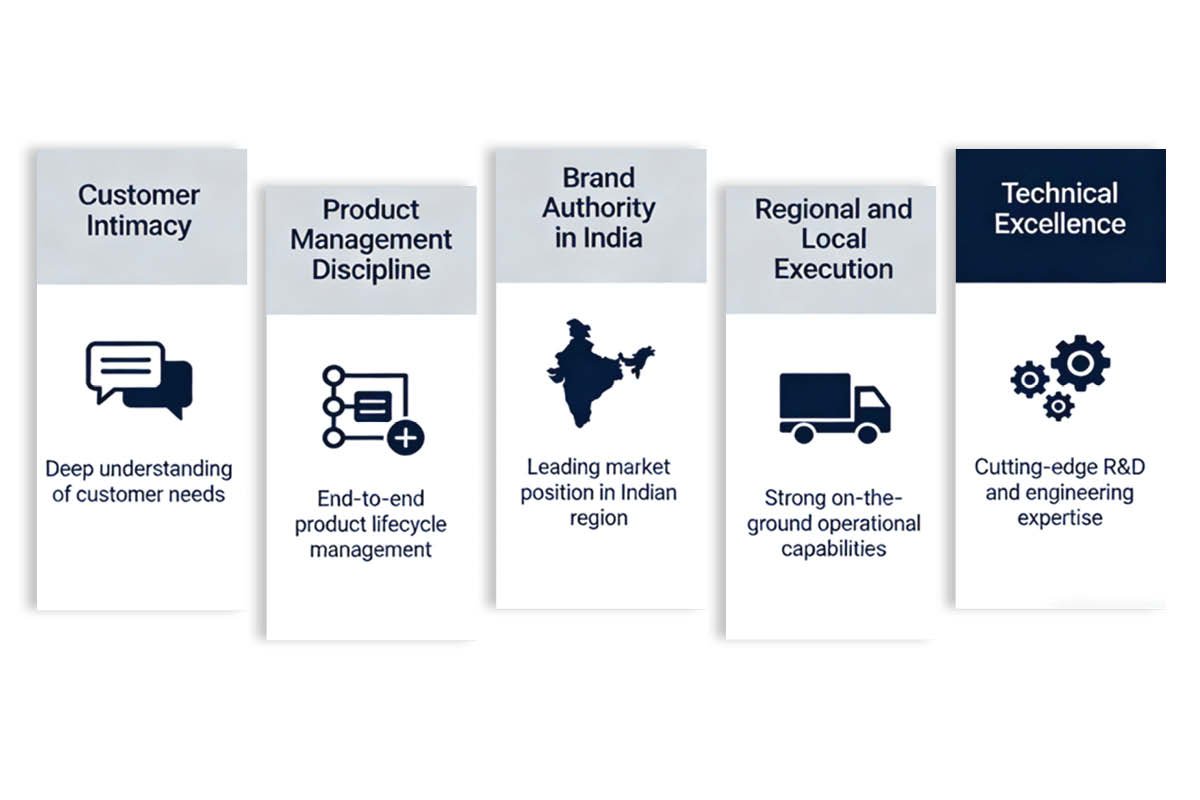
- Customer Intimacy
- Multilingual teams enable fluid communication across engineering and procurement departments.
- Product Management Discipline
- Formal frameworks structure development cycles and lifecycle optimization.
- Brand Authority in India
- Benchmark positioning as a preferred connector partner within electric mobility.
- Regional and Local Execution
- Regional headquarters in China, combined with localized Indian teams in Bangalore and Delhi. A new manufacturing facility near Bangalore strengthens supply responsiveness.
- Technical Excellence
- Mastery in ingress protection, vibration endurance, and dynamic performance validation.
Governance Perspective and Leadership Philosophy
Beyond corporate strategy, Kelvin Ng serves as a certified chair with the Advisory Board Centre. His advisory perspective influences his leadership model. Growth occurs in phases, each demanding focused priorities.
| Growth Stage Prioritization Framework | ||
|---|---|---|
| Revenue Stage | Strategic Priority | Leadership Focus |
| Below 10M | Revenue generation | Market penetration and sales execution |
| 10M to 30M | Systems stabilization | Process discipline and operational control |
| 30M to 50M | Capability replication | Leadership scaling and delegation |
| Above 50M | Strategic leverage | Governance, acquisitions, partnerships |
Kelvin advocates limiting focus to three core problems at each stage. Strategic clarity prevents resource dilution and enhances execution velocity.
Sustained Growth and Five-Year Vision
Between 2020 and 2025, Chogori achieved an average compound annual growth rate of approximately 16 percent. This performance reflects disciplined segmentation and market prioritization.
Looking ahead to 2026 and beyond, Kelvin Ng concentrates on four pillars:
- Deepening integration within electric scooters and motorcycles
- Expanding compact connector platforms for European electric bicycles
- Strengthening outdoor and renewable energy applications
- Investing in emerging domains such as robotics and autonomous equipment
Strategic exploration of joint ventures and acquisitions forms part of the long term roadmap. Expansion will remain aligned with core technical competencies and brand positioning.

Five Key Takeaways
- Early market foresight enabled leadership in India’s electric two-wheeler ecosystem.
- Technical mastery in high-current compact connectors defines competitive advantage.
- Structured growth frameworks guide revenue stage transitions.
- Regional localization strengthens global strategy.
- Continuous customer engagement sustains innovation velocity.














