Malaysia processed 18.4 billion electronic payments in 2025, and its national QR network doubled to 3 billion transactions in a single year. The engine behind that growth is pricing. DuitNow QR charges merchants 0.25% per transaction and waives the fee entirely for micro and small businesses. For anyone who runs a business, Malaysia has become a live experiment in payment economics: what happens when the cost of accepting money approaches zero?
How much of your revenue disappears into payment processing? Most merchants can quote their rent to the ringgit but only guess at what card acceptance costs them in a year. Malaysian businesses increasingly do not have to guess, because for millions of them the number is zero.
Why did Malaysia’s QR payments double in a year?
DuitNow QR handled 3 billion transactions in 2025, up from 1.5 billion the year before, across a network of close to 3 million registered merchant touchpoints. According to Bank Negara Malaysia’s payment statistics, total e-payment transactions reached 18.4 billion in 2025, a 25% jump, which works out to 538 digital payments per Malaysian over the year.
Two design choices explain the curve. First, DuitNow QR is a single national standard operated by PayNet under the central bank’s oversight, so one sticker on a stall accepts payments from every major bank app and e-wallet in the country. A merchant does not choose between Touch ‘n Go eWallet and its 23 million verified users, GrabPay, Boost or a bank’s own app. One QR code takes them all.
Second, the price of acceptance was set low from the start, and for the smallest businesses it was set at nothing.
What does DuitNow QR actually cost a merchant?
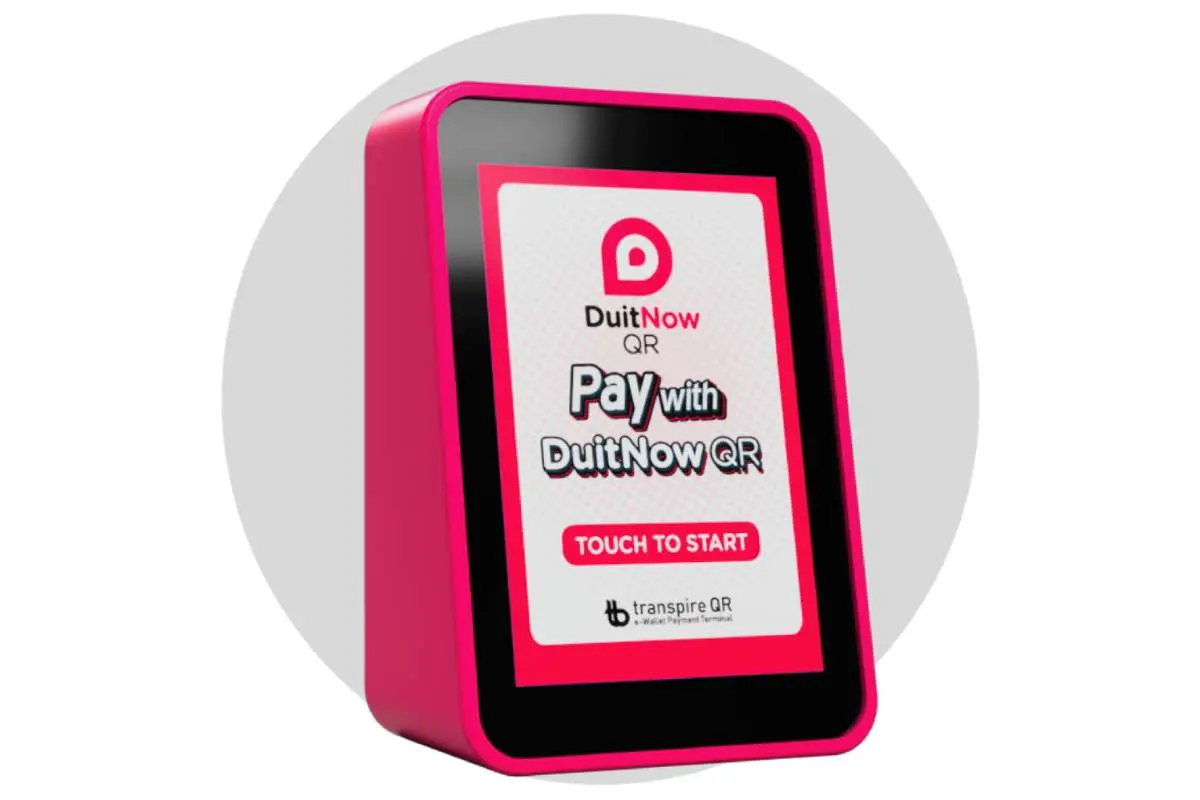
The merchant discount rate, or MDR, is the percentage a business pays its payment provider on each cashless transaction. It is the number that decides whether accepting digital money makes sense on a RM5 sale. In Malaysia the comparison currently looks like this:
- DuitNow QR, micro and small businesses: 0%. The MDR is waived, supported by a PayNet reserve fund.
- DuitNow QR, larger merchants: 0.25%, or 0.5% if the customer pays from a credit card.
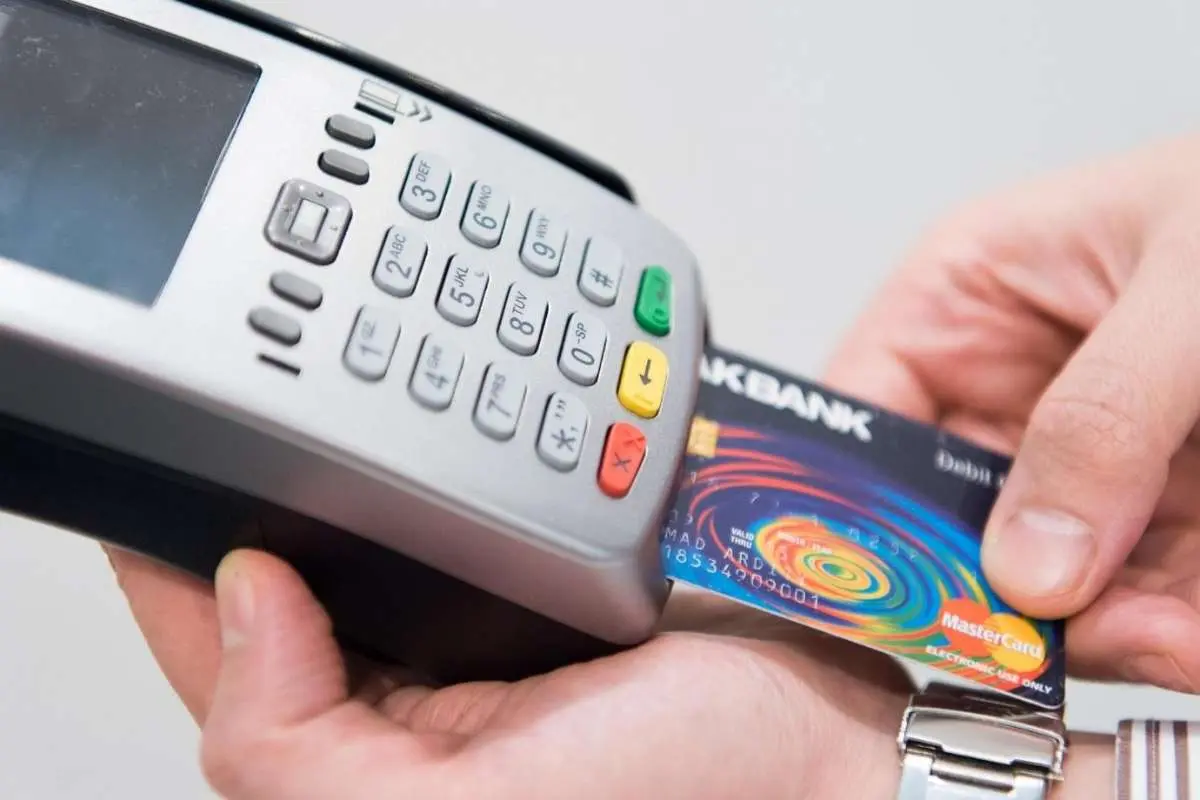
- Debit card: typically around 0.5-1%, with terminal rental often on top.
- Credit card: typically 1-2.5%, varying by acquirer and card type.
The waiver is not a promotional teaser. Micro enterprises, defined as businesses with turnover under RM300,000 or fewer than five employees, and small businesses up to RM3 million in turnover continue to pay nothing on DuitNow QR payments, with PayNet funding acquirers that keep extending the waiver.
How do near-zero fees change payment economics?
Run the arithmetic on a small food business taking RM20,000 a month in card payments. At a blended card rate of 1.5%, acceptance costs RM300 a month, or RM3,600 a year, straight off margins that in food service are often in single digits. The same volume through waived DuitNow QR costs nothing.
Three effects follow from that gap:
1. The smallest transactions go digital
A RM4 kopi is uneconomic to put through a credit card terminal once fixed fees and rental are counted. On a fee-free QR rail it costs the seller nothing, which is why hawker stalls and pasar malam vendors, businesses that resisted card terminals for decades, now display DuitNow QR stickers as standard.
2. Settlement speed becomes a cash flow tool
QR payments credit the merchant’s account quickly, while card settlements typically arrive a day or two later. For a business managing weekly stock purchases, money that lands the same day is working capital that a card terminal held back. Regional processors have sold on this point for years; AsiaPay has spent two decades building digital payment services for Asian banks and merchants, and settlement speed is a recurring part of that pitch.
3. Cash stops being the cheap option
Cash looks free at the till, but somebody has to count it and take it to the bank, and it leaks. Once digital acceptance is priced at zero, the comparison flips, and the case for staying cash-only collapses.
There is an obvious question in all this: if merchants pay nothing, who does? Part of the answer is that Bank Negara treats the payment rail as public infrastructure rather than a profit centre, the way roads are priced for use rather than margin. The other part is that banks and wallet operators make their money around the transaction instead of on it, through deposits, lending, credit card reload fees and the merchant relationships that QR acceptance opens up. The transaction itself became the loss leader.
Which sectors show the shift most clearly?

Food service and street retail moved first, for the reasons above. Transit was already halfway there, since Touch ‘n Go built its user base on tolls and parking long before its e-wallet became the country’s default payment app. E-commerce checkouts added wallet buttons because abandoned carts fall when a payment takes two taps.
Fully digital sectors follow the same arithmetic
Sectors with no counter and no cash made the same switch. Online gaming is a clear example, because play in Malaysia happens in small, frequent amounts, a top-up of RM30 here, a withdrawal of RM200 there, and for years the default way to move that money was a manual bank transfer that could take days to clear. Touch ‘n Go eWallet and DuitNow QR have since become the standard rails for e-wallet casino banking in Malaysia, with deposits landing in minutes and withdrawals settled within hours. For the platforms, the appeal is the hawker stall’s appeal: instant settlement, negligible fees, and no customer lost to a payment that stalls.
That convergence matters more than the cost savings. Infrastructure priced near zero does not just make existing digital payments cheaper. It brings in spending that was never going to justify card fees, the RM4 drinks and the RM10 top-ups, whatever the seller happens to sell, and volume compounds from there.
What should merchants outside Malaysia take from this?
Two lessons travel well. The first is that a single shared standard beats competing walled gardens. Malaysia skipped the fragmented QR wars seen elsewhere in Asia by putting one code in front of every bank and wallet, so merchants never had to bet on a winner. The second is that acceptance cost, not consumer habit, is the bottleneck. Malaysian consumers needed no persuading once paying was easy. Merchants, especially the smallest ones, needed the fee removed before they would sign up.
The countries still arguing over card interchange caps are debating the wrong number. Malaysia moved a merchant’s cost of accepting money toward zero and let volume do the rest. Eighteen billion transactions later, the argument looks settled.