Expand approvals without compromising risk. Reduce manual reviews without slowing decision-making. Those priorities have become increasingly important as financial institutions and credit unions navigate changing borrower profiles while accelerating risk assessment.
Traditional credit reports remain a valuable part of borrower evaluation, yet they capture only part of the story. Real-time bank data complements historical credit information with current financial behavior, creating a more complete picture of borrower risk.
The Limits of Traditional Credit Assessment
Traditional credit reports remain essential to credit risk assessment, but they provide only part of the picture. Additional financial data helps build a broader view of borrower risk.
Static Credit Data
Credit bureau information helps lenders evaluate repayment history, outstanding obligations, and credit management. Those indicators remain valuable but are largely historical, meaning a borrower’s financial situation may change before updated information appears.
A strong credit score may not provide insight into recent income loss or rising financial pressure, while improving borrowers can remain affected by older credit missteps. Static data shows where borrowers have been, not necessarily where they are today.
Missing Financial Context
Traditional credit reports reveal payment performance but offer limited insight into day-to-day financial activity. They rarely show income consistency, available cash after essential expenses, or how financial stability is changing.
Analyzing consumer cash flow fills those gaps. Regular income deposits, stable balances, and predictable spending strengthen credit risk assessment with current financial context.
The Thin-File Challenge
Millions of consumers remain underserved by traditional credit scoring despite responsible financial habits. Younger applicants, gig workers, and near-prime borrowers often have limited credit histories that make risk assessment more challenging.
Limited visibility can unnecessarily exclude creditworthy applicants or increase uncertainty when assessing risk. Modern credit risk assessment bridges that gap by combining traditional credit data with financial signals that reflect current repayment capacity.
A More Complete View of Credit Risk

Real-time bank data fills gaps left by traditional credit reporting. Rather than replacing bureau information, it adds financial context for a more balanced view of borrower risk.
Cash flow Beyond the Credit Report
Open banking has transformed how financial institutions and credit unions access financial information. Instead of relying solely on uploaded documents or historical credit files, with borrower permission, they can review verified transaction activity directly from financial accounts.
Recurring deposits, bill payments, account balances, and spending patterns provide valuable insight into current financial behavior. Those signals often reveal consistency that traditional repayment history alone can’t capture.
Understanding Financial Stability
Income verification becomes more dynamic when lenders evaluate recurring deposits instead of relying on pay stubs or tax documents. This is especially valuable for borrowers with multiple employers, freelance work, seasonal income, or gig earnings.
Cash flow data also reveals residual income after recurring obligations are met. Stable balances and spending patterns support repayment confidence, while sudden income changes may indicate elevated risk earlier than traditional credit reports.
Combining Historical and Current Data
The most efficient credit risk assessments rarely rely on a single source of information. Historical credit performance explains how borrowers have managed debt over time, while current financial behavior provides valuable insight into their present financial position.
Modern credit risk assessment increasingly combines traditional credit data with cash flow intelligence to create a broader understanding of borrower risk. That balanced perspective supports more consistent credit decisions across a wider range of applicants.
From Better Data to Better Risk Decisions
Better visibility into borrower finances creates measurable benefits throughout the credit assessment process. Rather than adding complexity, structured financial data helps institutions evaluate risk with greater consistency and confidence.
Key operational benefits include:
- Stronger income validation through recurring deposit analysis, reducing reliance on pay stubs and manual documentation,
- More precise risk segmentation by evaluating applicants beyond traditional credit scores while maintaining prudent risk controls,
- More consistent credit decisions through structured financial data that reduces unnecessary manual review,
- Stronger fraud detection using verified banking data rather than manually supplied statements.
Better information does more than improve operational efficiency. It helps lenders evaluate borrower risk more consistently while focusing expert review on complex cases, where additional judgment adds the greatest value.
Credit Risk Beyond the Initial Assessment
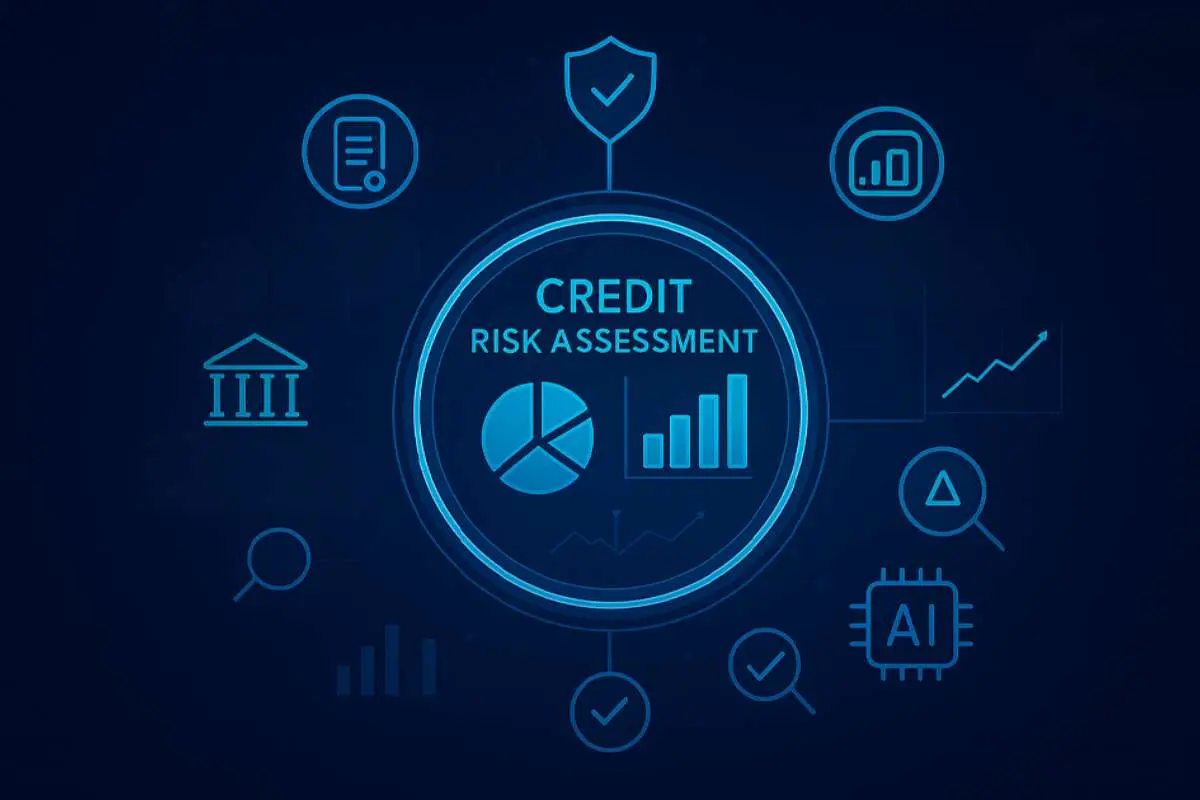
Credit risk assessment doesn’t end after an initial decision. Borrower risk evolves as financial circumstances change, making ongoing visibility increasingly valuable. Financial behavior can shift well beyond the initial assessment.
Real-time financial data allows institutions to monitor meaningful changes instead of waiting for delinquency or updated credit reports. Shifts in recurring income, declining balances, or cash flow volatility can signal changing financial health earlier.
Earlier visibility supports a more proactive approach to risk management. Institutions can reassess borrower risk as conditions change, helping identify emerging concerns using current financial data before issues become more significant.
Continuous monitoring also strengthens portfolio oversight by identifying emerging risks across borrower groups. The result is a broader view of credit risk that supports better-informed decisions throughout the customer relationship.
Balancing Innovation with Transparency
Richer financial data alone does not create better credit decisions. Lenders also need confidence that every risk input can be understood, validated, and supported during regulatory review and ongoing audits.
Modern cash flow intelligence uses AI-accelerated, human-validated analysis to identify meaningful transaction patterns. Those insights support credit professionals by revealing income consistency, cash flow stability, and repayment behavior.
Human oversight remains essential to ensure risk assessments are explainable, testable, and appropriate for real-world decision-making. Transparency becomes even more important as risk models grow increasingly sophisticated.
Explainability also supports compliance. Clear, transparent financial attributes help lenders satisfy regulatory requirements while improving operational efficiency, allowing innovation and governance to advance together without sacrificing accountability.
The Next Generation of Credit Risk Assessment

Credit risk assessment is evolving toward a more complete view of borrower financial health. Traditional credit reports remain essential, but current financial information increasingly complements historical credit data.
Open banking, real-time income verification, and cash flow intelligence help lenders evaluate applicants more precisely. They also expand opportunities for borrowers whose financial strength may not be fully reflected in traditional credit files.
Alternative lenders, fintechs, and credit unions are particularly well positioned to benefit as they seek to increase approval rates responsibly, automate risk evaluation, and serve a broader range of underserved but creditworthy applicants.
Future credit risk assessment will depend on richer data, transparent decisioning, strong compliance, and responsible risk management. Institutions that balance those priorities will be better positioned to meet changing borrower needs while building healthier portfolios.
Broader Insights Through Better Financial Data
Credit risk assessment is no longer defined solely by historical repayment behavior. Combining traditional credit data with current financial behavior gives lenders a broader understanding of borrower risk and supports more informed credit decisions.
As lending evolves, institutions that combine richer financial insight with transparency, compliance, and responsible risk management will be better positioned to expand access to credit more confidently while building stronger, healthier portfolios.