Key Takeaways
- More than US$148 billion in non-residential property faces shorter China commercial property leases
- Shanghai and Guangzhou have introduced guidelines covering lease extensions and costs
- About 30 million square meters could face leases below 20 years
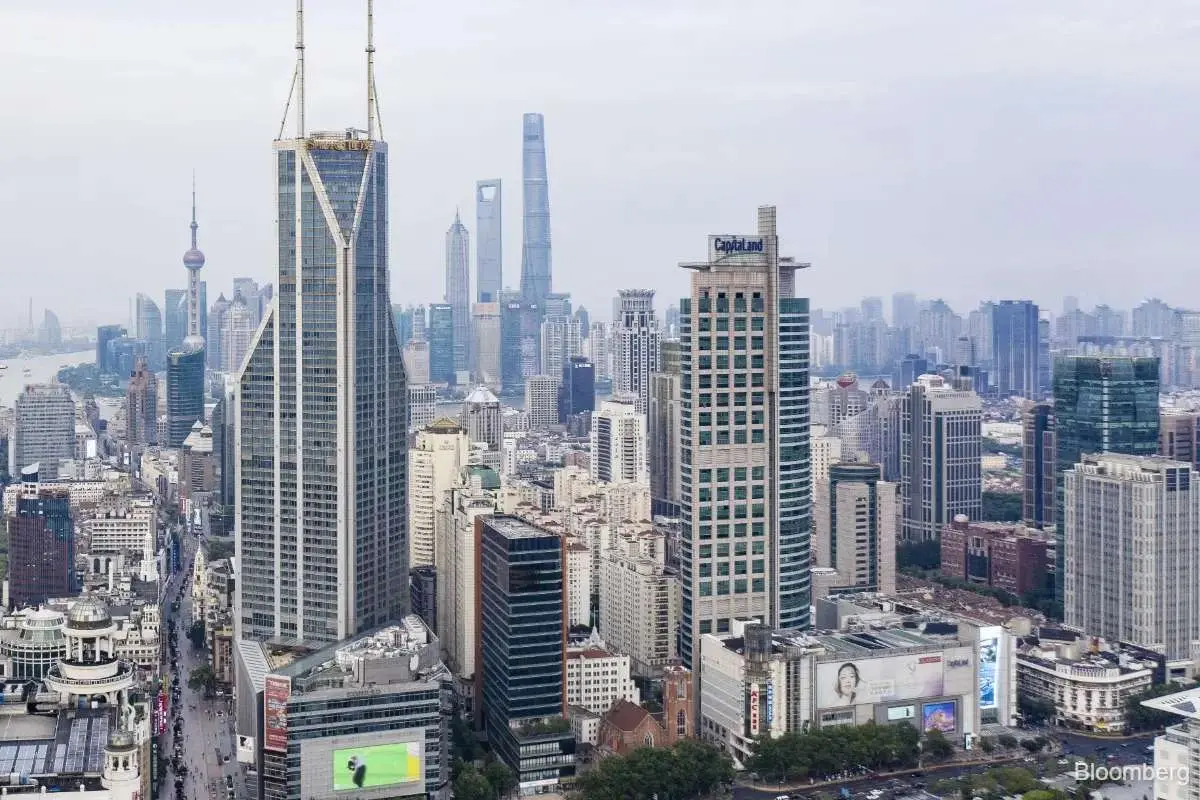
China is taking steps to address expiring land leases affecting commercial and industrial properties, as uncertainty over renewals continues to weigh on property transactions and valuations. More than 1 trillion yuan (US$148 billion) of non-residential property has leases of 20 years or less, according to industry estimates.
Shanghai And Guangzhou Set Lease Extension Guidelines
The issue affects office towers, shopping malls, warehouses, and industrial properties across major Chinese cities. China commercial property leases are based on state-owned urban land, with land use periods generally set at 40 years for commercial properties, 50 years for industrial and office properties, and 70 years for residential buildings.
Shanghai officials have recently circulated guidelines covering lease renewals, including proposed terms and costs for extensions. Guangzhou introduced similar measures earlier in 2026. The moves provide greater clarity for property owners and investors that have faced uncertainty over how China commercial property leases could be renewed as their remaining terms decline.
The issue has become more relevant as China’s commercial property market continues to adjust. Office values in some major cities have fallen more than 40% from their peaks, while developers across the sector have defaulted on about US$130 billion of debt.
By 2030, around 30 million square meters of office and retail space across 18 major Chinese cities could have remaining land tenures of less than 20 years, according to an earlier estimate. The figure covers properties with single owners and may therefore not represent the full market.
Shorter lease periods can also affect financing and transactions. Property consultants estimate that insurers and developers generally prefer land terms exceeding 20 years before entering deals. Some banks may also be reluctant to refinance properties with less than 10 years remaining on their leases.
Lease Costs Remain A Key Issue For Investors
The cost of extending China commercial property leases is another factor influencing property valuations. Shanghai and Guangzhou have proposed extension costs of at least 70% of a relevant land value benchmark, with payments potentially spread over more than 1 year.
The benchmark is based on land values before accounting for buildings and other improvements on the properties. This means the extension cost could represent a portion of the overall value of a commercial project.
Some property owners have already encountered difficulties selling assets where buyers remain uncertain about future lease terms. Projects in Beijing and Shanghai have been affected by the issue, with potential buyers seeking lower prices or alternative ownership structures.
Several international property investors and operators have also discussed land tenure concerns with Chinese officials. Their portfolios include office and retail assets with remaining leases of 20 years or less.
China’s central government has indicated that it plans to refine rules governing the renewal of land use rights for industrial and commercial purposes. Local measures in cities such as Shanghai and Guangzhou are expected to provide practical experience as authorities work toward broader guidelines for China commercial property leases.
For businesses and investors, clearer renewal terms could improve visibility around property values, financing, and future transactions. However, uncertainty remains over how extension applications will be assessed and how costs will vary between locations and property types.
Visit The Enterprise World For The Most Recent Information.