Key Takeaways:
- Fed Chair Kevin Warsh says rate hikes are back on the table.
- Markets Face a More Unpredictable Fed
- AI Could Reshape U.S. Economic Growth
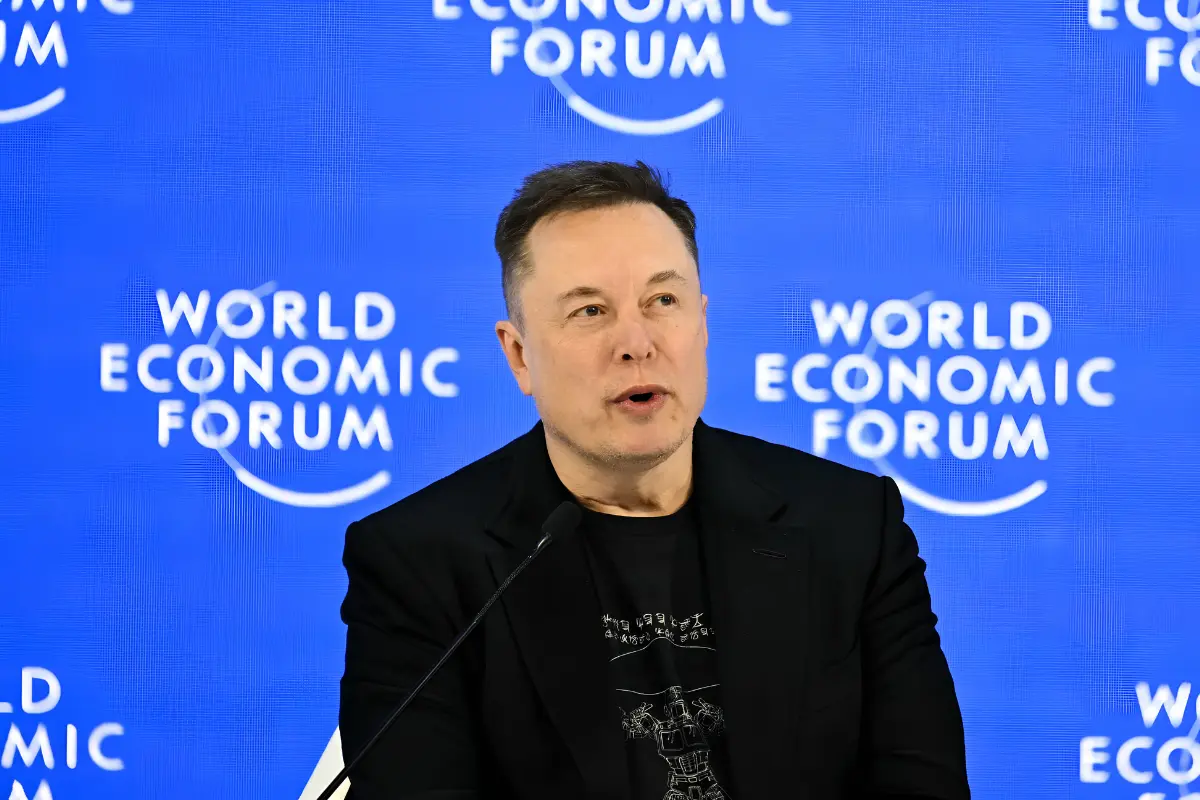
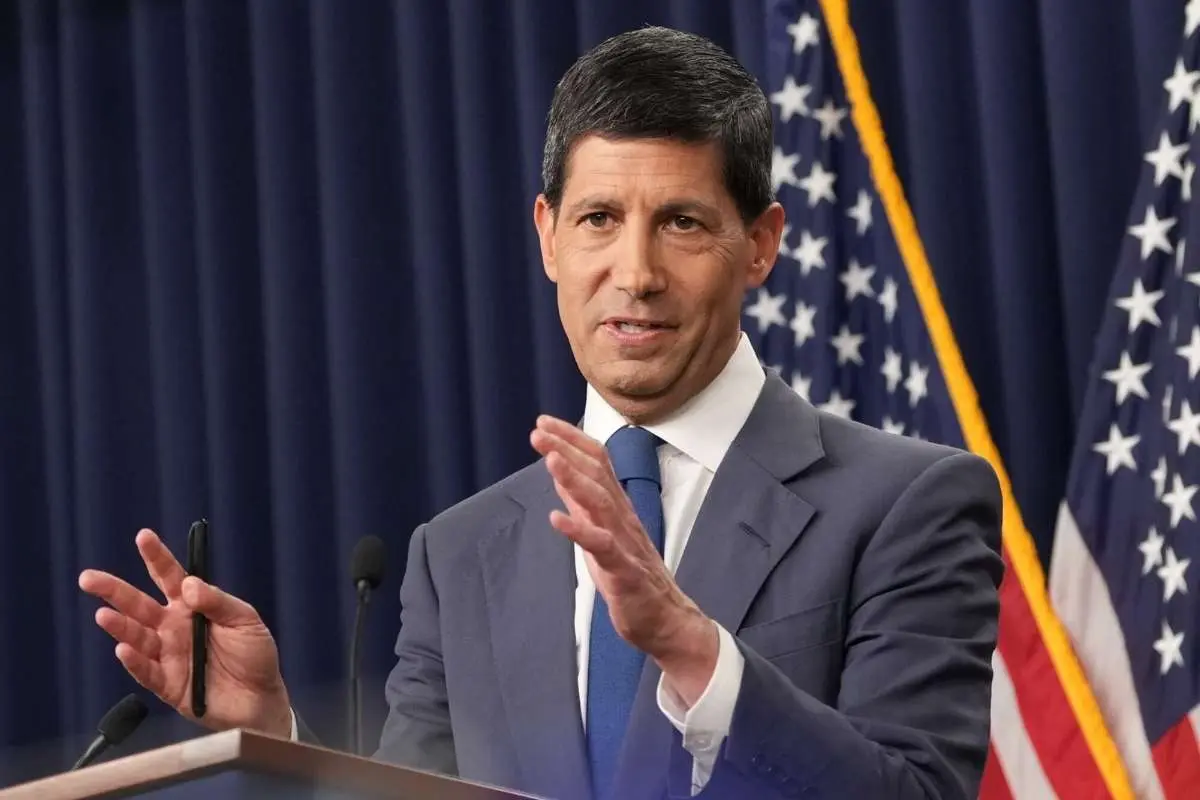
Federal Reserve Chair Kevin Warsh has signaled that the U.S. central bank could raise interest rates again if inflation fails to move convincingly toward its 2% target, delivering a more hawkish message at his first Jackson Hole appearance as Fed Chair Kevin Warsh.
Speaking on August 28 at the Federal Reserve Bank of Kansas City’s annual economic symposium, Warsh said policymakers would have “work to do” if inflation does not make sufficient progress. Although he stopped short of committing to a rate increase or providing a specific timeline, his remarks made clear that higher borrowing costs remain a possibility.
The comments came as inflation continued to run above the Federal Reserve’s target. The personal consumption expenditures price index, the central bank’s preferred measure of inflation, remained elevated, while underlying price pressures continued to concern policymakers.
Warsh also pointed to the resilience of the U.S. economy. Consumer spending and business investment have remained relatively strong, suggesting that economic activity may be able to withstand tighter financial conditions if the Federal Reserve determines that further action is necessary.
His comments quickly shifted market expectations. Investors increased their bets on a September rate increase, with the probability rising from roughly 35% before the speech to around 60% afterward. The Federal Open Market Committee is scheduled to meet September 15–16.
The remarks marked an important moment for Warsh, who took over as Fed Chair Kevin Warsh earlier this year. His first major appearance at Jackson Hole offered investors an early indication of how he intends to balance inflation risks against concerns about economic growth.
Markets React as rate-hike expectations rise
Financial markets reacted quickly as investors reassessed the outlook for U.S. monetary policy.
Treasury yields moved higher following Warsh’s remarks, with the two-year Treasury yield particularly sensitive to the changing expectations for near-term interest rates. The U.S. dollar also strengthened as traders increased their expectations that the Federal Reserve could keep rates higher for longer or potentially raise them again.
Stocks faced renewed pressure. Higher interest rates can increase financing costs for businesses and reduce the present value of future corporate earnings, making them particularly challenging for growth-oriented companies. Technology stocks were among those affected as investors adjusted their expectations for borrowing costs and valuations.
Warsh also outlined a different approach to communicating monetary policy. He argued against providing excessive forward guidance about where interest rates are headed, emphasizing that the central bank should retain the flexibility to respond to changing economic conditions.
That stance could make future Fed Chair Kevin Warsh decisions less predictable for investors. Rather than signaling a predetermined path for interest rates, policymakers may place greater emphasis on incoming economic data before making decisions.
Inflation and employment reports released ahead of the September meeting will therefore carry significant weight. Evidence that price pressures remain persistent could strengthen the case for tighter monetary policy, while signs of weakening inflation or labor-market conditions could reduce pressure for another increase.
AI investment could reshape the economic outlook
Alongside inflation and monetary policy, Warsh devoted considerable attention to artificial intelligence and its potential impact on the U.S. economy.
He described AI as a potentially transformative technological development that could significantly increase productivity and raise the economy’s long-term growth potential. The rapid expansion of investment in data centers, computing capacity and other AI infrastructure has already become an important source of corporate spending.
Higher productivity could give businesses the ability to produce more without generating equivalent increases in costs, potentially creating favorable conditions for economic growth. However, the broader effects of AI remain uncertain.
The technology could reshape employment, wages, investment and business models while changing the balance between labor and capital. For the Federal Reserve, those changes could eventually influence productivity growth, inflation and the economy’s capacity to expand.
For now, however, inflation remains the immediate priority. Warsh did not announce a September rate increase, but his Jackson Hole remarks made clear that the Federal Reserve is prepared to consider further tightening if price pressures fail to ease.
The next several weeks will therefore be critical for markets. Inflation, employment, and economic-growth data will help determine whether Warsh’s warning translates into an actual policy shift.