
A car lease is usually a wonderfully simple thing, right up to the final few weeks. It’s the lease end that brings choices, deadlines, an inspection, and sometimes a bill after the car is gone.
The process is easier when you begin before the reminder letters start piling up, and when you understand that brand-specific rules can also affect the order of events. The Lexus lease buyout process can be different from a Ford one, so it’s best to review the applicable steps before assuming the return desk is the only option.
Key takeaways
- Your lease-end statement should spell out the return date, mileage limit, purchase price, disposition fee, and rules for excess wear.
- A pre-return inspection gives you time to fix small problems before the leasing company prices them.
- Buying the car can make sense when the vehicle has been reliable or returning it would trigger large mileage and damage charges.
- Keep photos, service records, receipts, and the turn-in confirmation until the account shows a zero balance.
Start with the dates in your contract

The maturity date is when the Car lease officially ends, which isn’t necessarily the day of your last automatic payment. The agreement may also name an approved inspection company or return location.
Look for the following items:
- Contracted mileage and the per-mile overage charge
- Residual value or purchase option price
- Disposition fee
- Rules for early or late return
- Wear-and-use standards
- Any purchase option fee
Do not rely only on an online account summary. The signed contract controls the deal, while a portal may leave out taxes or fees. If two figures do not match, ask the leasing company for a written explanation.
Some lessors allow a short extension, but do not assume the same payment or mileage terms continue.
Understand normal wear versus chargeable damage
A leased car is expected to come back used. Small stone chips and minor surface marks are part of ordinary driving. The trouble starts when damage affects safety or resale value beyond the lessor’s allowance.
Common chargeable items include:
- Tires below the required tread depth or with mismatched replacements
- Broken lights or damaged mirrors
- Large dents or poorly matched paint repairs
- Torn upholstery, burns, strong odors, or permanent stains
- Missing keys, manuals, cables, or factory equipment
Avoid rushed cosmetic work from an unproven shop because uneven paint and visible patches will likely still be charged. Compare repair estimates with the inspector’s figure and act only when the saving is clear.
Mileage can change the whole decision
Your driving may have happened gradually, but the mileage bill arrives all at once. Most Car leases allow 10,000 to 15,000 miles per year, but check the total allowance in your contract rather than multiplying from memory, especially if the agreement included purchased extra miles.
For context, the average vehicle traveled 10,812 miles in 2024, according to federal highway data. A 10,000-mile annual lease can therefore be tight even for a fairly ordinary driver.
Calculate the likely overage now. At 3,000 excess miles and $0.25 per mile, the bill would be $750. Then compare that amount with the cost of buying the vehicle.
Take care of service and open recalls
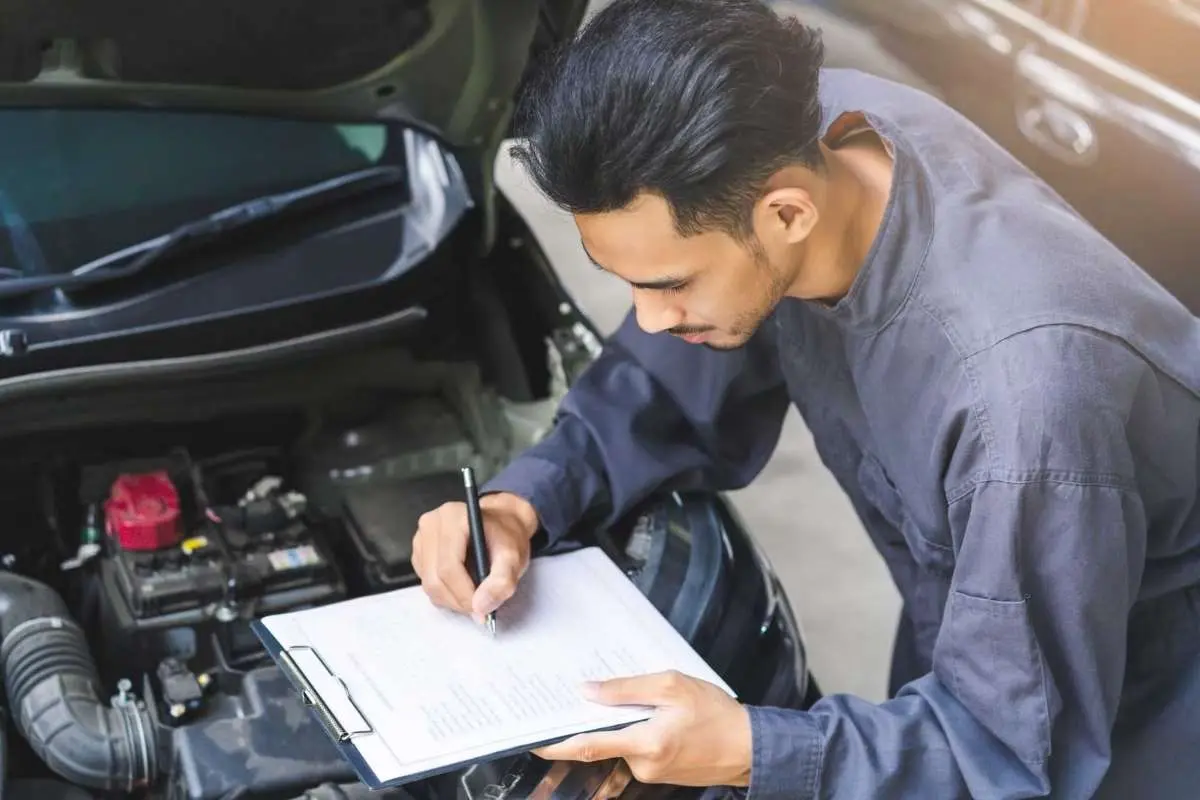
The leasing company may ask for proof of regular maintenance under the manufacturer’s schedule, so make sure to gather shop receipts and digital service records. Missing paperwork may not trigger a penalty by itself, but ignored warning lights can point to damage.
For an EV, confirm that the charging equipment and supplied adapters are present, and check for open safety recalls too. Repairs are normally free, but booking can take time.
Prepare for turn-in day
Remove toll tags, garage remotes, saved addresses, phone contacts, and connected-app access. Then, photograph the exterior, wheels, glass, interior, odometer, fuel or charge level, and returned equipment.
Ask for a signed odometer statement and a receipt showing the date, mileage, vehicle identification number, and returned equipment. A verbal promise that the account is closed is not enough.
The dealership accepting the car may not be the company that owns the Car lease. Final charges usually come from the lessor after the vehicle and inspection report are processed.
Watch for the final statement
Keep making any required payments until the leasing company confirms otherwise. Canceling autopay too early can create a late payment even when the car has already been dropped off.
When the final statement arrives, compare each charge with the contract, inspection report, receipts, and return photos. Ask for documentation if something looks wrong.
Lease end rewards early attention, so give yourself a month or two to inspect the car, run the buyout math, gather records, and fix only what makes financial sense. The handover may take less than an hour, but the decisions made before it protect your wallet and keep a routine return from becoming an expensive surprise.