Key Takeaways
- Goldman Sachs expects higher costs after a very active trading quarter.
- Fixed income trading was softer, while equity trading remained very strong.
- Goldman also accelerated technology spending during the quarter.
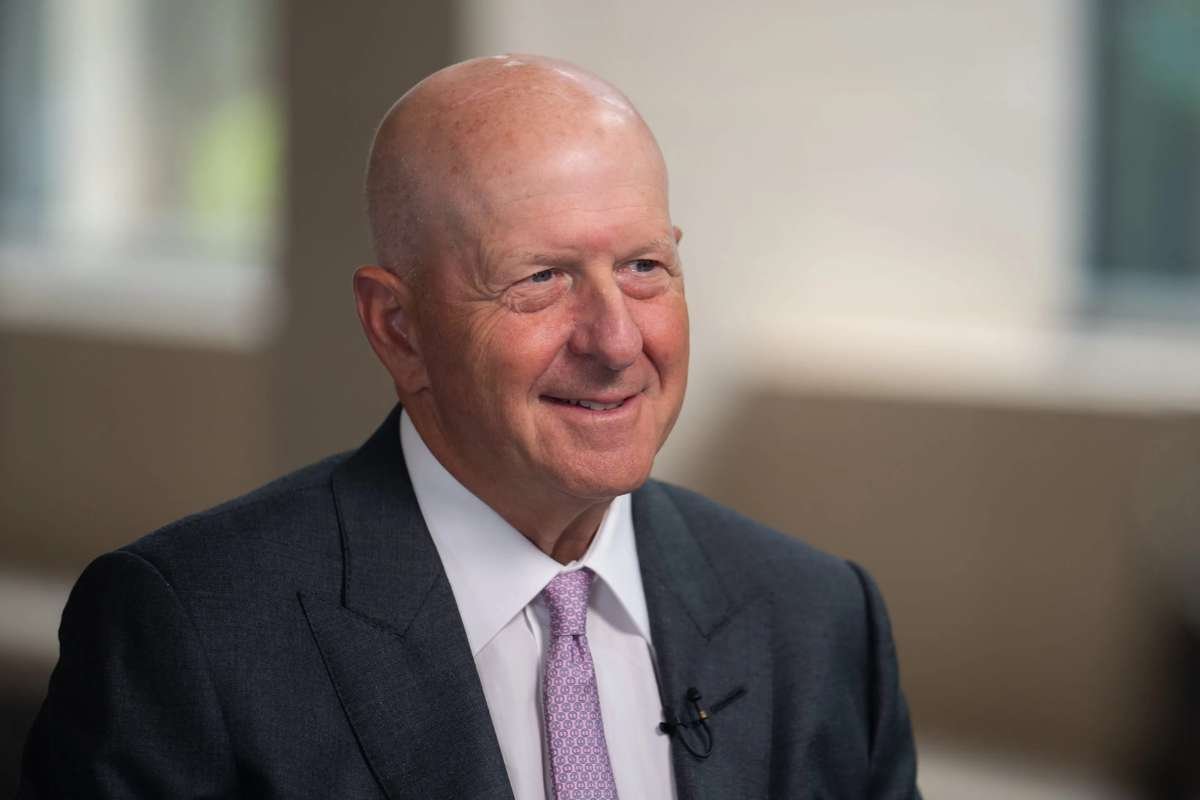
Goldman Sachs CEO David Solomon said the bank expects higher costs as trading activity remains elevated, while fixed income trading has been softer in the third quarter. Equity trading, however, has remained very strong, he said at a Barclays conference on September 17.
Goldman trading activity remains strong
Solomon said activity levels across Goldman Sachs have remained very high during the third quarter. The bank has been highly active, with equity trading continuing to perform strongly compared with its fixed income business.
Fixed income trading has been softer than in previous quarters, creating a difference in performance between the bank’s major trading businesses. The comments come as major Wall Street banks report different expectations for third-quarter trading revenue.
Goldman Sachs shares fell 4% to $937.81 at 3:21 p.m. in New York trading on Wednesday. The decline came as investors assessed Solomon’s comments about trading activity and the bank’s expected expenses.
Higher costs are expected after the bank experienced strong activity during the period. Solomon also said Goldman Sachs has accelerated some of its technology investments.
The additional technology spending comes as financial institutions continue investing in systems and infrastructure that support trading and other banking operations. Goldman’s spending decisions form part of its broader cost base during the quarter.
Solomon also said the bank had brought forward a significant number of years of charitable giving in a tax-efficient manner. This was another factor discussed in relation to the bank’s expenses during the period.
Goldman faces mixed trading trends
The comments from Goldman Sachs come alongside different trading outlooks from other major US banks. JPMorgan Chase Co. Co-President Doug Petno said on Tuesday that trading revenue for the 3 months through September is expected to rise by a percentage in the mid to high teens.
Bank of America CEO Brian Moynihan said on Monday that trading revenue at his bank was likely to remain relatively flat. He linked the outlook to weaker fixed-income trading.
The differing expectations show that trading performance has varied across major financial institutions during the third quarter. Equity activity has remained stronger at Goldman Sachs, while fixed income activity has been softer.
For Indian businesses and entrepreneurs who work with global financial markets, movements in major investment banks can affect market liquidity, financing activity, and access to financial services. However, Goldman’s latest comments are focused on its own third-quarter operating conditions.
The bank’s technology investments also highlight the continued spending required to support financial market operations. Goldman Sachs accelerated some technology investments during a period when trading activity remained high, adding to its expected expenses.
The company’s third-quarter results will provide more detailed information on trading revenue, expenses, and profitability once they are reported. For now, Solomon’s comments point to strong equity trading activity alongside softer fixed income trading and higher costs during the quarter.