Key Takeaways
- US inflation remains broad, while economic growth continues to show resilience.
- The US Dollar Index rose 0.07% to 100.30 during trading.
- Fed sentiment remained above neutral despite a modest decline.
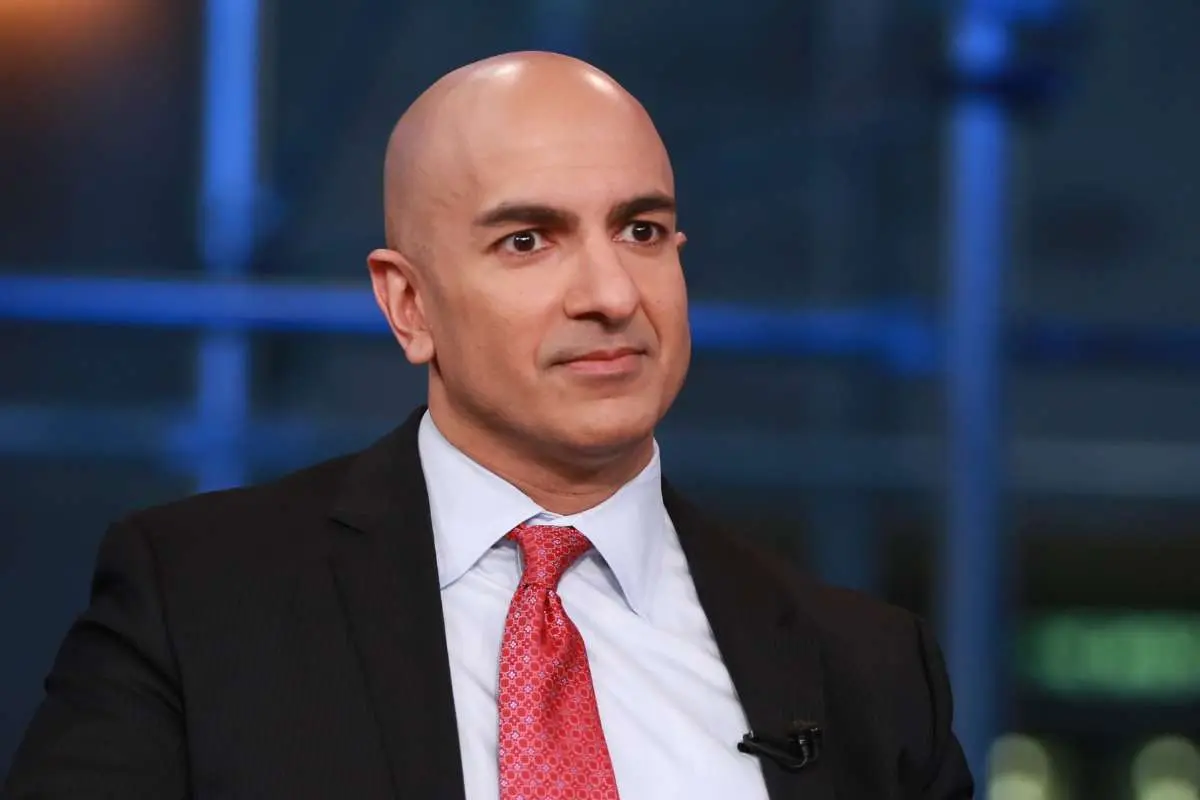
Federal Reserve President Neel Kashkari said inflation remains too high across the US economy and is not limited to higher oil prices. He also pointed to fairly robust economic growth, a resilient economy, improving productivity, and a robust labour market.
Neel Kashkari said support from other parts of the US government and the broader economy could help sustain growth and eventually reduce inflation. He also said responsibility for the US bond market rests with the US Treasury.
Markets Show Limited Reaction To Kashkari Remarks
Financial markets showed a limited reaction to the comments. The US Dollar Index (DXY) rose 0.07% to 100.30, indicating only a modest move in the currency during the session.
The FXS Speechtracker score stood at 6.2 out of 10, compared with a historical average of 6.3. The reading reflected a steady tone that remained moderately hawkish, while staying close to the long-term average.
The FXS Fed Sentiment Index declined 1.47 points to 150.61. Despite the decline, the index remained above its neutral level of 100. The movement indicated a modest reduction in perceived hawkishness following the remarks.
Kashkari’s comments highlighted several economic conditions that remain relevant to monetary policy. Inflation continues across multiple parts of the economy, while labour market conditions remain firm. At the same time, economic growth has remained resilient despite disruptions linked to wars and other global pressures.
Productivity has also shown signs of improvement. Stronger productivity can support economic output by allowing businesses to produce more goods and services with existing resources.
Monetary Policy Remains Focused On Inflation Conditions
The comments point to continued attention to inflation as the Federal Reserve assesses the direction of monetary policy. Persistent price pressures across several parts of the economy remain a key factor in decisions on interest rates.
The resilience of the labour market is another factor in the economic outlook. A firm labour market can support household income and spending, while sustained demand can affect the path of inflation.
The bond market also remains an important part of financial conditions. Neel Kashkari said responsibility for the bond market rests with the US Treasury, distinguishing Treasury market responsibilities from the Federal Reserve’s monetary policy role.
The 2 year Treasury yield was hovering near 3.9% as markets assessed interest rate expectations. Shorter maturity government bonds can respond quickly to changes in expectations for monetary policy and incoming economic data.
The combination of persistent inflation, resilient growth, and a firm labour market provides the broader economic backdrop to Kashkari’s comments. For businesses operating across global markets, these conditions can affect borrowing costs, currency movements, investment decisions, and financial planning.
The dollar’s limited movement following the remarks suggests investors did not make a major adjustment to currency positions based on the comments alone. The Fed sentiment measures also showed that perceptions of monetary policy remained above neutral, despite the modest decline in the sentiment index.
Future economic data on inflation, employment, productivity, and growth will continue to provide key indicators for markets assessing the direction of US monetary policy.