The attic may help you prepare for winter, but without enough insulation to hold heat, the interior temperature can become unmanageable. So, there are many things you need to consider, such as attic structure, R-value, and budget, to find the right solution between cellulose vs fiberglass insulation.
This happens because the chips are small enough to be blown into inaccessible spaces. When you look for insulation upgrade options, you may come across AI Greenhome blown-in insulation services; however, you should consider the type of insulation material.
Cellulose vs. Fiberglass: how do they compare?
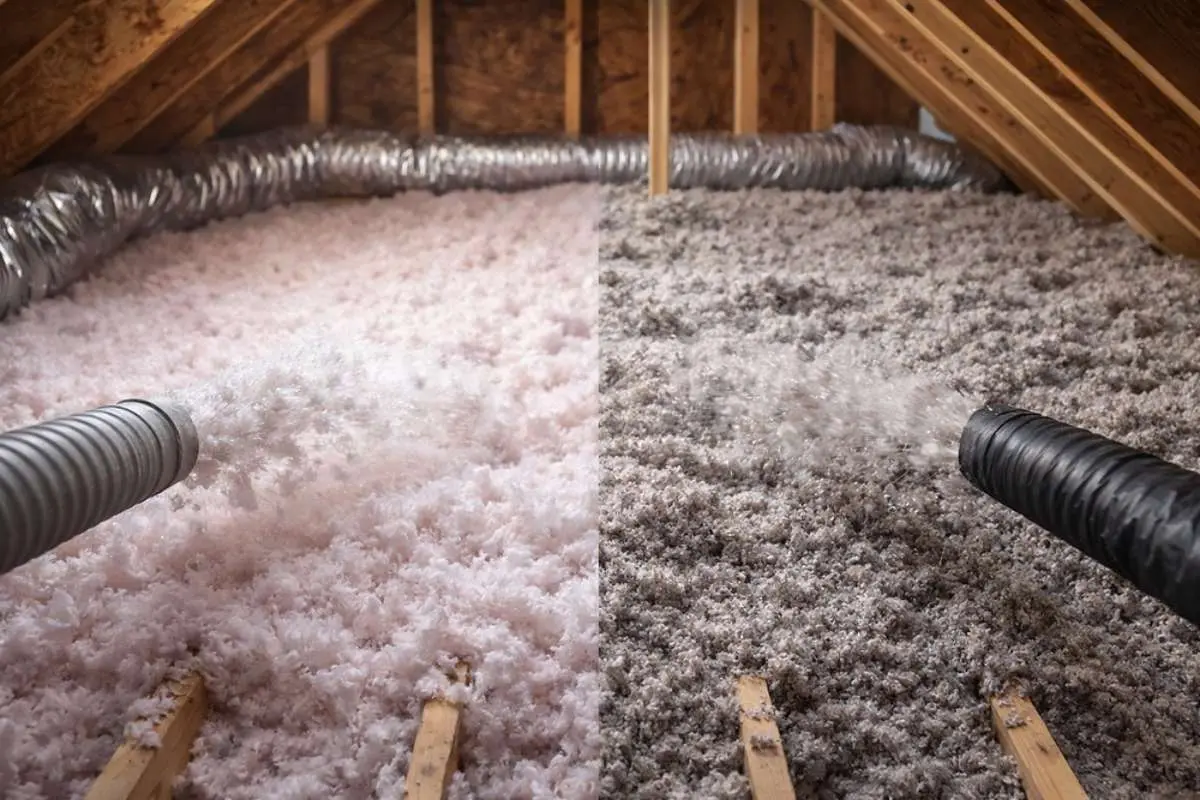
Cellulose and fiberglass are both established choices for loose-fill attic insulation. Cellulose is generally made largely from processed paper fibers, while fiberglass consists of fine glass fibers. Insulation performance depends on both the product and the installation method, so comparing R-values is better than comparing product names.
According to the Department of Energy, blown fiberglass has an insulation value in the R 2.2-2.7 range, whereas blown cellulose is about R-3.6 to R-3.8 per inch. In some cases, cellulose is considered a better insulator than fiberglass. That is something someone would consider if they want something lightweight. This may be a material for someone who wants something lightweight. Neither material suits every attic.
Which blown-in insulation is better for your attic?
What suits one user may not suit another. The final decision will therefore depend on the type of insulation installed and the user’s needs.
For example, if there are many gaps in the attic, loose-fill is better suited as it fills the empty spaces. The DOE states that loose-fill is the most suitable material for retrofitting because it can cover objects such as pipes and wires. Also, consider the existing insulation. Adding more is generally preferable to removing if the attic has insulation, provided the insulation is in reasonable condition.
Blown-in insulation cost
It depends on attic size, insulation material, R-value, accessibility, existing insulation, required preparation, and labor costs. Current HomeAdvisor estimates place professional blown-in insulation projects in a broad range of roughly $987 to $2,334, while noting that individual projects can cost considerably less or more depending on their circumstances.
Material choice also affects the estimate. Generally, fiberglass insulation costs less than cellulose. However, installation methods and the amount needed can change the total cost. Activities such as air-sealing or repairing damaged insulation may add to the cost.
Thus, the price per square foot helps you compare options, but it cannot serve as a definite quotation. An attic inspection allows estimating homeowner needs.
How much blown-in insulation is needed in an attic?
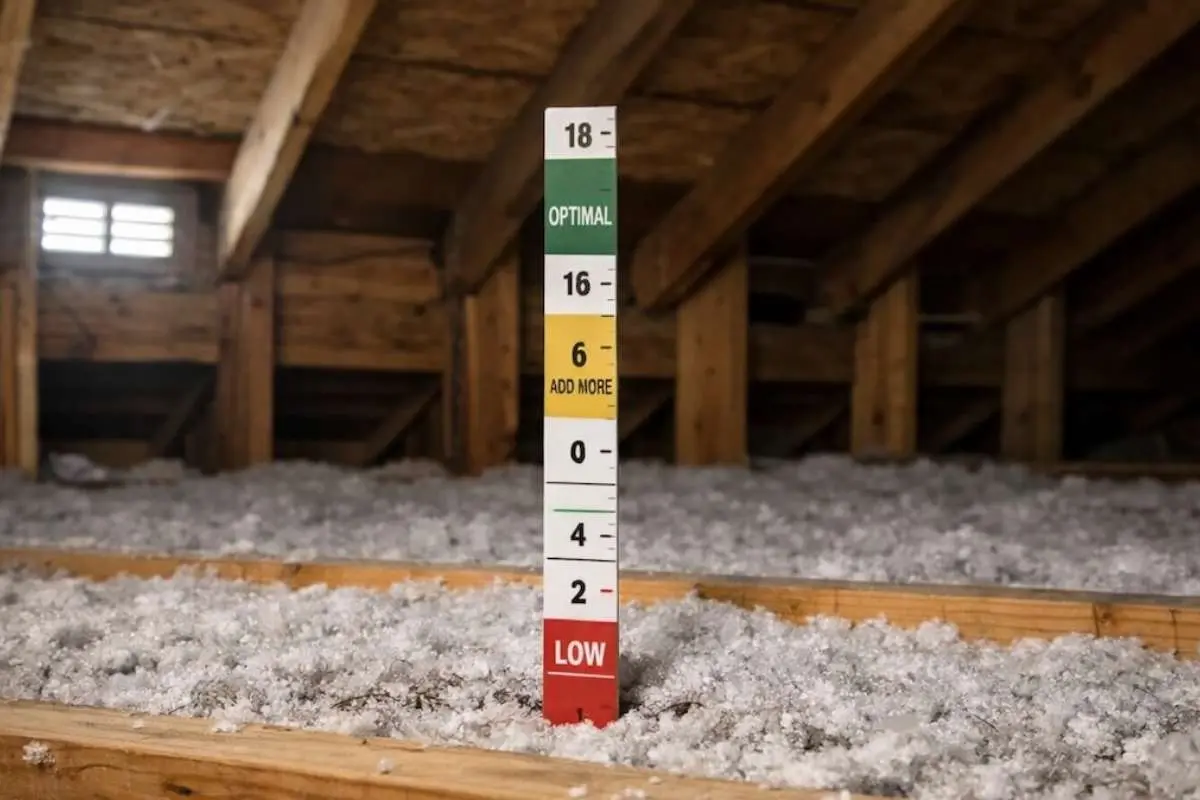
Generally, insulation performance is calculated using the insulation’s R-value or the climate zone where the home is built. Adding insulation does not guarantee it will perform properly if you add it to an air space underneath it.
As per ENERGY STAR, loose-cellulose insulation provides R-3.7 per inch, and loose-fiberglass provides R-2.5 per inch. The information above will be useful to a homeowner interested in insulating their home.
In this regard, it’s best to determine the purpose of the insulation before searching for the right material, and to ensure even distribution across the entire attic.
What should you check before adding blown-in insulation?
Insulation shouldn’t be the first step in every attic. Look for things in the attic that could negatively affect your work.
Things that deserve special consideration include:
- Moisture problems in the roof or plumbing system
- Damp, dirty, or highly damaged existing insulation
- Air leaks through attic openings or penetrations for wires, pipes, etc.
- Proper ventilation paths near the eaves
- Heat-producing fixtures that require appropriate clearance
DOE building-science guidance recommends air sealing before installing loose-fill insulation and keeping ventilation paths clear with appropriate baffles. Insulating an area that is still leaking air or insulating a crucial air passageway will ruin everything.
Is it possible to install blown-in insulation on your own?
Yes, it is, although it’s not as easy as laying the insulation over the attic floor. The machinery, material thickness, air-sealing, ventilation, and other safety measures are all factors to consider.
ENERGY STAR states that installing loose-fill insulation is a mid-skill-level job. The agency also notes that homeowners can install insulation either professionally or through do-it-yourself methods.
Installing attic insulation requires working in a space with limited room, exposed wires, limited footing, dust, and possibly uncomfortable temperatures.
In Conclusion
Your decision should not be based on which material is better, but rather which material is right for you. Look at outside conditions, R-values, air leakage, ventilation, humidity, and installation method as you decide.
If you are considering blown fiberglass insulation, you might reconsider, since cellulose is a good option, especially if attic height and thermal performance are your main concerns. Whether it’s cellulose or fiberglass, proper installation matters as much as the material. Have you insulated your attic before heating season? Share what material you chose, what influenced the decision, and whether you noticed a difference in your home’s comfort.
Read More: 21 Air Conditioner Maintenance and Servicing Tips