When businesses talk about sustainability, the conversation often centers on familiar priorities such as reducing energy consumption, cutting carbon emissions, improving packaging, minimizing waste, or choosing more responsible suppliers. These efforts are important, but there is another area that can have a meaningful impact and still receive surprisingly little attention, which is how efficiently a company uses its physical space.
Offices, warehouses, stockrooms, retail locations, and other business facilities require resources to operate, yet companies do not always stop to consider whether they are using that space effectively. Over time, unused furniture accumulates, old equipment gets pushed into corners, seasonal materials occupy valuable rooms, and supplies are stored without a clear system for tracking what is actually available. Eventually, the workplace starts to feel crowded, and adding more space can seem like the obvious solution.
But is a lack of space really the problem, or is the existing space simply being used inefficiently?
Smarter space management encourages businesses to look at the second possibility before expanding. By understanding what they own, keeping useful assets in circulation, organizing inventory more effectively, and deciding where different items genuinely need to be kept, companies can often reduce waste while getting more value from the resources they already have. The result can be a workplace that is more efficient, adaptable, and sustainable without requiring a dramatic overhaul.
Poor space management creates more waste than it seems
A crowded storage room or an office filled with unused equipment may not immediately look like an environmental issue, but poor organization can contribute to waste in ways that are easy to overlook. When employees cannot quickly determine what the company owns or where an item is located, purchasing a replacement often becomes easier than searching for the original.
Imagine that one department needs extra monitors, chairs, event displays, or office supplies, while another department already has those items sitting unused in a different part of the building. If there is no reliable inventory system or clear process for sharing resources internally, the first team may simply place another order. The business now owns more products than it needs, and the environmental effects extend well beyond the additional expense.
Every newly manufactured product requires raw materials, energy, packaging, and transportation before it reaches the workplace. When unnecessary purchasing happens repeatedly across multiple departments or locations, those impacts accumulate. Eventually, the organization also has to decide what to do with the surplus items it has collected, which can create another waste problem.
Poor space management can also make businesses believe they need larger facilities sooner than they actually do. An overcrowded office or warehouse may appear to have reached capacity, but the problem may partly come from obsolete materials, duplicate equipment, poorly organized inventory, or assets that are rarely used but occupy prime space.
Addressing those issues first can reveal capacity that was already there.
Better use of existing space can reduce resource demand

Commercial space has an environmental footprint that extends beyond the materials used to construct it. Buildings need lighting, heating, cooling, cleaning, maintenance, security, and other ongoing services, all of which consume resources. When companies occupy more space than their operations genuinely require, they may also increase those demands unnecessarily.
This does not mean every business should try to squeeze its employees and equipment into the smallest possible footprint. An overly crowded workplace can create its own problems, including poor productivity and an unpleasant working environment. Instead, smarter space management is about making sure each area serves a clear purpose and supports the people who use it.
For example, businesses with hybrid teams may find that traditional layouts no longer reflect how employees actually work. Rows of permanently assigned desks can remain empty for much of the week while meeting rooms and collaborative spaces are constantly in demand. Reconsidering the layout could make the workplace more functional without increasing its overall size.
The same thinking applies to warehouses and operational facilities. Inventory that moves frequently should be easy to access, while seasonal or rarely used materials do not necessarily need to occupy the most valuable areas. Organizing space around actual patterns of use can improve efficiency and help companies delay or even avoid unnecessary expansion.
Before taking on another lease or adding more square footage, businesses can therefore ask whether they have fully understood the capacity they already have. Sometimes the more sustainable decision is not to build or rent more space, but to use existing space more thoughtfully.
Extending the life of business assets supports circularity
Space management also becomes important when companies think about the circular economy. One of the central ideas behind circularity is that products and materials should remain useful for as long as reasonably possible rather than moving quickly from purchase to disposal.
In a business environment, that principle can apply to everything from desks and shelving to computers, event equipment, promotional displays, tools, fixtures, and seasonal inventory. Many of these items still have value even when they are not currently being used, but companies need a practical way to manage them between periods of active use.
Consider what happens during an office renovation. A company may replace desks and chairs because the existing furniture no longer fits the redesigned space, even though much of it remains perfectly functional. Without a plan, those items can quickly become an inconvenience because they take up room and employees may not know whether they will ever be needed again.
A more thoughtful approach would consider several possible next steps. Furniture could be reassigned to another office, held for future expansion, repaired, donated, sold, or recycled depending on its condition and likely future value. Similar decisions can be made about equipment, displays, supplies, and other business assets.
The goal is not to keep everything forever. Holding onto items with no realistic future use can simply turn one form of waste into long term clutter. Instead, businesses should make deliberate decisions based on condition, usefulness, replacement cost, storage requirements, and the likelihood that an asset will be needed again.
When those decisions become part of normal operations, companies can extend product lifecycles without allowing their workplaces to become permanent holding areas for forgotten materials.
Not every business asset needs to remain onsite

A useful part of space planning involves distinguishing between items employees need regularly and assets that only become important at particular times. Frequently used equipment should generally remain accessible, while seasonal inventory, event materials, spare furniture, archived items, and other occasionally needed resources may not require valuable day to day workspace.
This distinction becomes especially important for companies with limited space. A room filled with materials used twice a year might prevent that same room from serving as a meeting area, project space, or productive work environment during the rest of the year. Simply throwing those materials away would create unnecessary waste if they still have a clear future purpose, so businesses need to consider alternatives based on how often the assets are used and how important they are to retain.
For organizations that need to keep furniture, equipment, seasonal inventory, or other valuable assets while freeing active workplace capacity, options such as Corodata’s commercial storage solutions can sit alongside internal redistribution, reuse, resale, donation, and responsible recycling within a broader asset management strategy. The right choice depends on the item itself, how soon it will be needed again, and whether retaining it provides greater value than replacing it later.
This is where good space management differs from simply clearing things out. The objective is not to move clutter somewhere else and forget about it, but to decide where assets belong and what should eventually happen to them. Items with no practical future purpose can be responsibly removed, while resources that remain valuable can be kept accessible through an organized system.
That approach makes it easier to preserve useful assets without sacrificing the quality and functionality of the everyday workplace.
Better inventory visibility can prevent unnecessary purchases
Knowing what a company already owns sounds simple, but maintaining that visibility becomes increasingly difficult as an organization grows. Different teams may purchase similar equipment, supplies may be spread across multiple locations, and furniture or materials can move between departments without being properly recorded.
The result is often unnecessary purchasing. A team that cannot locate an item may reasonably assume that the organization does not have it, even when an identical item is sitting unused somewhere else. Over time, this creates duplicate inventory, increases spending, and consumes more space.
A practical inventory system can help break that cycle by giving employees a clearer picture of available resources. The system does not necessarily need to be complicated, particularly for smaller organizations. What matters is having reliable information about what the company owns, where important assets are located, what condition they are in, and whether they are currently available for reuse.
Businesses can then encourage employees to check existing inventory before ordering new equipment or supplies. This small change can shift the starting point of procurement from, “What should we buy?” to, “Do we already have something that meets this need?”
That question can produce both financial and environmental benefits. Reusing a chair, monitor, display stand, or piece of equipment avoids the cost of buying another one while also reducing demand for the materials, manufacturing, packaging, and transportation associated with a new product.
Flexible workplaces need flexible space strategies
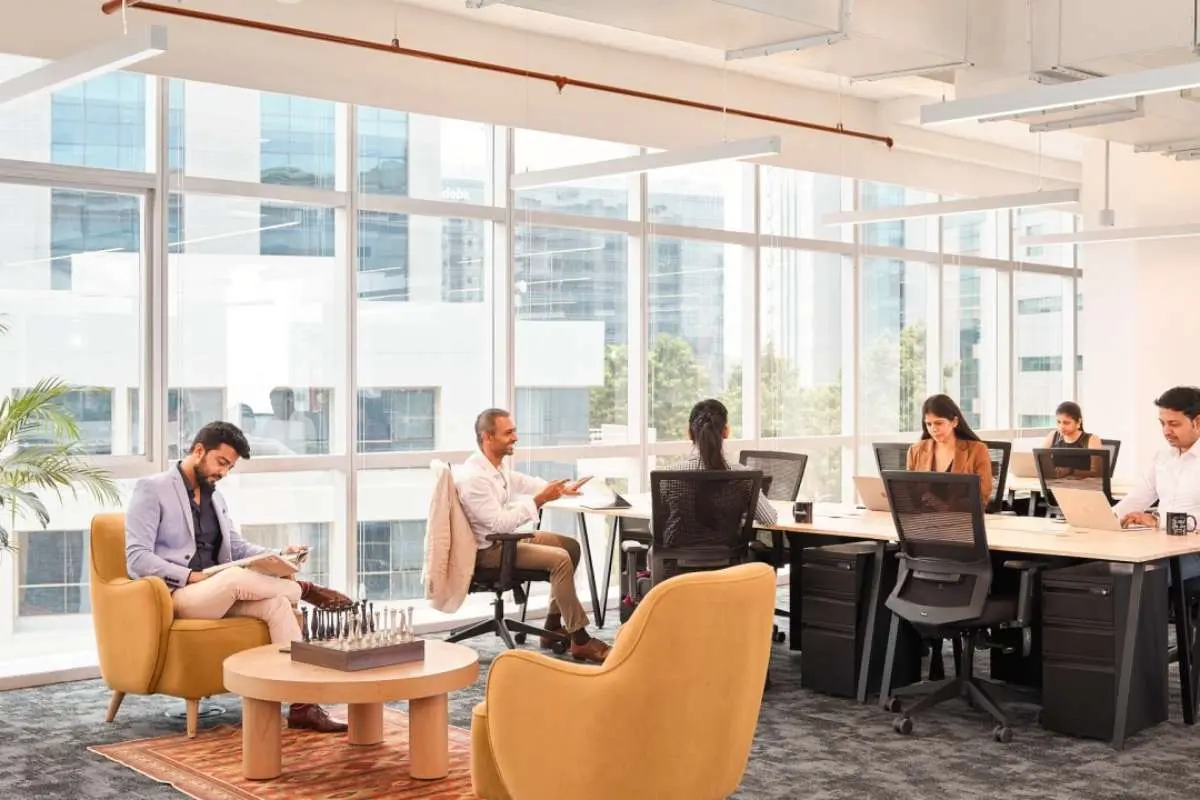
Modern workplaces rarely stay the same for long. Hybrid work has changed how many offices are occupied, seasonal demand can alter inventory requirements, and temporary projects can create short term needs for additional equipment or materials. Companies may also reorganize teams, open or close locations, run events, or adjust operations in response to changing customer demand.
A rigid approach to space can make these changes expensive and wasteful. If every temporary need results in additional purchasing, permanent expansion, or a major redesign, businesses can quickly accumulate costs and resources that are no longer necessary once conditions change again.
Flexible space management provides another option. Instead of treating every requirement as permanent, companies can plan around different levels of use and recognize that some assets will move in and out of active circulation. Furniture can be redeployed as teams change, event materials can be retained between campaigns, and shared spaces can serve different functions depending on current needs.
This adaptability can also strengthen business resilience because organizations have a clearer understanding of the resources available to them. When circumstances change, managers can make decisions based on what the company already owns and how existing space can be reconfigured before turning immediately to new purchases or additional facilities.
Sustainability and resilience often overlap in this way. Businesses that use resources carefully are not only reducing waste, they may also become better prepared to respond when their needs change.
A space and asset audit is a practical place to begin

Improving space management does not have to start with an expensive technology platform or a company wide renovation. A simple audit of existing space and assets can reveal where the biggest opportunities are and provide a useful starting point for more informed decisions.
Businesses can begin by walking through offices, warehouses, stockrooms, and other operational areas while paying close attention to what is actually occupying the space. Items can then be grouped according to how frequently they are used, whether they remain in good condition, and whether there is a realistic reason to retain them.
Talking to employees is also important because people working in the space every day often know where the practical problems are. They may be able to identify supplies that are constantly reordered despite existing stock, equipment that has not been used in years, or rooms that could serve a more valuable purpose if they were reorganized.
Once assets have been identified, companies can decide on the most appropriate next step for each category. Frequently used items should remain easy to access, occasionally used resources can be organized according to future demand, repairable products can be restored, and assets that no longer serve the business can be sold, donated, recycled, or responsibly disposed of.
The company can then track what changes. Useful measures might include the amount of workspace recovered, the number of assets reused, purchases avoided, materials diverted from disposal, and changes in operating costs. Measuring these outcomes helps connect space management with wider sustainability goals rather than treating it as a one time office cleanout.
Sustainability can begin with better everyday decisions
Large sustainability commitments often receive the most attention, but environmental progress is also shaped by ordinary operational decisions made every day. What a company buys, what it keeps, what it reuses, and how efficiently it uses its facilities can all influence its overall resource footprint.
Smarter space management brings those decisions together. It encourages businesses to understand what they already own before purchasing more, keep useful assets in circulation where practical, and make better use of existing facilities before assuming additional space is necessary.
There can be financial benefits as well. Avoiding duplicate purchases reduces procurement costs, extending the useful life of equipment delays replacement expenses, and making existing facilities work more efficiently may reduce the pressure to expand. These outcomes can make sustainability easier to connect with everyday business priorities rather than positioning it as a separate initiative competing for resources.
Most importantly, the approach does not require companies to keep everything or pursue perfect efficiency. It simply asks them to make more deliberate decisions about physical resources.
Before buying another piece of equipment, can something already owned do the job? Before disposing of useful furniture, could it serve another team or location? And before deciding that the business has run out of room, is the space it already occupies being used as effectively as it could be?
Those questions may seem straightforward, but they can uncover opportunities that are easy to miss when businesses focus only on larger environmental initiatives. A more sustainable workplace does not always begin with adding something new. In many cases, it starts with understanding what is already there, using it more effectively, and making every square foot count.