Premium flooring carries a substantial financial commitment for offices, shops, schools, clinics, and residential buildings. Foot traffic, tracked grit, spilled fluids, moving furniture, and unsuitable chemicals gradually alter its finish. Regular commercial floor care protects the material beneath that surface layer, supports safer walking conditions, preserves visual standards, and limits avoidable repair work. Property managers who address wear early can extend service life and postpone major replacement expenses.
Why surface care matters?
Fine sand, salt, and street residue become abrasive under constant foot pressure. For facilities seeking commercial floor cleaning in NYC, a structured maintenance plan can remove that debris before it cuts into protective coatings. Professional care may include scrubbing, polishing, sealing, or finish renewal, based on material needs. Routine inspections also expose moisture intrusion, coating loss, and early scratches while corrective treatment remains manageable.
Material determines the method
Flooring materials respond differently to moisture, friction, heat, and chemical exposure. Vinyl benefits from balanced cleaning and finish protection. Stone needs pH-neutral products, controlled pressure, and periodic sealing. Hardwood requires limited moisture and gentle agitation. Concrete may call for mechanical scrubbing, densifying, or surface sealing. Material identification should come first, since an unsuitable method can cause damage.
Removing abrasive soil

Tracked grit causes much of the wear seen near entrances, elevators, reception areas, and corridors. Each particle moves beneath footwear like a small cutting tool. Frequent vacuuming, dust mopping, and damp cleaning reduce that contact. High-quality entry mats capture soil. Their placement, cleaning frequency, and replacement schedule affect how well they protect interior surfaces.
Hard surface protection
Vinyl composition tile and related products often require a layered finish system. Stripping removes old coating that has become cloudy, discolored, or uneven. A compatible sealer closes exposed areas, while finish coats form a replaceable barrier above the tile. Periodic burnishing restores reflectivity without removing every layer. This commercial floor care approach preserves the original material and reduces costly floor replacement.
Stone restoration
Marble, granite, terrazzo, and limestone each have different porosity and mineral characteristics. Acidic beverages can etch a polished face, while grit creates fine scratches across busy paths. Restoration may involve honing, polishing, sealing, or targeted stain removal. Prompt attention limits the affected area. It also helps maintain a uniform appearance across adjoining sections.
Wood and resilient materials
Wood surfaces need controlled moisture, soft tools, and products compatible with their finish. Excess liquid can enter seams, swell boards, or cause dark discoloration. Resilient flooring also requires measured chemistry because strong agents may soften coatings or change color. Regular checks help maintenance staff select the least aggressive, effective treatment for each condition.
Safety benefits
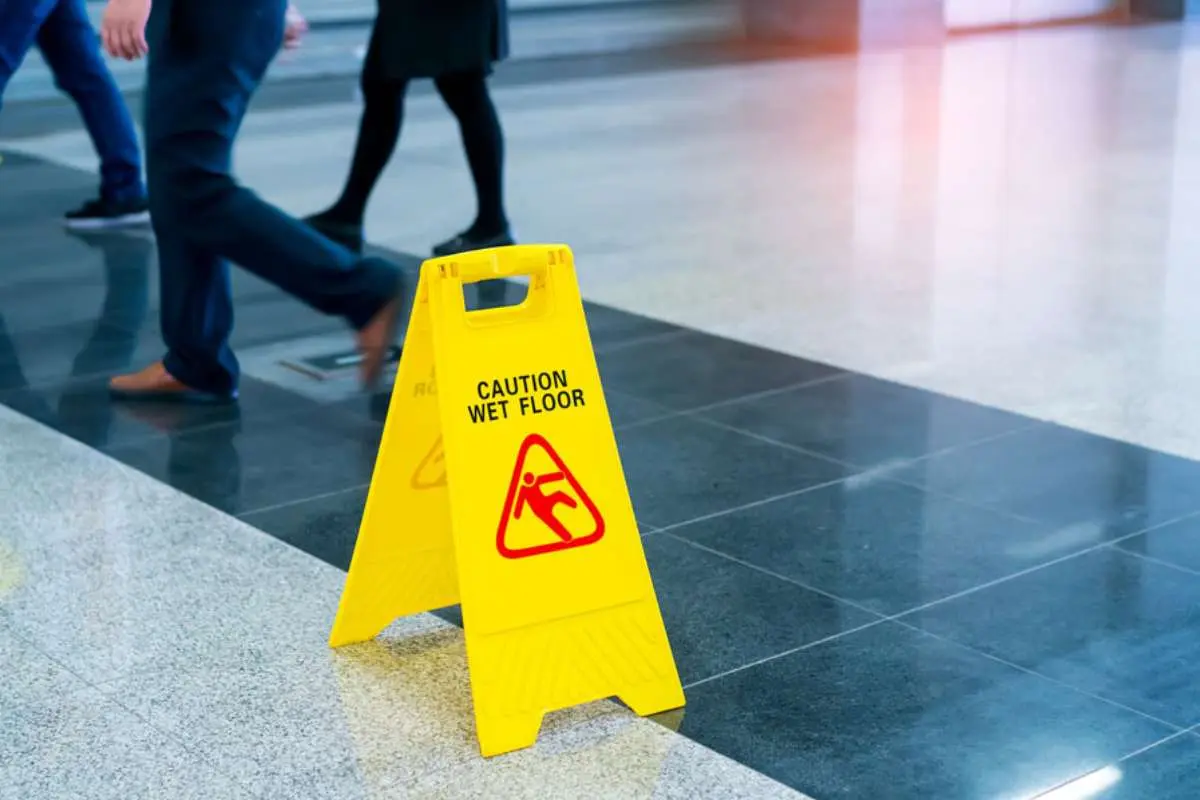
Clean, dry walkways help reduce slip exposure for employees, guests, tenants, patients, and residents. Water, grease, residue, and deteriorated coatings can interfere with normal foot contact. Immediate spill response shortens the period of risk. During wet cleaning, warning signs and controlled access protect people nearby. Proper finish selection also helps preserve traction under routine conditions.
Financial value over time
A replacement project includes more than new material. Expenses may cover removal, disposal, installation, furniture relocation, business interruption, and restricted access. Preventive maintenance distributes spending across planned service intervals. It also protects the initial investment in stone, wood, tile, or concrete. Well-maintained flooring supports stronger presentation during inspections, leasing activity, property sales, and client visits.
Signs that service is due
Dull lanes often indicate a loss of finish due to repeated traffic. Dark borders may reflect embedded soil near walls or fixtures. Pale marks can result from mineral deposits, chemical residue, or moisture. Scratches around doorways usually point to trapped grit. Persistent odor may indicate dampness or contamination below the visible surface.
Choosing proper equipment
Equipment must be appropriate for the material, coating, traffic load, and available drying period. Soft pads protect delicate finishes, while firmer brushes may suit textured concrete or heavily soiled tile. Vacuum systems should collect particles. Operators also need instruction in pressure, travel speed, solution volume, and pad selection. Correct settings improve results and prevent unnecessary surface loss.
Coordinating with daily operations

Commercial floor care teams may need to work around the building’s opening hours, deliveries, classes, appointments, tenant movement, and scheduled events. Dividing corridors into manageable sections keeps access available while treated areas dry. Service records should note completed tasks, observed defects, products applied, and recommended follow-up. Accurate documentation improves continuity between visits.
Conclusion
Commercial floor care protects structural material, surface finish, occupant safety, and operating budgets. Each flooring type requires an appropriate cleaning frequency, chemical balance, tool selection, and restoration method. Early attention is especially valuable near entrances and other heavily used paths. Property managers who treat maintenance as a routine facility responsibility can preserve appearance, reduce disruption, and delay replacement while obtaining greater value from expensive flooring.