Key Takeaways
- $38 million raised: Funding will support AI development and expansion.
- 50-plus hospitals: Healthleap reports rapid customer growth.
- 40-plus conditions targeted: The company plans to broaden its screening platform.
Healthleap raises $38 million to expand its artificial intelligence platform that flags potentially overlooked medical conditions in hospital patients.
The funding includes an $8 million seed round co-led by Sequoia Capital and First Round Capital, and a $30 million Series A led by Hummingbird Ventures. The company plans to use the investment to develop its technology, hire staff, and expand its screening capabilities.
Healthleap Uses AI to Flag Overlooked Conditions
Founded in 2022 by siblings Jemima and Josiah Meyer, Healthleap initially developed a clinical nutrition tool to help healthcare professionals identify malnutrition. The company later expanded its platform to screen hospital records for several conditions that clinicians may overlook.
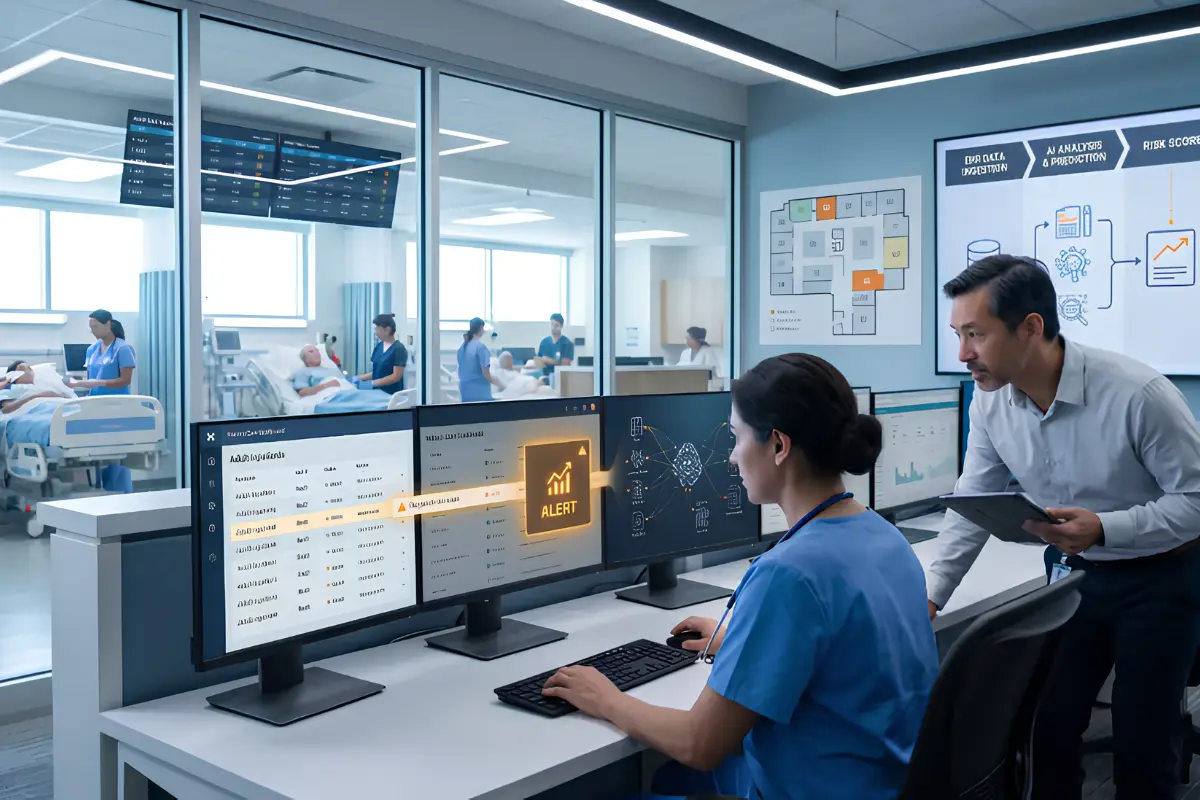
The software analyzes electronic health records, including laboratory results, vital signs, medication information, and clinicians’ written notes. It then generates risk scores to help care teams identify patients who may need further evaluation.
Healthleap does not diagnose patients. Instead, its platform highlights potential risks for clinicians to review and assess.
“Every week, millions of patients leave hospitals with unresolved health conditions that will erode their health and cost up to 10x more to treat in the long term,” Healthleap co-founder and CEO Josiah Meyer said in the company’s funding announcement. “Our goal is to help improve care and save lives by identifying those conditions now.”
The company initially focused on disease-related malnutrition, which can contribute to longer hospital stays, infections and complications during recovery. Healthleap plans to expand its technology to identify more than 40 conditions, including delirium, aspiration pneumonia and pressure injuries.
Hospital Partnerships Drive Business Growth
Healthleap says its platform operates at more than 50 hospitals, including Penn Medicine, Cedars-Sinai, Intermountain, Houston Methodist and Emory Healthcare.
The company reported that its customer base grew from three hospital partners to more than 50 over the past year. Revenue also increased more than tenfold during that period, although Healthleap has not disclosed specific revenue figures.
At one Penn Medicine hospital, the company reported an estimated $23.8 million in annualized financial impact from its malnutrition program. The figure included $6.3 million in additional reimbursement and $17.5 million attributed to shorter hospital stays.
Healthleap also reported a 39% increase in identified and treated malnutrition cases and $11 million in additional reimbursement within one health system. These figures are company-reported results and have not been independently audited in public filings.
“Healthleap is focused on finding patients who are being missed and getting them the care they need,” said Alfred Lin, a partner at Sequoia Capital, in the company’s announcement.
Lin cited the reported improvements in malnutrition identification and hospital revenue as evidence of the platform’s potential value.
New Funding Will Support Expansion
Healthleap plans to invest the new capital in engineering, product development, sales and customer success. It also intends to expand beyond inpatient care into outpatient services and home care.
The company’s business model includes three-year contracts priced according to hospitals’ licensed bed counts. Some agreements also include outcome-based pricing tied to savings validated by hospital finance teams.
First Round Capital co-founder and partner Josh Kopelman said the firm was drawn to Healthleap’s vision of using AI to identify clinical risks and improve patient care while creating financial value for hospitals.
However, the company must demonstrate that its reported results can be replicated across different healthcare systems. Hospitals must also ensure that automated alerts support clinical decisions without creating unnecessary workloads or distracting medical teams.
After Healthleap raises $38 million, its long-term success will depend on whether hospitals can consistently translate earlier risk identification into improved patient care and measurable operational benefits.