


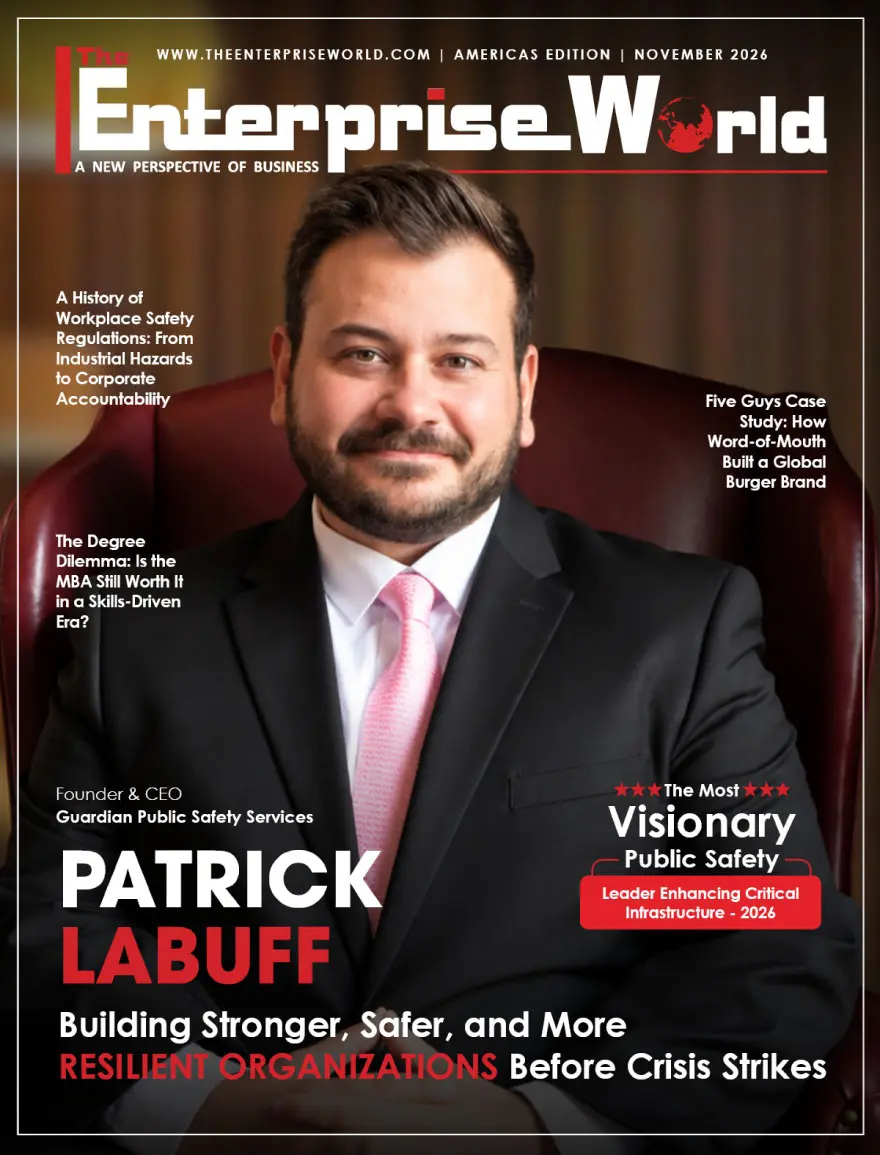
No organization can predict exactly when its next crisis will come.
It could be a storm that stops operations, a cyberattack that affects critical systems, a security incident that puts people at risk, or a supply-chain problem that delays essential resources. What organizations can control is how prepared they are. Good preparation helps them respond faster, protect people and essential operations, and recover more effectively.
Helping organizations prepare for such situations is the work of Patrick LaBuff, Founder & CEO of Guardian Public Safety Services. With experience in homeland security, emergency management, healthcare, government, and public safety, Patrick leads Guardian in identifying risks, protecting critical infrastructure, developing Emergency Operations Plans, strengthening business continuity, and preparing organizations for different types of emergencies.
Under his leadership, Guardian brings emergency management, security, critical infrastructure protection, and business continuity together with practical training and exercises. One notable example is the company’s support of a Small Modular Reactor (SMR) in the United States, where the team conducted disaster and security assessments, developed emergency plans and procedures, and provided ongoing support as the facility moved toward criticality and into activation and maintenance. The work reflects Patrick LaBuff’s focus on helping organizations prepare for complex risks before they become major crises.
From public safety roots to a vision for greater resilience
Patrick LaBuff’s connection to public safety started early. His father was a firefighter, and his mother was a teacher, so he grew up understanding both emergency response and the importance of education. Experiences with disasters, including the impact of the Sandy Hook shooting on his family, strengthened his interest in homeland security and emergency management. Over the years, he served as a Congressional Homeland Security Advisor, Hospital Emergency Management and Security Director, and Municipal Homeland Security and Emergency Management Director for the City of New Haven. In 2025, he brought this experience together to launch Guardian Public Safety Services with experts from healthcare, homeland security, disaster management, business continuity, intelligence, law enforcement, fire service, and the U.S. military.
Through his career, Patrick LaBuff saw that changing threats required more than standard security measures. Organizations needed practical solutions based on their people, operations, and specific risks. This led to the creation of Guardian, which brings together public safety, critical infrastructure protection, planning, technology, training, and collaboration. The company helps organizations prepare for emergencies, strengthen resilience, and make better decisions before, during, and after a crisis. For Patrick LaBuff, public safety is a shared responsibility built on teamwork, innovation, and continuous improvement.
Turning high-pressure experiences into stronger leadership
Patrick LaBuff’s leadership has been shaped by experiences that required him to stay calm, make quick decisions, and build trust. In 2017, as the youngest Congressional Homeland Security Advisor in U.S. history, he worked on national security, threat assessments, and counterterrorism efforts. This experience taught him the importance of listening, teamwork, and making decisions based on facts.
During COVID-19, he helped build and lead a 140+ member Incident Command Team at Hartford Hospital, dealing with changing guidelines, supply shortages, staffing challenges, and growing patient needs. His experience in municipal emergency management also taught him how to work closely with public safety teams, government officials, and communities. These experiences shaped his belief that strong leadership comes from trust, clear communication, teamwork, mentorship, and preparation. Today, Patrick LaBuff applies these lessons at Guardian Public Safety Services to help organizations become stronger and better prepared before a crisis occurs.
A practical approach to security, emergency management, and resilience
Guardian works in public safety, emergency management, homeland security, national security, and critical infrastructure protection. It helps organizations prepare for cyberattacks, security threats, natural disasters, operational disruptions, and other risks. Its work also covers emerging areas such as AI, data centers, advanced manufacturing, blockchain, and small modular reactors. Through risk assessments, training, exercises, and customized emergency plans, Guardian helps protect people, essential operations, and critical systems.
Instead of using the same approach for every client, Guardian first understands each organization’s work, risks, important operations, and weak points. It then combines emergency management, security, business continuity, cybersecurity, disaster preparedness, and infrastructure protection to create clear and practical solutions.
Guardian also regularly updates its approach as risks, technology, and regulations change. Its plans and assessments are supported by training, exercises, coaching, and regular reviews. The goal is not only to identify risks but also to help organizations build the skills, confidence, and resilience needed to respond effectively when challenges arise.
Client’s success story
Preparation matters most when people can use it during a real crisis. Just days after Guardian provided crisis-response training to CARSCH, which supports residents across more than 200 apartment communities in Connecticut, a major disruption occurred at a high-rise community. Several floors had to be relocated, and residents faced a 24-hour water shut-off, followed by another shut-off two days later.
The Resident Service Coordinators used Guardian’s training to manage relocations, arrange alternate water supplies, communicate clearly, and support residents. The experience showed that good training is not about predicting every crisis. It is about giving people the skills, confidence, and knowledge to respond calmly when the unexpected happens. True preparation turns knowledge into action when it matters most.
Preparing communities for a more connected and complex future
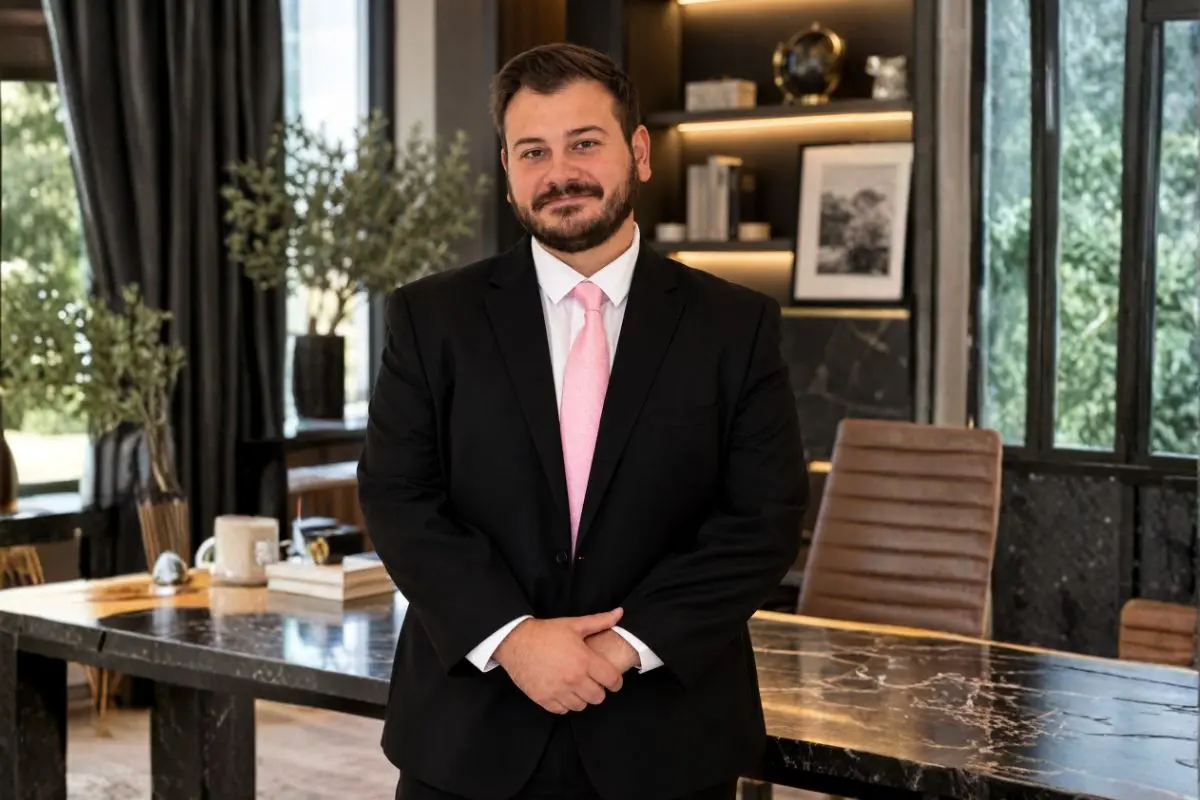
Technology is changing the way organizations handle public safety and emergencies. Guardian Public Safety Services helps organizations understand these changes and use new technology safely while keeping people and preparedness at the center. The company uses artificial intelligence for research, information analysis, intelligence gathering, identifying trends, and emergency planning, while human experience and judgment remain important in decision-making.
Guardian also helps organizations prepare for risks in emerging industries such as data centers, advanced battery operations, semiconductor manufacturing, and small modular reactors. Its work brings together emergency management, security, business continuity, and preparedness to address complex risks. Looking ahead, Guardian sees AI, predictive analytics, cybersecurity, automation, biological threat monitoring, and resilient infrastructure playing a growing role in public safety. Its upcoming Guardian Helios platform is designed to monitor hazards and threats related to weather, supply chains, biological risks, cybersecurity, and physical security. The goal is simple: use technology to help people, organizations, and communities stay safer and better prepared.
Protecting information while protecting people
For Guardian Public Safety Services, trust is the foundation of every client relationship. The team first listens to each client, understands their goals and operations, and identifies their specific security and safety needs. Guardian then provides clear, practical recommendations that support both business operations and public safety, treating every client as a long-term partner.
Protecting sensitive information is also a key part of its work. During security assessments, emergency planning, cybersecurity, physical security, and executive protection projects, Guardian follows strict confidentiality and data protection practices. When a risk or weakness is identified, the team explains it clearly and works with the client to find a practical solution.
Most importantly, Guardian keeps people at the center of its work. Whether supporting a hospital, government agency, manufacturing facility, or energy project, the company focuses on protecting the people and systems that communities depend on. Its goal is not only to meet requirements, but to help organizations build lasting trust, preparedness, and resilience.
Equal access to safety resources
For Patrick LaBuff, public safety leadership means sharing knowledge, experience, and practical lessons that help others perform better. Guardian participates in industry events and plans to offer free webinars and courses in 2027. Through its Guardian Podcast on Spotify and YouTube, the team also connects with leaders, practitioners, and disaster survivors to discuss emerging challenges and practical solutions. The organization continues learning from new threats, real-world events, and industry experience.
Guardian also works to make public safety knowledge and resources more accessible to communities and organizations. It promotes collaboration among government agencies, businesses, nonprofits, and community groups while supporting efforts that strengthen preparedness and resilience. Looking beyond the U.S., Guardian plans to support NATO allies and international disaster management efforts in 2027, sharing knowledge and building partnerships to help create safer, better-prepared communities.
Supporting one of America’s emerging nuclear technologies
Guardian has built its reputation by working in complex environments where safety, security, and preparedness are essential. One notable achievement is its support of an SMR in the United States, from its progress toward criticality through activation and maintenance. The team assessed disaster and security risks, developed emergency operations plans, policies, and procedures, and provided ongoing preparedness support.
The project brought together public safety, emergency management, security, business continuity, communications, training, and operational readiness, while requiring coordination with government and private-sector stakeholders. Guardian continued adapting its support as the facility’s needs changed, ensuring its preparedness remained practical and relevant.
The SMR project reflects Patrick LaBuff’s approach to building Guardian as a trusted partner, helping organizations prepare for, respond to, and recover from complex risks through practical planning, training, assessments, and continuous support.
Faster, smarter, and more connected emergency responses
Guardian is exploring a partnership with Dr. Charles Neagle, CEO of Medlife, a Texas-based company developing software to improve how patient information is collected and shared during large events. At concerts, festivals, and sporting events, emergencies can happen quickly, leaving first responders with limited information. Having accurate patient details at the right time can help them make faster and better decisions.
The platform is designed to keep patient information available as people move from the scene to ambulances, hospitals, and other medical facilities. It can support triage, treatment, patient tracking, and communication, especially during major emergencies. For Guardian, the goal is simple: use technology, training, and emergency planning to help responders work together, respond faster, and protect more lives.
Life before and after stepping into an entrepreneurial role
Before
- Public Service: Dedicated Patrick LaBuff’s career to serving people and communities.
- Education: Built expertise through learning and professional experience.
- Frontline: Worked directly through high-pressure emergencies and complex situations.
- Public Safety: Led preparedness efforts across healthcare, government, and public safety.
- Crisis Leadership: Managed emergency operations during the COVID-19 pandemic.
- Homeland Security: Advised U.S. lawmakers on national security and preparedness.
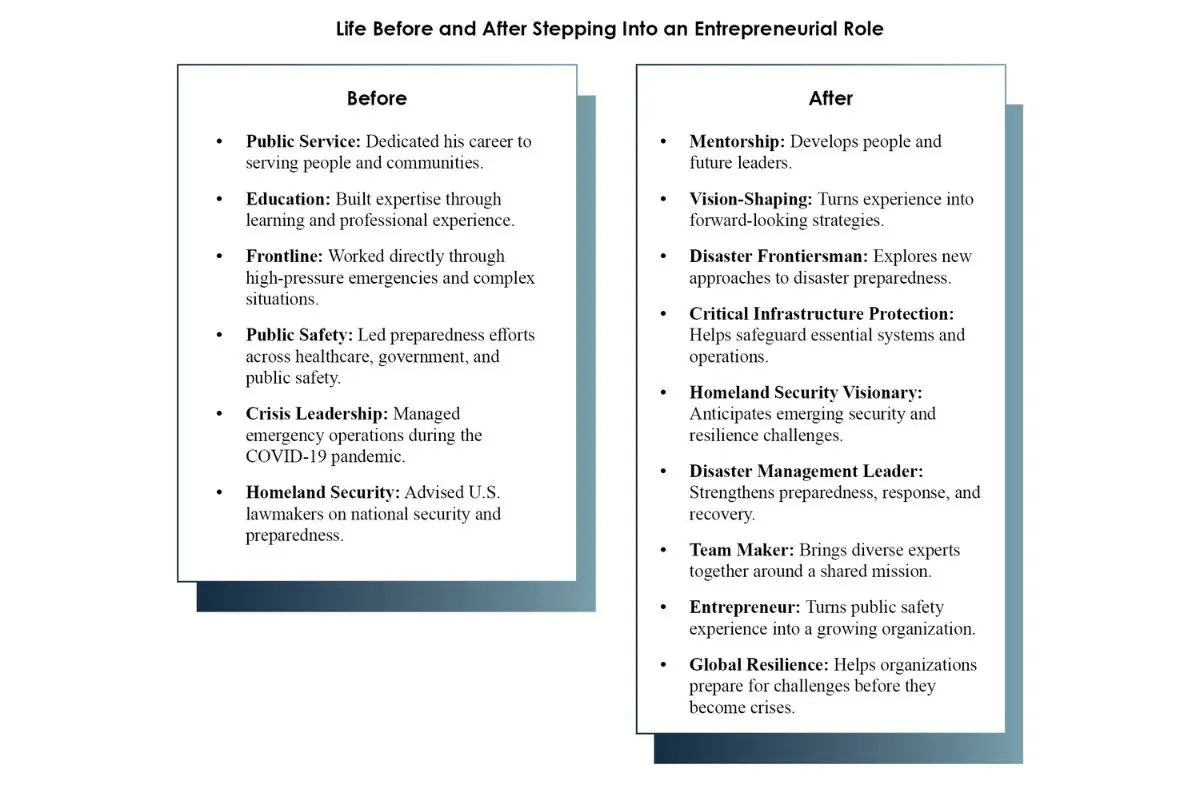
After
- Mentorship: Develops people and future leaders.
- Vision-Shaping: Turns experience into forward-looking strategies.
- Disaster Frontiersman: Explores new approaches to disaster preparedness.
- Critical Infrastructure Protection: Helps safeguard essential systems and operations.
- Homeland Security Visionary: Anticipates emerging security and resilience challenges.
- Disaster Management Leader: Strengthens preparedness, response, and recovery.
- Team Maker: Brings diverse experts together around a shared mission.
- Entrepreneur: Turns public safety experience into a growing organization.
- Global Resilience: Helps organizations prepare for challenges before they become crises.
Snapshot of daily routine
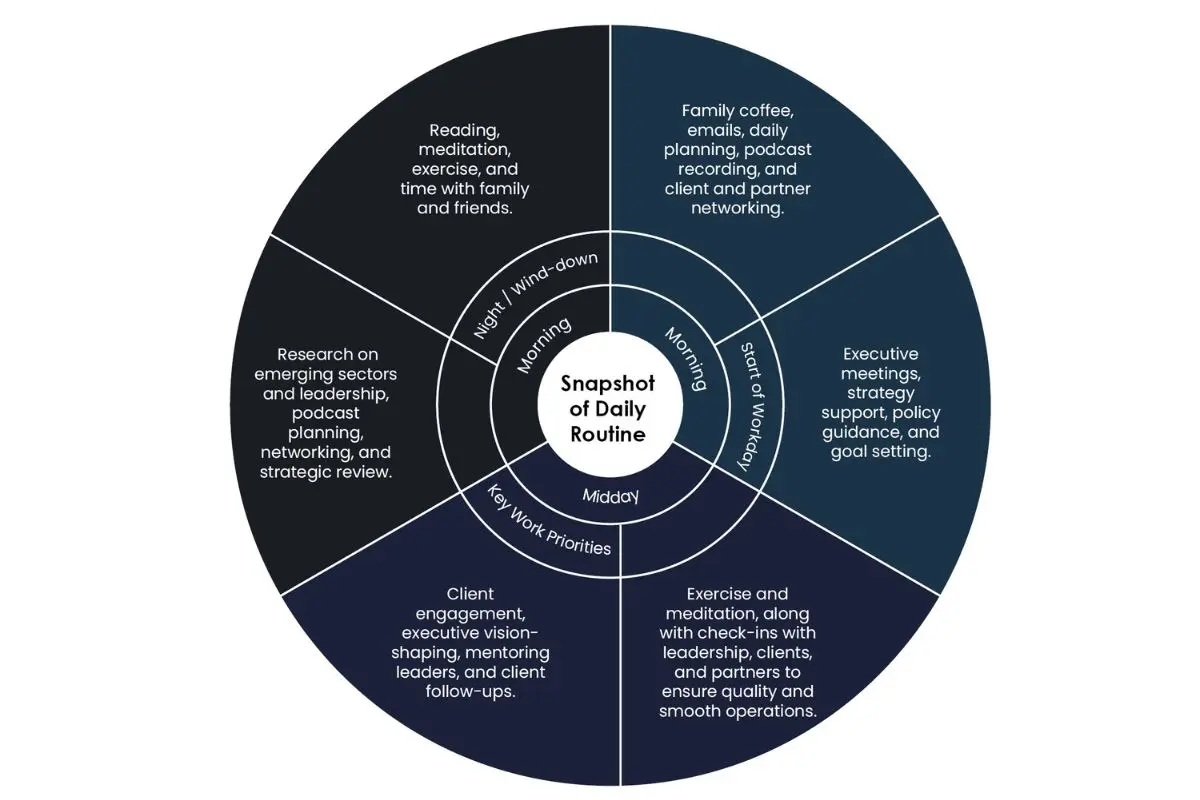
- Early Morning: Family coffee, emails, daily planning, podcast recording, and client and partner networking.
- Start of Workday: Executive meetings, strategy support, policy guidance, and goal setting.
- Midday: Exercise and meditation, along with check-ins with leadership, clients, and partners to ensure quality and smooth operations.
- Key Work Priorities: Client engagement, executive vision-shaping, mentoring leaders, and client follow-ups.
- Evening: Research on emerging sectors and leadership, podcast planning, networking, and strategic review.
- Night / Wind-down: Reading, meditation, exercise, and time with family and friends.
Open letter to future public safety leaders
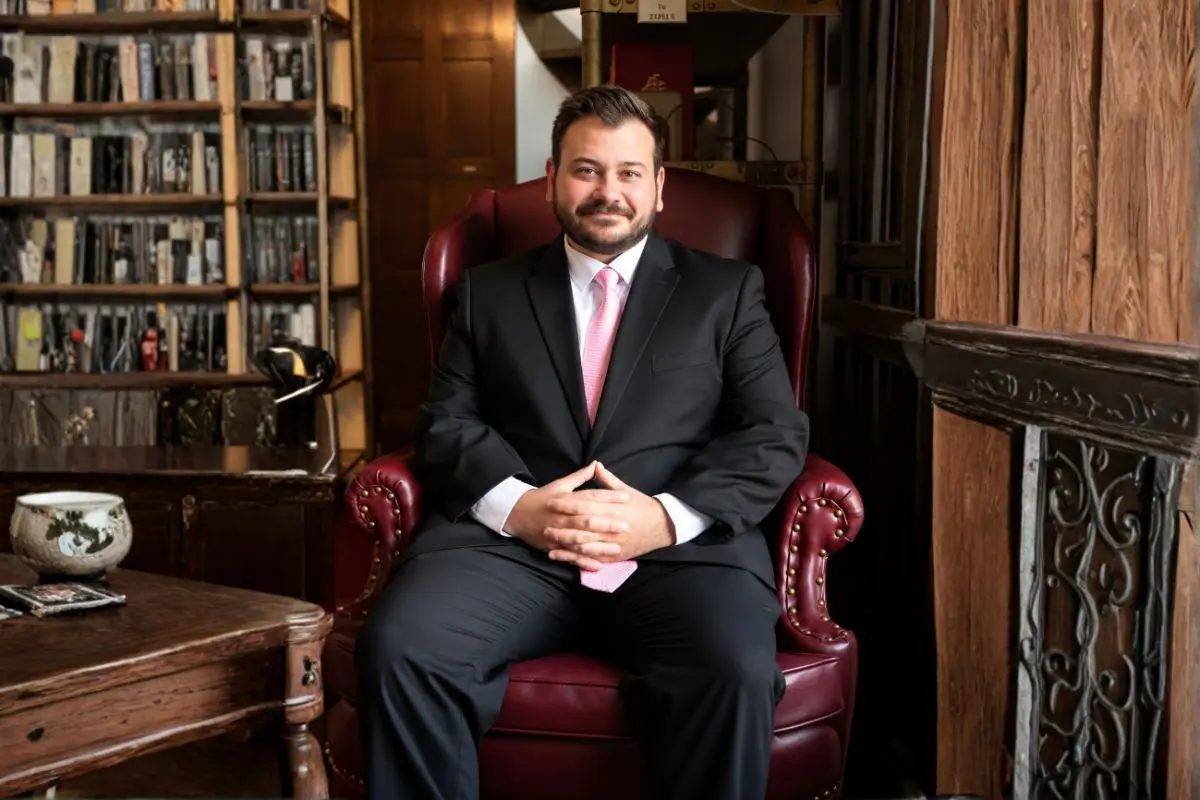
Dear Readers,
To the future leaders and professionals entrusted with protecting our communities and critical infrastructure, never underestimate the responsibility that comes with your role, but never lose sight of the opportunity to make a lasting difference. Public safety leadership is not only about managing incidents; it is about shaping vision, building trust, developing people, and preparing organizations for challenges that may not yet exist.
Seek mentors who challenge your thinking and be willing to mentor others in return. Good leaders create followers; great leaders create future leaders. Invest in coaching, professional development, and the growth of those around you. Give people opportunities to lead, make decisions, learn from mistakes, and develop their own vision. Your greatest legacy may not be the incidents you successfully managed, but the people you helped become better leaders.
The threat landscape is changing faster than many traditional systems and processes. Artificial intelligence, connected systems, automation, advanced communications, and sophisticated cyber capabilities bring opportunities as well as new risks. Innovation cannot be an afterthought. Leaders must challenge conventional thinking, collaborate across disciplines, and adopt new technologies responsibly while understanding the vulnerabilities they create. Protecting critical infrastructure means protecting people, physical assets, data, networks, technology, and the systems communities depend on every day.
Finally, become a perpetual learner. Education, certifications, training, conferences, and advanced degrees matter, but some of the greatest lessons come through relationships, field experience, community involvement, volunteering, and learning from successes and failures. Stay curious, remain humble, embrace innovation, invest in people, and never stop learning. The future of public safety belongs to those willing to prepare for what is coming while having the courage to help shape what comes next.
Patrick LaBuff
Founder & CEO, Guardian Public Safety Services
Quick takes
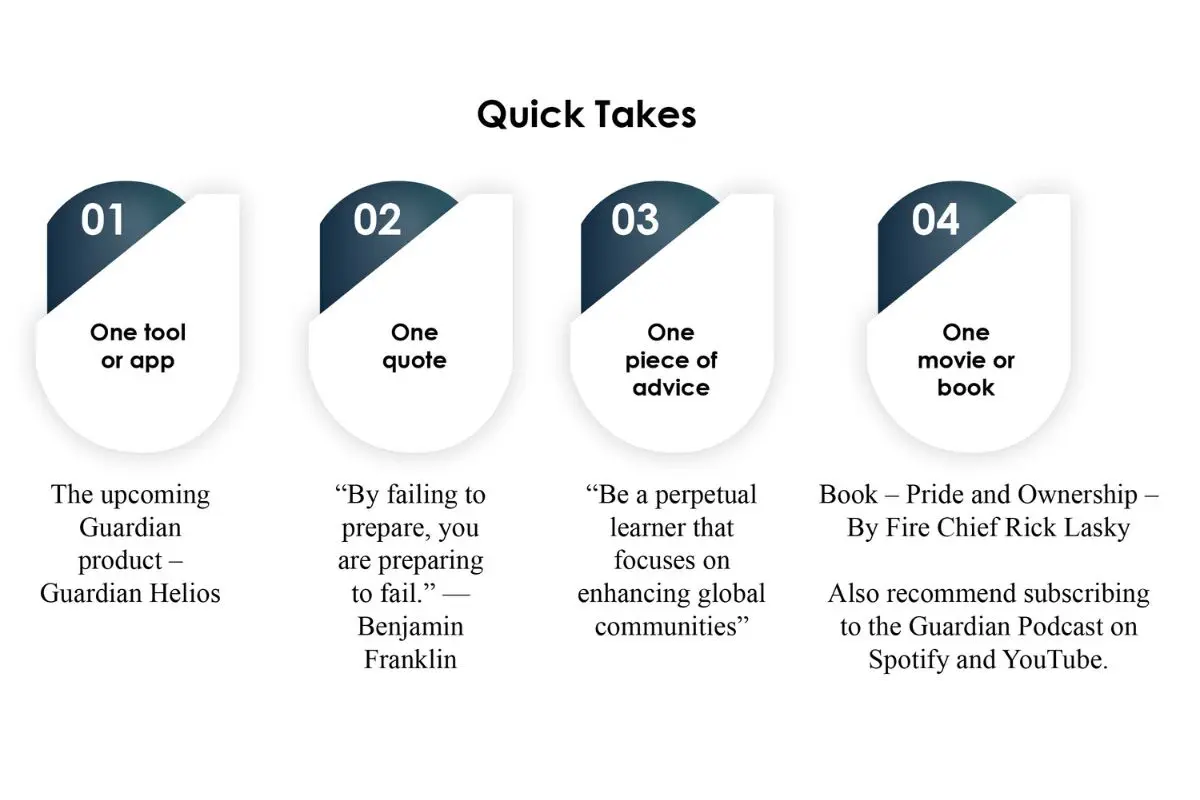
1. One tool or app you would recommend to professionals in your industry:
The upcoming Guardian product – Guardian Helios
2. One quote that motivates you the most:
“By failing to prepare, you are preparing to fail.”
Benjamin Franklin
3. One piece of advice you would offer to upcoming entrepreneurs or future business leaders:
“Be a perpetual learner that focuses on enhancing global communities”
4. One movie or book you recommend everyone in business or leadership should experience:
Book – Pride and Ownership – By Fire Chief Rick Lasky
Also recommend subscribing to the Guardian Podcast on Spotify and YouTube.
Patrick Labuff’s 5 impactful business mantras
- Prepare Before the Crisis: Strong preparation today creates better decisions and faster responses tomorrow.
- People First: Protecting people should remain at the center of every business decision and strategy.
- Build Trust Through Leadership: Strong relationships, clear communication, and teamwork create lasting resilience.
- Keep Learning and Adapting: Leaders must stay curious, embrace innovation, and adapt to changing risks and opportunities.
- Turn Knowledge into Action: Plans and ideas create value only when people can apply them effectively when it matters most













