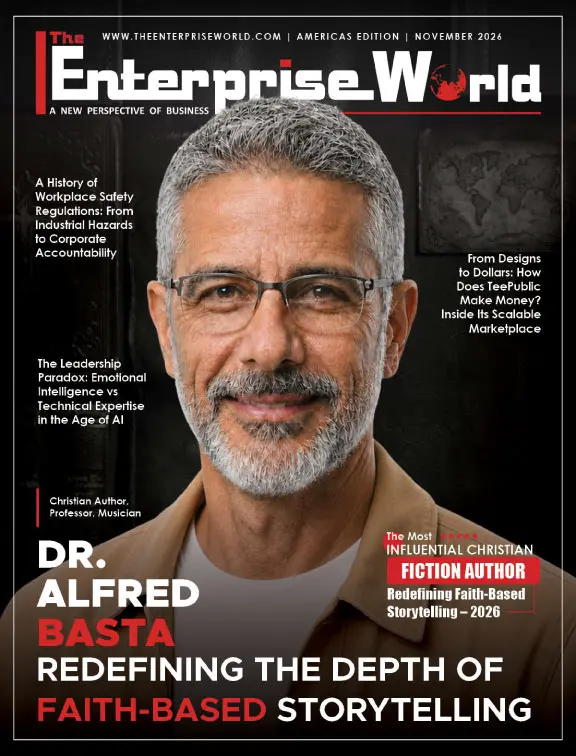
Faith-based storytelling becomes more compelling when it makes room for the questions that belief does not always answer easily. Doubt, loss, suffering, and uncertainty can challenge what people believe, but they can also deepen the search for truth and meaning. For readers facing those questions themselves, stories that acknowledge such struggles can offer something more lasting than simple reassurance.
Dr. Alfred Basta, Christian Author, Professor, and Musician, brings that perspective to his writing through a journey that has crossed mathematics, cybersecurity, education, research, and twelve years of questioning. His fiction and nonfiction approach faith through evidence, skepticism, human vulnerability, and lived experience, creating stories that invite readers to examine what they believe while leaving room for hope, conviction, and discovery.
A voice at the intersection of faith and storytelling
Alfred approaches faith-based storytelling with a focus on the questions that emerge when belief meets suffering, uncertainty, and human experience. Dr. Alfred Basta’s fiction and nonfiction combine thoughtful inquiry with emotional depth, allowing complex ideas to remain accessible while keeping the people and experiences behind them at the heart of each story.
Books by Dr. Alfred Basta, including The Cross Examination, Ward No. 8, The Malgrave Letters, and Why I Decided to Believe in God, reflect this approach. Across different settings and forms, Alfred explores faith, skepticism, loss, and the search for truth without reducing them to simple answers. His work encourages readers to sit with difficult questions and consider how belief can be examined, challenged, and understood through both reason and experience.
A career built on curiosity and discipline
Dr. Alfred Basta’s professional journey brings together mathematics, cybersecurity, education, and leadership, with each field adding a different dimension to the way he approaches complex problems. His foundation in mathematics developed a disciplined approach to logic and analysis, while his work in information security sharpened his ability to recognize vulnerabilities, assess uncertainty, and think through potential risks. Over time, these experiences shaped not only his professional practice but also the way he approaches complex questions in his writing.
Dr. Alfred Basta’s career later expanded into academia, where he serves as a professor and department chair, working with students and young professionals through teaching, mentorship, and leadership. Alongside this work, he has written or co-written more than fifty books, including technical publications with Wiley, Cengage, and McGraw-Hill. Years of working across technical and academic environments strengthened his appreciation for research, precision, and clear communication, skills that have become equally valuable in his creative work.
These experiences now converge in Alfred’s approach to storytelling. The discipline developed through mathematics, the scrutiny required in cybersecurity, and the communication demanded by education all contribute to the way he develops ideas and examines complex subjects. Rather than separating his professional and creative lives, he draws from each to create stories that give intellectual questions and human experiences equal weight.
A question that changed everything

Dr. Alfred Basta’s relationship with faith was not shaped by certainty alone. In May 1994, when he was twenty-one, his father died in Egypt. A church elder known for his kindness and gentleness, his father’s death left Alfred with questions he could not reconcile with the faith he had inherited. Instead of turning toward prayer, he turned toward investigation, beginning what would become a twelve-year effort to determine whether the God his father served truly existed.
He examined questions across cosmology, physics, biology, and history, approaching them with the mindset of a cryptographer determined to test a proposition rather than accept it on trust. By 2006, the case he had constructed against God no longer held together. The experience did not simply return him to the faith of his childhood; it gave him a faith shaped by questioning, examination, and a willingness to confront difficult objections. His journey taught him that doubt does not necessarily end belief; sometimes, it becomes the path through which belief is examined more deeply.
That experience remains central to the writer Alfred would become. His faith is not presented as something untouched by suffering or intellectual scrutiny. Instead, it carries the marks of a long search, personal loss, and questions that were allowed to remain difficult. That foundation would later shape his nonfiction and fiction alike, giving his stories a perspective rooted not in easy answers, but in the conviction that truth is worth pursuing even when the search is uncomfortable.
Stories shaped by love, loss, and belief
Dr. Alfred Basta’s transition into Christian fiction was deeply personal. For much of his career, writing meant producing technical and academic books, often alongside his wife, Nadine. That changed in December 2017, when Nadine was diagnosed with brain cancer. The years that followed brought caregiving, uncertainty, and a closer understanding of how people respond when familiar certainties are disrupted. During this period, Alfred began writing the books that would become some of his most meaningful work.
His fiction draws from the realities people face when belief is tested by circumstances beyond their control. In The Cross Examination, questions of faith unfold through courtroom drama and competing arguments, while Ward No. 8 places its characters in the world of medicine, mortality, and difficult choices. The stories do not depend on convenient miracles or uncomplicated resolutions. Instead, Alfred allows grief, doubt, relationships, and conviction to exist alongside one another, reflecting the complexity of real human experience.
Nadine’s influence remains inseparable from this chapter of Alfred’s writing life. She died in May 2025, and Alfred sees the publication of these books as part of carrying forward dreams they shared. For him, storytelling became more than another form of authorship. It became a way to transform years of love, caregiving, questioning, and loss into stories that could reach readers navigating their own difficult moments.
5 key milestones
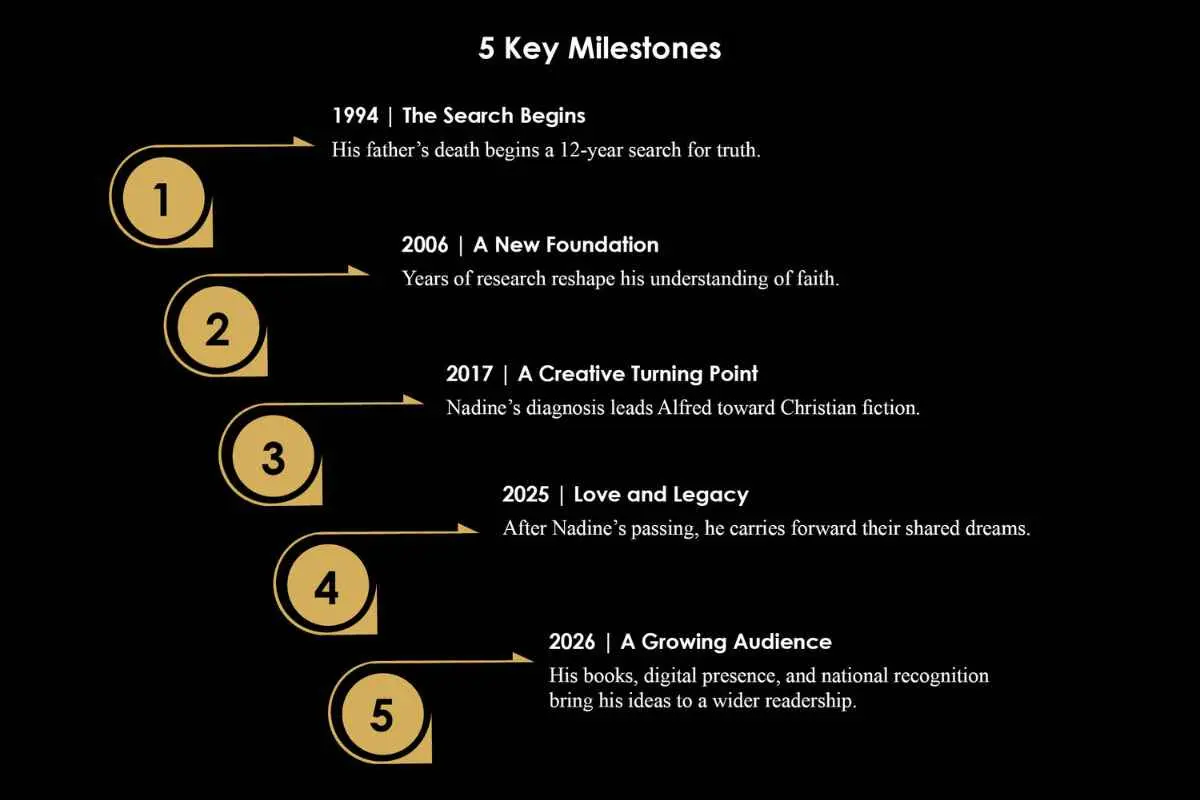
1. 1994 | The Search Begins
His father’s death begins a 12-year search for truth.
2. 2006 | A New Foundation
Years of research reshape his understanding of faith.
3. 2017 | A Creative Turning Point
Nadine’s diagnosis leads Alfred toward Christian fiction.
4. 2025 | Love and Legacy
After Nadine’s passing, he carries forward their shared dreams.
5. 2026 | A Growing Audience
His books, digital presence, and national recognition bring his ideas to a wider readership.
Where research meets imagination
For Dr. Alfred Basta, a new story often begins with a question he cannot leave unanswered, particularly the strongest objection someone could raise against faith. Rather than starting with a plot, he first considers the person who would have to confront that question when the stakes are highest. Characters take shape before the storyline, while even names are chosen with intention, giving individual details a purpose within the larger narrative.
Research forms the next layer of his creative process. His background in cybersecurity has taught him to verify claims, examine vulnerabilities, and give opposing arguments their strongest form. He brings that discipline to fiction, researching carefully and ensuring that claims remain grounded in their evidence. Once the groundwork is established, he outlines the book chapter by chapter, building each stage around enough tension or discovery to make the next one necessary.
The writing is followed by an equally deliberate revision process. Alfred works in Microsoft Word with Track Changes, reviewing every alteration before reading the complete manuscript again for consistency. Dates, details, arguments, and character choices all receive the same scrutiny. His guiding principle remains simple: tell the truth, even in fiction.
Faith without easy answers
Dr. Alfred Basta believes faith becomes more meaningful when it is allowed to face grief, doubt, failure, and uncertainty. His stories resist convenient resolutions. In Ward No. 8, characters facing death do not receive easy miracles, while The Cross Examination places questions of belief under intellectual and moral pressure. The conflicts remain grounded in circumstances that feel human rather than neatly resolved.
Skeptical perspectives also have a genuine place in his storytelling. Alfred gives opposing views room to be expressed and examined rather than reducing them to simple obstacles. By bringing together evidence, emotional stakes, and suspense, his stories explore science, history, suffering, and belief while keeping the people behind these questions at the center.
Through courtroom drama, medical fiction, and The Malgrave Letters, Alfred creates different entry points into a broader conversation about belief and human experience. His stories invite readers to consider what they believe, what shapes those convictions, and how faith can respond when life puts those convictions to the test.
Before & after leadership
Before leadership
- Young cryptographer with something to prove
- Building a case against faith
- Career- and achievement-driven
- Quick to correct, slow to listen
- Moving across countries and career stages
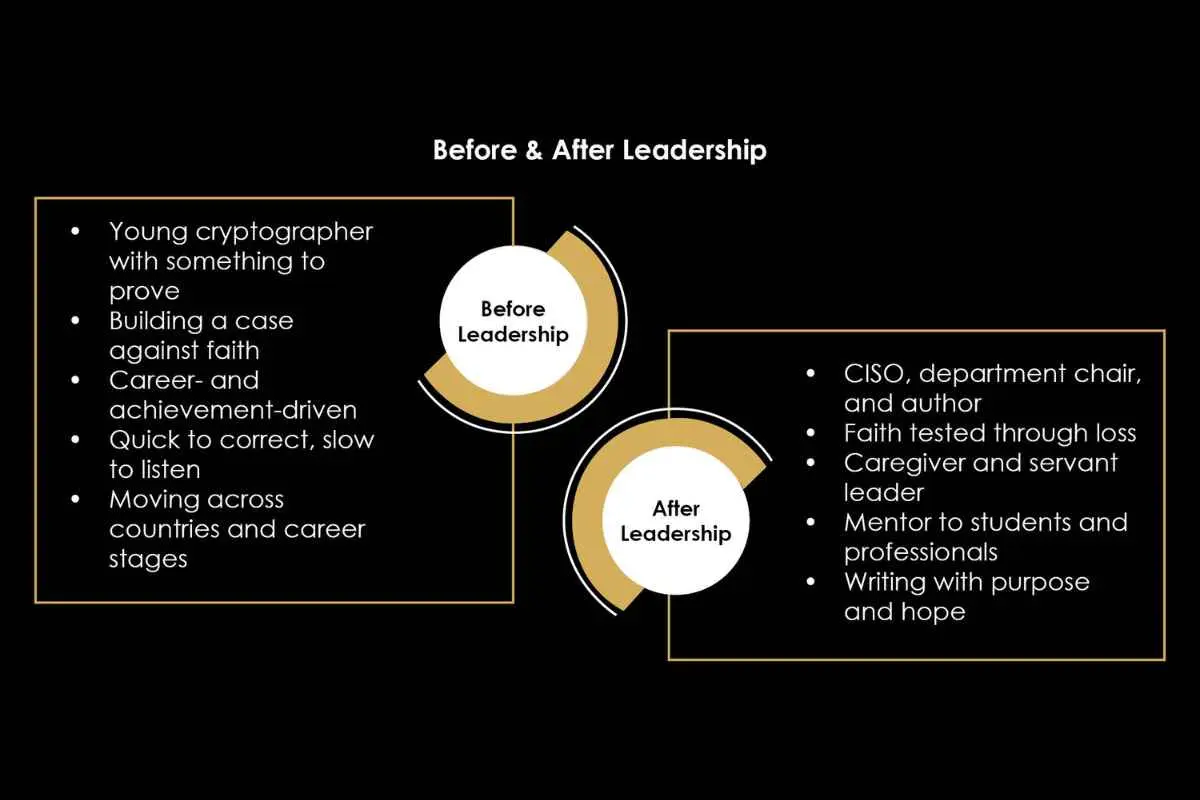
After leadership
- CISO, department chair, and author
- Faith tested through loss
- Caregiver and servant leader
- Mentor to students and professionals
- Writing with purpose and hope
Connecting stories with readers
Independent publishing has given Dr. Alfred Basta greater freedom to bring his ideas directly to readers, while digital platforms have made audience connection faster and more immediate. Books, social media, and online communities now allow his work to reach readers beyond traditional publishing channels.
That freedom has also allowed Alfred to widen the range of his writing. His recent releases include The Eighth Contract, along with three practical guides for readers navigating work, leadership, and everyday relationships: How to Run the Room Without Saying a Word: The 36 Laws of Quiet Power; How to Win an Argument Without Making an Enemy: The Lost Art of Changing Minds Without Losing People; and How to Become the Most Trusted Person: The Slow Art of Being Believed.
Together, the guides explore quiet influence, respectful persuasion, and trust that is earned over time, themes that echo his years of teaching, mentoring, and leading others. He has also brought his storytelling to younger readers through two children’s series: Christopher & Christina’s Time Machine, which spans 41 books, and Grandpa Noah’s Backyard, a 12-book series.
In July 2026, Alfred launched his social media presence around creation, evidence, and faith, posting four times a week. The audience has grown to approximately 300,000 followers, giving him a direct connection with readers and their responses.
Beyond his books, Alfred has also expanded his educational work through Faith on Trial, a Skool community offering free courses on faith, apologetics, and the questions surrounding belief. The platform’s first six courses, Evidence That Would Not Break, The Tempter’s Playbook, Answering Skeptics, Creation Questions, Fiction That Argues, and The Cross Examination, reflect his interest in examining belief from multiple perspectives. Through this initiative, Alfred offers learners another way to explore challenging questions, engage with skepticism, and consider the relationship between faith, evidence, and storytelling. The courses extend his commitment to thoughtful inquiry beyond the pages of his books.
His creative work also extends into music through The Bastas Project, reaching audiences on streaming platforms. Across every format, the purpose remains the same: using digital reach to bring meaningful stories and ideas closer to the people who may need them.
When readers carry the story forward
For Dr. Alfred Basta, the most meaningful measure of his work is reader response. His 2026 releases have built strong engagement, with Why I Decided to Believe in God receiving 260+ Amazon reviews, while The Cross Examination and Ward No. 8 have also earned hundreds of reviews. Across Goodreads, his books hold a 4.94 average from 518 ratings.
His work has also received recognition beyond publishing. He has been featured in Lifeway magazine, interviewed twice by Logan Crawford on GBN, and named to the EC-Council Ethical Hacker Hall of Fame in 2025. In September 2026, Best of Best Review named him Best Fiction Christian Author in the United States of 2026, an honor recognizing fiction that explores belief, doubt, suffering, and the search for truth. Yet the responses that stay with him are those from readers who see their own doubts, grief, and questions reflected in his work.
One reader described Why I Decided to Believe in God as a meaningful exploration of science, skepticism, spirituality, and Christian faith. For Alfred, such responses affirm a central belief: stories can carry truth into places arguments alone cannot reach.
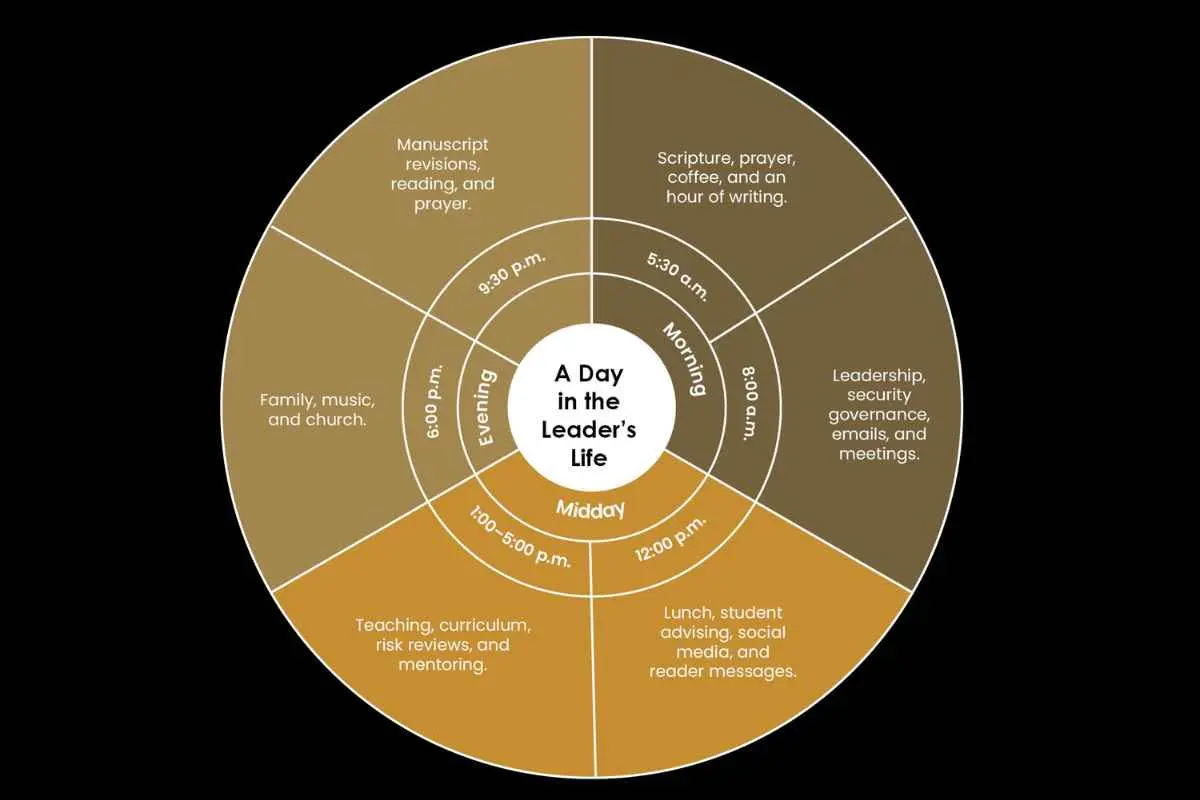
A day in the leader’s life
- 5:30 a.m. | Early Morning
Scripture, prayer, coffee, and an hour of writing.
- 8:00 a.m. | Start of Workday
Leadership, security governance, emails, and meetings.
- 12:00 p.m. | Midday
Lunch, student advising, social media, and reader messages.
- 1:00–5:00 p.m. | Key Priorities
Teaching, curriculum, risk reviews, and mentoring.
- 6:00 p.m. | Evening
Family, music, and church.
- 9:30 p.m. | Wind-Down
Manuscript revisions, reading, and prayer.
Braver stories, harder questions
Alfred sees Christian fiction moving toward stories that are more honest, intellectually rigorous, and willing to confront difficult subjects. Readers, particularly younger generations, are increasingly willing to examine assumptions about science, suffering, truth, and faith. For him, Christian storytelling has an opportunity to engage those concerns directly while allowing conflicts to remain emotionally and intellectually credible.
He also expects the genre to become more global, with compelling stories emerging from regions where faith can carry a greater personal or social cost, including the Middle East, Africa, and Asia. Such perspectives can broaden Christian fiction while bringing readers closer to experiences beyond their own communities.
Dr. Alfred Basta hopes his work contributes to that direction by showing that a Christian novel can be emotionally honest, intellectually serious, and genuinely compelling at the same time. His goal is not simply to tell readers what to believe, but to create stories that give them reasons to keep thinking, feeling, and engaging with the questions that matter.
Open letter
To every aspiring Christian writer,
Write the story only you can tell, and tell the truth inside it. Do not protect your readers from doubt, grief, or the strongest objections to faith. Meet those things on the page, because your readers are already meeting them in their lives. Do the research, finish the manuscript, and let others test it.
To readers,
The stories you choose shape the person you become, so choose stories that tell you the truth.
And to anyone who has buried someone they love,
The questions you are asking are not a betrayal of faith. I asked them for twelve years, and I am still asking some of them. The answers I found held on the worst night of my life.
Stories can carry hope into rooms where sermons cannot reach, and that is reason enough to keep writing
Build on what will hold weight on your worst day. Test your foundations before the storm, not during it.
Dr. Alfred Basta — Christian Author, Professor and Musician
Quick takes
1. One tool
- Microsoft Word
2. One quote
“O death, where is thy sting? O grave, where is thy victory?”
1 Corinthians 15:55, KJV
3. Advice for future leaders
- Build on what will hold weight on your worst day. Test your foundations before the storm, not during it.
4. One book
- The Screwtape Letters by C. S. Lewis
5 Key takeaways
1. Question deeply
Let difficult questions lead to deeper understanding.
2. Test assumptions
Follow evidence wherever it leads.
3. Write honestly
Make room for doubt, grief, and hope.
4. Lead with purpose
Turn adversity into resilience and empathy.
5. Carry truth through stories
Let stories reach both mind and heart.