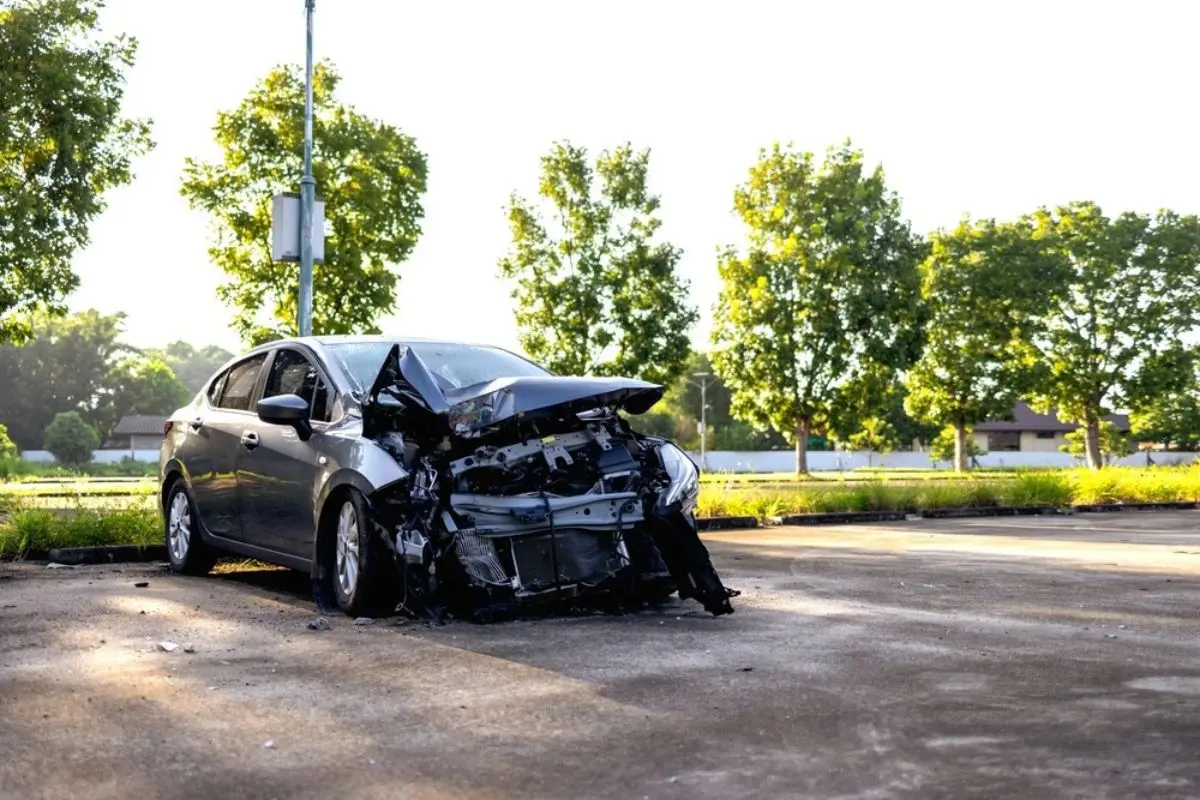
Austin drivers do not always agree on what happened after a crash, and these accident disputes can quickly complicate an insurance claim. One person may blame an unsafe lane change, while another points to sudden braking or a missed traffic signal. Without reliable evidence, these competing accounts can leave important questions unanswered in an accident dispute. A car accident attorney in Austin may examine the statements, records, and physical signs left at the scene to check how well each account matches the available facts. From witness interviews to video reviews, each detail can help clarify the accident dispute and show where further investigation may be needed.
Why drivers give different accounts of a crash?
A crash can happen in seconds, leaving drivers with little time to notice every detail. Noise, sudden movement, poor visibility, and fear can affect what someone remembers. Two people may witness the same collision but recall different parts of it.
Disagreements may involve traffic signals, driving speed, lane changes, or which vehicle entered an intersection first. Passengers and bystanders may also describe events differently because they viewed the collision from other positions. Attorneys consider these differences during an accident dispute investigation instead of assuming that every conflicting statement is a lie.
How attorney investigate conflicting statements?

Attorneys compare each person’s account with available records to find details that support or challenge the claims. Rather than relying on one statement alone, they look for facts that help build a clearer picture of the collision.
Comparing Driver and Witness Statements
Attorneys review statements from drivers, passengers, and witnesses to identify agreements and differences. They may check whether someone changed their account or described events that conflict with other evidence. A witness’s location and view of the road can also affect how much their statement reveals.
Reviewing police reports
Police reports may contain details about vehicle positions, road conditions, statements, and possible traffic violations. Attorneys check these records for useful information and compare them with other evidence. A report can help guide an investigation, but it does not automatically settle every disagreement about fault.
Using physical evidence to establish what happened
Physical evidence can help explain details that drivers remember differently. Vehicle damage may show where the impact occurred, while skid marks and debris can provide clues about vehicle movement. Photos taken after the collision may also show road signs, traffic signals, and nearby obstacles.
Attorneys may review dashcam footage, traffic camera recordings, or security videos from nearby buildings. If the collision is complicated, they may consult accident reconstruction professionals who study vehicle movement and crash details. These findings can support or challenge statements, although no single piece of evidence always provides the complete answer.
How attorney address disputes over fault?

Conflicting accounts do not always mean that a claim cannot move forward. Attorneys examine the available evidence and identify where the accounts differ before responding to claims about responsibility.
Challenging unsupported statements
If another driver makes a claim that conflicts with the evidence, car accident attorney in Austin can point to records that raise questions about its accuracy. For example, photographs or video footage may challenge a statement about vehicle position or the direction of travel. They may also ask witnesses to clarify details that remain unclear.
Examining shared responsibility
Texas follows a modified comparative responsibility rule. A person’s share of responsibility can affect the compensation they may recover. Under Texas law, a person generally cannot recover damages if their responsibility is greater than 50 percent.
A car accident attorney in Austin examines the evidence related to each driver’s actions rather than treating blame as an all-or-nothing decision. The facts of the crash and the applicable law matter when responsibility is disputed.
Negotiating with insurance companies
Insurance companies review evidence before deciding how to handle a claim. Conflicting statements may lead an insurer to question liability, request more records, or dispute the amount being claimed. A clear, organized presentation can help address these concerns.
Attorneys may prepare documents, compare the insurer’s findings with available evidence, and respond to errors or missing details. They can also review settlement offers against documented losses, including medical bills, lost income, and vehicle damage. If the disagreement remains unresolved, further legal action may be considered based on the circumstances.
Steps accident victims can take to support their account
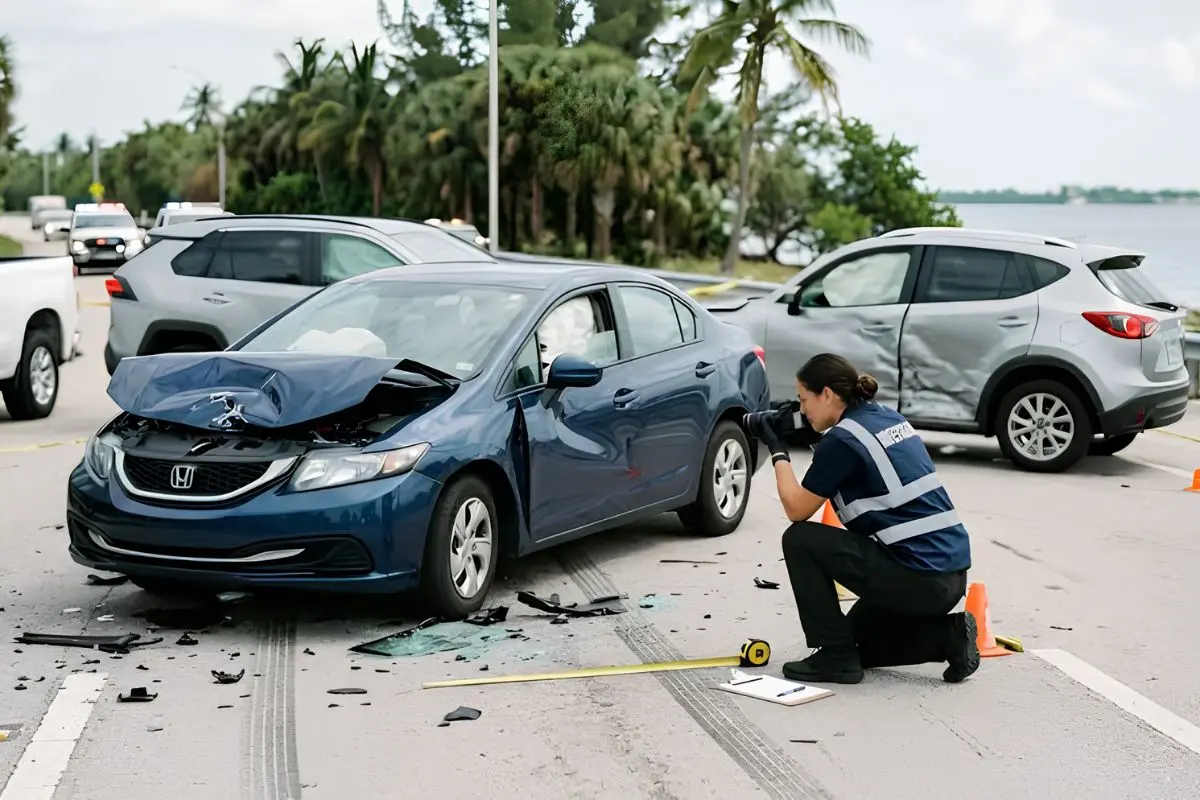
People involved in a car collision can preserve useful information by taking a few practical steps. Their records may help clarify details that become disputed during an insurance investigation.
- Save photographs: Keep images of vehicle damage, road signs, traffic signals, and the crash scene.
- Collect witness details: Record names and contact information for people who saw the collision.
- Keep medical records: Save bills, treatment notes, and documents related to injuries.
- Preserve recordings: Keep relevant dashcam footage and other available video evidence.
- Write down details: Record your recollection of the crash while it remains clear, and avoid guessing about anything you cannot remember.
Accurate records can help investigators compare accounts without relying only on memory.
Finding facts behind conflicting crash accounts
Different stories can complicate a claim, but they do not automatically determine its outcome. Statements, photographs, video recordings, and physical evidence may help show which details are supported by the available facts. Careful review also helps identify gaps that need further investigation before responsibility can be assessed. For anyone discussing the situation with a car accident attorney in Austin, keeping accurate records and avoiding guesses about uncertain details can support a clearer account of the collision. The goal is not simply to prove one person wrong, but to establish what the evidence can reliably show.