Paying for injuries after a distracted driving crash is not always as simple as filing a claim with the other driver’s insurance company. The driver may have limited coverage, another party may share responsibility, or the injured person may need to rely on their own policy. Medical bills, missed work, and other expenses can make it important to know who may be responsible for the cost.
Compensation for injuries caused by distracted driving may come from different sources, depending on who caused the crash, what insurance coverage applies, and how the law treats the circumstances. Knowing these options helps clarify who may have to pay.
The at-fault driver’s insurance and distracted driving injury compensation
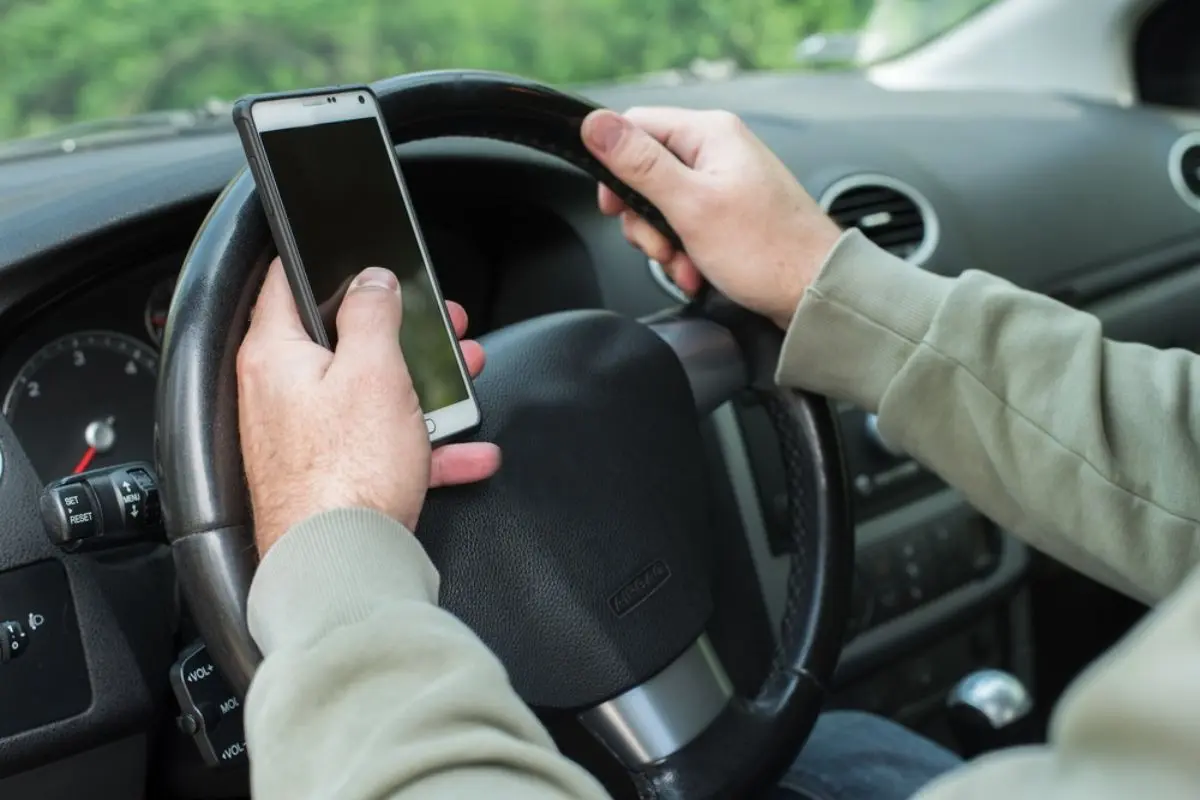
A driver who causes a crash by texting, checking a map, or looking away from the road may be held responsible for the injuries that follow. If the driver is at fault, their auto liability insurance may pay for covered losses suffered by the injured person. These may include medical bills, lost wages, and other damages allowed under the law.
However, payment is not automatic just because a driver was distracted. The insurer may review how the collision happened and whether the driver’s actions caused it. The policy also has limits, which set the maximum amount the insurer will pay for certain claims. If the losses are higher than those limits, other options may need to be considered.
Compensation through the injured person’s own insurance
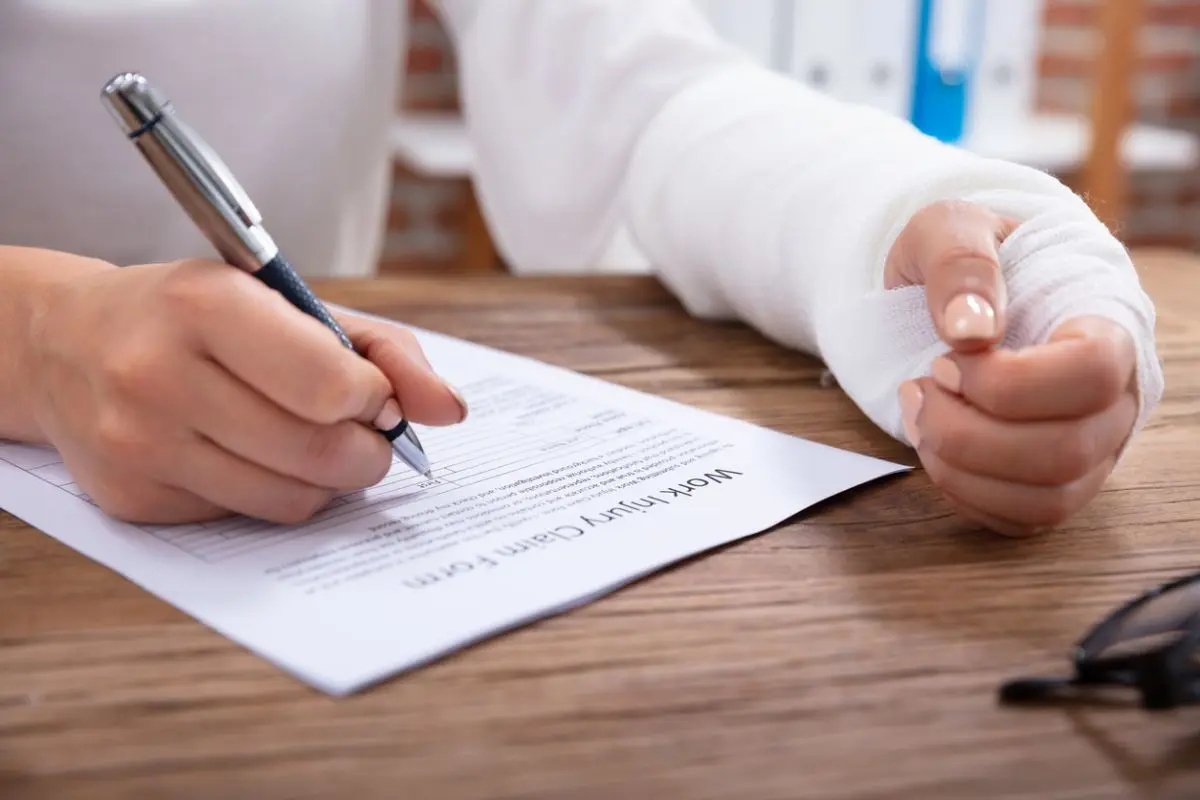
The at-fault driver’s insurance may not always cover the full cost of an injury. The driver might have no insurance, or their policy may not provide enough money to cover the losses. In some cases, the injured person may be able to use their own auto insurance for help.
Uninsured and underinsured motorist coverage may apply if the driver responsible for the crash has no insurance or too little coverage. Some policies also include medical payments coverage or personal injury protection, which may help pay certain medical costs regardless of who caused the collision. These options are not the same in every location, and not every policy includes them. The available benefits depend on the policy terms and the laws that apply.
Other parties that may share financial responsibility
The distracted driver may not be the only party considered after a crash. If another driver also acted carelessly and helped cause the collision, that driver may share responsibility for the injuries. The way fault is divided can affect how compensation is paid under the law.
An employer may also be responsible in some cases if an employee caused a crash while driving as part of their job. For example, a worker making a delivery may be using a phone while driving a company vehicle. The details of the work and the employee’s actions would need to be reviewed. A vehicle owner or another party may also be considered in certain situations, but simply owning a vehicle or knowing the driver does not automatically make someone responsible.
Options when insurance coverage falls short
Insurance does not always cover every loss linked to a serious crash. A policy may have a low limit, or the driver responsible may have no coverage at all. If the available payment is not enough, an injured person may be able to seek compensation directly from a party who is legally responsible, depending on the facts and the law.
Still, receiving payment is not guaranteed. A person may have limited money or assets, making it difficult to recover the full amount of the losses. Other insurance policies may provide coverage, but their terms must be checked. The options available depend on who was responsible, what policies apply, and the amount of compensation allowed under the relevant law.
The effect of fault and injury severity on payment

The decision about who pays often depends on how the crash happened and how badly the person was injured. If more than one driver contributed to the collision, the law in that location may affect how responsibility is shared and how much compensation the injured person can receive.
The type of injury and its effect on daily life can also matter. A claim may include treatment costs, income lost during recovery, vehicle damage, and other losses allowed by law. A serious injury may involve more expenses than a minor one, but the amount paid still depends on the facts, the available coverage, and the rules that apply. Similar crashes can lead to different outcomes.
Identifying the source of injury compensation
The distracted driver’s liability insurer is often the first source considered if that driver caused the crash. However, the injured person’s own insurance or another responsible party may also play a role, especially if the first policy does not cover all eligible losses.
Compensation for injuries caused by distracted driving depends on fault, insurance limits, the nature of the injuries, and the laws that apply. Reviewing these factors helps clarify which payment options may be available in a particular case.